
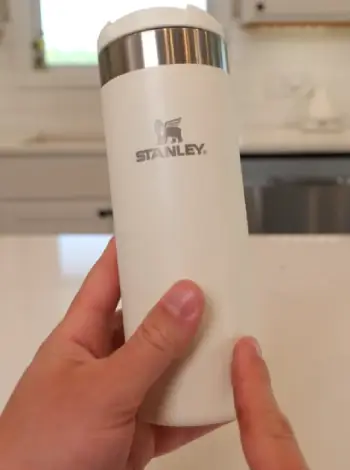
If you want a lightweight, durable bottle that keeps your drinks cold without weighing down your bag, the Stanley AeroLight Transit Bottle deserves a closer look.
I like the idea of combining Stanley’s familiar insulated construction with a slimmer, travel-friendly design.
It is particularly appealing for commuters, students, gym-goers, and anyone who carries water throughout the day.
If portability, temperature retention, and everyday convenience matter to you, this bottle is worth considering, provided its capacity and drinking lid suit your routine.
My First Experience With The Stanley AeroLight Transit Bottle

The first thing I notice about the Stanley AeroLight Transit Bottle is its emphasis on portability.
Traditional insulated bottles can be surprisingly heavy, especially when filled with water.
AeroLight is designed to reduce that burden, making it a practical option when you are walking between meetings, commuting on public transport, or carrying a backpack for several hours.
I appreciate a bottle that fits naturally into my daily routine rather than becoming another bulky item to manage.
The AeroLight’s streamlined shape gives it a more travel-friendly feel than many oversized vacuum-insulated bottles. It is designed for people who want reliable hydration without carrying unnecessary weight.
Weight matters more than you might expect. When I carry a laptop, charger, notebook, lunch, and other essentials, even a small reduction in the weight of my water bottle makes a difference.
The AeroLight range uses lightweight insulation technology to make its bottles lighter than comparable traditional insulated steel bottles.
I also like the practicality of a bottle designed around commuting. A well-shaped bottle is easier to retrieve from a bag, hold while walking, and place beside a desk. Its overall design feels more appropriate for daily travel than a large handled tumbler.
However, I would still check the exact capacity and dimensions before buying. A bottle that fits comfortably in one backpack’s side pocket may not fit another. If you use a vehicle’s cup holder, measure the holder rather than assuming every Stanley bottle will fit.
Insulation is another major consideration. I want cold water to remain refreshing throughout a busy day, particularly when I leave home early and do not have regular access to a refrigerator.
The AeroLight’s vacuum-insulated construction is designed to help maintain beverage temperature. That makes it useful for work, travel, classes, and outdoor activities. I would expect it to be more effective at retaining temperature than a basic single-wall plastic bottle.
Still, insulation performance depends on how you use it. Filling the bottle with chilled water, keeping the lid properly closed, and avoiding unnecessary opening can help maintain a refreshing drink for longer.
I would not assume that every AeroLight model offers exactly the same performance. Capacity, lid design, beverage temperature, and environmental conditions can influence the results.
Pros Of Stanley AeroLight Transit Bottle
- Lightweight Construction Makes Carrying Easier
The most compelling advantage is its reduced weight compared with many traditional insulated stainless-steel bottles.
When I choose a bottle for everyday use, I consider the weight of the empty bottle as well as its filled weight.
Water itself is heavy, so carrying a large quantity can quickly add several pounds to a backpack. Starting with a lighter bottle helps reduce the total load.
This benefit is particularly noticeable for students who carry books, professionals who travel with laptops, and commuters who walk long distances.
It also makes the bottle attractive for people who prefer to travel light.
The lightweight design does not mean you should ignore durability, though. I would still handle it sensibly, avoid unnecessary drops, and check for dents or damage after a hard impact.
- Insulated Construction Helps Maintain Drink Temperature
Another important advantage is the vacuum-insulated design.
A basic plastic bottle generally does not provide the same temperature protection as a quality insulated bottle. If you fill a non-insulated bottle with cold water and leave it in a warm environment, the water can gradually become less refreshing.
The AeroLight’s insulated construction is designed to slow heat transfer, helping cold drinks remain cold for longer. That is useful when you spend the day away from home, work outdoors, or travel in warm weather.
I also appreciate having a bottle that can support a consistent hydration routine. When cold water stays pleasant to drink, you may find it easier to refill and use your bottle regularly.
For the best experience, start with cold water and keep the lid closed between drinks. Avoid leaving the bottle in a hot vehicle for extended periods, because extreme surrounding temperatures can affect performance.
- A Practical Choice for Commuters
The Transit design is especially appealing if you move between different locations throughout the day.
I would rather carry a bottle that feels manageable in a backpack than one that takes up excessive space or makes the bag awkward to lift. A streamlined bottle can be easier to pack alongside everyday essentials.
It is also useful to have water available at your desk, during a commute, or while running errands. Instead of buying bottled water repeatedly, you can refill a reusable bottle whenever drinking water is available.
Before purchasing, however, check the bottle’s actual measurements. Slim styling does not automatically guarantee compatibility with every cup holder, backpack pocket, or bag compartment.
- Reusable Design Supports Everyday Hydration
A reusable bottle can replace many disposable water bottles over time.
I find this practical because it gives me one dependable container to carry, refill, and clean. It can also help reduce the need to purchase bottled water when suitable refill stations are available.
The value becomes more noticeable when you use the bottle consistently. If you carry water to work every day, a reusable bottle can become part of your normal routine rather than an occasional accessory.
Of course, reusability depends on proper care. Regular cleaning, appropriate storage, and checking the lid and seals help keep the bottle suitable for everyday use.
- A Familiar, Functional Stanley Design
Stanley has established a recognizable place in the reusable drinkware market, and the AeroLight offers a more portable alternative to some of its heavier insulated products.
I like products that prioritize function instead of relying entirely on appearance. A bottle should be comfortable to hold, straightforward to use, and easy to maintain.
The AeroLight’s travel-oriented design makes it a reasonable option for someone who likes insulated drinkware but does not need a large handled tumbler. Its appeal is more about practical daily use than carrying a statement accessory.
Cons Of Stanley AeroLight Transit Bottle
- It May Cost More Than Basic Water Bottles
One possible drawback is the price compared with simple plastic bottles or basic reusable containers.
You are paying for more than the ability to hold water. The insulated construction, materials, design, and brand positioning contribute to the overall cost.
That investment may be worthwhile if you use the bottle every day. However, someone who primarily drinks water at home may not benefit enough from the additional features to justify the expense.
I would compare the price with similarly sized insulated bottles before deciding.
- It Still Adds Weight When Filled
Lightweight construction is helpful, but it does not eliminate the weight of the water inside.
A full bottle can still feel heavy, especially if you choose a larger capacity. If you need to walk long distances or carry a backpack for hours, consider how much water you genuinely need at one time.
I would rather select a suitable capacity than purchase the largest option simply to reduce refills. A smaller bottle may be more comfortable for short commutes, while a larger one may work better for long outings.
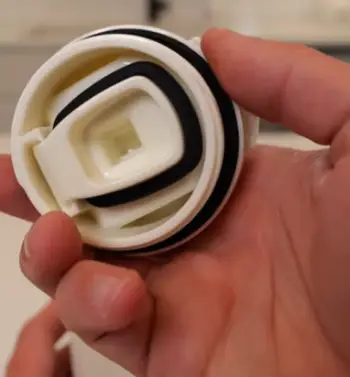
- Cleaning the Lid Requires Attention
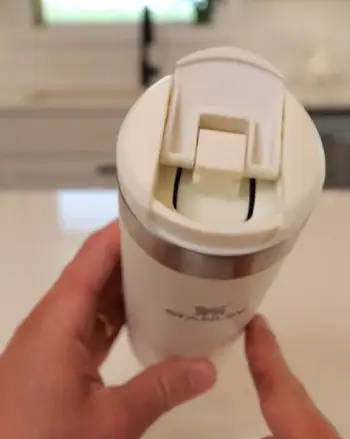
Bottle bodies are generally straightforward to clean, but lids, drinking openings, threads, and seals can require more effort.
Moisture and drink residue may accumulate in areas that are not immediately visible. If you only rinse the bottle quickly, you may leave behind residue that affects freshness or produces unpleasant odors.
I would make lid cleaning part of the regular routine rather than treating it as an occasional task.
- Leak Resistance Is Not the Same as Leakproof Performance
A secure lid is essential when carrying a bottle in a bag. However, wear, improper closure, damaged seals, and trapped debris can affect leak resistance.
I would not place the bottle beside expensive electronics until I had checked the lid and closure under ordinary conditions.
If you frequently carry your bottle horizontally, look carefully at the exact model’s manufacturer guidance. Different lid styles can offer different levels of spill protection.
- The Capacity May Not Suit Everyone
A bottle that works perfectly for a short commute may feel too small for a long hike or an entire day outdoors.
Smaller capacities mean more frequent refills. Larger capacities can increase the weight and take up more room in your bag.
Before buying, think about how much water you drink, whether refill stations are available, and how long you are typically away from home.
Maintenance For Stanley AeroLight Transit Bottle
- Wash the Bottle Regularly
For everyday water use, I would wash the bottle regularly with warm water and dish soap.
Use a bottle brush if necessary to reach the bottom and interior walls. Pay attention to the opening and threaded areas, where residue can collect.
Rinse thoroughly so that no soap remains. If you use the bottle for flavored drinks, tea, or other beverages, clean it promptly after use because residues can be more noticeable than those left by plain water.
Follow the manufacturer’s cleaning instructions if they differ from general recommendations.
- Clean the Lid and Drinking Components Separately
The lid deserves as much attention as the bottle body.
I would remove any components that the manufacturer identifies as removable, such as accessible seals or gaskets. Clean these parts carefully with warm, soapy water and a suitable small brush.
Do not force components apart if they are not designed to be removed. Incorrect reassembly can damage the closure or compromise its seal.
Rinse all parts thoroughly and allow them to dry before putting the lid back together.
- Let the Bottle Dry Completely
Closing a damp bottle and leaving it in a bag can create an unpleasant environment for lingering moisture and odors.
After washing, I would leave the bottle and lid open in a clean, well-ventilated area. Allow removable parts to dry separately where appropriate.
Avoid putting the bottle away while water is still trapped around the seal or drinking opening.
If you use the bottle only occasionally, make sure it is completely dry before storing it for an extended period.
- Check the Seal and Lid Before Travel
A quick inspection can prevent frustrating leaks.
Before carrying the bottle in a backpack, check that the lid is properly seated and the closure operates as intended. Look for visible damage, loose components, dirt, or residue around the sealing surfaces.
If the bottle has a removable gasket, confirm that it is correctly positioned according to the manufacturer’s instructions.
I would also perform a simple leak check over a sink before placing the bottle beside a laptop or other sensitive items.
- Avoid Harsh Cleaning Methods
Aggressive cleaners, abrasive pads, and unsuitable chemicals can damage finishes or components.
I would start with ordinary dish soap and a soft sponge or bottle brush. For stubborn odors or stains, use only a cleaning method approved for the specific bottle and its materials.
Do not assume that boiling water, bleach, or strong chemical cleaners are safe for every lid and seal.
A gentle, consistent routine is usually more practical than occasionally using an overly aggressive cleaning method.
- Be Careful With Dishwashers
Before placing the AeroLight in a dishwasher, check the exact model’s care instructions.
Dishwasher suitability can differ between bottle bodies, lids, seals, and finishes. High heat may damage certain components even if other parts are dishwasher-safe.
If the instructions recommend handwashing, follow that guidance. Handwashing also gives you more control over cleaning the lid’s smaller parts.
When in doubt, use the manufacturer’s stated method rather than risking damage.
Comparison Of Stanley AeroLight Transit Bottle With Other Brands
- Stanley AeroLight vs. Owala FreeSip
The Owala FreeSip stands out because its lid allows users to drink through a built-in straw or sip through the spout. That versatility can be convenient when I want to drink without tilting the bottle very far.
The Stanley AeroLight, by contrast, appeals to people who prioritize a lightweight travel bottle with insulated construction.
I would choose Owala if the dual drinking method is a major selling point. I would lean toward Stanley if its specific weight, dimensions, and lid design better suit my commute.
Neither brand is automatically better for everyone. Compare the exact capacity, cleaning requirements, lid mechanism, and leak-protection guidance before deciding.
- Stanley AeroLight v. Hydro Flask
Hydro Flask offers a variety of insulated bottle designs, giving shoppers different sizes, openings, and lid configurations to consider.
When comparing it with the AeroLight, I would focus on the actual weight of similarly sized models. A bottle can offer excellent insulation but still feel cumbersome if its construction is heavier than I need.
Hydro Flask may appeal to someone who wants a different mouth opening or a particular accessory ecosystem. Stanley may be more attractive if the AeroLight’s lighter construction and travel-focused shape are the main priorities.
I would compare comparable models rather than assuming all bottles from either brand have the same weight or temperature-retention performance.
Stanley AeroLight vs. YETI Rambler
YETI Rambler products appeal to buyers who value sturdy construction and a range of drinkware configurations.
I would consider a Rambler if I wanted a bottle for demanding everyday use and preferred its available cap or body design. However, I would pay close attention to weight, because rugged construction may be less important than easy carrying for someone who spends most of the day commuting.
The AeroLight’s main advantage is its emphasis on portability. YETI may be preferable when a particular Rambler model better matches your intended activity.
I would not assume that either brand is universally more durable or better insulated without comparing the exact products.
Stanley AeroLight vs. Contigo
Contigo is worth considering if you prefer a particular lid mechanism or want a practical bottle at a different price point.
For commuting, I would compare how easily each bottle opens and closes, how much maintenance the lid requires, and whether the closure is designed for carrying inside a bag.
Some lids are more complicated to clean than others. A feature-rich drinking mechanism is only useful if you are comfortable maintaining it regularly.
Stanley is appealing if you prefer the AeroLight’s specific design. Contigo may offer a better fit if a particular model has the drinking mechanism or price you want.
- Stanley AeroLight vs. a Basic Plastic Water Bottle
A basic plastic bottle is often lighter when empty and generally less expensive. It can be perfectly adequate for drinking water at home, at the office, or during short outings.
However, most ordinary single-wall plastic bottles do not provide the same insulation as a vacuum-insulated stainless-steel bottle. If you want water to remain cold for longer, the AeroLight has a practical advantage.
I would choose plastic if low cost and simplicity were my only concerns. I would choose the AeroLight if I wanted a reusable insulated bottle that I could carry throughout the day.
The decision comes down to how much value you place on insulation, materials, portability, and long-term everyday use.
Also Read: Is POWCAN Water Bottle Worth It?
Frequently Asked Questions (FAQ)
Yes. It is a good option for people who want a lightweight, insulated bottle for commuting, work, school, and everyday hydration.
It is designed for secure everyday use, but leaks can occur if the lid is improperly closed, seals are damaged, or components are dirty. Check the specific model’s instructions.
Owala is appealing for its FreeSip drinking system, while Stanley AeroLight suits people who prioritize lightweight portability. The better choice depends on your needs.
The AeroLight Transit Bottle is designed as a portable hydration bottle, while Transit Fliptop mugs prioritize a flip-top drinking design. Exact features depend on the models being compared.
Wrapping Up
The AeroLight Transit Bottle is worth considering because it combines the convenience of a reusable water bottle with insulation and a design intended to make carrying it easier.
Its most appealing feature is its lightweight approach to insulated drinkware. That matters if you carry water everywhere and do not want a heavy bottle adding unnecessary bulk to your daily bag.
However, I would not buy it based on the Stanley name alone. Check the exact model’s capacity, dimensions, lid design, cleaning requirements, and price before making your decision.
If those features match your routine, the AeroLight can be a practical everyday companion. If you need a different drinking system or more capacity, comparing alternatives first is the smarter choice.
Recent Posts
Sumatra Slim Belly Reviews: Does It Really Help With Weight Loss?
After looking at the concerns surrounding Sumatra Slim Belly, I would not recommend buying it without strong evidence of its effectiveness, transparent ingredient information, and reliable customer...
Grillbot Automatic Grill Cleaning Robot Reviews: Is It Worth Buying?
Cleaning a barbecue grill after cooking is one of my least favorite outdoor cooking chores. Grease, burnt food, and stubborn residue can turn a relaxing cookout into an exhausting cleanup...