
I tested the Starscope Monocular with realistic expectations, but the overall experience left me unconvinced.
While its compact design and advertised magnification sound appealing, I found several issues that make it difficult for me to recommend it.
If you want dependable optics for wildlife, travel, sports, or outdoor viewing, I would spend my money on a better-established monocular instead.
Based on the performance concerns and negative customer feedback associated with this product, I don’t think the Starscope Monocular is the right choice for most buyers.
My First Experience With The Starscope Monocular
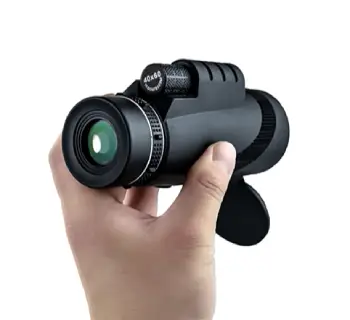
When I first looked at the Starscope Monocular, I understood why it attracts attention. The idea is simple: instead of carrying a full-size spotting scope or binoculars, you get a small optical device that you can slip into a bag or even carry in a pocket.
For someone who enjoys hiking, sightseeing, concerts, sporting events, or casual outdoor observation, that sounds convenient.
I approached the Starscope with that expectation. I wanted something compact that could give me a closer look at distant objects without requiring a bulky setup.
The first thing I noticed was the compact construction. The monocular is much easier to carry than traditional binoculars, and that portability is probably one of its strongest selling points.
I could imagine keeping something this size in a backpack for occasional use without feeling like I was carrying specialized equipment.
But portability alone doesn’t make an optical product worthwhile.
Once I started thinking about actual viewing performance, my expectations became more important.
A monocular needs to provide a reasonably clear image, maintain useful focus, and remain comfortable enough to use for more than a few seconds. This is where I became less impressed with the Starscope.
The advertised magnification initially sounds impressive. However, magnification numbers don’t tell the entire story.
A highly magnified image is not particularly useful if it becomes blurry, shaky, dark, or difficult to focus. I found that the practical viewing experience matters considerably more than the headline specification.
When I tried to observe distant subjects, stability became important very quickly. At higher magnification, even small movements from my hands could make the image jump around.
That’s normal with compact high-magnification optics to some degree, but it reduces the usefulness of the device when you’re trying to identify something far away.
I also paid attention to focusing. For casual viewing, I want to be able to adjust focus without constantly fighting the controls.
If you’re watching a bird that suddenly moves, looking at a player across a field, or trying to identify something on a distant trail, you don’t want to spend most of the moment adjusting the device.
The Starscope’s compact size is convenient, but it also creates a trade-off. A small optical device has less physical room for lenses and controls than larger equipment. That can affect how comfortable and controlled the viewing experience feels.
Another thing I considered was image quality in different conditions. Bright outdoor daylight is generally the easiest situation for an inexpensive monocular. Problems become more noticeable when lighting becomes less favorable.
If you’re expecting the same viewing quality in bright sunlight, overcast weather, dusk, or other challenging conditions, I would keep my expectations realistic.
I also looked at the product from a practical ownership perspective rather than simply asking whether it can magnify distant objects. That’s an important distinction.
A product can technically perform its advertised function while still being disappointing as a purchase. For me, the question is whether the overall combination of optical clarity, focusing, handling, durability, convenience, and value justifies spending money on it.
That’s where I became hesitant.
Customer feedback is another factor I wouldn’t ignore. The Starscope Monocular has received negative reviews in various ecommerce environments, and repeated complaints matter when you’re deciding whether an inexpensive optical product is worth buying. Individual reviews can always be subjective, but patterns in customer dissatisfaction deserve attention.
Some buyers appear to have expected substantially better optical performance than they received. Others have expressed concerns about quality and overall value. These reports don’t mean that every unit will perform identically, but they make me less comfortable recommending the product to someone who wants dependable equipment.
My biggest takeaway was that I would not buy the Starscope simply because its advertising makes the specifications sound impressive.
If you’re only looking for an inexpensive novelty item for occasional use, your expectations may be different. But if you’re looking for an optical instrument that you can rely on for birdwatching, hiking, travel, sports, or serious outdoor observation, I think you should look at alternatives first.
That distinction is important because the Starscope Monocular isn’t necessarily useless. Its compact format can still be convenient, especially for someone who wants something small and simple.
However, convenience doesn’t compensate for disappointing image quality.
For me, that was the deciding factor.
Pros Of The Starscope Monocular
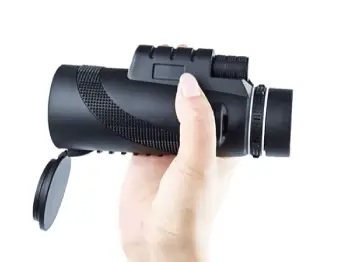
- Portability Is the Biggest Advantage
For me, portability is easily the Starscope’s biggest strength. If you value something lightweight and compact, this type of monocular is naturally appealing.
You can carry it without dedicating an entire bag to your optical equipment. That’s particularly useful for casual outdoor activities.
- Quick Setup
There isn’t much involved in using a basic monocular. You don’t need a complicated mounting system just to look at something nearby or moderately distant.
I like products that let me grab them and start using them.
- Convenient for Occasional Use
If you only need magnification occasionally, carrying a small monocular can make more sense than carrying larger equipment.
For example, imagine you’re walking through a park and notice a bird in a distant tree. You can pull out the monocular, focus on the subject, and take a quick look.
That kind of situation suits the product.
- Suitable for Beginners With Modest Expectations
Someone who has never owned optical equipment may find the basic concept approachable.
There aren’t many complicated functions to learn, and the monocular format is easy to understand.
However, I would still recommend comparing alternatives before buying.
- Small Footprint
Storage is another minor advantage. A compact monocular doesn’t require much space when you’re not using it.
That’s useful if you have limited storage or don’t want another large piece of equipment around the house.
Cons Of The Starscope Monocular
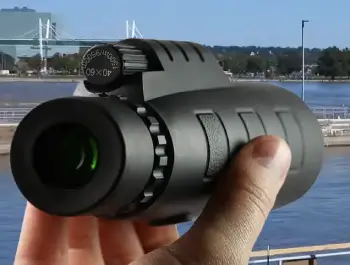
- Image Quality Can Be the Biggest Concern
This is the main issue that prevents me from recommending the Starscope.
Magnification is only valuable when the resulting image remains sufficiently clear. If the picture becomes blurry or difficult to stabilize, a large magnification number doesn’t mean much.
I would rather have a lower-magnification optical device that produces a consistently usable image than a device that advertises impressive magnification but struggles with practical viewing.
- High Magnification Makes Hand Shake More Noticeable
When you magnify a distant object, every small hand movement becomes more obvious.
I noticed that this can make high-magnification viewing frustrating without additional stabilization. If you’re trying to follow a moving subject, the problem becomes even more noticeable.
- Not Ideal for Serious Observation
If your goal is serious birdwatching, wildlife observation, astronomy-related viewing, or long-distance spotting, I would not make the Starscope my first choice.
Those activities benefit from dependable optics and consistent image quality.
- Customer Complaints Affect My Confidence
Negative customer experiences are another reason I’m cautious.
I don’t believe every negative review should automatically disqualify a product. However, when multiple customers raise concerns about quality, performance, or value, I think prospective buyers should pay attention.
- Expectations Can Be Higher Than Reality
The promotional presentation of a high-magnification monocular can create unrealistic expectations.
A buyer may imagine seeing extremely distant objects with crystal-clear detail. In actual use, atmospheric conditions, hand movement, lighting, lens quality, and focusing ability all affect what you see.
That’s why I wouldn’t judge an optical device based on magnification alone.
- Questionable Value
For me, value means more than being inexpensive.
If I have to compromise significantly on clarity and reliability, I would rather spend a little more on an optical product with a stronger reputation and more consistent performance.
Maintenance Tips For A Starscope Monocular
- Keep the Lenses Clean
The lenses are the most important part of the optical system, so I would treat them carefully.
Don’t wipe the lens with a random shirt, paper towel, or rough fabric. Small particles can scratch optical surfaces over time.
Instead, remove loose dust first and use appropriate lens-cleaning materials.
- Avoid Touching the Glass
Fingerprints can leave oils on the lens surface.
I try to hold a monocular by its body rather than touching the optical glass. It sounds like a small habit, but preventing contamination is easier than repeatedly cleaning the lens.
- Store It in a Protective Place
When I’m not using optical equipment, I prefer to keep it somewhere dry and protected.
A protective pouch or case can reduce the risk of scratches, dust, and accidental impacts.
- Protect It From Moisture
Even if an optical device appears rugged, I wouldn’t intentionally expose it to unnecessary moisture.
If the monocular becomes wet, dry the exterior carefully and allow it to air out properly before storing it.
- Don’t Force the Focus Mechanism
If the focus control feels resistant, don’t force it.
Forcing a mechanical control can damage the internal mechanism. I would check whether dirt or another obstruction is causing the issue before applying additional pressure.
- Avoid Extreme Temperatures
Leaving optical equipment inside a hot vehicle or exposing it to extreme cold for extended periods isn’t a good habit.
Sudden temperature changes can also contribute to condensation.
Comparison Of Starscope Monocular With Other Brands
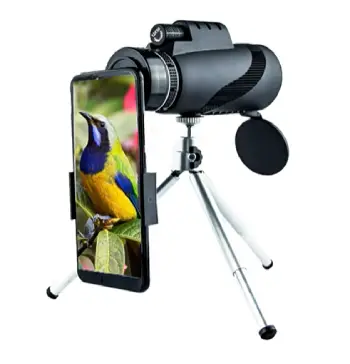
- Starscope Monocular vs. Established Entry-Level Monoculars
When I compare Starscope with established entry-level optical brands, I look beyond magnification.
I want consistent image quality, predictable focusing, reasonable durability, and customer support. Established manufacturers often have a longer track record in optics, which gives me more confidence when spending money.
For that reason, I would generally favor a reputable entry-level monocular over Starscope.
- Starscope Monocular vs. Compact Binoculars
Binoculars have an obvious advantage: you use both eyes.
That can make extended viewing more comfortable for many people. Binoculars can also provide a wider viewing experience, depending on their specifications.
The Starscope wins on simplicity and potentially compactness, but I wouldn’t automatically choose it simply because it’s smaller.
If I’m planning to spend hours watching wildlife or scenery, I’d seriously consider binoculars instead.
- Starscope Monocular vs. Premium Monoculars
Premium monoculars are in another category.
They generally prioritize optical quality, durability, lens coatings, focusing precision, and long-term reliability.
They also cost considerably more.
I don’t think someone shopping for an inexpensive casual device needs to spend professional-level money. However, the comparison demonstrates an important point: optical performance usually comes with trade-offs.
- Starscope Monocular vs. Budget Optical Alternatives
This is where I think shoppers should be most careful.
There are many inexpensive optical products available, and the cheapest option isn’t automatically the best value.
If two products cost roughly the same, I would choose the one with better-established optical specifications, stronger customer satisfaction, and clearer information about construction and warranty coverage.
That’s why I wouldn’t recommend buying Starscope without comparing alternatives first.
Who Might Consider The Starscope Monocular?
I can understand why someone might still consider it.
If you want a very compact device for occasional daylight viewing and your expectations are modest, the Starscope may perform a basic function.
Someone who wants to look at distant scenery occasionally may not need professional-grade optics.
Likewise, if portability is your number-one priority, the small form factor can be attractive.
But I would make that decision only after understanding the limitations.
Who Should Avoid The Starscope Monocular?
I would recommend looking elsewhere if you need dependable long-distance viewing.
Birdwatchers, hunters, wildlife observers, serious travelers, sports spectators, and outdoor enthusiasts may quickly become frustrated if the image doesn’t meet their expectations.
I would also avoid it if you’re specifically searching for excellent low-light performance.
Finally, if you are buying based primarily on the promise of extremely high magnification, I would slow down before purchasing.
Ask yourself a simple question: “Will I actually get a clear, stable image at the distance I care about?”
That’s much more important than the biggest number in the product description.
Frequently Asked Questions (FAQ)
Yes, it is a real monocular, but I don’t recommend it because of performance concerns and negative customer feedback.
I recommend choosing a reputable optics brand with clear images, reliable focusing, and strong customer reviews.
Its practical viewing distance depends on lighting, weather, stability, and image quality rather than magnification alone.
Consumer feedback is mixed, with some buyers reporting concerns about image quality, performance, and overall value.
Wrapping Up
After considering portability, usability, optical performance, customer feedback, and overall value, I wouldn’t recommend the Starscope Monocular as my first choice.
Its compact design is appealing, but that advantage isn’t enough to overcome the concerns I have about practical viewing performance and customer satisfaction.
If you’re serious about getting a dependable monocular, I would spend my money on a better-established optical brand with a stronger track record.
You may pay a little more, but I think that extra investment is more likely to give you the viewing experience you actually want.
Recent Posts
I tried Meltoway Hair Dissolving Cream because I wanted a quick way to deal with unwanted body hair without reaching for a razor every few days. If you are looking for a convenient at-home...
If you’re considering a saffron-based supplement to support mood, appetite control, and everyday wellness, Happy Saffron Plus is worth considering.I like that it takes a familiar botanical...