
I’ve owned my backyard inground pool for over twelve years now, and nothing beats the peace of mind that comes from knowing the water stays balanced without me constantly poking around with test kits.
That’s exactly why I put Sutro and WaterGuru head to head after hearing from fellow pool owners about these smart monitors.
In this piece, I break down Sutro versus WaterGuru based on real use, so you can see which system actually delivers on effortless water care and helps you spend less time worrying and more time enjoying the water.
| Aspect | Sutro | WaterGuru |
| Installation | Floating device in the pool | Sits inside the skimmer basket |
| Parameters Measured | pH, free chlorine, total alkalinity, temp | pH, free chlorine, total alkalinity, cyanuric acid, calcium hardness, temp, flow |
| Testing Frequency | Multiple times per day | Once daily (plus on-demand) |
| Testing Method | Liquid reagent cartridges | Snap-in chemistry pad cassettes |
| Connectivity | Requires separate hub | Direct WiFi, no hub needed |
| Upfront Cost | Around $499 | Around $295-$349 |
| Ongoing Costs | Monthly cartridge replacements/subscription | Cassettes replaced every 1-2 months |
| Visibility | Large, visible floater | Hidden in skimmer, nearly invisible |
| Company Status | Ceased operations in late 2025 | Fully active and supported |
| App Features | Detailed recommendations, alerts | Insights, treatment advice, pump monitoring |
Key Differences Between Sutro And Waterguru
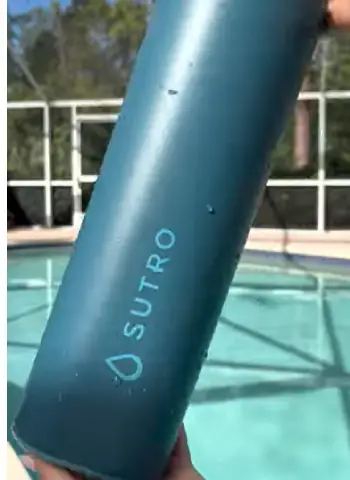
- Installation style sets them apart right away: Sutro floats freely in your pool water, which means it samples directly from the surface but stays out there like a big plastic buoy you have to look at every day.
WaterGuru hides inside the skimmer where it quietly does its job without cluttering the view or getting in the way of swimmers or cleaners.
- What each one actually tests makes a huge impact on daily decisions: Sutro sticks to pH, free chlorine, alkalinity, and temperature with solid accuracy from its liquid reagents.
WaterGuru’s S2 model goes further by also tracking cyanuric acid, calcium hardness, and even pump flow, giving you a fuller picture without extra manual tests on busy weekends.
- How often they check the water changes everything for busy owners: You get multiple readings per day with Sutro, which feels reassuring when the weather swings or the kids have friends over splashing around.
WaterGuru gives you one solid daily snapshot plus the option to test on demand, which has proven plenty reliable for me once I got used to the rhythm.
- Connectivity and setup requirements feel worlds different: Sutro needs its own hub plugged in somewhere near the pool equipment, adding another gadget and potential WiFi headache.
WaterGuru connects straight to your home network with no extra hardware, which saved me setup frustration from the start.
- Long-term ownership costs and support hit differently over time: Sutro came with ongoing cartridge shipments and a higher price tag overall, but now that the company has shut down operations you face real risks with app support ending.
WaterGuru keeps things simpler with just cassette purchases as needed and stays fully backed by an active team.
- Visibility and pool aesthetics matter more than you think: That big Sutro floater can look out of place in a nice backyard setup, especially if you entertain a lot.
WaterGuru stays tucked away, so your pool looks clean and natural while still delivering the data you need through the app.
Key Features Of Sutro
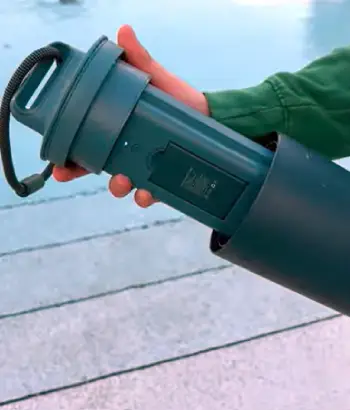
- Multiple daily readings keep you ahead of problems: The system pulls samples several times throughout the day and pushes accurate pH, free chlorine, and alkalinity numbers straight to your phone, so I could spot a rising pH trend before it turned into cloudy water or irritated eyes.
- Liquid reagent testing delivers precise results: Instead of guessing with strips, Sutro uses actual lab-style liquid reagents that many reviewers and I found matched manual test kits closely, which built real trust when adjusting chemicals after heavy rain or heat waves.
- Smart app recommendations tailor advice to your chemicals: Once it knows what you stock at home, the app suggests exact amounts of what to add and when, which cut down my trips to the store and helped me avoid over-treating the water.
- Built-in temperature tracking adds practical value: Knowing exact water temp alongside chemistry helped me plan swim time better and understand how warmer days affected chlorine demand without extra steps.
- Rechargeable batteries and easy floating design simplify daily life: You drop it in, charge the batteries when needed, and it just works, giving that set-it-and-forget-it feel many pool owners crave until other issues pop up.
Pros Of Sutro
- Frequent measurements give you confidence during peak season: When the pool gets heavy use in July and August, those extra readings throughout the day caught small shifts fast and let me tweak things before problems snowballed.
- Reagent accuracy feels like having a mini lab in the water: The liquid tests lined up closely with what I got from my trusted drop kit, so I trusted the data enough to skip manual checks on most days.
- App-driven chemical suggestions save time and reduce waste: It factored in my specific products and pool size, which meant fewer overcorrections and lower overall chemical spending compared to my old guess-and-test routine.
- Temperature data integrated smoothly with chemistry readings: Seeing how heat affected chlorine demand helped me stay proactive instead of reactive all summer long.
Cons Of Sutro
- High upfront price plus ongoing cartridges add up fast: At nearly five hundred dollars plus regular shipments, it felt like a premium commitment even before any reliability hiccups showed up.
- Large visible floater can clash with pool aesthetics: Guests noticed it right away and some asked what the big white thing was doing in the water, which took away from the clean look I worked hard to maintain.
- Hub requirement creates another potential failure point: If WiFi or the hub glitched, readings stopped until I troubleshot, and that happened more than I liked during stormy weather.
- Company shutdown leaves current owners in a tough spot: With operations ceased and app support ending, anyone still using it faces a very expensive paperweight sooner rather than later, which changes the whole value equation.
Key Features Of Waterguru
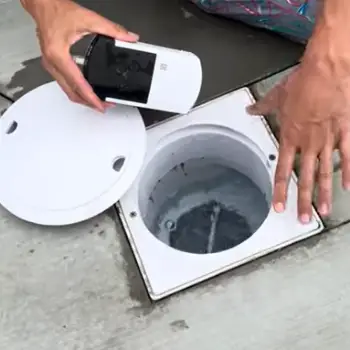
- Skimmer-based design stays out of sight and out of mind: It lives right where your pump pulls water anyway, so you never see it floating around or bumping into toys, yet it still samples the circulating water effectively for consistent data.
- Expanded parameter testing in the S2 model gives deeper insight: With the right cassette you track five key levels plus flow and temperature, which let me catch low calcium hardness early and avoid scaling on my heater or tiles without pulling out extra test kits.
- Daily automated tests plus on-demand option fit real schedules: One reliable reading every day plus the ability to trigger a fresh test when guests arrive or after adding shock keeps you informed without constant monitoring.
- Direct WiFi connection eliminates extra hardware: No hub to place or maintain means quicker setup and fewer points of failure, which mattered a lot when I wanted something simple after dealing with other smart gadgets.
- Cassette system with snap-in pads makes replacement straightforward: Pop out the old one, snap in the new, and the app walks you through resetting supply levels so you never guess when it’s time for a fresh supply.
- Pump flow monitoring adds a layer of equipment protection: It tells you if circulation is strong or if something might be clogging the system, which has saved me from bigger repair bills more than once.
Pros Of Waterguru
- Lower total cost makes it accessible for more pool owners: Cheaper to buy and only occasional cassette purchases mean you get smart monitoring without the premium price tag or locked-in monthly fees.
- Hidden skimmer placement keeps the pool looking pristine: No floating gadget means the water surface stays clean and inviting, which matters when you host backyard parties or just want that resort feel at home.
- Broader testing parameters in S2 cover more chemistry bases: Tracking cyanuric acid and calcium hardness daily helps prevent long-term issues like scaling or weak sanitizer protection that I used to catch too late with manual testing.
- No hub needed simplifies setup and reduces headaches: Straight WiFi connection worked reliably for me after a quick initial pairing, and I never had to worry about an extra device losing power or signal.
- Active company support means ongoing improvements and help: Unlike the other option, WaterGuru keeps updating the app and standing behind the product, which gives peace of mind for years of use.
Cons Of Waterguru
- Daily testing frequency means slightly less real-time data: You get one solid check per day instead of multiple, so big changes from a sudden storm or heavy bather load might show up a bit later than with more frequent systems.
- Cassette replacements still cost money over time: While cheaper than some subscriptions, you do need to buy new ones every month or two depending on the model you choose, and forgetting can leave you without fresh data.
- Skimmer fit can require adapters or tweaks on some pools: Older or unusually sized skimmers sometimes need extra parts or adjustments, and low water levels occasionally affected performance until I raised things a little.
- On-demand tests take longer than instant results: When I wanted a quick check it sometimes waited a few minutes to process, which felt minor but noticeable compared to faster manual strips in a pinch.
How These Monitors Simplify Pool Care In Real Life?
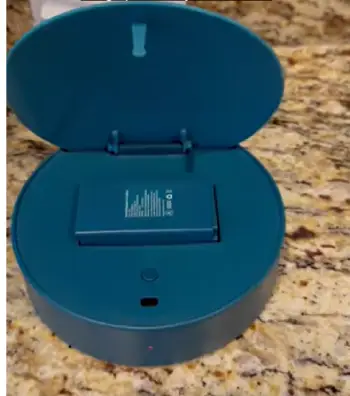
I remember the first summer I used a smart monitor and realized I hadn’t touched a test strip in weeks.
Both systems promise to take the guesswork out of pool chemistry, but they deliver that freedom in different ways.
With Sutro I could glance at the app while sipping coffee and see trends building across the day.
WaterGuru gave me a clear morning summary that let me plan my chemical additions before work and still feel confident heading out for the day.
The real win for me came during vacation season. Instead of asking neighbors to check the pool or stressing about green water when I returned, the app alerts kept me informed no matter where I was.
That alone justified the investment for a busy family like mine.
Pool chemistry affects everything from swimmer comfort to equipment lifespan. High pH can make chlorine less effective and leave skin feeling itchy.
Low alkalinity causes wild swings that eat up your time and money. Both monitors flag these issues early, but WaterGuru’s extra parameters helped me stay ahead of stabilizer levels that protect chlorine from burning off in the sun.
I also noticed fewer cloudy days and less scaling on my tiles once I started trusting the data and making small consistent adjustments instead of big reactive dumps of chemicals.
Cost Breakdown Over Multiple Seasons
Let’s talk numbers because that is where many owners feel the pinch. Sutro starts higher and the cartridge plan adds up to hundreds extra each year, especially if you run it full season.
After the company shutdown those ongoing costs became pointless since support vanished. WaterGuru costs less to start and the cassettes run roughly twenty to thirty dollars every month or two depending on how many parameters you track.
Over three years I calculated that WaterGuru saved me a noticeable chunk compared to Sutro’s full pricing, even before factoring in the risk of the device becoming obsolete.
Factor in fewer manual test kits and less wasted chemicals from over-treating, and the smarter monitor pays for itself faster than you might expect.
For a typical residential pool, the savings on time and frustration matter just as much as the dollar figure on paper.
Who Should Choose Which System
If you want maximum readings throughout the day and do not mind a visible device plus higher costs, Sutro once felt like the premium choice for hands-off owners.
Today that picture has changed completely with the company’s exit from the market.
WaterGuru fits most people better: those with standard skimmers, families who want discreet tech, or anyone watching the bottom line while still gaining smart insights.
Saltwater pool owners benefit equally from either, but the extra calcium and stabilizer data from WaterGuru S2 gives a clear edge for equipment protection.
Above-ground pool users might need to check skimmer compatibility first, but the flexibility wins out for most setups I have seen.
Frequently Asked Questions (FAQ)
WaterGuru sits discreetly in the skimmer and tracks more parameters with daily tests using cassettes, while Sutro floats visibly and checks fewer levels multiple times a day with liquid reagents but requires a hub.
Yes, it delivers consistent daily readings that match manual tests closely enough for reliable pool management and has helped many owners maintain clear water with less effort.
Yes, Sutro Inc. ceased operations in late 2025, and app functionality ends after October 31, 2025, making the device unusable long term.
A C5 cassette for five parameters lasts about four weeks with daily tests, while a C2 cassette for basic testing lasts around eight weeks.
Wrapping Up
After testing and comparing these two smart pool monitors side by side, I can tell you that WaterGuru stands out as the stronger choice for most of us who just want reliable data without extra complications or future headaches.
You will appreciate how it keeps your pool chemistry on track while staying hidden and affordable over the years.
I recommend you look at your own skimmer setup, budget, and how often you want updates before pulling the trigger, but either way these tools beat manual testing by a mile.
What matters most is picking the one that fits your routine so you can actually enjoy the water instead of babysitting it.
I hope my experience helps you skip the trial-and-error phase and get straight to relaxed pool days.
Recent Posts
● Interactive 5-Zone Interior & Exterior Paint Blueprint Paint Coverage Calculator: Gallons, Primer, Square Footage & Cost Tap any architectural surface zone on the blueprint...
If you want smooth, shiny hair without spending a fortune on a premium styling tool, the Ella Bella hair dryer may be worth considering.In these Ella Bella hair dryer reviews, I’ll look...