
Swash laundry detergent is worth considering if you want a convenient, concentrated formula that cleans everyday clothes without requiring large amounts of detergent.
I like its simple dispensing system, compact packaging, and focus on reducing detergent waste. If you’re tired of bulky bottles and measuring cups, Swash could be a practical upgrade.
However, before buying, you should understand its cleaning performance, fragrance options, limitations, and overall value.
My First Experience With Swash Laundry Detergent

When I evaluate a laundry detergent, I look beyond its cleaning claims. I want something that handles everyday stains, removes unpleasant odors, protects fabric quality, and makes laundry day easier.
Swash laundry detergent caught my attention because it takes a different approach to detergent concentration and dispensing.
One of the first things I noticed about the Swash concept is its emphasis on simplicity. Traditional detergents often encourage people to pour more product than necessary.
This can leave detergent residue on clothing, increase laundry expenses, and create unnecessary waste. Swash addresses this problem through a concentrated formula and a dispensing system designed to release an appropriate amount of detergent.
I appreciate this approach because I don’t want to spend extra time measuring liquid detergent before every wash. A convenient dispensing process makes laundry less complicated, particularly when I have several loads waiting.
Cleaning performance is another important consideration. For regular laundry, I expect a detergent to remove sweat, body oils, light food stains, and everyday dirt. Swash is positioned as an everyday laundry solution, making it relevant for households that regularly wash casual clothing, towels, bedding, and other washable fabrics.
However, I wouldn’t automatically assume that a concentrated detergent performs better than every traditional alternative. Stubborn grease, dried food, grass stains, and heavily soiled workwear may require pretreatment regardless of the detergent you choose.
I also consider the fragrance experience. Some people prefer freshly scented clothing, while others want a detergent that leaves minimal fragrance behind. Your preference matters because a pleasant scent can make freshly washed laundry feel more satisfying, but excessive fragrance can become irritating for sensitive users.
Overall, my impression of Swash is that its strongest selling point is convenience combined with concentrated detergent technology. It is particularly interesting if you want to simplify your laundry routine, control detergent usage, and reduce the storage space needed for bulky detergent bottles.
Also Read: Is 7th Generation Laundry Detergent Worth It?
Pros Of Swash Laundry Detergent
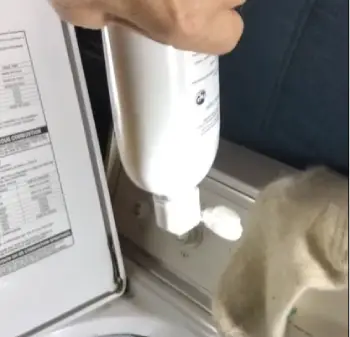
- Concentrated Formula Reduces Detergent Usage
One of the biggest advantages of Swash is its concentrated detergent approach.
With conventional liquid detergents, it’s easy to pour more product than necessary. Sometimes, people believe adding extra detergent will make clothes cleaner. Unfortunately, that isn’t always true.
Excess detergent can create unnecessary suds and leave residue on clothing or inside the washing machine.
A concentrated formula encourages more controlled detergent usage. I appreciate this because it makes laundry routines more consistent.
You also don’t need to store as much detergent as you might with larger traditional bottles.
For households that wash clothes frequently, using the recommended amount can help manage detergent consumption over time.
- Convenient Detergent Dispensing
Convenience is another major advantage.
Measuring detergent isn’t particularly difficult, but it becomes repetitive when you wash multiple loads every week.
Swash’s dispensing approach is designed to simplify this process. Depending on the compatible system and setup, it can help reduce the guesswork associated with detergent measurement.
I find this particularly useful for busy households where different family members handle laundry.
When everyone follows the same dispensing instructions, there’s less opportunity for accidental overuse.
- Helps Prevent Detergent Overuse
Many people assume that more detergent means cleaner clothes.
In reality, using excessive detergent can create problems, including residue, extra rinsing requirements, and buildup inside the washer.
Swash’s controlled dispensing concept addresses this common issue.
I like the idea of using an appropriate amount instead of relying on guesswork.
This can also make detergent consumption more predictable, helping you understand how long your supply might last.
- Space-Saving Packaging
Large detergent containers can be inconvenient to store.
If your laundry area is already crowded with fabric softeners, stain removers, cleaning supplies, and laundry baskets, bulky bottles can become frustrating.
Concentrated detergent can help reduce storage requirements.
I consider this a meaningful benefit for smaller households, apartments, and laundry spaces with limited shelving.
It also makes organizing laundry products easier.
- Suitable for Everyday Laundry
A good household detergent should handle regular clothing without requiring complicated washing routines.
Swash is intended for everyday laundry needs, making it worth considering for casual clothes, shirts, trousers, and other washable fabrics.
For lightly and moderately soiled clothing, choosing the correct detergent amount and washing cycle is essential.
I would still treat particularly stubborn stains separately.
Cons Of Swash Laundry Detergent
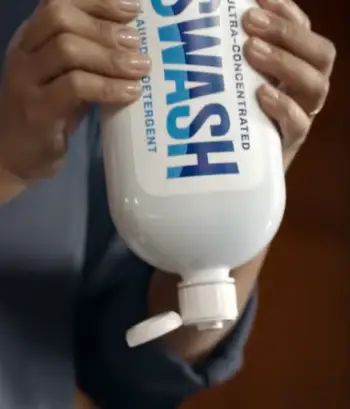
- Initial Cost May Feel Higher
One potential disadvantage is the upfront cost.
Concentrated detergents and specialized dispensing systems can sometimes feel more expensive than conventional laundry products.
If you’re comparing prices, don’t look only at the bottle price.
Instead, consider the number of loads each package supports and the cost per wash.
I always recommend comparing the actual cost of using a detergent rather than assuming the cheapest bottle offers the best value.
- Compatibility Can Be Important
Swash’s dispensing features are particularly relevant when used with compatible washing machines and systems.
If you’re purchasing it specifically for a smart dispensing feature, check your washer’s compatibility before spending money.
You don’t want to purchase a product expecting a particular convenience and then discover that your washing machine cannot support the intended setup.
- Tough Stains May Need Extra Treatment
Everyday laundry detergents have limitations.
Dried coffee, cooking oil, grass, makeup, and heavily soiled clothing may require pretreatment.
I wouldn’t expect Swash to remove every stubborn stain in a single wash.
For difficult stains, use an appropriate fabric-safe stain remover and follow the garment’s care instructions.
- Fragrance Preferences Differ
Fragrance is subjective.
A scent that smells refreshing to one person might feel too strong to someone else.
If you’re sensitive to fragrance, carefully check the available formulation and ingredient information before buying.
You should never assume that a pleasant-smelling detergent is suitable for everyone.
- Availability May Vary
Another consideration is availability.
Depending on your location, Swash may not be as easy to find as established detergent brands.
This can make purchasing replacement supplies less convenient.
I would check local retailers and online availability before making it your household’s primary detergent.
- Not Every Household Needs Its Specialized Features
If you already use a detergent that cleans effectively and doesn’t create measuring problems, switching to Swash might not produce a dramatic improvement.
Its strongest appeal is convenience and controlled detergent use.
If those features aren’t important to you, a regular detergent may offer better value.
Also Read: Is 9 Elements Laundry Detergent Worth It?
Maintenance For Swash Laundry Detergent
- Follow the Recommended Detergent Amount
This is probably the most important habit.
Using too much detergent doesn’t necessarily improve cleaning performance.
Instead, excessive detergent can contribute to residue, additional suds, and buildup.
I recommend following the manufacturer’s recommended dispensing instructions.
If your washing machine has a compatible automatic dispensing feature, make sure its settings are configured correctly.
Avoid adding extra detergent simply because a load looks particularly dirty.
- Clean Your Washing Machine Regularly
Even when you use a concentrated detergent, your washing machine needs regular cleaning.
Detergent residue, moisture, and dirt can accumulate around the dispenser, drum, door seal, and other components.
I recommend checking your washer’s cleaning instructions and running its designated cleaning cycle when needed.
For front-loading washers, inspect the rubber door gasket because moisture and residue can collect in its folds.
Keep the door open after washing when appropriate to allow the interior to dry.
- Maintain the Detergent Dispenser
If you’re using a compatible Swash dispensing system, pay attention to its maintenance requirements.
Inspect the dispenser for residue or buildup.
Follow the washing machine manufacturer’s instructions when cleaning detergent compartments or dispensing components.
Don’t use sharp objects to remove hardened detergent because they could damage the dispenser.
Regular inspection can help prevent dispensing problems and keep your laundry routine running smoothly.
- Store Detergent Properly
Proper storage helps maintain detergent quality.
I recommend keeping Swash in a cool, dry location away from direct sunlight and excessive heat.
Always secure the container after use.
Keep detergent away from children and pets, and follow the safety instructions on the packaging.
Avoid transferring detergent into an unlabeled container because this can create confusion and safety risks.
- Pretreat Difficult Stains
If you want better results from your laundry routine, don’t wait until stains become permanent.
I recommend treating difficult stains before washing.
For example, food stains, oily marks, and grass stains may respond better when treated with an appropriate stain remover.
Check the garment’s care label before applying cleaning products.
Avoid rubbing delicate fabrics aggressively because this can damage fibers.
- Separate Clothes According to Fabric and Color
Sorting laundry might feel repetitive, but it can make a noticeable difference.
I recommend separating whites, dark colors, and bright garments when necessary.
You should also consider fabric weight and washing requirements.
For example, delicate clothing shouldn’t automatically be washed alongside heavy towels or denim.
This helps reduce friction, color transfer, and unnecessary fabric wear.
- Choose the Correct Washing Temperature
Hot water isn’t necessary for every laundry load.
Many everyday garments can be washed effectively using cold or warm water, depending on their fabric and care instructions.
Cold washing can also help reduce energy consumption.
For heavily soiled items, the appropriate water temperature depends on the stain, detergent instructions, and garment material.
Always check clothing labels before selecting a washing temperature.
Comparison Of Swash Laundry Detergent With Other Brands

- Swash vs. Tide
Tide is one of the most recognizable names in the laundry detergent market.
Its product range includes liquid detergents, powders, pods, and specialized stain-removal options.
Compared with Tide, Swash places greater emphasis on concentrated detergent and convenient dispensing.
I would consider Tide if my main priority were having multiple detergent formulations and widely available cleaning options.
Swash makes more sense if I value a streamlined dispensing experience and want to reduce the guesswork involved in measuring detergent.
For heavily soiled clothing, I would compare the specific formulas rather than assuming one brand always cleans better.
- Swash vs. Persil
Persil is known for its stain-removal-focused detergent formulations.
I would consider Persil when dealing with regular laundry that includes noticeable stains, body oils, and everyday dirt.
Swash appeals more to people who prioritize detergent convenience and controlled usage.
The difference isn’t simply about which bottle contains more detergent. Formula strength, washing conditions, and stain type all influence the results.
If stain removal is your biggest concern, compare the specific Persil and Swash formulations available to you.
- Swash vs. Arm & Hammer
Arm & Hammer offers a variety of laundry detergents, including products designed to address odors and everyday cleaning needs.
I would consider Arm & Hammer if household value and odor-focused cleaning are major priorities.
Swash stands out for its concentrated approach and dispensing convenience.
If you regularly wash workout clothes, towels, or clothing with noticeable odors, compare the specific product formulations and their odor-removal claims.
For ordinary laundry, both brands may be worth considering depending on price and personal preference.
- Swash vs. Gain
Gain is particularly recognizable for its fragrance-focused laundry products.
If you enjoy clothes that retain a noticeable fresh scent after washing, Gain may be an appealing option.
Swash focuses more on detergent concentration and convenient usage.
I would choose based on what matters most to me: fragrance experience or dispensing convenience.
However, if you have fragrance sensitivities, carefully review the ingredient information and available product formulations before choosing either brand.
- Swash vs. Seventh Generation
Seventh Generation offers laundry detergents with an emphasis on ingredient transparency and environmentally conscious product positioning.
Its product range may appeal to shoppers who prioritize particular ingredient standards and packaging considerations.
Swash, meanwhile, emphasizes concentrated detergent and convenient dispensing.
If environmental impact is your main consideration, I would compare ingredient disclosures, packaging materials, product concentration, and cleaning performance rather than relying on brand positioning alone.
Neither brand should automatically be considered the better environmental choice without examining the specific product.
Also Read: Is Mrs. Meyer’s Laundry Detergent Worth It?
Frequently Asked Questions (FAQ)
Swash laundry detergent is made by Whirlpool Corporation.
Availability may vary, but you can check major retailers, appliance stores, and online shopping platforms.
There isn’t one universally accepted number-one detergent. Ratings vary by testing criteria, cleaning needs, and consumer preferences.
The best detergent depends on your needs, while the worst is generally one that fails to clean effectively or doesn’t suit your fabrics and preferences.
Final Verdict
I consider Swash laundry detergent a worthwhile option if you want concentrated cleaning, convenient dispensing, and a simpler laundry routine. Its biggest advantages are ease of use and controlled detergent consumption.
However, compare its cost per load, formula, and washing machine compatibility before buying. If those features match your needs, Swash deserves a place on your shopping list.
Recent Posts
If you're looking for impact windows that can protect your home from hurricanes, flying debris, heavy rain, and unwanted outside noise, Caner Impact Windows may be worth considering. I...
Samuel Mueller Shower Wall Reviews: Is This Shower Wall System Worth Buying?
When researching Samuel Mueller shower wall reviews, I found that this brand deserves careful consideration before you spend money on a bathroom renovation.Although its shower wall systems may...