
The Taurus D330 25-2000 MHz High-Gain Double Discone Antenna looks attractive on paper because of its broad frequency coverage and advertised gain.
However, I would be cautious about recommending it. Limited verified customer feedback, concerns about buyer satisfaction, and insufficient independent performance testing make it difficult to justify the purchase.
In this review, I’ll examine its specifications, potential advantages, drawbacks, maintenance requirements, and alternatives to help you make a smarter buying decision.
My First Experience And First Impressions Of The Taurus D330 Antenna
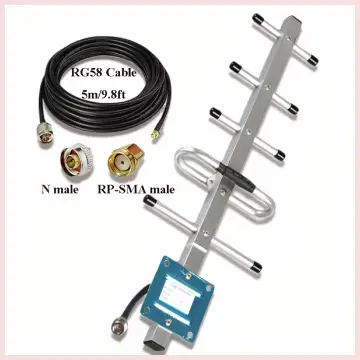
When I evaluate an antenna, I don’t look at its advertised frequency range alone.
I want to know whether it offers dependable reception, consistent performance, practical installation, and good long-term value.
These factors matter because an antenna is only useful when it performs reliably with the radio equipment it’s connected to.
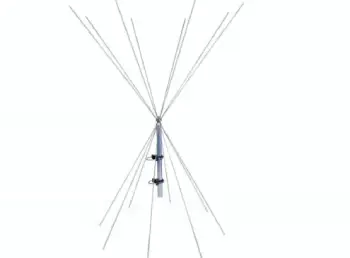
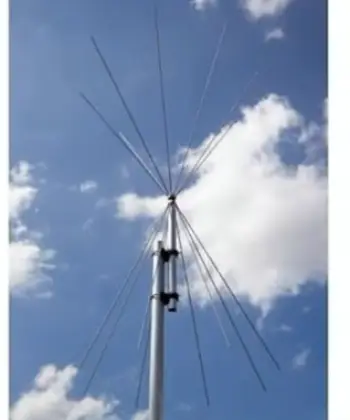
The Taurus D330 is marketed as a high-gain double discone antenna designed for broad frequency reception.
Its advertised receiving range is 25 MHz to 2000 MHz, which covers a considerable portion of the radio spectrum.
This makes it appear suitable for scanning enthusiasts, radio hobbyists, and people who monitor different communication bands.
At first glance, the specifications seem promising. The antenna measures approximately 150 cm (4.9 feet) and uses an N-type connector.
Its manufacturer or seller listing also advertises 5.5 dBi of gain over a standard discone antenna. However, I wouldn’t automatically interpret these specifications as proof of superior real-world reception.
One thing I pay particular attention to is the difference between receiving and transmitting capabilities.
The Taurus D330 is advertised for receiving frequencies between 25 and 2000 MHz, but its stated transmitting ranges are much narrower: 130–175 MHz and 410–475 MHz. This distinction is important.
Someone looking for a general-purpose transmitting antenna shouldn’t assume that the broad receiving range means the antenna can transmit efficiently across the entire spectrum.
Another concern is the limited availability of meaningful customer feedback. When I assess an electronic product, I prefer to see detailed reviews describing installation experiences, signal improvements, weather resistance, and performance after several months. Unfortunately, the available product listings provide very little substantial buyer feedback.
I also wouldn’t rely on promotional descriptions that promise exceptional performance without independent measurements. Antenna performance depends on several factors, including installation height, cable quality, nearby obstructions, grounding, frequency selection, and the surrounding radio environment.
For example, someone installing an antenna in an open area may experience considerably different results from someone placing it between buildings. Even a technically capable antenna can disappoint when the installation isn’t suitable.
The physical design is another consideration. A double discone antenna has a different structure from conventional mobile whip antennas or directional Yagi antennas. It is generally intended to provide broad frequency coverage rather than concentrate reception in one particular direction.
That design can be useful, but it doesn’t automatically make the Taurus D330 the right choice for every radio enthusiast.
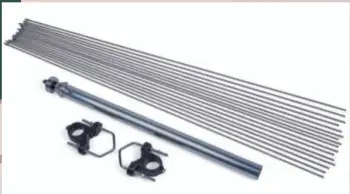
I would also consider the total installation expense. The antenna itself isn’t the only purchase you may need to make. A suitable mast, coaxial cable, mounting hardware, grounding equipment, and compatible connectors can increase the overall investment.
My first impression is therefore mixed. The Taurus D330 has specifications that deserve consideration, but the limited independent evidence and reported buyer concerns make me hesitant to recommend spending money on it without additional verification.
For someone who values dependable communication equipment, I would rather compare it with established antenna alternatives before making a final purchasing decision.
Pros Of The Taurus D330 Antenna
- Broad Receiving Frequency Range
The biggest potential advantage is its advertised 25–2000 MHz receiving coverage.
For radio enthusiasts who monitor multiple frequency bands, having one antenna designed for broad reception can be convenient.
Instead of purchasing several antennas for different receiving applications, you may be able to use one appropriately installed wideband antenna.
This can simplify an installation, particularly when space is limited.
However, broad coverage shouldn’t be confused with consistently excellent reception. I would still test performance on the frequencies that matter most to me.
- Double Discone Construction
The double discone configuration is another interesting feature.
This design aims to provide broad frequency coverage and is different from conventional directional antennas.
For scanning enthusiasts, an antenna that doesn’t require constant physical repositioning toward different signal sources can be useful.
If you’re monitoring several services from different directions, an omnidirectional-style receiving solution may be more practical than a directional antenna.
Still, the actual radiation and reception pattern should be verified rather than assumed from the product category.
- Relatively Manageable Physical Size
The advertised length is approximately 4.9 feet.
Compared with some larger outdoor antenna systems, this may make the D330 easier to accommodate on an appropriate mast.
You still need sufficient clearance and a secure mounting arrangement, but its dimensions don’t appear especially demanding for a typical outdoor antenna installation.
- N-Type Connector
The Taurus D330 uses an N-type connector.
I consider this a useful feature because N-type connectors are commonly used in radio-frequency applications.
When properly installed, suitable N-type connections can provide reliable electrical contact and mechanical stability.
However, connector compatibility matters. You should confirm the cable termination before ordering additional accessories.
- Potential Multi-Purpose Receiving Applications
The broad receiving specification makes the antenna potentially interesting for radio scanning and general signal monitoring.
A person interested in monitoring different VHF and UHF services may appreciate having a single antenna intended for multiple frequency ranges.
Nevertheless, I would verify compatibility with the specific receiver and local frequencies before considering this an actual purchasing advantage.
Cons Of The Taurus D330 Antenna
- Limited Verified Customer Feedback
One of my biggest concerns is the lack of substantial verified customer reviews.
Some retail listings display no product ratings or written reviews. That makes it difficult to establish whether the antenna consistently performs as advertised.
I don’t consider the absence of reviews proof that a product is defective. However, it does mean buyers have less independent information available when making a purchasing decision.
Where buyers have encountered negative experiences, I would pay particular attention to repeated complaints rather than isolated comments.
- Uncertain Real-World Reception Performance
A wide frequency range looks impressive, but it doesn’t guarantee strong reception across all supported frequencies.
I would want to see independent testing that measures:
- Reception sensitivity across different bands.
- Actual antenna gain at representative frequencies.
- SWR across the advertised transmitting ranges.
- Performance compared with established discone antennas.
- Signal consistency under different installation conditions.
Without this information, I wouldn’t confidently describe the Taurus D330 as a high-performance antenna.
- Limited Transmitting Frequency Coverage
The receiving range extends from 25 MHz to 2000 MHz, but the advertised transmitting ranges are much narrower.
This is an important limitation for anyone who expects one antenna to support multiple transmitting applications.
If you need an antenna for amateur radio, emergency communications, or other transmitting activities, check your exact operating frequencies before purchasing.
Never assume that receiving capability automatically means safe or efficient transmission.
- Uncertain Long-Term Durability
Outdoor antennas experience considerable environmental stress.
Rain, sunlight, wind, temperature changes, and corrosion can affect their physical condition over time.
I would prefer stronger evidence of long-term durability before recommending the D330 as a permanent outdoor installation.
The available product descriptions aren’t enough to establish how well it withstands years of demanding weather.
- Installation Costs Can Add Up
The purchase price isn’t necessarily the final cost.
You may also need a suitable mast, mounting brackets, coaxial cable, connectors, grounding components, and lightning protection.
Professional installation may be appropriate depending on the mounting location and height.
If the antenna doesn’t deliver the expected performance, these additional expenses make the purchase even less attractive.
- Insufficient Evidence for Its Advertised Gain
The advertised 5.5 dBi gain sounds appealing, but I wouldn’t accept it without understanding how and where it was measured.
Antenna gain changes with frequency and direction.
A single gain figure doesn’t explain how the antenna performs across its entire receiving range.
For me, independently measured performance is more valuable than an impressive number in a product description.
Maintenance For The Taurus D330 Antenna
- Inspect the Antenna Regularly
I would begin with a visual inspection every few months.
Look for bent elements, loose hardware, corrosion, damaged mounting brackets, and signs of physical deterioration.
Strong winds can gradually loosen mounting components, especially when an antenna is installed on an exposed rooftop.
Pay attention to the connection between the antenna and its mounting structure.
If you notice unusual movement, investigate the problem before it becomes a safety concern.
Never climb onto a roof or unstable structure without appropriate safety equipment.
- Keep the N-Type Connector Clean
The connector is an important part of the antenna system.
Even a well-designed antenna can experience poor performance when its connection becomes loose, contaminated, or corroded.
I would periodically inspect the N-type connector for moisture, dirt, and visible damage.
Use appropriate RF connector cleaning products when necessary. Avoid excessive force or abrasive materials that could damage the contact surfaces.
Make sure connections are properly tightened according to the connector manufacturer’s recommendations.
- Protect the Coaxial Cable
Cable condition can have a significant impact on radio performance.
A damaged cable may introduce additional signal loss, particularly at higher frequencies.
I would inspect the entire cable route for:
- Cracked or deteriorating insulation.
- Sharp bends and kinks.
- Damaged connector ends.
- Water entering through exposed connections.
- Areas where the cable rubs against metal surfaces.
Use outdoor-rated coaxial cable and suitable weatherproofing materials.
Also, avoid running the cable through locations where it may be crushed or exposed to unnecessary mechanical stress.
- Check the Mounting Hardware
A stable mounting system is essential for an outdoor antenna.
The Taurus D330’s advertised length is approximately 150 cm, so the mounting arrangement should be strong enough to handle wind loading and movement.
I would inspect the mast, brackets, clamps, and fasteners periodically.
Replace corroded or damaged hardware rather than trying to extend its useful life through temporary repairs.
Make sure the mounting structure is appropriate for the antenna’s weight and exposure conditions.
- Check SWR Before Transmitting
This is particularly important if you’re using the antenna for transmission.
A receiving antenna’s broad frequency range doesn’t establish that it is suitable for transmitting across that range.
I would use an appropriate antenna analyzer or SWR meter to check the supported transmitting frequencies.
A high SWR reading can indicate an impedance mismatch or installation problem.
Don’t transmit until the antenna system has been checked and confirmed suitable for your equipment and operating frequency.
- Keep Installation Records
I find it useful to maintain a basic record of antenna installation and maintenance.
Write down the installation date, cable type, connector details, mounting arrangement, and any performance measurements.
This makes it easier to identify changes over time.
It also helps when troubleshooting reception problems or comparing the antenna with another model.
Comparison Of Taurus D330 Antenna With Other Brands
- Taurus D330 vs. Diamond Antennas
Example alternative: Diamond D130J discone antenna
Diamond Antenna is a familiar name among radio enthusiasts.
Its D130J discone antenna is a popular alternative for people interested in broad-spectrum scanning and monitoring.
When comparing these products, I would focus on documented frequency performance, construction quality, connector compatibility, and independent user experiences.
The Taurus D330 advertises a wider upper receiving limit of 2000 MHz, but that specification alone doesn’t prove it will outperform a Diamond antenna.
I would lean toward a Diamond model when dependable product documentation and a stronger history of enthusiast feedback are priorities.
- Taurus D330 vs. Comet Antennas
Example alternative: Comet DS150S
Comet Antenna is another manufacturer worth considering.
Its antenna range includes products designed for amateur radio and scanner applications.
What interests me about Comet is the opportunity to choose a model based on a specific operating requirement rather than relying on one broad specification.
If I wanted a dependable scanner antenna, I would compare the manufacturer’s frequency specifications and installation requirements with those of the Taurus D330.
I wouldn’t automatically choose either brand based on marketing claims. I would prioritize measurable performance and suitable documentation.
- Taurus D330 vs. Sirio Antennas
Example alternative: Sirio SD-2000N
Sirio offers several antenna products for different radio applications.
Its discone-style models provide another comparison point for buyers who want broad receiving coverage.
I would compare the construction materials, frequency specifications, mounting arrangements, and connector requirements before choosing.
For me, a clearly documented antenna from an established manufacturer is preferable to purchasing a product simply because its advertised gain figure looks impressive.
- Taurus D330 vs. Tram Antennas
Alternative brand: Tram radio antennas
Tram is another name worth investigating.
Tram offers antenna products intended for radio communication and scanning applications.
The best comparison depends on the exact model because Tram has different antenna designs for different frequency ranges.
I would look for an alternative with clearly documented specifications, compatible connectors, suitable mounting hardware, and accessible replacement parts.
If the Taurus D330’s uncertain customer feedback makes you uncomfortable, comparing Tram products is a reasonable next step.
Frequently Asked Questions (FAQ)
There isn’t one best antenna brand for every application. Diamond, Comet, Sirio, and Tram are worth considering. Your ideal choice depends on frequency requirements, antenna type, installation conditions, and independently verified performance.
Does a longer radio antenna get better reception?
Not necessarily. Antenna length should match the operating frequency and design. A longer antenna may improve performance in certain applications, but an incorrectly sized antenna can perform worse than a properly designed shorter one.
There isn’t one antenna with the highest gain for every application. Directional antennas, particularly large Yagi and parabolic designs, can provide substantial gain when properly designed and aimed. The best option depends on frequency, direction, and intended use.
Some people use tennis balls as protective covers or visual markers, particularly to make tall antennas more noticeable. However, a tennis ball doesn’t improve antenna reception or increase transmission range. It can also add unnecessary wind resistance.
Final Verdict
I wouldn’t recommend the Taurus D330 as my first choice. Although its advertised 25–2000 MHz receiving range, double discone design, and N-type connector look appealing, the limited verified customer feedback and insufficient independent performance testing make its overall value difficult to establish.
If you’re investing in radio equipment, I would rather choose a well-documented Diamond, Comet, or Sirio alternative with clearer performance information and dependable support.
Recent Posts
Jergens Sunless Tanner Reviews: Is It Worth Buying For A Natural Glow?
If you want a sun-kissed glow without spending hours under the sun, Jergens Sunless Tanner is worth considering.I like its range of affordable self-tanning products, gradual color options, and...
Nello Super Focus Reviews: Does This Focus Drink Really Work?
When I look for a convenient way to improve focus, mental clarity, and everyday productivity, I want something that fits naturally into my routine without relying on excessive...