
If sudden leg cramps interrupt your sleep, exercise, or daily routine, Theraworx Muscle Cramps Foam may be worth considering.
I like the idea of having a convenient, topical product available when muscle discomfort strikes, especially when stretching alone does not provide enough relief.
In this Theraworx muscle cramps review, I’ll examine its potential benefits, ingredients, limitations, application tips, and alternatives.
If you want a targeted option for managing occasional muscle cramps, Theraworx may be worth buying, provided you understand what it can—and cannot—do.
My Personal Experience With Theraworx Muscle Cramps Foam
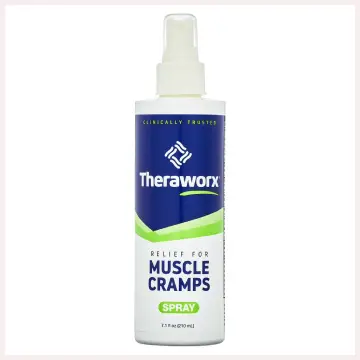
When I look at a product designed to relieve muscle cramps, I want three things: convenience, a straightforward application process, and realistic expectations about how quickly it might help.
Theraworx Muscle Cramps Foam is designed around these priorities. Rather than swallowing a tablet or preparing a complicated treatment, you apply the foam directly to the affected area.
One of the most appealing aspects of this product is its topical format. Imagine waking up in the middle of the night with a painful calf cramp.
You want something simple that fits into your routine without requiring much preparation. A foam that you can apply directly to your leg sounds practical in that situation.
I also appreciate that Theraworx is marketed specifically for muscle cramp relief rather than as a general-purpose lotion. That gives the product a clear purpose and makes it easier to decide whether it fits your needs.
However, I would separate the convenience of using the foam from the question of whether it actually works.
A product can be easy to apply without necessarily delivering reliable relief for every person. Individual responses vary, and the evidence supporting a particular topical formula matters more than its packaging or marketing claims.
Theraworx products are commonly associated with a magnesium-based topical formula. The exact ingredients can vary by product version, so I would check the label on the specific container before making assumptions about its composition.
I would also pay attention to how the foam feels on my skin. A product that spreads easily, absorbs without excessive residue, and does not leave an unpleasant sensation is easier to incorporate into a nighttime or post-exercise routine.
My overall assessment is that Theraworx offers a convenient approach to managing occasional muscle cramps, but I would not treat it as a guaranteed solution. If cramps happen frequently, become severe, or occur alongside other concerning symptoms, I would look beyond topical products and investigate the underlying cause.
Pros Of Theraworx Muscle Cramps Foam
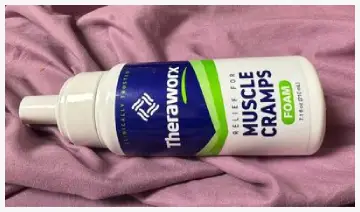
- Convenient Topical Application
Convenience is one of the strongest advantages of Theraworx. You can apply the foam to the affected area without preparing a drink, swallowing a tablet, or arranging a complicated treatment.
I see this as particularly useful for people who experience occasional cramps at night or after physical activity. When discomfort interrupts your routine, an easy application process can make a product more appealing.
The foam format also allows you to target a specific area instead of taking an oral product that affects the body more broadly.
Of course, convenience alone does not prove effectiveness. I would consider it a practical benefit rather than evidence that the product will work for everyone.
- No Need to Swallow Pills
Some people dislike taking tablets or capsules, especially when they already use several medications or supplements.
A topical product provides another option for those who prefer applying something to the skin. It may also fit more comfortably into a bedtime routine for someone who experiences occasional nighttime cramps.
However, I would not assume that topical application makes a product automatically safer than oral treatments. Ingredients can still irritate the skin, and individual sensitivities matter.
- Easy to Incorporate Into a Routine
A simple product is easier to use consistently than one requiring several preparation steps.
I would keep Theraworx somewhere accessible, such as a bedside cabinet or a designated spot in a bathroom cabinet, while following the storage instructions on its packaging.
This can make it easier to reach for the product when needed.
Still, I would avoid turning routine application into a substitute for identifying recurring cramps. If symptoms happen repeatedly, tracking their timing, duration, and possible triggers can be more valuable than simply applying foam each time.
- Potentially Useful for Occasional Muscle Discomfort
Some people seek a topical product because they want an additional measure to try alongside stretching, rest, and hydration.
Theraworx may appeal to this group because its intended use is specific to muscle cramps.
I would consider it most reasonable as an optional part of a broader self-care routine rather than as a stand-alone treatment. If I found that it improved my comfort, I would still pay attention to whether the cramps were becoming less frequent and whether other measures were helping.
It is also important to remember that the evidence for topical magnesium products and cramp relief is limited. Individual experiences should not be confused with proof of consistent clinical effectiveness.
- May Suit People Who Want a Targeted Product
A general body lotion is not necessarily designed for muscle cramps. Theraworx is marketed with this particular problem in mind, which makes its intended purpose clear.
For someone looking for a product specifically labeled for muscle cramp relief, that focus may be appealing.
I would nevertheless read the label carefully and confirm that the product is appropriate for the intended user. Product names, formulas, and instructions can differ, so I would avoid relying solely on the brand name.
- Can Complement Basic Self-Care
Muscle cramps sometimes improve with gentle stretching, relaxation of the affected muscle, and appropriate hydration.
Theraworx can be considered an additional measure if you want to try a topical product alongside these practices.
I would not expect the foam to replace these fundamentals. Nor would I use it to justify taking unnecessary electrolyte supplements, since excess amounts of certain minerals can cause harm.
The biggest advantage here is flexibility: you can evaluate whether the product offers you any additional comfort while continuing to address other possible triggers.
Cons Of Theraworx Muscle Cramps Foam

- Effectiveness Is Not Guaranteed
The most important limitation is uncertainty about how reliably the foam relieves cramps.
A product’s intended purpose does not establish that it works for everyone. Research supporting topical magnesium as an effective treatment for muscle cramps remains insufficient.
I would be cautious about claims promising immediate, complete, or universal relief.
- It May Not Address the Underlying Cause
If cramps result from dehydration, a medication side effect, an electrolyte disturbance, or an underlying medical condition, applying foam may not resolve the problem.
Recurring cramps deserve attention beyond topical treatment.
- Skin Irritation Is Possible
Depending on its ingredients, a topical product may cause redness, itching, burning, or irritation.
I would stop using Theraworx if it caused a reaction and seek medical advice if the reaction were severe or persistent.
- Results May Differ Between Users
One person may report noticeable relief while another notices little difference.
Expectations, the cause of the cramp, the particular formulation, and other self-care measures can all influence someone’s experience.
- It Adds an Ongoing Expense
If you experience cramps frequently, buying a dedicated topical product can become an ongoing expense.
Before repurchasing, I would consider whether the product provides a meaningful benefit and whether a more appropriate approach—such as addressing a confirmed deficiency or reviewing a medication—would be more useful.
Maintenance Tips For Theraworx Muscle Cramps Foam Wisely
- Read the Label Before Every New Use
Start by checking the product’s directions, ingredients, warnings, and recommended application frequency.
Do not assume the instructions are identical across every product version. If you purchase a new container, review its label even if you have used Theraworx before.
Follow the stated amount and frequency rather than applying more foam in the hope of obtaining faster relief.
If you have sensitive skin, existing skin conditions, or concerns about a particular ingredient, ask a pharmacist or healthcare professional whether the product is appropriate for you.
- Apply It Only as Directed
Use the foam according to the instructions supplied with your particular product.
Avoid applying it to broken, irritated, or damaged skin unless the label explicitly permits it. Keep the product away from your eyes, mouth, and other sensitive areas.
Wash your hands after application when appropriate, particularly before touching your face or handling food.
If you experience unusual burning, swelling, a rash, or persistent irritation, stop using the product. Seek urgent help if you develop signs of a severe allergic reaction, such as difficulty breathing or swelling of the tongue or throat.
- Combine Topical Care With Gentle Stretching
When a calf cramp occurs, I would prioritize gently lengthening the affected muscle.
Straighten your leg and pull your toes toward your shin without forcing the movement. Hold the stretch gently and stop if the movement causes significant pain.
Walking slowly or standing with the affected leg supported may also help some people, depending on the circumstances.
Avoid aggressive massage or forceful stretching during severe pain. Once the contraction eases, gentle movement may help you return to normal activity.
The important point is that the foam should not become your only response to a cramp.
- Maintain Appropriate Hydration
Dehydration can contribute to cramps, particularly after heavy sweating, exercise, vomiting, or diarrhea.
I would drink fluids regularly throughout the day and increase intake appropriately during physical activity or hot weather.
However, drinking excessive amounts of water is not a universal solution. Fluid needs vary according to activity, climate, health, and medication use.
People with kidney disease, heart failure, or medical instructions to restrict fluids should follow their healthcare professional’s advice rather than increasing fluid intake independently.
- Pay Attention to Your Diet
Muscle function depends on several nutrients, including magnesium, potassium, calcium, and sodium.
If your diet is consistently limited or you lose substantial fluids through sweating or illness, nutritional factors may deserve attention.
I would focus on a balanced diet containing vegetables, fruit, legumes, whole grains, dairy or suitable alternatives, nuts, and other nutrient-rich foods.
I would not automatically start taking mineral supplements because of leg cramps. Excess potassium or magnesium can be dangerous in some circumstances, particularly when kidney function is impaired or certain medications are involved.
If you suspect a deficiency, discuss appropriate testing and treatment with a healthcare professional.
- Store the Foam Correctly
Keep the container tightly closed when not in use and store it according to the manufacturer’s temperature and handling instructions.
Avoid leaving it in a hot car, direct sunlight, or a damp area if the label advises against those conditions.
Check the expiration date and discontinue use if the product has changed noticeably in appearance, texture, or smell.
Keep it out of reach of children and pets. Do not transfer the foam into an unlabeled container, because doing so can make it harder to identify the product and its ingredients.
Comparison Of Theraworx Muscle Cramps Foam With Other Brands
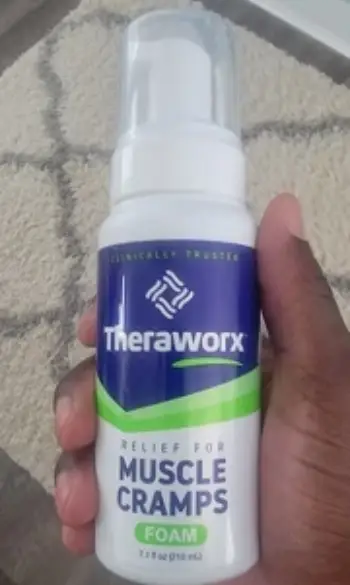
- Theraworx vs. Magnesium Lotions
Magnesium lotions and foams are often marketed to people looking for topical muscle support.
Theraworx has the advantage of being specifically positioned for muscle cramp relief, while other magnesium lotions may be sold primarily for general skin care or relaxation.
However, I would not assume that one topical magnesium product is more effective simply because it uses a foam rather than a lotion. The formulation, available evidence, skin tolerance, and directions all matter.
There is insufficient evidence that magnesium applied to intact skin reliably corrects magnesium deficiency or consistently prevents muscle cramps.
If you are comparing these products, I would choose based on transparent ingredients, sensible instructions, cost, and personal tolerance rather than strong promises.
- Theraworx vs. Biofreeze
Biofreeze is a topical pain-relief brand associated with cooling products containing menthol.
The main distinction is the intended approach. Theraworx is marketed specifically for muscle cramps, whereas Biofreeze is generally used for temporary relief of certain minor muscle and joint aches.
A cooling sensation may feel soothing, but that sensation does not necessarily mean a muscle cramp has stopped or that its cause has been corrected.
I would consider the exact symptom before choosing either product. For an involuntary muscle contraction, gentle stretching is important. For a minor muscle ache after activity, a topical pain-relief product may be more relevant, provided it is suitable for the user and used according to its label.
- Theraworx vs. Icy Hot
Icy Hot offers topical products designed to relieve minor aches and pains through ingredients such as menthol and, in certain formulations, methyl salicylate.
Its focus differs from Theraworx’s cramp-specific positioning. Icy Hot may be an option for certain muscular aches, but temporary pain relief should not be confused with treating the underlying mechanism of a cramp.
I would check the active ingredients carefully, especially if I take other medications or use additional topical pain-relief products.
Some ingredients can cause irritation or serious burns if used improperly. Follow all warnings and avoid combining products unless a healthcare professional confirms that doing so is appropriate.
- Theraworx vs. Oral Magnesium Supplements
Oral magnesium supplements are different from topical foams because they provide magnesium through the digestive system.
For someone with a confirmed magnesium deficiency, a healthcare professional may recommend dietary changes or supplementation. In that situation, correcting the deficiency may address one potential contributor to muscle symptoms.
However, magnesium supplements do not reliably prevent ordinary nighttime leg cramps in everyone, and they are not automatically appropriate for all users.
Oral magnesium can cause diarrhea and other gastrointestinal effects. Excessive intake can be dangerous, especially for people with impaired kidney function.
I would not use an oral supplement simply because a topical product seems ineffective. First, I would consider the likely cause of the cramps and whether testing or professional advice is warranted.
- Theraworx vs. Stretching and Hydration
Stretching and appropriate hydration are not branded treatments, but they are important parts of a sensible approach to muscle cramps.
For an active cramp, gentle stretching may help the muscle relax. Maintaining appropriate fluid intake can also be helpful when fluid loss contributes to the problem.
These measures address practical factors that a topical foam may not correct.
I would therefore view Theraworx as an optional addition rather than a replacement for basic self-care. If cramps continue despite sensible measures, investigating the cause is more useful than repeatedly switching between topical products.
Frequently Asked Questions (FAQ)
It may help some users, but strong clinical evidence that it reliably relieves cramps is limited. Results can vary.
Possible effects include skin irritation, redness, itching, or burning, depending on the formula and individual sensitivity.
Possible factors include magnesium, potassium, or calcium imbalances, but cramps can also result from muscle fatigue, dehydration, medications, or medical conditions.
There is no reliably established time for relief. Follow the product label and do not assume immediate results are guaranteed.
Wrapping Up
My verdict on Theraworx Muscle Cramps Foam is that it may be worth buying if you want a convenient topical option for occasional muscle cramps and have realistic expectations.
I would combine it with gentle stretching, appropriate hydration, and attention to possible triggers rather than treating it as a guaranteed cure.
Before purchasing, check the ingredients and directions, and remember that evidence for topical magnesium-based cramp relief remains limited.
If your cramps are frequent, severe, or accompanied by other symptoms, seek medical advice instead of relying on foam alone.
Recent Posts
Vita Coco Coconut Water Review: Is It Worth Drinking Every Day?
If you want a refreshing drink that tastes lighter than soda and offers naturally occurring electrolytes, Vita Coco coconut water is worth considering. I like the idea of having a convenient...
If you want to cover gray hair, refresh your natural color, or achieve a darker, more polished look without spending a fortune at a salon, Beijing hair dye may be worth considering. I would...