
I spent months testing Thule and Yakima cargo boxes on road trips, ski weekends, and family hauls to figure out which one actually delivers in real use.
My goal here is simple: share the practical differences so you can pick the right rooftop box without wasting money or dealing with buyer’s regret later.
| Feature | Thule (Motion 3 / Force 3 series) | Yakima (SkyBox NX / CBX / RocketBox Pro) |
| Typical Price Range | Higher ($800–$1,200+) | More affordable ($500–$900) |
| Capacity Range | 11–22 cu ft | 11–22 cu ft |
| Mounting System | PowerClick (claw-style, audible click) | Torque-limiting tool / dial system |
| Locking | SlideLock / central auto-lock | SKS same-key system + SuperLatch |
| Aerodynamics & Noise | Excellent, low wind noise | Very good, slightly more noise on some models |
| Interior | Often white, easier visibility | Darker, flatter floor for usable space |
| Weight (mid/large) | 44–57 lbs | 38–56 lbs |
| Ski Capacity | Up to 200 cm on many models | Up to 195 cm typically |
| Design Style | Sleek, tapered, modern | Rugged, angular, practical |
| Warranty | Lifetime limited | Lifetime limited |
My Real Life Experience With Both These Product
I tested both Thule and Yakima cargo boxes across ski trips, family road hauls, and weekend camping runs. The differences showed up clearly in daily use.
Thule stands out for refined hardware. The PowerClick mounting system centers fast and clicks when tight.
Dual-side SlideLock opens smoothly even on cold mornings. The tapered shapes stay quieter on the highway and the white interiors make gear easy to spot. Long skis up to 200 cm fit cleanly.
These touches make frequent installs and long drives more pleasant. The trade-off is higher price and slightly less efficient packing space in the more aerodynamic models.
Yakima delivers stronger value. Comparable capacity costs less while still offering dual-side access and solid security.
The flatter interior floor packs mixed bags and coolers with fewer gaps. The rugged finish hides scratches better after a season of use. Mounting takes a bit more practice with the torque tool, and some models produce a touch more wind noise, yet the overall performance stays close.
In real trips the choice came down to priorities. On long ski drives I preferred Thule for the quiet cabin and quick solo installs. For mixed camping loads the Yakima floor let me stack gear tighter and saved money. Both sealed out rain, held up to repeated use, and stayed within safe weight limits.
Neither brand fails. Thule rewards drivers who install the box often and value polish. Yakima suits practical users who want capacity and durability without the premium cost. Measure your roof, check vehicle ratings, then match the box to how you actually travel.
Key Differences Between Thule And Yakima Cargo Boxes
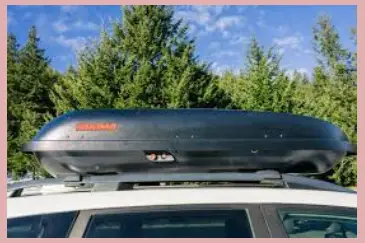
- Mounting hardware and installation feel: Thule PowerClick system uses dual-sided claws. Claws wrap the crossbar.
System clicks at correct torque. Solo centering works fast. Yakima system uses single claw per point.
Torque tool stores in the lock. Flatter interior results. Extra minutes occur on first installs.
- Lid opening and daily access: Both boxes open from either side. Thule SlideLock unlocks then pops the lid in one motion.
Cold mornings favor Thule consistency. Yakima handle-style latch requires push-down action. Solid feel develops after practice.
- Shape and usable space: Thule shapes stay more tapered. Lower drag follows. Yakima boxes feature blunter nose.
Lower-profile mounts free interior volume. Flat floor packs bulky bags tighter. Wasted corners decrease.
- Price versus feature polish: Yakima undercuts comparable Thule models by $100 to $300. Durability and capacity stay similar.
Thule charges more. Refined hardware and quieter highway manners justify the gap for some users.
- Aesthetic and vehicle match: Thule looks cleaner on modern SUVs. Cleaner lines suit crossovers.
Yakima angular lines suit trucks. Adventure vehicles match the rugged style. Neither appears cheap. Difference shows in driveway views.
Key Features Of Thule Cargo Boxes
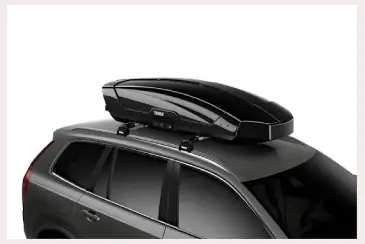
- PowerClick mounting: Dual-sided claws clamp the crossbar. Audible click confirms correct torque.
Over-tightening never occurs. Loose clamps stay rare after first install.
- Dual-side access with SlideLock: One unlock secures the lid. Intentional open remains required.
Indicators confirm full latch before key removal.
- Aerodynamic shell shapes: Motion 3 series cuts wind noise well. Highway stretches stay quieter.
Cabin calm improves. Slight fuel savings appear over long distances.
- White interior options on several models: Gear visibility rises in low light. Night searches simplify. Flashlight dependence drops.
- Integrated tie-down points and included straps on higher models: Metal loops hold skis steady.
Webbing secures loose bags. Shifting stops on bumpy dirt roads.
- Low-profile variants: XL Low and XXL Low keep height under 15 inches. Long skis still fit.
Garage clearance stays manageable. Overall vehicle height remains practical.
- Broad size ladder: Compact Pulse models start at 11 to 14 cu ft. XXL options reach 21 to 22 cu ft. Nearly every vehicle and trip length finds a match.
Pros Of Thule Cargo Boxes
- Superior everyday convenience: PowerClick and SlideLock combine well. Install and removal feel smooth. Daily opening stays reliable. Solo operation works even when tired.
- Quieter and more efficient on the highway: Wind noise drops. Fuel economy improves slightly. Multi-hundred-mile trips feel calmer. Kids notice the quieter cabin.
- Better visibility inside: White interiors help. Lighting indicators reduce search time. Trailhead and hotel moments simplify.
- Excellent long-item capacity: Ski lengths reach 200 cm on many models. Awkward angles disappear. Snowboard fit stays clean.
- Premium fit and finish: Hardware feels precise. Latches and hinges hold alignment. Dozens of cycles leave no shift. Temperature swings cause no issues.
- Strong resale and brand ecosystem: Existing Thule bars match well. One-Key options keep setups cohesive. Long-term value holds.
Cons Of Thule Cargo Boxes
- Higher purchase price: Comparable capacity costs more. Premium stays real. Occasional travelers find the gap harder to justify.
- Slightly less usable interior volume for some shapes: Tapered aero designs create odd corners. Soft bags fill less efficiently. Boxier floors pack tighter.
- Weight on the higher end for larger sizes: Fifty-plus pounds needs two people. Tall vehicles make solo lifts awkward.
- Gloss finishes show scratches more readily: Garage parking dulls the shine. Brush encounters leave marks faster than matte options.
- Occasional cold-weather stiffness: Sub-freezing lids need firmer pressure. Plastic warms before full open occurs.
Key Features Of Yakima Cargo Boxes
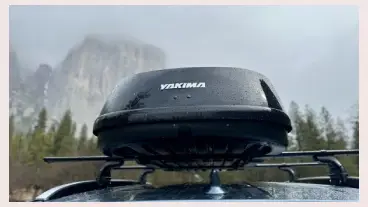
- Flat interior floor thanks to lower-profile mounts: Clamps sit lower. Usable packing area expands. Soft bags and coolers fit with less effort.
Exterior dimensions stay the same.
- SKS same-key system: One key works across the box.
Other Yakima racks share the core. Multiple keys disappear on multi-rack setups.
- SuperLatch perimeter seal: Locked lid closes tightly around edges.
Rain stays out. Road spray fails to enter during wet weeks.
- Torque-limiting mounting tool: Tool clicks at proper tightness.
Storage occurs inside the lock. Guesswork ends after initial learning.
- Rugged exterior textures and finishes: Matte and Carbonite options hide scratches. Tree branches leave less mark.
Car-wash brushes cause less visible wear.
- Strong hatch clearance on many models: Rear hatch opens fully.
Mid-size SUVs retain full travel. Kids and gear load together without interference.
- Wide capacity choices including value-oriented RocketBox Pro: Dual-side access remains solid. Security holds.
Lower price still handles weekend camping loads.
Pros Of Yakima Cargo Boxes
- Stronger value for nearly identical performance: Dual-side access arrives at lower cost. Solid security holds. Durable construction remains. Family and weekend use favor the savings.
- Maximized packing efficiency: Flatter floor expands space. Lower internal hardware helps. Mixed gear shapes fit better. Dead space shrinks.
- Versatile and rugged aesthetic: Adventure vehicles suit the lines. Cosmetic wear hides over time. Intentional look persists.
- Easy integration with other Yakima gear: SKS system simplifies multi-rack life. Bike and ski racks share cores. Key count drops.
- Good hatch and garage practicality: Rear hatch travel stays full. Overall height remains reasonable. Loading stays practical.
- Reliable security without fuss: SuperLatch locks contents. Keyed system protects gear. Airport lots and trailheads stay secure.
Cons Of Yakima Cargo Boxes
- Mounting takes a bit more practice: Torque tool and single-claw design stay secure. First installs feel less intuitive. Thule click system trains faster.
- Slightly higher wind noise on some shapes: Blunter profiles raise cabin sound. Highway speeds amplify the note versus aero Thule models.
- Darker interiors: Small items hide more. Label reading needs better light. Night or shade work requires extra effort.
- Lock cores can be finicky in extreme cold: Icing appears more often. Core issues surface in winter. Thule units show fewer problems.
Mid-range models can feel less refined: RocketBox Pro completes the job. Polished latch feel stays lower. Higher SkyBox NX and CBX lines add stiffeners.
Real-World Performance Across Different Trips
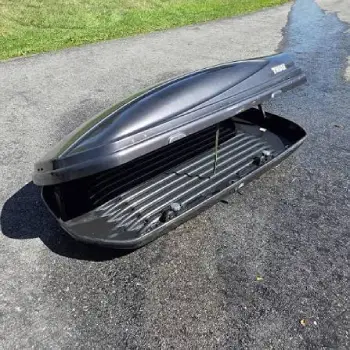
On a week-long ski trip I loaded both brands with four pairs of skis, boots, helmets, and soft bags.
The Thule Motion 3 handled the length with room to spare and stayed quiet on the interstate.
The Yakima SkyBox NX swallowed the same load with less careful packing thanks to the flat floor, yet the wind note was a touch louder.
For summer camping I preferred the Yakima when the load included coolers, tents, and odd-shaped chairs.
The extra usable space meant fewer items ended up inside the vehicle. On shorter weekend runs where I installed and removed the box frequently, Thule’s faster mounting saved time and frustration.
Fuel economy differences stayed small—usually 1–2 mpg depending on vehicle and speed—but over thousands of miles the quieter Thule experience felt more premium. Both boxes sealed out rain equally well.
Neither flexed noticeably under full loads or developed rattles after repeated use.
Weight capacity on both sits around 165 lbs for most mid-to-large models, well above what most passenger vehicles can safely carry once you factor in the box itself and roof rating.
I always stayed under the vehicle manufacturer limit and used load-rated crossbars.
Which Situations Favor Each Brand
Choose Thule when you prioritize refined daily use, lower noise, and a cleaner look.
Frequent highway drivers, ski-focused travelers who need maximum length, and anyone who installs the box often will notice the hardware advantages.
Choose Yakima when budget and packing efficiency matter more. Families loading mixed soft and hard gear, owners who already run Yakima racks, and drivers who want solid performance without the top-tier price tag get excellent results.
Both brands offer lifetime limited warranties and replaceable parts. Long-term durability has been strong in my testing and in the broader owner community.
The decision usually comes down to how much you value the last bit of convenience versus the money saved.
Frequently Asked Questions (FAQ)
Neither is universally better. Thule edges ahead in mounting ease, noise, and polish. Yakima wins on value and usable interior space for most people.
Yakima often delivers better overall value. Thule feels more premium in daily operation. Pick based on budget and how often you use the box.
For most users a mid-to-large Yakima SkyBox NX or Thule Motion 3 / Force 3 in the 16–18 cu ft range balances capacity, features, and practicality best.
Yes if you drive long distances often, want quieter operation, or value the refined hardware. For occasional use the price premium is harder to justify against strong Yakima alternatives.
Wrapping Up
After running both brands through real trips, packing sessions, and weather, I can say the choice is personal rather than absolute.
You will be happy with either if you match the box to your vehicle, trip style, and budget. Thule rewards frequent users who notice the small refinements every time they open the lid or cruise the highway.
Yakima rewards practical buyers who want capacity and durability without overspending.
Measure your roof, check your vehicle’s load rating, decide how often the box will go on and off, then pick the one that fits those realities.
The right cargo box turns cramped road trips into comfortable ones and keeps the adventure gear where it belongs—out of the passenger seats and ready when you arrive.
Recent Posts
I tried Meltoway Hair Dissolving Cream because I wanted a quick way to deal with unwanted body hair without reaching for a razor every few days. If you are looking for a convenient at-home...
If you’re considering a saffron-based supplement to support mood, appetite control, and everyday wellness, Happy Saffron Plus is worth considering.I like that it takes a familiar botanical...