
If you want smooth, sleek hair without spending hours styling it, the Tyche Steam Hair Straightener may be worth considering.
I look at its steam-based styling approach, ease of use, potential benefits, drawbacks, and maintenance requirements to help you decide whether it fits your hair care routine.
If you regularly battle frizz, stubborn waves, or unruly strands, this straightener could be a useful addition to your styling tools. However, I recommend buying it only after checking its temperature settings, safety features, and suitability for your hair type.
My First Experience With The Tyche Steam Hair Straightener
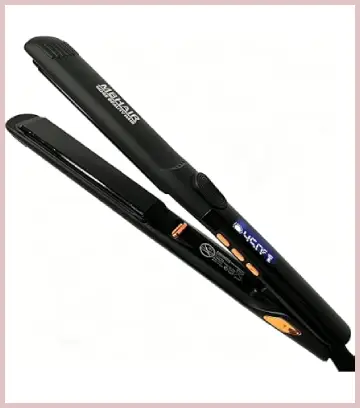
When I consider a steam hair straightener, my first question is simple: can it make my hair smoother without leaving it feeling dry, rough, or lifeless? That is the main reason the Tyche Steam Hair Straightener deserves a closer look.
Unlike a conventional flat iron that relies primarily on heated plates, a steam straightener uses heat alongside moisture to help manage the styling process.
Depending on the model’s design, steam may help soften the hair temporarily, making strands easier to arrange into a straighter shape.
However, the actual results depend on the device’s construction, temperature control, steam output, and how I prepare my hair.
I would pay particular attention to how the Tyche performs on different sections of hair. Fine strands may straighten relatively quickly, while thick, coarse, or tightly curled hair may require more careful sectioning.
If the plates distribute heat evenly, styling can feel more consistent. If they do not, I may need additional passes, which can increase heat exposure.
Another important consideration is handling. A straightener should feel comfortable in my hand, glide smoothly through the hair, and allow me to reach the roots without putting my fingers too close to the heated plates.
A manageable cord and straightforward controls also make a difference when I am getting ready in a hurry.
I would not judge the product by straightness alone. I would also look at shine, softness, frizz control, and how long the finished style lasts.
Hair that looks glossy immediately after styling but becomes puffy within an hour may not deliver the results I want.
It is important to clarify that these are practical evaluation criteria, not verified personal test results for this particular Tyche model.
Without confirmed specifications or reliable model-specific testing, I cannot guarantee its performance, durability, or safety features.
My overall approach is to treat the Tyche Steam Hair Straightener as a potential styling option rather than an automatic solution for every hair concern.
If its features match my needs and it handles my hair gently, it may be worth considering.
Pros Of The Tyche Steam Hair Straightener
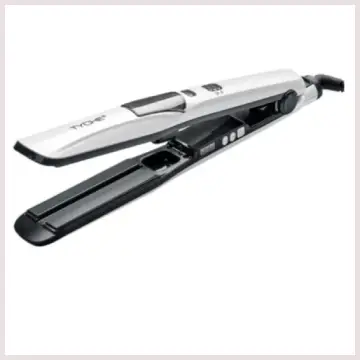
- Potentially Smoother-Looking Hair
One reason I might choose a steam straightener is the possibility of achieving a smoother finish.
Frizz and flyaways can make even freshly styled hair appear untidy, particularly in humid conditions.
When a straightener distributes heat evenly and glides through the hair without snagging, it can help align strands and create a more polished appearance.
I would look for a finish that feels soft and moves naturally rather than hair that looks stiff or excessively flattened. Using an appropriate heat protectant and avoiding unnecessary passes can also help me maintain a better result.
However, I would not assume the Tyche automatically delivers smoother hair than every traditional flat iron. That advantage needs to be demonstrated through actual use.
- A Potential Option for Frizz Management
Frizz can be frustrating because it often returns after I have spent time styling my hair. Humidity, hair porosity, dryness, and natural texture all influence how well a straightened style holds.
A steam straightener may help make strands more manageable during styling. Combined with proper sectioning and a suitable finishing product, this could help me achieve a neater appearance.
Still, steam is not a permanent frizz treatment. It cannot change the underlying structure of my hair, and moisture in the surrounding air may cause the style to lose its smooth appearance.
I would consider this product a styling aid, not a cure for frizz.
- Potentially More Flexible Styling
Although the main goal is straight hair, I may also want to create soft bends, curved ends, or a gentle face-framing finish.
A straightener with smooth edges and well-designed plates can sometimes handle these styles as well as conventional straightening. The result depends on the plate shape, temperature stability, and how easily the tool moves through each section.
Before buying the Tyche, I would check its shape and handling rather than assuming it can create every hairstyle.
If I mainly wear straight hair, this feature may be less important. If I like switching between sleek lengths and softly curved ends, it could be a useful bonus.
- An Opportunity to Simplify My Styling Routine
Using one dependable styling tool can make my morning routine easier. If a straightener handles my hair efficiently, I may spend less time switching between several devices.
The Tyche could be convenient if its steam system is straightforward to fill, its controls are easy to understand, and its plates require minimal effort to clean.
However, steam models may require extra preparation because I need to manage the water reservoir as well as the heated plates. I would compare that additional work with the convenience of my existing styling tools.
The best choice is the one that fits naturally into my routine instead of creating another task.
- Potential Help With Thick or Difficult-to-Manage Hair
Thick hair can take longer to straighten because it often requires smaller sections and careful heat distribution. A well-designed straightener may make the process more manageable by allowing consistent contact with each section.
For coarse or tightly curled hair, I would focus on temperature adjustment, plate width, and the number of passes needed. These factors can matter more than whether the device uses steam.
I would also avoid assuming that higher heat is always better. A suitable temperature and careful technique are preferable to repeatedly applying extreme heat.
Whether the Tyche is effective for thick hair remains dependent on its verified specifications and actual performance.
- Potential Convenience for Home Styling
A straightener that is easy to operate can be useful for everyday grooming, workdays, special occasions, or last-minute plans.
I would look for clearly marked controls, a secure grip, a stable stand or heat-resistant resting surface, and a design that allows me to move comfortably around my head.
A manageable weight can also help reduce hand fatigue during longer styling sessions.
These are practical advantages I would evaluate before purchasing. They should not be treated as confirmed characteristics of every Tyche model.
Cons Of The Tyche Steam Hair Straightener
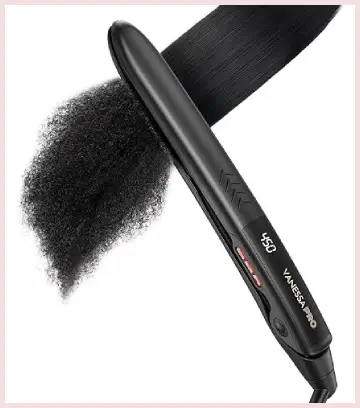
Every styling tool has limitations, and I would consider the following potential drawbacks before deciding whether the Tyche is worth my money.
- Uncertain Model-Specific Performance
My biggest concern is the lack of confirmed information about the exact model’s technical specifications and independently verified results.
Without reliable details, I cannot confidently assess its temperature range, heating speed, steam output, plate material, or durability.
I would check the packaging and seller’s product description carefully before purchasing. If important specifications are missing, I would compare it with a better-documented alternative.
- Steam Does Not Eliminate Heat Damage
The idea of using steam may sound gentler, but it does not make high-temperature styling harmless.
Hair can become brittle when exposed to excessive heat. Repeated straightening may also contribute to split ends, breakage, and reduced elasticity.
I would use a heat protectant suitable for my hair, select the lowest effective temperature, and avoid repeatedly straightening the same section.
I would also follow the manufacturer’s instructions regarding dampness and steam operation. If the product is designed for dry hair, I would not use it on wet strands.
- Additional Water-Reservoir Maintenance
A steam straightener may require regular refilling, reservoir cleaning, and attention to mineral deposits.
If I prefer a simple plug-in tool that needs almost no preparation, maintaining a steam system could become inconvenient.
The exact cleaning process depends on the Tyche model’s design. I would never pour cleaning chemicals into the reservoir or attempt to descale the device unless the manufacturer specifically permits it.
- Possible Learning and Handling Challenges
Steam styling may feel different from using a conventional flat iron. I might need to learn how much hair to place between the plates, how quickly to move the tool, and how to manage the steam output.
Poor technique can lead to uneven results or unnecessary exposure to heat.
I would begin with small sections and follow the manufacturer’s instructions. I would also keep my hands and face away from escaping steam, which can cause burns.
- Potentially Higher Ownership Costs
The initial price is only one part of the purchase decision. I would also consider replacement costs, warranty coverage, water requirements, and the availability of customer support.
I cannot confirm the Tyche’s current price or long-term running costs without reliable product-specific information.
If the device costs considerably more than a conventional straightener, I would want a clear reason to pay the difference, such as better usability, dependable performance, or features I genuinely need.
- Results May Differ Across Hair Types
Fine, damaged, color-treated, coarse, and naturally curly hair do not respond identically to heat styling.
A setting that works for thick hair may be unnecessarily hot for fine strands. Similarly, someone with tightly curled hair may need a different styling technique than someone with naturally straight hair.
I would not expect the Tyche to deliver identical results for everyone. Matching the tool to my hair texture and condition is essential.
Maintenance for the Tyche Steam Hair Straightener
- Clean the Plates Regularly
Hair products can accumulate on heated plates over time. Heat protectants, styling creams, oils, and sprays may leave a residue that affects how smoothly the straightener moves through my hair.
I would unplug the device and allow it to cool completely before cleaning it.
Using a soft, slightly damp cloth, I would gently wipe the plates if the manufacturer permits that method. I would avoid abrasive pads, sharp tools, and harsh cleaning products because they can damage the surface.
I would also ensure that the plates are completely dry before storing or using the straightener again.
A clean surface helps me avoid transferring old product residue onto freshly washed hair.
- Maintain the Water Reservoir Properly
The reservoir deserves special attention because mineral deposits may accumulate when water evaporates.
I would empty leftover water after use if the instructions recommend doing so. I would also check the reservoir opening for visible buildup and clean it only with an approved method.
I would not assume that distilled water is required or permitted. Some appliances specify a particular water type, so I would follow the Tyche manual rather than experimenting.
If I notice unusual odors, leaking, inconsistent steam, or visible deposits, I would stop using the device until I understand the cause.
- Use the Correct Temperature
Temperature management is one of the most important habits I can develop.
I would start with a lower setting and increase it only when necessary. Fine or damaged hair generally requires extra caution, while thicker hair may need a different approach.
Instead of holding the straightener on one spot, I would move it steadily through each section. I would also avoid making repeated passes simply because I want an exceptionally glossy finish.
If my hair begins to smell scorched, feel unusually rough, or show increased breakage, I would stop styling and reassess my technique.
- Prepare My Hair Before Styling
Good preparation makes a difference, regardless of the straightener I choose.
I would detangle my hair gently before dividing it into manageable sections. If the product instructions require dry hair, I would ensure my hair is completely dry before using it.
I would apply a suitable heat protectant according to its directions and allow it to dry as required before bringing heated plates near my hair.
I would avoid applying excessive oils or heavy styling products immediately before straightening, particularly when those products are not designed for heat styling.
This preparation helps me create a more controlled routine without relying on unnecessarily high temperatures.
- Store the Device Safely
Once I finish styling, I would unplug the straightener and place it on a heat-resistant surface while it cools.
I would never wrap the power cord tightly around a hot appliance. Over time, this can strain the cord and damage its connections.
After the device has cooled completely, I would store it somewhere dry and protected from accidental drops, water spills, and excessive dust.
If the Tyche includes a protective case or locking mechanism, I would use it according to the instructions.
- Inspect the Cord and Plug
A damaged electrical cord can turn an ordinary styling routine into a safety hazard.
Before using the straightener, I would check for exposed wires, fraying, loose connections, or signs of overheating around the plug.
If I notice damage, I would stop using the device rather than trying to repair it with tape or another temporary fix.
I would also avoid pulling the plug out by tugging on the cord.
These small habits can help reduce electrical risks and may extend the useful life of the appliance.
Comparison Of Tyche Steam Hair Straightener With Other Brands
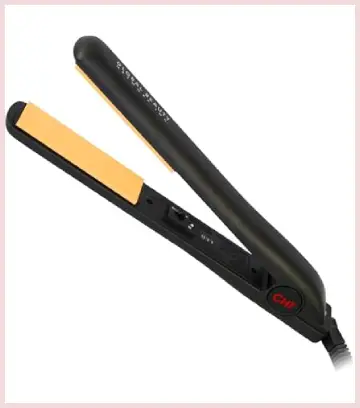
- Tyche vs. L’Oréal Professionnel SteamPod
The L’Oréal Professionnel SteamPod is a recognized steam-based styling line. It provides a useful point of comparison for shoppers specifically interested in steam technology.
When comparing the two, I would examine the steam delivery system, temperature controls, plate design, ergonomics, warranty, and availability of replacement or service support.
I would not assume that the Tyche offers equivalent performance merely because both products use steam.
If I want detailed manufacturer information and established product documentation, I would give that information considerable weight when making my decision.
- Tyche vs. ghd Straighteners
The ghd range is known for conventional heated styling tools designed around controlled-temperature styling.
For someone who values a straightforward routine, a conventional model may be easier to maintain because it does not necessarily require a water reservoir.
The Tyche may appeal to someone specifically interested in steam, but the deciding factors should be actual styling performance, comfort, safety features, and suitability for the hair.
I would compare the total ownership experience instead of treating steam as an automatic advantage.
- Tyche vs. Dyson Airstrait
The Dyson Airstrait takes a different approach by using heated airflow to straighten hair, rather than relying on the same conventional heated-plate method used by a standard flat iron.
That makes it a distinct alternative for shoppers interested in changing their styling routine.
I would compare its intended use, styling results, drying requirements, handling, and purchase price with the Tyche. I would also check whether each device is designed for wet-to-dry styling or requires completely dry hair.
These appliances should not be treated as interchangeable because their operating methods and instructions can differ considerably.
- Tyche vs. Budget Straighteners
Budget straighteners can be attractive when I want a basic tool without a large upfront expense.
Some inexpensive models offer useful features, while others may have limited temperature control, less comfortable handling, or sparse product documentation.
The Tyche’s value would depend on its actual price, construction, warranty, and performance. If it costs more than a basic straightener, I would want to understand what additional benefit I am paying for.
I would rather choose a well-documented, reliable tool that fits my needs than pay extra for a feature I rarely use.
Frequently Asked Questions (FAQ)
Not necessarily. Suitability depends on the model’s temperature settings, design, and your hair’s texture and condition.
It may help create smoother-looking hair, but results vary with hair type, technique, humidity, and the device’s performance.
Only if the manufacturer’s instructions explicitly allow it. Otherwise, use it on completely dry hair.
Not always. Steam models offer a different styling approach, while conventional flat irons may be simpler to maintain.
Wrapping Up
My verdict on the Tyche Steam Hair Straightener is that it may be worth considering if you want to explore steam-based styling and achieve smoother-looking hair at home.
However, I would not buy it based on steam technology alone. Check the model’s temperature controls, safety features, maintenance requirements, and warranty first.
If those details are clear and the product suits your hair type and budget, it could be a reasonable option.
If reliable information is unavailable, I would choose a better-documented alternative before spending my money.
Recent Posts
If you need a reliable adhesive for household repairs, DIY projects, or fixing broken objects, Pattex Repair Extreme is worth considering.Its flexible bonding formula is designed to handle...
If you're considering Thyroid Power Gummies to support your thyroid health, I recommend looking closely at the ingredients, safety, and evidence before buying.These gummies may appeal to people...