
I’ve spent countless evenings tweaking my home setup, chasing that perfect balance between immersive movie nights and clear dialogue during binge-watching sessions.
When my old TV speakers finally gave up, I decided to compare Ultimea and Vizio soundbars head-to-head.
In this article, I share my real-user experience with these two popular options, breaking down everything from sound performance to everyday usability.
Whether you want powerful bass on a budget or reliable all-around quality, I’ll help you figure out which one fits your space and needs better.
| Feature | Ultimea | Vizio |
| Typical Channels | 5.1 to 5.1.4 or higher | 5.1 to 5.1.2 or 5.1.4 |
| Dolby Atmos Support | Strong in most models | Excellent, with adaptive features |
| Bass Performance | Punchy, often emphasized | Balanced with good rumble |
| Build Quality | Good for price, compact | Premium feel, durable |
| Connectivity | HDMI eARC, Bluetooth, Optical, App | HDMI eARC, Bluetooth, App support |
| Surround Setup | Wireless rears in many, virtual options | Dedicated satellites in 5.1 models |
| Price Range | Budget-friendly | Slightly higher, strong value |
| Best For | Bass lovers, budget home theaters | Balanced sound, movie enthusiasts |
Key Differences Between Ultimea And Vizio Soundbars

- Sound Signature and Immersion: Ultimea models often deliver bold, bass-forward audio that makes action scenes pop right away.
I noticed the low end hits hard during explosions, which feels exciting in my medium-sized room.
Vizio tends toward a more refined, balanced profile with clearer separation across channels, making voices stand out without muddiness.
- Channel Configuration and Surround Experience: Many Ultimea systems use side-firing or dedicated rear speakers for true 5.1 setups, creating a wide soundstage on a budget.
Vizio’s Elevate series stands out with rotating or adaptive height speakers that direct sound upward effectively for Atmos content.
- Build and Design: Ultimea bars feel lightweight yet sturdy enough for everyday use, fitting neatly under TVs.
Vizio options usually have a more polished, substantial build that matches higher-end living room aesthetics.
- Ease of Use and Smart Features: Both offer app control, but Ultimea’s interface lets me quickly tweak bass and surround levels.
Vizio provides smooth integration with my TV remote via HDMI eARC and reliable wireless pairing for rears.
- Power Output and Volume: Ultimea frequently pushes higher peak wattage for room-filling volume at lower prices. Vizio maintains composure at higher volumes with less distortion.
Key Features Of Ultimea Soundbars
- Dolby Atmos and 3D Surround: Models like the Poseidon series decode Atmos tracks beautifully, placing effects overhead and around the room for that cinema feel. I love how rain or helicopter sounds move dynamically.
- Powerful Subwoofer with BassMX Tech: The dedicated subs deliver deep, adjustable thump without overwhelming mids. Perfect for movies and gaming.
- Versatile Connectivity Options: HDMI eARC ensures low-latency sync with my smart TV, plus Bluetooth for streaming music from my phone effortlessly.
- App Control and EQ Presets: The companion app makes fine-tuning simple— I can boost dialogue or dial in surround without touching the remote constantly.
- Wireless Rear Speakers: In 5.1 setups, the rears create genuine immersion without messy cables, ideal for my living room layout.
Compact and Affordable Design: These bars punch above their weight class, offering premium-like performance without breaking the bank.
Pros Of Choosing Ultimea Soundbars

- Exceptional Value for Money: Ultimea consistently delivers impressive performance at a lower price point than many competitors.
I saved significantly compared to premium brands while still getting true 5.1 or higher channel setups with Dolby Atmos.
This makes it accessible for anyone upgrading from basic TV speakers without draining their budget, allowing me to invest the savings elsewhere in my home theater.
- Impressive Bass Performance: Thanks to technologies like BassMX and dedicated subwoofers, the low-end response is punchy and powerful.
During intense movie scenes, the rumble adds tangible excitement that makes explosions and soundtracks feel cinematic.
I often adjust the bass levels via the app to suit different genres, and it rarely disappoints in delivering depth without distortion at moderate volumes.
- Straightforward and Quick Setup: Within 20-30 minutes, I had the soundbar, subwoofer, and wireless rear speakers paired and running.
The HDMI eARC connection ensures automatic syncing with my TV, and Bluetooth pairing for music is instant.
No complicated calibration needed for basic enjoyment, which is perfect for non-tech-savvy users or quick weekend installations.
- Strong Dolby Atmos Immersion: The decoding handles height channels effectively, creating a 3D audio bubble where sounds move overhead and around the room.
In Atmos-enabled movies or games, effects like overhead helicopters or rain feel directional and engaging, elevating my viewing experience far beyond stereo.
- Flexible Connectivity and App Control: Multiple inputs including HDMI eARC, optical, AUX, and USB give me options for various devices.
The companion app lets me tweak EQ presets, surround levels, and bass on the fly from my phone, making nightly adjustments effortless and personalized to my room’s acoustics.
- Compact Design That Fits Most Spaces: The slim profile slides easily under my TV without blocking the screen, and the wireless components reduce cable clutter. Ideal for apartments or smaller living rooms where space is limited but big sound is desired.
- Good Voice Clarity with Enhancements: Features like VoiceMX in select models keep dialogue crisp even during loud action sequences. I no longer have to constantly reach for the remote to adjust volume mid-scene, which improves family watching sessions.
Cons Of Choosing Ultimea Soundbars
- Surround Speakers Can Feel Inconsistent: In some models, the rear speakers don’t always match the front bar’s volume, especially with non-Atmos content like regular YouTube videos or older TV shows.
I sometimes had to boost them manually, and in larger rooms, the immersion drops off compared to more premium dedicated systems.
- Build Quality Is Functional but Not Premium: While sturdy enough for daily use, the materials feel lighter and less robust than higher-end options.
After months of use, I noticed minor flex in the bar compared to heavier builds, though it hasn’t impacted performance noticeably.
- Music Playback Is Good but Not Audiophile-Level: For casual streaming it works well, but critical listening reveals less refined mids and highs.
Instruments can blend together in complex tracks, so I prefer it more for background or energetic playlists rather than dedicated music sessions.
- Requires Some Tweaking for Optimal Results: Out of the box, the default settings lean bass-heavy, meaning I spent time dialing in EQ for balanced dialogue and clarity.
This is fine for enthusiasts but might frustrate beginners expecting plug-and-play perfection.
- Limited Brand Ecosystem and Longevity Perception: As a newer player, Ultimea lacks the widespread service network or software updates of bigger brands. I wonder about future firmware support, though current performance remains solid.
Key Features Of Vizio Soundbars
- Adaptive Height Speakers: The Elevate models rotate or direct sound upward intelligently, enhancing Atmos height effects without extra hardware.
- Balanced Audio Profile: Great center channel clarity keeps dialogue crisp even during loud scenes— a lifesaver for family movie nights.
- Dedicated Satellite Speakers: In 5.1 systems, true rear speakers deliver convincing surround that fills the space naturally.
- DTS:X and Dolby Atmos Support: Handles a wide range of audio formats smoothly for versatility across streaming services.
- Wireless Subwoofer and Rears: Reliable pairing and strong bass extension for impactful lows.
- User-Friendly Remote and App: Quick access to sound modes and volume balancing.
Pros Of Choosing Vizio Soundbars
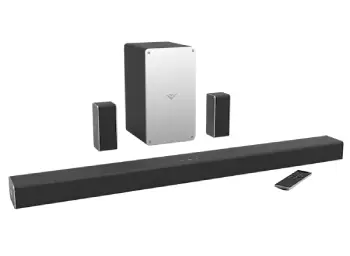
- Balanced and Refined Sound Signature: Vizio prioritizes clarity and natural tonality across the frequency range.
The center channel excels at keeping voices intelligible, which transformed my dialogue-heavy shows and movies—no more missed lines during intense scenes.
This balance makes it versatile for all content types.
- Superior Build Quality and Aesthetics: The materials feel premium and durable, with a sleek design that complements modern TVs.
After extended use, everything still looks and performs like new, giving me confidence in long-term reliability.
- Effective Adaptive Height Channels: Models like the Elevate series use rotating or smart up-firing drivers that direct Atmos effects convincingly.
Height sounds feel integrated rather than gimmicky, enhancing movies without needing extra ceiling speakers.
- Reliable Wireless Performance: Subwoofers and rear satellites pair quickly and maintain stable connections with minimal dropouts.
This reliability reduces frustration during family movie nights or gaming marathons.
- Strong Integration with TVs and Devices: HDMI eARC works seamlessly with most smart TVs for single-remote control.
App support adds useful sound modes, and overall compatibility feels polished across streaming services and consoles.
- Wide Soundstage and Room-Filling Capability: Even in moderate volumes, the audio spreads naturally, creating an expansive feel.
It performs consistently well in my living room, making group viewing more enjoyable without hot spots or weak areas.
- Good Value in Mid-Range Segment: While sometimes pricier than Ultimea equivalents, the performance-to-price ratio is excellent due to consistent quality, better center performance, and thoughtful features that reduce the need for additional tweaks.
Cons Of Choosing Vizio Soundbars
- Bass Can Feel Less Aggressive: Compared to Ultimea’s punchier subs, Vizio’s low end is controlled and tight but sometimes lacks that immediate “wow” factor for bass-heavy action films.
I occasionally adjust settings or pair with external tweaks for more impact.
- Higher Entry Price for Comparable Features: Full 5.1 or Atmos setups cost more upfront, which might deter strict budget shoppers even though long-term satisfaction is high.
- Placement Sensitivity for Height Effects: Optimal Atmos performance requires careful positioning of the bar and room considerations.
In my setup, I experimented a bit to maximize the upward drivers, unlike simpler virtual systems.
- Fewer Extreme Budget Options: While value-packed, the lineup doesn’t go as low as some Ultimea entry models, limiting choices for ultra-cheap upgrades.
- App and Customization Slightly Less Flexible: The controls are intuitive but offer fewer granular EQ options compared to some rivals, meaning heavy tweakers might feel limited.
Sound Quality Comparison: Movies, Music, And Gaming
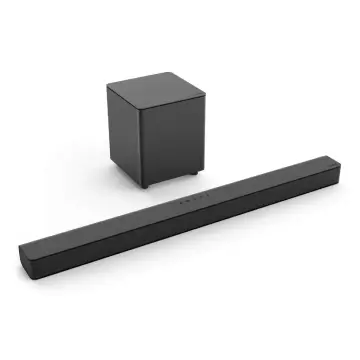
When I fired up a blockbuster like something with heavy Atmos mixing, Ultimea’s extra power made the room come alive with rumbling floors and directional effects.
Explosions felt visceral, and the bass added real weight. Vizio, however, offered tighter control— the soundstage felt broader, and I could follow every whispered conversation without straining.
For music, Vizio edges ahead with more natural instrument separation and less boominess. Ultimea shines when I want fun, energetic playback that emphasizes beats.
In gaming, both deliver immersion, but Ultimea’s punch helps with footsteps and effects, while Vizio’s clarity aids in competitive play where dialogue matters.
I tested in my average living room (about 15×20 feet). Ultimea filled it effortlessly at moderate volumes. Vizio maintained composure even louder, with fewer distortion issues.
Design, Setup, And Everyday Usability
Ultimea bars are often slimmer and easier to tuck away. Setup involved plugging in the sub, pairing rears, and connecting via HDMI— straightforward.
Vizio’s systems feel more premium out of the box, with intuitive wireless connections that rarely drop. Both support Bluetooth for quick music sessions, but I prefer HDMI eARC for main TV use to keep everything synced.
Remote controls are simple on both, but apps add real convenience for nightly adjustments.
Who Should Buy Ultimea?
If you’re like me— watching a lot of action movies on a budget and craving big bass— Ultimea delivers excitement without compromise. It’s fantastic for first-time soundbar buyers or smaller to medium rooms where value rules.
Who Should Buy Vizio?
Choose Vizio if you prioritize balanced, refined sound and don’t mind spending a bit more for reliability and build. It suits families, critical listeners, or those wanting something that grows with their setup.
Frequently Asked Questions (FAQ)
Yes, especially for the price. It offers strong bass, Atmos support, and easy immersion that satisfies most users in everyday settings.
It depends on your needs— Ultimea excels in budget performance and bass, while Vizio stands out for balanced quality and build.
Absolutely. They deliver reliable, clear sound with solid construction and good feature sets that hold up well over time.
For many, Vizio’s higher models provide refined, wide soundstages, but Ultimea can match or exceed in raw power and value depending on the room.
In wrapping Up
I’ve covered my experiences extensively here because choosing audio gear feels personal— it transforms how you enjoy entertainment at home.
Whether you go with Ultimea’s energetic punch or Vizio’s sophisticated balance, you’ll notice a huge upgrade from built-in TV sound.
Think about your main content, room size, and budget, then pick what matches your style. I hope my breakdown helps you decide confidently and enjoy better audio every single day.
What are you watching first with your new setup?
Recent Posts
I tried Meltoway Hair Dissolving Cream because I wanted a quick way to deal with unwanted body hair without reaching for a razor every few days. If you are looking for a convenient at-home...
If you’re considering a saffron-based supplement to support mood, appetite control, and everyday wellness, Happy Saffron Plus is worth considering.I like that it takes a familiar botanical...