
If you’re tired of harsh chemical detergents that leave your clothes smelling artificial or irritating your skin, you might want to seriously consider switching to Zum laundry soap.
I started using it when I was searching for something more natural, skin-friendly, and still powerful enough for everyday laundry loads.
In this review, I’ll share my real experience, performance insights, comparisons with other brands, and whether I think you should buy it.
If you care about clean ingredients and a refreshing scent without synthetic overload, this is worth your attention.
My First Experience With Zum Laundry Soap
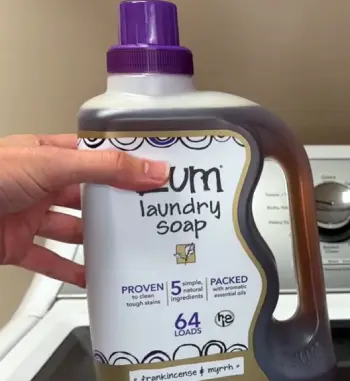
When I first picked up Zum laundry soap, I honestly wasn’t expecting much beyond “another natural detergent.”
I had already tried a few plant-based brands before, and most of them either underperformed or felt too mild for real-life laundry problems like sweat stains, food spills, and gym clothes.
The first thing I noticed was the scent. It wasn’t the overpowering artificial fragrance you get from mainstream detergents.
Instead, it felt earthy, slightly herbal, and surprisingly calming. It made opening the laundry machine a more pleasant experience, not a chemical blast.
On my first wash, I used it on a mixed load—cotton shirts, jeans, and bedsheets. I followed my usual routine and didn’t change anything except the detergent.
After the cycle ended, I checked carefully because I didn’t fully trust a “natural” soap yet. But the clothes actually came out clean. Not just “okay clean,” but genuinely fresh and soft.
What surprised me more was how my skin reacted. I usually get mild irritation from residue-heavy detergents, especially on towels.
After switching to Zum, I noticed less itching and no dryness. That was a big win for me.
Over the next few weeks, I kept testing it on different fabrics and stains. Light stains came out easily, while heavy grease stains sometimes needed a pre-treatment.
But overall, it held up better than I expected for something labeled gentle and natural.
What Makes Zum Laundry Soap Different?
Zum laundry soap stands out mainly because of its ingredient philosophy. It leans heavily into natural oils, essential oils, and plant-based cleaning agents.
Instead of relying on aggressive synthetic surfactants, it uses a more balanced formula that prioritizes skin safety and scent experience.
What I personally appreciate is that it doesn’t try too hard to smell “perfumed.” The fragrance feels intentional but not overwhelming. It’s more like your clothes naturally smell clean rather than artificially scented.
Another noticeable difference is how it behaves in the wash. It doesn’t foam excessively, which initially made me doubt its strength. But foam isn’t equal to cleaning power, and Zum proves that point well.
Performance On Different Fabrics
On cotton clothes, Zum performs very well. Shirts, t-shirts, and bed linens come out fresh without stiffness.
On denim, it maintains color better than many chemical-heavy detergents I’ve used before. My jeans didn’t fade quickly, which was a pleasant surprise.
On delicate fabrics like light scarves or thinner cotton blends, it feels gentle and non-damaging.
For workout clothes, it does a decent job, but if the sweat buildup is strong, I sometimes pre-soak them. That helps boost its effectiveness significantly.
Pros Of Zum Laundry Soap
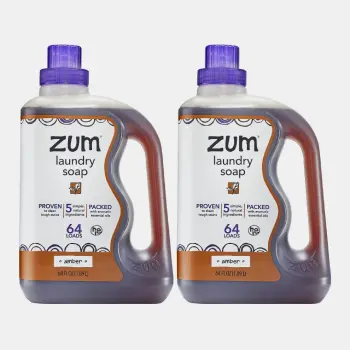
- Gentle on skin and surprisingly comfortable for daily use
One of the strongest reasons I kept using Zum is how gentle it feels on the skin. If you’ve ever dealt with irritation from conventional detergents, you’ll immediately notice the difference.
It avoids harsh chemicals like phosphates, sulfates, and synthetic dyes, which are often the main triggers for dryness or itching.
I found that even towels and bed sheets—items that usually cause mild irritation for me—felt noticeably softer and more comfortable after switching.
Many users with sensitive skin report similar experiences, including reduced flare-ups and fewer reactions over time.
It’s not just marketing talk; the ingredient profile really supports this. It relies on plant-based surfactants and essential oils rather than aggressive cleaning agents, which makes a real difference for everyday comfort.
- Natural scent that feels real, not artificial
The fragrance is honestly one of Zum’s most unique strengths. Instead of the sharp, perfumed smell you get from mainstream detergents, Zum uses essential oils like lavender, patchouli, and frankincense blends.
What I personally like is that the scent feels alive rather than manufactured. It doesn’t scream at you when you open the washer.
Instead, it gives a soft, earthy freshness that lingers lightly on clothes.
Some scents like frankincense & myrrh feel warm and cozy, while sea salt is cleaner and more subtle. This variety makes it easy to pick something based on mood instead of just “clean vs floral.”
- Eco-conscious formulation with fewer harsh chemicals
Another big advantage is its environmental angle. Zum avoids many ingredients that are common in traditional detergents, such as artificial fragrances and harsh surfactants.
From what I’ve seen and experienced, it aligns better with people who prefer more conscious household products. It also tends to be biodegradable, which adds to its appeal if you’re trying to reduce chemical load in your home.
This is one of those benefits you may not notice instantly, but it matters more in the long run.
- Fabric feels softer and less worn out over time
After using Zum for several weeks, I noticed something interesting: my clothes started feeling less “processed.”
Heavy detergents sometimes leave fabric feeling stiff or overly stripped. Zum takes a gentler approach, so clothes maintain a more natural softness.
I also noticed colors holding up better over time, especially on cotton shirts and jeans. They didn’t fade as quickly as they sometimes do with stronger detergents.
- Good for everyday laundry routines
Zum performs best when used for regular laundry—daily wear, bedsheets, towels, and light stains. It’s consistent and reliable in this space.
It also works well in high-efficiency machines because it produces low suds and rinses fairly cleanly, which reduces residue buildup when used correctly.
Cons Of Zum Laundry Soap
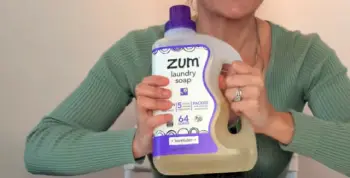
- Not strong enough for heavy-duty stains alone
This is probably the most important limitation. Zum is not a heavy-duty stain fighter in the way brands like Tide or Persil are.
If you’re dealing with grease, deep food stains, or very dirty workout clothes, Zum alone may not fully remove them. I’ve had to pre-treat stains or combine it with extra steps for better results.
It works best for maintenance cleaning, not deep restoration cleaning.
- Scent strength can be inconsistent depending on expectation
This might sound contradictory because I praised the scent earlier—but here’s the reality: people experience it differently.
Some users feel the scent is too strong, especially with patchouli or frankincense blends. Others feel it fades too quickly after drying.
In my case, I found it balanced, but I understand why expectations vary. If you’re used to heavily perfumed laundry products, Zum may feel either “too natural” or “not strong enough.”
- Slight risk of residue buildup if overused
Because Zum is more like a natural soap than a synthetic detergent, using too much can sometimes lead to mild residue buildup.
I noticed this mostly when I over-poured it or washed in hard water conditions. Clothes felt slightly “soft in a strange way,” which some users describe as soap buildup.
The fix is simple: use less detergent and ensure proper rinsing cycles.
- Higher price compared to regular detergents
There’s no sugarcoating this—Zum is more expensive per bottle than common supermarket detergents.
At first, it feels like a premium purchase. However, since it is concentrated and lasts longer per load, the cost balances out somewhat over time.
Still, if you’re on a strict budget, this can be a deciding factor.
- Limited availability in local stores
Depending on where you live, Zum may not always be easy to find in physical stores.
I’ve noticed it’s more commonly available in natural product shops or online. That means planning ahead is sometimes necessary, especially if your preferred scent runs out.
- Not fully “set-it-and-forget-it” for all laundry needs
Unlike stronger detergents that handle everything automatically, Zum sometimes requires a bit of adjustment—less detergent, occasional pre-treating, or choosing the right wash cycle.
It’s not complicated, but it’s not completely effortless either if you’re dealing with varied laundry conditions.
Tips For Zum Laundry Soap
- Use the Right Amount Instead of Overpouring
One of the most common mistakes I made early on was thinking “more detergent equals cleaner clothes.” With Zum, that approach actually backfires.
Zum is concentrated, and it works best in controlled amounts. When you use too much, it doesn’t rinse out completely, especially in low-water cycles or hard water areas. That can leave clothes feeling slightly coated or heavier than usual.
What worked better for me was starting with a smaller amount and adjusting only if needed. For lightly soiled clothes, a modest amount is enough. For heavier loads, I increase slightly—but never double it.
The key mindset shift here is simple: it’s not about volume, it’s about balance.
- Pre-Treat Stains for Better Results
Zum is gentle by design, which means it doesn’t aggressively break down tough stains on its own.
Instead of expecting it to handle everything in the wash cycle, I started pre-treating problem areas.
When I apply a small amount of detergent directly to stains—like food spots, sweat marks, or oil patches—and let it sit for a few minutes before washing, the results improve significantly.
This step is especially helpful for white shirts, kitchen towels, and gym clothes. Without pre-treatment, some stains can linger after washing.
Think of Zum as a “support system” rather than a heavy-duty stain remover.
- Choose the Right Water Temperature
Water temperature makes a bigger difference than most people realize.
For everyday laundry, cold water works fine and helps preserve fabric softness and color. But for sweaty clothes, bed linens, or slightly oily fabrics, warm water improves Zum’s effectiveness noticeably.
I noticed that warm water helps activate the cleaning agents more efficiently, especially for odor removal. However, I avoid hot water unless absolutely necessary because it can sometimes reduce fabric lifespan over time.
So my personal rule is simple:
Cold for daily wear, warm for deeper cleaning.
- Avoid Overloading the Washing Machine
This is a small habit that completely changed my results.
When the machine is too full, clothes don’t move freely, and detergent distribution becomes uneven. With a gentle detergent like Zum, this becomes even more noticeable.
After reducing load size slightly, I started getting cleaner, fresher results with fewer rewash situations. Clothes also came out less tangled and more evenly rinsed.
It may feel like a small inconvenience, but it actually improves performance more than adding extra detergent ever will.
- Run an Extra Rinse Cycle When Needed
If you’ve used a slightly higher amount of detergent or washed thicker fabrics like towels or blankets, an extra rinse cycle can help a lot.
This removes any leftover residue and keeps clothes feeling light and soft instead of slightly coated.
I especially recommend this for people with sensitive skin. It ensures there’s no lingering detergent film that could cause irritation later.
It also helps maintain that natural, fresh Zum scent instead of letting it become too concentrated.
- Clean Your Washing Machine Regularly
This is something many people ignore, but it matters more when using natural detergents.
Because Zum doesn’t rely on heavy synthetic chemicals, it’s more sensitive to buildup inside the machine. Over time, detergent residue, fabric softener traces, and mineral deposits can affect performance.
I started running a monthly empty hot water cycle with a machine cleaner or mild vinegar solution. The difference was noticeable—better cleaning, fresher smell, and fewer residue issues on clothes.
A clean machine always improves detergent performance, no matter how good the product is.
- Store the Detergent Properly
This may sound minor, but storage conditions affect consistency.
I keep Zum in a cool, dry place away from direct sunlight. Heat or humidity can slightly alter the texture or scent over time.
Also, make sure the cap is tightly closed after every use. Since it contains natural oils, exposure to air for long periods can gradually reduce fragrance strength.
Good storage helps maintain both performance and scent quality longer.
Comparison Of Zum Laundry Soap Honest With Other Laundry Brands
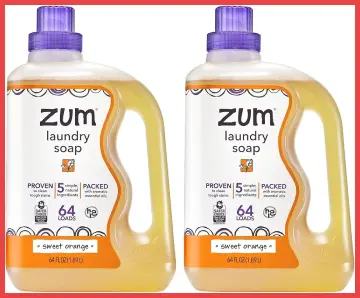
- Zum vs Tide
Tide is powerful—there’s no denying that. It removes heavy stains faster and is widely trusted for industrial-strength cleaning. But in my experience, it also comes with a strong chemical smell and can be rough on sensitive skin.
Zum, on the other hand, is much gentler. It doesn’t outperform Tide on extreme stains, but it wins in comfort, skin-friendliness, and long-term fabric care. If you’re dealing with everyday laundry, Zum feels more balanced.
- Zum vs Seventh Generation
Seventh Generation is another eco-friendly competitor. Both brands focus on plant-based ingredients, but I found Zum’s scent experience more natural and enjoyable. Seventh Generation feels more neutral and functional, while Zum adds a sensory element that makes laundry less boring.
Cleaning performance is quite similar, but Zum edges ahead slightly in fragrance satisfaction.
- Zum vs Arm & Hammer
Arm & Hammer is known for baking soda-based cleaning power and odor removal. It is strong on odors but tends to feel more industrial.
Zum is softer in approach. It doesn’t aggressively attack smells but instead neutralizes them while adding a natural scent layer. If you want something harsh and fast, Arm & Hammer wins. If you want balance and gentleness, Zum is better.
- Zum vs Persil
Persil is another heavy-duty detergent with excellent stain removal. It often beats Zum in raw cleaning strength, especially on tough grease or outdoor stains.
However, Persil can feel chemically intense. Zum sacrifices a bit of power for comfort and natural composition. I see Persil as “performance first,” while Zum is “well-being first.”
Overall Cleaning Experience And Real-Life Use
Using Zum consistently has changed how I view laundry. It feels less like a chemical-heavy chore and more like a cleaner, calmer process.
The results are not extreme or industrial-strength, but they are steady, reliable, and comfortable.
I also noticed that my laundry space doesn’t smell like artificial fragrance anymore.
Instead, it has a mild herbal freshness that feels more natural and less intrusive.
Over time, this consistency is what made me stick with it. It may not replace heavy-duty detergents for extreme cleaning situations, but for everyday use, it fits surprisingly well.
Also Read: Is Oxydol Laundry Detergent Worth It?
Frequently Asked Question (FAQ)
It is generally considered gentle and made with plant-based ingredients.
Natural, fragrance-light, and plant-based detergents are usually preferred for sensitive users.
It is produced by Indigo Wild.
Frankincense and myrrh is one of the most widely appreciated scents.
Wrapping up
After using Zum laundry soap for an extended period, I can say it fits best for people who want a balance between cleanliness, skin comfort, and natural fragrance.
It’s not the strongest stain fighter, but it is one of the most comfortable daily-use detergents I’ve tried.
If you value gentle cleaning and a more natural laundry experience, this is worth trying.
Recent Posts
● Interactive 5-Zone Interior & Exterior Paint Blueprint Paint Coverage Calculator: Gallons, Primer, Square Footage & Cost Tap any architectural surface zone on the blueprint...
If you want smooth, shiny hair without spending a fortune on a premium styling tool, the Ella Bella hair dryer may be worth considering.In these Ella Bella hair dryer reviews, I’ll look...