
I look at brake calipers as one of those parts where price matters, but dependable stopping performance matters more.
After examining the A-Premium brake caliper as an aftermarket replacement, I found several practical reasons it can appeal to drivers who want a straightforward repair without paying premium dealership prices.
If your existing caliper is seized, leaking, corroded, or causing uneven braking, I think A-Premium is worth considering when you confirm exact vehicle compatibility and choose the correct configuration.
For a budget-conscious brake repair, I would buy it from a reputable seller and pair it with quality pads and proper installation.
My First Experience With The A-Premium Brake Caliper
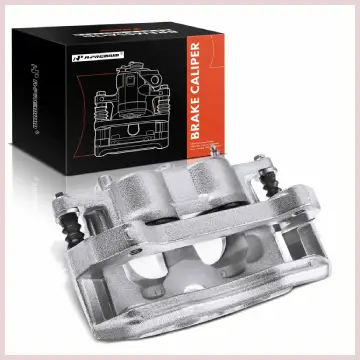
When I evaluate an aftermarket brake caliper, I don’t judge it by appearance alone.
A caliper is a functional safety component, so I pay attention to fitment, construction, piston movement, seals, hardware, and how consistently it should apply pressure to the brake pad.
My first impression of the A-Premium brake caliper is that it is designed around the practical needs of replacement.
That’s important because most people aren’t upgrading their entire braking system when they buy a replacement caliper.
They’re usually trying to solve a specific problem: a sticking piston, damaged seal, fluid leak, excessive rust, uneven pad wear, or a caliper that simply isn’t functioning correctly.
The installation experience can vary depending on the vehicle and the exact A-Premium caliper configuration.
That’s why I would never order one based only on the vehicle’s year and model. I would check the engine, trim, brake configuration, axle position, and OEM-equivalent specifications before purchasing.
Once installed correctly, the basic expectation is simple: the piston should move properly, the pads should contact the rotor evenly, and hydraulic pressure should be converted into predictable clamping force. That’s where a replacement caliper earns its keep.
I also appreciate that aftermarket replacement parts can make an otherwise expensive brake repair more manageable. If one caliper is defective, replacing the entire vehicle’s braking system may make little sense. A correctly matched replacement can address the problem without unnecessary spending.
However, I wouldn’t treat any inexpensive caliper as an automatic upgrade. Brake components need careful inspection and proper installation. I would also inspect the rotor, pads, brake hose, slide pins, and surrounding hardware rather than replacing the caliper and assuming everything else is fine.
For me, that’s the biggest takeaway from using an aftermarket replacement approach: the caliper is only one part of the braking system. Its performance depends heavily on everything around it.
What Makes An A-Premium Brake Caliper Worth Considering?
A-Premium positions its replacement components around everyday vehicle repair, and that approach makes sense for drivers who aren’t necessarily looking for racing equipment or an elaborate performance braking package.
When I consider a replacement caliper, one of the biggest advantages is getting the braking system back to its intended operating condition. A worn or seized caliper can create much bigger problems if you ignore it. It may cause uneven pad wear, excessive heat, pulling during braking, reduced braking efficiency, or premature rotor damage.
A replacement caliper can therefore be a relatively simple solution to a frustrating problem.
- Vehicle-Specific Fitment
Fitment is arguably the most important factor.
You don’t want a caliper that is merely “close enough.” You need one designed for your particular braking setup. Different trims and model years can use different caliper dimensions, piston sizes, mounting arrangements, or brake configurations.
I always recommend comparing the replacement against the original specifications before installation. If you’re ordering online, carefully check the listed compatibility information.
- Brake Piston Function
The piston is responsible for pushing the brake pad against the rotor when hydraulic pressure reaches the caliper.
If the piston becomes stuck, corroded, or difficult to retract, braking performance can suffer. A properly functioning replacement caliper should allow controlled piston movement and consistent pad pressure.
That’s one of the main reasons I’d consider replacing a damaged caliper instead of repeatedly trying to work around a failing one.
- Sliding Hardware
On floating caliper designs, the slide pins allow the caliper to move so pressure is distributed correctly across the pads.
I pay attention to these components because a perfectly good caliper can still perform poorly if the slide pins are seized or improperly lubricated.
When installing an A-Premium caliper, I would inspect the complete mounting system rather than focusing only on the casting.
- Hydraulic Sealing
Brake fluid needs to remain contained inside the hydraulic system. Seals therefore have an extremely important job.
A replacement caliper should be inspected carefully for fluid leakage and damaged seals before installation. After installation, I would check all connections and bleed the braking system correctly.
Pros Of A-Premium Brake Calipers
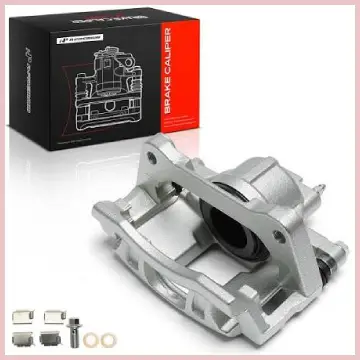
- Cost-Friendly Replacement
The biggest attraction for me is the potential value.
Brake repairs can become expensive quickly when labor, pads, rotors, hoses, and other components are added to the bill. A reasonably priced replacement caliper gives you another option when the original unit has failed.
If your vehicle doesn’t need a high-performance racing setup, spending substantially more on a specialized caliper may not provide a meaningful benefit for normal commuting.
- Practical Everyday Performance
For ordinary driving, I want predictable braking more than flashy specifications.
A replacement caliper that restores proper hydraulic clamping and pad movement can make a noticeable difference when the original component is malfunctioning.
I like that the purpose is straightforward. You install the correct component, complete the hydraulic work properly, and restore the brake system to functional condition.
- Broad Aftermarket Appeal
A-Premium offers replacement components across many vehicle applications. That can make it easier to find an aftermarket solution for vehicles where the original caliper has become expensive or difficult to source.
Still, I would verify every application individually rather than assuming that a brand’s broad catalog guarantees compatibility.
- Useful for Targeted Repairs
If only one caliper has developed a problem, a replacement can be a practical solution.
For example, if I find that one front caliper has a seized piston while the opposite side is operating normally, replacing the defective component may be more sensible than replacing parts that don’t need replacement.
Of course, I would inspect both sides before making that decision.
- Straightforward Maintenance
Calipers aren’t maintenance-heavy components by themselves, but they benefit from regular brake inspections.
Keeping slide hardware clean and properly lubricated, monitoring pad wear, checking brake fluid, and inspecting for corrosion can help the entire braking system work properly.
Cons Of A-Premium Brake Calipers
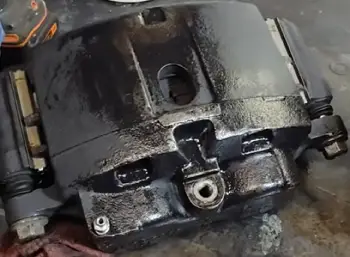
- Quality Can Depend on the Specific Application
One thing I wouldn’t ignore is that aftermarket parts can vary between applications.
The fact that one A-Premium caliper fits and performs well on a particular vehicle doesn’t automatically mean every caliper in the product range will provide the same experience.
That’s why I would evaluate the exact part rather than judging an entire aftermarket catalog from one product.
- Fitment Must Be Verified Carefully
This isn’t really a problem unique to A-Premium, but it matters.
If you select the wrong piston configuration, mounting arrangement, or brake application, installation can become frustrating or impossible.
I would use the original component’s specifications and the vehicle’s exact configuration before ordering.
- Not Intended as a Racing Upgrade
If you’re building a track-focused car, your requirements are different.
A conventional replacement caliper is intended to restore braking function, not necessarily transform the vehicle into a competition machine.
For everyday driving, that’s perfectly reasonable. For repeated high-temperature track use, I would look at purpose-built performance braking components instead.
- Installation Requires Care
Brakes aren’t a component where I recommend cutting corners.
A caliper replacement can involve removing brake lines, bleeding the system, correctly positioning hardware, and checking for leaks. If you don’t have experience with brake repairs, professional installation is the safer choice.
Maintenance Tips For A-Premium Brake Caliper
- Inspect for Brake Fluid Leaks
Whenever I inspect a caliper, I look around the hydraulic connection and piston area for signs of fluid leakage.
Brake fluid shouldn’t be treated casually. A leak can reduce hydraulic pressure and compromise braking performance.
If you notice wetness around the caliper or a falling brake-fluid level, I would investigate it immediately.
- Keep Slide Pins Moving Freely
For applicable caliper designs, slide pins are crucial.
If they become corroded or seized, the caliper may not move as intended. That can create uneven pad wear and potentially cause one pad to work harder than the other.
During brake service, I would remove and inspect the slide pins, clean them appropriately, and use brake-component-compatible lubricant where specified.
- Monitor Brake Pad Wear
I don’t wait until the pads are completely worn before checking them.
Uneven wear can sometimes point toward a caliper or slide-hardware problem. If one pad is dramatically thinner than its partner, I would investigate the cause rather than simply installing another set of pads.
- Inspect the Rotor
A damaged caliper can contribute to rotor problems through excessive friction or uneven pad contact.
When replacing a caliper, I would inspect the rotor for deep scoring, heat damage, cracks, severe corrosion, or abnormal wear.
Installing a new caliper against a severely damaged rotor doesn’t make much sense.
- Bleed the Brake System Properly
After hydraulic work, proper bleeding is essential.
Air trapped in the brake lines can create a soft or spongy pedal. I would follow the vehicle manufacturer’s bleeding procedure and make sure the pedal feels firm before driving.
If the pedal remains unusually soft, I would not consider the job finished.
- Watch for Pulling
If the vehicle pulls noticeably to one side during braking, pay attention.
A sticking caliper can contribute to uneven braking force. Tire problems, suspension issues, alignment, and other brake components can also cause pulling, so I wouldn’t automatically blame the caliper.
- Avoid Contaminating Brake Components
Brake pads and rotors need clean friction surfaces.
I keep grease, oil, and other contaminants away from the pad friction material and rotor surface. If contamination occurs, the affected components need appropriate cleaning or replacement depending on the severity.
- Don’t Ignore Unusual Heat or Smell
After driving, one wheel that becomes dramatically hotter than the others can indicate excessive brake drag.
A burning smell, smoke, abnormal wheel heat, or persistent grinding deserves immediate attention.
I would rather inspect the vehicle early than wait for a minor brake issue to become a major repair.
- Check the Brake Pedal
Your brake pedal gives you useful information.
A firm, predictable pedal is what I want. If it suddenly becomes soft, sinks unusually far, or feels different from normal, I wouldn’t keep driving casually until the braking system has been checked.
Comparison Of A-Premium Brake Caliper Compared With Other Brands
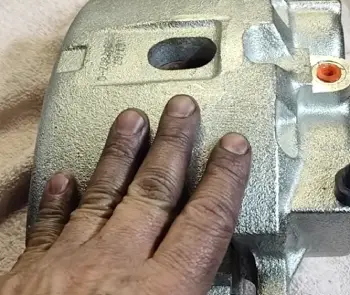
- A-Premium vs. OEM Replacement Calipers
An OEM caliper is designed specifically for the vehicle and typically provides a direct reference point for original specifications.
A-Premium’s appeal is more centered on aftermarket replacement value. If I’m repairing an older daily driver, the lower replacement cost can be attractive.
However, I would compare exact specifications rather than assuming one is universally better.
- A-Premium vs. Economy Aftermarket Calipers
Compared with generic low-cost alternatives, I would pay particular attention to fitment information, construction, warranty coverage, included hardware, and seller reputation.
The cheapest option isn’t necessarily the cheapest repair if poor fitment creates installation problems.
- A-Premium vs. Performance Brake Calipers
Performance calipers serve a different purpose.
They’re commonly paired with larger rotors, specialized pads, upgraded brake lines, or other performance components. They’re intended for drivers who demand greater thermal capacity or repeated aggressive braking.
For normal commuting, an appropriately matched replacement caliper can be a much more practical choice.
- A-Premium vs. Remanufactured Calipers
Remanufactured calipers can offer another cost-conscious option.
The important difference is that a remanufactured unit has been rebuilt from an existing component, while a replacement aftermarket unit may use newly manufactured components depending on the specific product.
When I compare them, I look beyond price and consider condition, warranty, included hardware, piston and seal condition, and the reputation of the particular supplier.
Is A-Premium Right For Your Vehicle?
For me, the answer depends heavily on what you’re trying to accomplish.
If you’re dealing with a damaged or malfunctioning caliper on a daily driver, the A-Premium option can make sense when the exact part matches your vehicle and the installation is performed correctly.
If you’re chasing maximum braking performance for track driving, I would approach the decision differently.
The most important thing is not choosing a caliper simply because its price looks attractive. You want the correct piston configuration, mounting arrangement, brake-line connection, and overall compatibility.
I would also consider replacing calipers in pairs when appropriate, particularly when both components have similar age and wear. Whether that’s necessary depends on the vehicle, condition of the existing parts, and professional inspection.
Frequently Asked Questions (FAQ)
A-Premium can be a practical aftermarket option, particularly for replacement parts. Exact quality should be judged by the specific part and vehicle application.
A-Premium offers replacement brake calipers designed for various vehicle applications. Proper fitment and installation are essential.
There isn’t one universal best brand. OEM, aftermarket, remanufactured, and performance calipers serve different needs.
Reddit discussions can vary widely. Individual experiences aren’t enough to establish the quality of every A-Premium brake caliper.
Final Thoughts
After looking at what matters most in a replacement brake caliper, I see A-Premium as a practical option for drivers who want to address a failing caliper without automatically paying OEM-level prices. The key is proper fitment and installation.
I wouldn’t buy one blindly, but if the specifications match your vehicle and you’re repairing a normal daily driver, I think it’s worth considering.
If your current caliper is sticking, leaking, or wearing pads unevenly, I’d rather replace the defective component than keep driving with questionable braking performance.
Recent Posts
I tried Meltoway Hair Dissolving Cream because I wanted a quick way to deal with unwanted body hair without reaching for a razor every few days. If you are looking for a convenient at-home...
If you’re considering a saffron-based supplement to support mood, appetite control, and everyday wellness, Happy Saffron Plus is worth considering.I like that it takes a familiar botanical...