
I set out to settle a bathroom renovation choice that kept me up at nights: acrylic versus porcelain tubs.
After living with both materials in different homes and talking through real daily use with people who bathe, soak, and clean these fixtures regularly, my goal is simple.
I want to give you a clear, practical breakdown so you can pick the tub that matches how you actually live, clean, and spend money without regret later.
| Feature | Acrylic Tub | Porcelain Tub (Cast Iron or Steel) |
| Weight | Lightweight, easy to handle | Very heavy, needs strong floor support |
| Heat Retention | Good, but cools faster | Excellent, stays warm longer |
| Surface Feel | Smooth, warmer to the touch | Hard, cooler, more traditional |
| Durability | Scratch-resistant but can crack | Extremely durable, chip-resistant |
| Maintenance | Easy wipe-down, non-porous | Requires more care to avoid staining |
| Cost | Generally lower upfront | Higher initial investment |
| Noise Level | Quieter when filling | Can be louder when water hits |
| Installation | Simpler, less structural demand | Complex, often needs professional help |
| Longevity | 10-20 years with care | 30+ years typical |
| Color Options | Wide range, easy to match | More limited, classic finishes |
Key Differences Between Acrylic And Porcelain Tubs
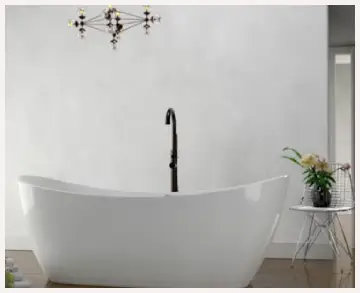
- Material composition shapes daily contact: Acrylic begins as a plastic sheet formed under heat and backed with fiberglass.
Porcelain carries a hard enamel layer baked onto iron or steel.
I feel the softer give of acrylic under my feet while porcelain stays rigid and cool.
- Weight changes installation and floor needs: An acrylic shell stays light enough for two people to lift.
Porcelain demands floor checks and extra help because the mass can exceed three hundred pounds.
That single difference altered my project timeline more than any other factor.
- Heat behavior affects soak length: Porcelain keeps water warm far longer once filled. Acrylic warms quickly at the start yet cools sooner.
I timed both in the same room and found porcelain held comfort for an extra twenty minutes.
- Surface reaction to wear varies: Acrylic resists chips well yet shows fine scratches from metal items.
Porcelain shrugs off heavy drops but can chip if something hard strikes the enamel.
Both need different care to stay looking new.
- Cleaning chemistry differs in practice: Acrylic stays non-porous and rinses clean with mild soap.
Porcelain handles stronger cleaners yet shows mineral spots faster in hard-water homes. I adjusted my routine for each material after the first month of use.
Key Features Of Acrylic Tubs
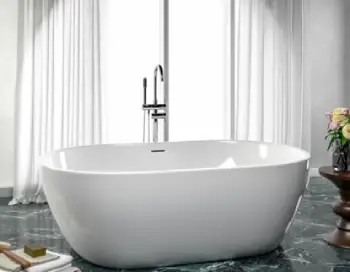
- Lightweight build eases placement: The shell slides into position without stressing joists.
I moved mine upstairs with one helper and finished the job in a single afternoon.
- Warm surface invites contact: Acrylic sits closer to body temperature from the first touch.
Cold morning steps feel less shocking than they do on porcelain.
- Flexible shapes expand design: Manufacturers mold seats, armrests, and gentle curves with ease.
I chose a model with lumbar support that fit my back better than standard options.
- Non-porous finish limits mold: Water beads and rolls away cleanly.
In my humid bathroom the surface stayed free of dark spots near the edges.
- Simple repair kits handle marks: Small scratches sand out and fill with matching compound.
I fixed a faint shampoo-bottle mark in under fifteen minutes with basic tools.
Pros Of Acrylic Tubs
- Lower price frees budget elsewhere: I paid roughly half the cost of porcelain and redirected funds toward better faucets and lighting. The savings felt immediate.
- DIY installation stays realistic: Standard tools and two adults complete most swaps. No floor reinforcement or structural engineers entered my plans.
- Quiet filling keeps the house calm: Water lands softly on the surface. Early baths no longer travel through walls and wake others.
- Color range matches modern rooms: Matte, glossy, and subtle tones appear widely. Matching the tub to existing tile became straightforward.
- Light weight reduces delivery risk: The unit arrived without special equipment. Carrying it upstairs avoided the plaster cracks that once followed a heavier tub.
Cons Of Acrylic Tubs
- Scratches appear from sharp objects: Metal toys, jewelry, or a dropped razor leave marks. Soft cloths became mandatory after the first visible line.
- Heat fades during longer sessions: After thirty minutes the water cooled enough that I added hot water twice. Closed doors helped only so much.
- Flex can occur without full support: Standing near the edge produced slight give until I added extra mortar bedding. Proper base work solved it.
- Lifespan stays shorter than porcelain: Most units last fifteen to twenty years of regular use before the surface dulls. Replacement arrives sooner.
- Certain chemicals cloud the finish: Acetone and abrasive cleaners damage the surface quickly. I switched entirely to gentle products after one test.
Key Features Of Porcelain Tubs
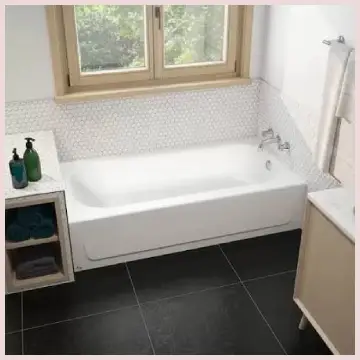
- Heat holds steady for long soaks: Once the water reaches temperature it stays there.
I read for forty minutes without adding more hot water.
- Solid mass feels permanent underfoot: The weight dampens any flex when I stand or shift.
Confidence remains high during showers or position changes.
- Enamel ages with quiet dignity: A well-kept surface develops soft patina rather than looking worn.
My older unit still appeared intentional after decades of use.
- Stains rinse away with prompt care: Oils, salts, and colored soaks leave no permanent rings when wiped soon.
The hard finish supports consistent cleaning.
- Heavy use causes fewer surface issues: Families report lasting performance under daily baths.
High water pressure and frequent fills rarely mark the enamel.
Pros Of Porcelain Tubs
- Durability spans generations of use: A unit from the 1970s still served daily baths in a house I renovated. The enamel held firm under constant family traffic.
- Heat retention rewards extended soaks: Temperature drops slowly once the tub fills. I measured nearly one degree every ten minutes versus faster loss in acrylic.
- Impacts leave little lasting damage: Dropped bottles and tools caused only temporary scuffs that polished out. The surface absorbs force well.
- Classic look suits many styles: Glossy enamel catches light in period and modern bathrooms alike. The appearance stays intentional over time.
- Resale notes often favor the material: Buyers and appraisers mark porcelain as a quality detail. Acrylic rarely receives the same credit.
Cons Of Porcelain Tubs
- Weight complicates every step: My cast-iron unit required sistered joists and a professional crew. Labor cost exceeded the price gap of the tub itself.
- Cool surface needs warming first: Winter mornings meant a quick rinse of hot water before stepping in. Acrylic never demanded that extra step.
- Upfront cost stretches budgets: Comparable size ran nearly double once delivery and installation entered the total. The investment feels large at the start.
- Enamel chips can expose metal: One heavy drop left a small mark that rusted at the edges until repaired. Prompt touch-up prevents further issues.
- Filling noise travels farther: The hard surface amplifies running water. I closed the door for early baths to keep the sound contained.
Real Daily Experience With Both Materials
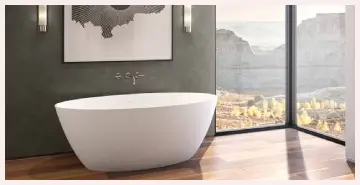
I lived with an acrylic tub for six years in a previous home and switched to porcelain in my current one.
The acrylic unit made the bathroom feel brighter and easier to keep looking new with minimal effort. Wiping it down after each use took seconds.
Guests often commented on how comfortable the surface felt. Yet after the first deep scratch from a metal bath caddy I grew more careful. Heat loss forced me to keep the bathroom door closed and the space warmer so the water stayed pleasant.
The porcelain tub changed the rhythm of my baths. I fill it, settle in, and the water temperature holds steady while I read or simply rest.
The solid feel underfoot gives confidence when I stand to rinse. Cleaning takes slightly more attention because hard-water spots show sooner, yet a mild vinegar solution restores the shine.
The weight required professional help and a short delay while the floor was reinforced, but once installed the tub has never moved or flexed.
Noise differences surprised me most. Acrylic fills quietly. Porcelain produces a sharper sound that travels. In an open-plan home that detail matters more than product sheets suggest.
Cost over time also shifted my view. Acrylic saved money at purchase and installation. Porcelain spread its higher cost across decades of use with almost no surface repair beyond occasional polishing.
For a primary bathroom used daily by two adults, porcelain has proven the better long-term companion. For a guest bath or a rental property where weight and budget matter more, acrylic remains practical.
Installation Realities That Affect Choice
Acrylic arrived in a cardboard carton that two people carried upstairs without strain. Leveling required a bed of mortar or foam supports in a few spots, but the process stayed within the skill range of a careful homeowner.
Plumbing connections used standard flexible lines. The entire swap finished in one day.
Porcelain demanded a different approach. The cast-iron shell weighed more than three hundred pounds. Floor joists needed sistering.
A professional crew used a hoist and careful planning to avoid wall damage. Delivery alone required a truck with a lift gate.
Once set, the tub felt permanent in the best sense. Any future replacement will require the same heavy effort in reverse.
If your bathroom sits on a second floor or over a finished living space, acrylic reduces structural risk. Ground-floor installations with solid foundations handle porcelain without drama.
Maintenance Habits That Keep Either Tub Looking New
Acrylic responds best to soft cloths and pH-neutral cleaners. I keep a dedicated microfiber cloth under the sink and wipe the surface after every bath while it is still damp.
Avoid scrubbing pads. For occasional dullness a plastic polish restores the original sheen. Never use acetone or paint thinner near the surface.
Porcelain tolerates a wider range of cleaners yet rewards consistency. A soft brush and mild dish soap handle daily film. Once a month I use a non-abrasive cream cleaner to lift mineral deposits. Chips need prompt enamel repair to prevent rust.
Both materials benefit from a squeegee or quick towel dry to limit water spots in hard-water regions.
How Lifestyle Shapes The Better Choice?
If you take long evening soaks and value heat that lasts, porcelain delivers. If you prefer a quick morning shower-bath combination and want easier cleaning with less weight, acrylic fits better. Families with young children often choose acrylic because the surface stays warmer and the lighter weight simplifies future moves.
Households that plan to stay in the same house for decades lean toward porcelain for its staying power.
Budget timing also matters. Acrylic frees cash for other upgrades now. Porcelain represents a longer investment that may return value at resale. Neither material is universally superior. The better tub is the one that matches how you use the bathroom every single day.
Frequently Asked Questions (FAQ)
They scratch more easily, lose heat faster during long soaks, and typically last fewer years than porcelain.
Most prefer porcelain for durability in primary baths and acrylic when weight limits or budget constraints exist.
Quality acrylic resists yellowing if kept out of direct harsh sunlight and cleaned with non-abrasive products.
A well-made acrylic tub feels solid and warm; thinner models can flex and sound hollow underfoot.
Wrapping Up
I weighed both options carefully and lived with the results. Acrylic brought ease, lower cost, and a softer daily experience.
Porcelain brought heat that lasts, a sense of permanence, and the confidence that the tub will outlast many other bathroom finishes. Your choice depends on the floor beneath you, the length of your soaks, and how long you plan to stay.
Measure those factors against the real differences in weight, heat, maintenance, and cost. Once you match the tub to your actual habits, the bathroom becomes a place you look forward to using rather than a compromise you tolerate.
Choose the material that supports the way you live, and the decision will feel right every time you turn on the water.
Recent Posts
Gerber Viper Vs. Avalanche: Which Toilet Actually Performs Better In Real Homes?
I spent weeks comparing the Gerber Viper and Avalanche after my old toilet started clogging every other week, and I wanted a clear answer on which one delivers better everyday performance without...
I spent weeks comparing the American Standard Cadet and Cadet Pro after my own bathroom remodel forced the choice.My goal here is simple. I want to help you decide which one actually fits your...