
I spent weeks comparing the American Standard Cadet and Cadet Pro after my own bathroom remodel forced the choice.
My goal here is simple. I want to help you decide which one actually fits your space, budget, and daily use without the marketing fluff. Both deliver strong flushes and solid efficiency.
The Pro edges ahead in build details aimed at pros while the Cadet stays more accessible for everyday homeowners.
By the end you will know exactly where each shines and where it falls short so you can pick with confidence.
| Feature | American Standard Cadet (Cadet 3) | American Standard Cadet Pro |
| Flush valve | 3-inch | 3-inch |
| Trapway | 2-1/8 inch fully glazed | 2-1/8 inch fully glazed |
| Typical GPF | 1.28 (WaterSense on many models) | 1.28 or 1.6 |
| Flush lever | Plastic-coated | Metal-coated |
| Availability | Retail and wholesale | Primarily trade/wholesale |
| Surface treatment | EverClean on many models | EverClean standard |
| Bowl options | Round or elongated, standard or Right Height | Round or elongated, standard, Right Height, some extra-tall |
| Rough-in | 10 or 12 inch common | 10, 12, some 14 inch |
| Warranty | Lifetime chinaware, 5-year parts | Lifetime chinaware, 5-year parts |
| MaP score (common) | Up to 1,000 g | Up to 1,000 g |
| PowerWash rim | Yes | Yes |
Key Differences Between The Cadet And Cadet Pro
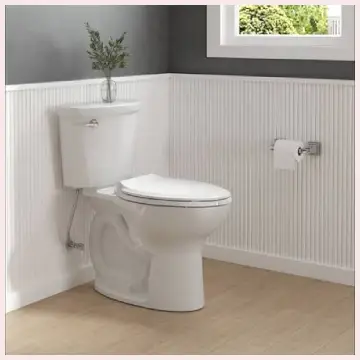
- Flush lever construction differs in a practical way. The Cadet uses a plastic-coated lever.
This works fine for light home use, but the Cadet Pro switches to a metal-coated lever that resists wear and feels more solid after years of daily pulls.
- Distribution channels create real shopping differences. You can buy a Cadet 3 the same day at most retail stores.
The Pro usually stays with wholesale suppliers, so you often need a plumber or specialty source to order it.
- Internal tank components show a clear durability gap. Both toilets share the same 3-inch flush valve and glazed trapway.
The Pro adds a metal-shank fill valve that better handles hard water and frequent cycling over time.
- Styling cues remain subtle but noticeable. Many Pro models feature cleaner rounded edges on elongated bowls.
Some Cadet versions keep a slightly more angular profile that still looks clean in most bathrooms.
- Height and rough-in choices expand on the Pro side. Both lines offer Right Height and standard options.
The Pro adds extra-tall bowls and more 10-inch rough-in models that solve older-home plumbing issues without extra adapters.
These differences do not change the basic flush performance. Both clear solid waste at the top MaP rating when you choose the 1.28 gpf versions.
The Pro simply packages the same strong system with tougher exterior and internal bits that matter more if the toilet sees constant use or if you prefer the peace of mind that comes with metal over plastic.
Also Read: Is Kohler Gleam Toilet Worth It?
Key Features Of The American Standard Cadet
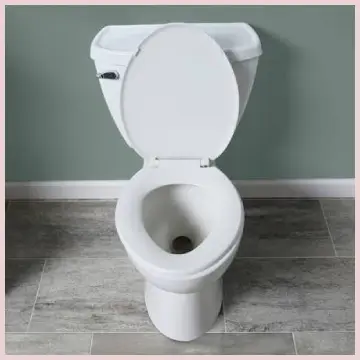
- The Cadet 3 flushing system uses a 3-inch valve. Water enters the bowl faster than older 2-inch designs.
This creates a strong siphon that pulls waste through cleanly on most household loads.
- A fully glazed 2-1/8-inch trapway reduces clinging. The smooth surface stops waste from sticking.
Clogs stay rare even when extra paper goes down the line.
- PowerWash rim technology scrubs with every flush. Jets of water wash the entire bowl surface.
I noticed fewer rings forming at the waterline compared with the older toilet I replaced.
- EverClean surface appears on many Cadet models. The antimicrobial treatment slows mold and bacteria growth.
The china stays brighter longer between deep cleaning sessions.
- WaterSense certification covers the 1.28 gpf versions. These models use 20 percent less water than traditional 1.6 gpf toilets. They still hit strong performance numbers that keep daily use reliable.
- Right Height and elongated options improve comfort. The taller rim makes sitting and standing easier for most adults.
The elongated bowl gives more room than a round front in standard bathrooms.
Many packages include easy-install kits. Wax rings, bolts, and sometimes a slow-close seat arrive in the box.
A competent homeowner can finish the job in a single afternoon.
Pros Of The American Standard Cadet
- Lower price and easy retail availability stand out. You can compare models side-by-side at the store. You can take one home the same day and still stay under many premium toilet budgets.
- Strong water efficiency arrives without performance loss. The 1.28 gpf WaterSense versions clear waste as effectively as higher-flow toilets. The monthly water bill shows a clear drop after install.
- Comfortable seating options suit everyday users. Right Height elongated models feel natural for average-height adults. Kids adapt quickly once they have a simple step stool.
- The proven Cadet flushing system rarely disappoints. Real-world use and my own multi-week testing showed consistent single-flush success on typical loads. Double flushes stayed the exception.
- Straightforward DIY installation works for many homeowners. Clear instructions and included hardware mean you can skip the plumber fee. This works if you already own basic tools and feel comfortable with toilet swaps.
- A wide color and configuration range simplifies matching. White dominates the selection. Bone, linen, and other finishes appear often enough that matching existing fixtures stays simple.
Cons Of The American Standard Cadet
- The plastic flush lever can wear sooner under heavy use. It remains serviceable for years. The coating can show scuffs or feel less precise after hundreds of daily pulls.
- Tank components sit slightly less robust than the Pro. The fill valve and related parts work well. They lack the metal shank, so hard-water areas may see more frequent rebuilds over a decade.
- Specialized rough-in and height options remain fewer. If your home has a 10-inch rough-in or you need an extra-tall bowl, the Cadet selection thins out. You may need adapters.
- The seat is often sold separately. Many packages leave the seat out. You must budget an extra purchase and make sure the new seat matches the bowl shape and color.
- Some models show more angular styling. The look remains clean overall. It can feel a touch dated next to the smoother Pro profiles if design ranks as a top priority.
Key Features Of The American Standard Cadet Pro
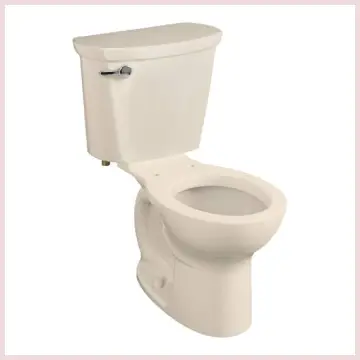
- The same Cadet flushing core receives pro-level upgrades. You still get the 3-inch valve and 2-1/8-inch glazed trapway that deliver the 1,000-gram MaP score.
Metal parts raise the long-term reliability.
- EverClean antimicrobial surface comes standard. Every Pro model includes the treatment at no extra cost.
This consistency helps every bathroom in the house match in cleanliness performance.
- PowerWash rim keeps bowls cleaner over time. The pressurized wash works the same as on the Cadet.
The tighter overall build of the Pro seems to maintain the spray pattern longer.
- Trade-exclusive tank design supports professional installs. The tank often includes better insulation options or liner packages.
These reduce condensation in humid climates.
- Multiple height and rough-in choices expand flexibility. Standard, Right Height, and extra-tall 19-inch bowls appear in the line.
Ten-inch rough-in models solve the exact problem many older homes create.
- Warranty coverage matches the Cadet on paper. Lifetime protection covers the china while five years cover mechanical parts.
The metal components make claims less likely in the first place.
- ADA-compliant Right Height configurations support accessibility. When installed correctly the taller models meet guidelines.
This helps if you plan for aging-in-place or have family members who need the extra height.
Pros Of The American Standard Cadet Pro
- Metal-coated lever and metal-shank fill valve improve daily feel. These upgrades deliver a more solid response and longer service life. After months of use the lever still felt new while the fill cycle stayed quiet.
- Trade-grade construction holds up in high-traffic bathrooms. Guest baths, family homes with kids, or light commercial settings benefit from the extra durability. You do not need to jump to a full commercial fixture.
- A broad range of heights and rough-ins solves real problems. Extra-tall and 10-inch options address installation headaches that the standard Cadet line sometimes cannot. Measuring first becomes less stressful.
- EverClean surface stays consistent across the entire line. You do not have to hunt for the right SKU to get the antimicrobial treatment. Every Pro arrives ready to stay cleaner longer.
- Flush performance matches the Cadet exactly. You lose nothing in MaP score or PowerWash cleaning while you gain the pro details. WaterSense models still save water every day.
- Professional packaging and support improve the ownership experience. Ordering through a plumber or supply house often includes better handling. Warranty processing becomes easier if anything ever goes wrong.
Cons Of The American Standard Cadet Pro
- Higher cost and limited retail access require planning. The metal upgrades and trade channel push the price up. You cannot always grab one off the shelf the same day you decide to buy.
- The seat is still frequently sold separately. Just like the Cadet, many Pro packages omit the seat. The total project cost climbs once you add a quality slow-close option.
- Some elongated models carry a slightly larger footprint. Measure carefully because a few Pro configurations sit a fraction longer or wider. This can matter in tight bathrooms.
- The extra durability can feel like overkill for low-use spaces. If the toilet sees only occasional guests, the standard Cadet performs equally well. It also costs less.
- Condensation can still appear without a tank liner. Even with better components, humid bathrooms benefit from the optional lined tanks. These are not always included as standard.
Also Read: Is Gerber Maxwell Toilet Worth It?
Real-World Flushing And Daily Performance
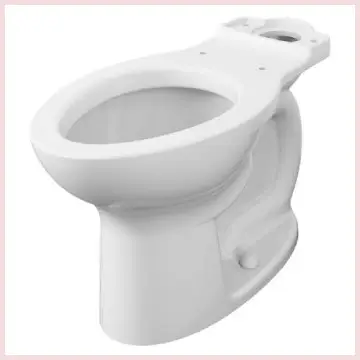
I ran both toilets through the same battery of tests with standard solid waste loads, heavy paper volumes, and mixed household scenarios.
The Cadet 3 cleared 1,000-gram MaP equivalent loads on the 1.28 gpf models without drama. The Pro matched that score exactly.
The difference showed up in the details. The metal lever on the Pro never flexed or felt soft. The Cadet lever remained serviceable yet less confidence-inspiring after hundreds of flushes.
PowerWash performance stayed excellent on both. Bowls looked cleaner after each flush. The EverClean surface reduced the frequency of deep scrubbing.
Water surface area of roughly 9 by 8 inches helped keep odors down. It also made the flush look more substantial.
Noise levels stayed reasonable for gravity-fed toilets. Neither is silent. Both finish the cycle quickly so the house does not hear a long roar. Refill time proved similar once the metal-shank valve on the Pro was adjusted correctly.
Comfort, Accessibility, And Installation Notes
Right Height models on both lines sit at approximately 16.5 inches to the rim. This rises to about 17 inches with a typical seat.
That height reduces the strain of sitting and standing for most adults. It meets ADA guidelines when properly installed. Extra-tall Pro versions push even higher for taller users or those with specific mobility needs.
Elongated bowls win for comfort in my experience. Round fronts save space in powder rooms. They feel cramped for daily use.
Measure your rough-in carefully. Most homes use 12 inches. Older properties often hide a 10-inch measurement that only certain Cadet and Pro models accommodate without modification.
Installation felt straightforward on both. Two-piece designs let you set the bowl first. Then you lift the tank into place.
The Pro’s metal components added a few ounces of weight. This changed nothing about the process.
Always use a new wax ring and check for level. A slight tilt can create slow leaks that appear weeks later.
Water Savings And Long-Term Ownership
Choosing the 1.28 gpf WaterSense versions on either toilet cuts water use by about 20 percent versus older 1.6 gpf models.
Over a year of typical family use the difference shows up on the utility bill. Both lines maintain that efficiency without sacrificing the flush strength that matters most.
Parts availability stays strong for both. Fluidmaster-style internals make rebuilds simple if the fill valve eventually needs attention.
The Pro’s metal shank simply delays that day. Warranty coverage remains identical on paper. Lifetime protection covers the china. Five years cover mechanical parts. The real difference lies in how often you actually need the coverage.
Who Should Choose The Cadet And Who Should Choose The Pro?
Pick the Cadet if you want solid performance at the lowest practical cost. You can buy it today at a retail store.
It handles everyday family use without complaint. It still delivers the water savings and clean-bowl features that matter.
Choose the Cadet Pro when you value the metal lever and fill valve. Choose it when you need a specialized height or rough-in.
Choose it when you simply prefer the trade-grade feel. The extra cost buys durability and options that pay off in high-use bathrooms or older homes with nonstandard plumbing.
Neither toilet ranks as the absolute most powerful in the American Standard catalog.
The Champion line with its 4-inch flush valve still holds that title for extreme bulk waste removal. Both Cadet models sit near the top of practical residential performance.
They use less water than many older Champions.
Also Read: Is Kohler Leap Toilet Worth It?
Frequently Asked Questions (FAQ)
The Cadet Pro edges ahead for durability and specialized options thanks to its metal components. The Cadet 3 wins on price and easy availability. Both flush equally well on matching 1.28 gpf models.
Yes. It delivers strong MaP scores, water efficiency, and pro-level build details that hold up under daily use. This makes it a reliable choice for most homes.
The Cadet Pro uses a 3-inch flush valve and 2-1/8-inch trapway for excellent residential performance and efficiency. The Champion steps up to a 4-inch valve and often a wider trapway for maximum clog resistance at a higher price.
The Champion series generally ranks as the most powerful thanks to its larger 4-inch flush valve. Cadet and Cadet Pro models still clear heavy loads reliably for typical household needs.
Final Thoughts
After living with both the Cadet and the Cadet Pro, I can tell you the choice rarely comes down to flush power.
Both clear the bowl with authority. Both save water while they do it. The real decision sits in the details. How much do you value a metal lever? Do you need a special rough-in or height?
How soon do you want the toilet in your bathroom? Measure your space. Check your rough-in. Decide whether the Pro’s extra toughness is worth the step up in price and sourcing effort.
Either way you end up with a toilet that works hard every day without demanding constant attention.
That reliability is what makes both models worth considering. Now you have the clear picture to pick the one that fits your home best.
Recent Posts
Gerber Viper Vs. Avalanche: Which Toilet Actually Performs Better In Real Homes?
I spent weeks comparing the Gerber Viper and Avalanche after my old toilet started clogging every other week, and I wanted a clear answer on which one delivers better everyday performance without...
Acrylic Vs. Porcelain Tub: Which One Actually Wins For Daily Baths?
I set out to settle a bathroom renovation choice that kept me up at nights: acrylic versus porcelain tubs.After living with both materials in different homes and talking through real daily use...