
I set out to settle the AdvanTech flooring versus plywood debate once and for all after years of watching both products perform on real job sites and in finished homes.
My goal here is simple: give you a clear, side-by-side look at how these two subfloor options stack up in strength, moisture handling, installation, cost, and long-term feel so you can pick the one that actually fits your project without second-guessing later.
| Feature | AdvanTech Subfloor | Plywood Subfloor |
| Core Construction | Engineered wood strands with advanced resins | Cross-laminated wood veneers |
| Moisture Resistance | High – minimal edge swell, low absorption | Moderate – can swell and delaminate |
| Strength & Stiffness | Very high – reduced bounce and flex | High – solid but more variable |
| Fastener Holding | Excellent – dense panel grips screws/nails | Good – solid plies hold well |
| Dimensional Consistency | Excellent – uniform thickness, few voids | Good to variable – possible internal gaps |
| Typical Cost | Higher upfront | Lower to moderate |
| Warranty | Limited lifetime + no-sand guarantee | Standard manufacturer warranty |
| Best For | High-moisture risk, quiet floors, long term | Budget builds, dry conditions, versatility |
| Weight | Heavier | Lighter to moderate |
| Installation Ease | Precise tongue-and-groove, fewer adjustments | Familiar but may need more fitting |
Key Differences Between Advantech And Plywood
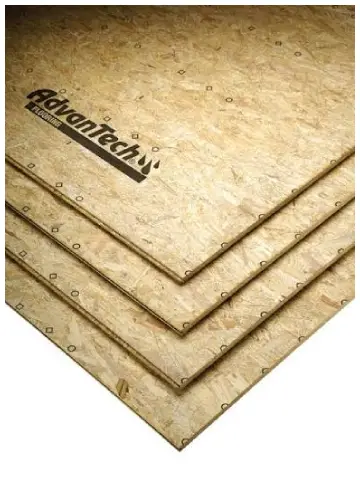
- Moisture behavior: AdvanTech resists edge swell because resin coats every strand. Water beads and dries with little lasting change.
Plywood can wick moisture into the veneer layers. Swelling and delamination appear more readily after wet periods.
- Strength consistency: AdvanTech delivers uniform stiffness across each full panel. Design values stay high and predictable.
Plywood strength varies with grade, voids, and wood species. Soft spots can develop in lower-quality sheets.
- Surface and edge quality: AdvanTech arrives with a smooth sanded face and precise joints. Fitting stays clean and fast.
Plywood can show surface roughness or internal gaps. Thin finished floors may telegraph those flaws later.
- Long-term movement: AdvanTech holds fasteners tightly and stays dimensionally stable. Expansion stays limited through humidity cycles.
Plywood expands and contracts more. Fasteners can loosen and create gaps over time.
- Weight and handling: AdvanTech panels feel denser and heavier on the job. Performance improves but lifting takes more effort.
Plywood stays lighter in most grades. Crews move sheets with less strain on multi-story work.
- Cost structure: AdvanTech carries a higher price per sheet at the start. Long-term repairs often stay lower.
Plywood wins on initial material cost. Future fixes can close that gap in wet climates.
- Warranty coverage: AdvanTech offers lifetime limited protection plus a no-sand promise. Claims support stays strong for edge issues.
Plywood usually carries standard manufacturer terms. Coverage ends sooner in many cases.
- Installation adjustments: AdvanTech needs fewer field corrections because of tight manufacturing. Joints line up cleanly.
Plywood often requires more fitting and sanding. Extra labor can add up on large floors.
Understanding Advantech Flooring
When I first handled AdvanTech panels on a rainy job site years ago, the difference jumped out immediately.
These are not ordinary oriented strand boards. Each wood strand gets coated in a high-performance moisture-resistant resin during manufacturing, then pressed into a dense, multi-layer panel with precise strand orientation.
The result is a structural panel built specifically for subfloors that stays flatter and stiffer under real-world conditions.
I have watched these panels sit through weeks of construction rain and still come out ready for finished flooring with almost no edge work required.
That consistency matters when you are trying to keep a schedule and avoid callbacks. The dense core also helps quiet down everyday footsteps and furniture movement. Builders often choose it for multi-story homes where bounce can become noticeable over time.
Key Features Of AdvanTech
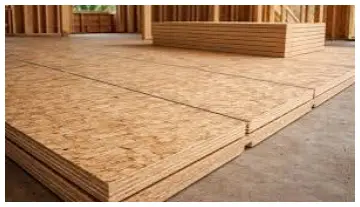
- Advanced resin technology: Every strand receives a full protective coating.
This cuts water absorption sharply. Panels stay stable even after heavy rain exposure.
- High density construction: The pressed layers create strong bending resistance.
Floors feel solid under heavy loads. Bounce stays minimal across wider joist spans.
- Precision tongue-and-groove edges: The milled profile locks panels together tightly.
Spacing stays consistent without extra measuring. Installation moves faster on large areas.
- Strong fastener holding power: Screws and nails grip the dense material firmly.
Movement stays low over years of use. Squeaks develop far less often.
- Limited lifetime warranty: Coverage includes a no-sand guarantee for edge issues. Peace of mind lasts through the home’s life. Claims process remains straightforward for most builders.
- Consistent panel thickness: Every sheet measures the same from edge to edge.
Fitting stays predictable. Finished flooring sits flatter without extra leveling.
- Improved sound control: The heavy mass dampens impact noise well. Footsteps sound quieter to rooms below.
This helps in multi-level living spaces.
Pros Of AdvanTech Flooring
- Outstanding moisture resistance: Panels stay flatter after rain or high humidity. Edge sanding drops sharply. Delays from swollen material become rare.
- Higher stiffness under load: Floor bounce decreases across typical joist spacing. Heavy furniture sits without noticeable flex. The solid feel lasts for years.
- Excellent fastener retention: Screws and nails stay locked in the dense core. Gradual loosening almost disappears. Squeak complaints fall dramatically.
- Precision manufacturing results: Thickness stays consistent sheet to sheet. Tongue-and-groove joints fit without forcing. Layout speed increases on big areas.
- Strong warranty support: Limited lifetime coverage includes edge protection. The no-sand guarantee covers common weather issues. Builders gain real confidence on exposed sites.
- Better sound attenuation: Dense mass quiets footsteps and impact noise. Rooms below stay quieter. Multi-level homes benefit the most.
- Fewer long-term callbacks: Soft spots and unevenness appear less often. Finished floors stay stable longer. Homeowner satisfaction rises after move-in.
- Reliable performance in wet climates: Construction delays from weather cause less damage. Panels dry out and remain usable. Project schedules hold more firmly.
Cons Of Advantech Flooring
- Higher material cost: Price per sheet runs above standard plywood. Large floor areas add noticeable expense. Budget projects feel the difference quickly.
- Greater panel weight: Sheets demand more effort to lift and position. Upper floors tire crews faster. Extra hands or lifts become useful.
- Limited decorative use: The surface prioritizes structure over looks. Visible applications need covering. Cabinetry or finish work usually needs other panels.
- Specific adhesive requirements: Water-based formulas stay off the approved list. Polyurethane or solvent types work best. Wrong glue can affect the warranty.
- Possible surface issues in damp spaces: Underside moisture in crawl spaces can cause minor flaking. Good ventilation prevents most problems. Extended wet conditions still need monitoring.
- Regional availability limits: Some smaller yards stock less inventory. Lead times can stretch in remote areas. Ordering ahead avoids delays.
- Heavier shipping and handling costs: Transport fees rise with the density. Jobsite storage needs stronger support. Planning prevents last-minute strain.
- Premium price without always matching needs: Dry climate projects may not require the extra performance. Simpler plywood can suffice. Matching the product to actual risk saves money.
Understanding Plywood As A Subfloor
Plywood has been the reliable workhorse for decades, and I still reach for it on certain projects.
It is made from thin wood veneers stacked with the grain running in alternating directions, then glued under heat and pressure.
That cross-lamination gives it good strength in multiple directions and a solid feel that many builders trust.
Plywood performs well when protected from prolonged moisture and when quality grades are chosen.
I have installed plenty of CDX and better panels that delivered quiet, stable floors for years in dry climates or well-controlled interiors.
The material remains easy to source and cut on almost any site. Many crews already know its handling quirks by heart.
Key Features Of Plywood
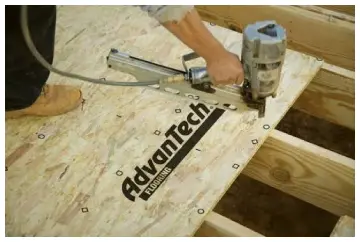
- Cross-laminated veneer layers: Grain runs in alternating directions for balance. Strength holds up in multiple planes. Splitting stays rare under normal loads.
- Wide grade and thickness options: You can match panels to exact span needs. Higher grades reduce voids and soft spots. Lower grades keep costs down on simple jobs.
- Familiar handling traits: Most carpenters already know how to cut and fasten it. Layout goes quickly with standard tools. No special learning curve slows the crew.
- Solid surface potential: Quality sheets accept many finished floors directly. Thin coverings sit evenly when the base stays dry. Prep work stays simple in controlled conditions.
- Lighter overall weight: Panels move easier on upper floors. Fatigue builds slower during long days. One person can often position sheets without help.
- Broad adhesive compatibility: Most common glues work without restriction. Water-based formulas rarely cause issues. This gives flexibility on mixed material sites.
- Ready local availability: Nearly every yard stocks multiple sizes. Lead times stay short for most orders. Last-minute changes rarely delay the schedule.
Pros Of Plywood Subflooring
- Lower upfront cost: Material budgets stay tighter on large areas. Savings free money for other finishes. Simple projects benefit most.
- Familiar installation process: Most crews already know the steps. Cutting and fastening go smoothly. Training time stays minimal.
- Good overall strength: Cross-lamination handles normal loads well. Quality grades perform reliably for decades. Versatility covers many structural needs.
- Lighter weight advantage: Panels move easier across the site. Fatigue builds slower during long shifts. One-person handling stays practical.
- Wide local availability: Nearly every supplier carries multiple grades. Orders fill quickly. Changes rarely halt progress.
- Solid dry-climate performance: Protected installations stay quiet and stable. Humidity swings cause fewer issues. Long service life remains common.
- Flexible adhesive options: Most common glues bond without special rules. Water-based products usually work fine. Mixed material jobs stay simpler.
- Proven track record: Decades of use give clear performance data. Builders trust the material in controlled conditions. Repairs stay straightforward when needed.
Cons Of Plywood Subflooring
- Moderate moisture resistance: Wet conditions allow swelling and cupping. Delamination appears after prolonged exposure. Edge sanding becomes common before finish work.
- Internal voids in lower grades: Soft spots can form under thin flooring. Unevenness shows through over time. Careful grade selection reduces the risk.
- Greater fastener loosening: Expansion cycles work nails and screws free. Squeaks develop more readily. Extra adhesive helps but does not eliminate the issue.
- Variable sheet consistency: Quality shifts between manufacturers and batches. Inspection takes more time. Fitting requires extra adjustments.
- Edge swell after wetting: Raised edges need sanding before flooring. Labor hours increase on weather-exposed sites. Schedule delays follow.
- Limited warranty length: Coverage usually ends sooner than premium options. Claims for moisture damage face tighter limits. Long-term protection stays weaker.
- Higher movement risk: Humidity changes create more expansion. Finished floors can telegraph the shifts. Tile and hardwood feel the effects first.
- More callbacks in wet climates: Soft spots and squeaks appear months later. Repair costs add up. Homeowner satisfaction can drop.
Performance In Real Conditions
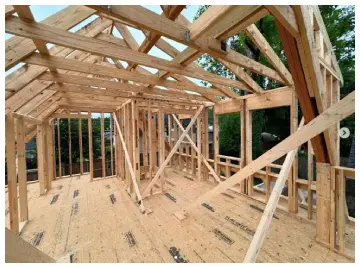
From an analytical standpoint, the choice often comes down to risk tolerance around moisture and expected service life.
AdvanTech’s resin system and density give it a measurable edge in water absorption tests and edge-swell measurements.
Plywood relies more on the quality of the veneers and the exterior-grade glue lines, which still allow moisture to travel along the grain.
In high-humidity regions or during extended construction periods, the reduced sanding and fewer soft spots with AdvanTech translate into real schedule and labor savings.
In dry climates with tight weather protection, plywood’s lower cost can make more sense without sacrificing much performance.
I have measured floor deflection on both systems after years of use. The denser panels consistently show less movement under the same loads.
Installation technique matters for both. Proper spacing, continuous adhesive beads, and correct fastener patterns keep either product performing at its best.
Skipping adhesive or overdriving fasteners creates problems no matter which panel you choose. Weather protection during framing remains the single biggest factor for long-term success.
Cost Considerations Over Time
Upfront, plywood usually wins. Over a ten- or twenty-year horizon, the calculation shifts if moisture-related repairs, squeak fixes, or premature flooring replacement enter the picture.
AdvanTech’s higher initial price can be offset by fewer callbacks and a more stable base for expensive finished floors. On a pure budget build with excellent weather protection, plywood remains competitive.
I track material costs on every project and have seen the premium for AdvanTech range from moderate to significant depending on market conditions and thickness.
Always price both options for the exact spans and loads your design requires. Factor in labor for sanding and extra prep when comparing true installed cost. The quieter, stiffer floor also adds living comfort that many owners value highly after move-in.
Installation Best Practices
For AdvanTech, use polyurethane or solvent-based adhesives and follow the manufacturer’s fastening schedule.
The tongue-and-groove system self-spaces the long edges, but leave the recommended gap at the ends. Screws or ring-shank nails both work; many crews prefer screws for maximum holding power. Apply adhesive to only one or two panels at a time so it does not skin over.
Plywood installs with similar fastening patterns but benefits from careful attention to grade stamps and moisture content at the time of installation.
Keep both products dry once they are down, and protect edges from standing water. Good crawl-space ventilation helps either material last longer. Double-check joist alignment before laying the first sheet to avoid cumulative fitting problems.
Frequently Asked Questions (FAQ)
Most reported issues stem from improper installation or prolonged underside exposure in damp crawl spaces rather than the panel itself. Surface flaking or minor swell can occur if moisture content stays high for extended periods, but these are less frequent than with commodity panels.
For subfloor applications involving moisture risk or a desire for maximum stiffness and quiet performance, yes. For budget-driven dry installations or non-structural uses, plywood often remains the practical choice.
It is highly moisture resistant but not fully waterproof. It handles incidental wetting and construction delays well, yet still requires protection from permanent weather exposure and standing water.
Both work when done correctly. Screws generally provide stronger long-term holding power and are preferred by many for squeak prevention, especially when combined with proper adhesive.
Final Thoughts
After comparing these two options across dozens of projects, I favor AdvanTech when the floor will see moisture risk, heavy use, or when quiet, solid performance ranks high on the list.
You will pay more at the start, but the reduced maintenance and better long-term feel often justify the difference.
Plywood still serves well on controlled, budget-conscious jobs where you can keep it dry. Weigh your climate, schedule, finished flooring choice, and tolerance for future callbacks, then choose the panel that matches those realities.
Either way, solid installation practices matter more than the brand alone. Your floors will thank you for the careful decision years down the road.
Recent Posts
● Interactive 5-Zone Interior & Exterior Paint Blueprint Paint Coverage Calculator: Gallons, Primer, Square Footage & Cost Tap any architectural surface zone on the blueprint...
If you want smooth, shiny hair without spending a fortune on a premium styling tool, the Ella Bella hair dryer may be worth considering.In these Ella Bella hair dryer reviews, I’ll look...