
I set out to compare AG1 and Jocko Greens because I wanted a clear, practical look at two popular greens powders that keep showing up in gym bags and morning routines.
My goal is simple: help you figure out which one fits your budget, taste preferences, and daily needs without the usual hype.
| Feature | AG1 | Jocko Greens |
| Approximate price per serving (one-time) | $3.30 | $1.66 |
| Subscription price per serving | Around $2.63 | Around $1.50 |
| Serving size | 12 g | About 10 g |
| Total ingredients | 75+ (Next Gen closer to 83) | Around 23 organic items |
| Probiotics | 7.2 billion CFU (fewer strains) | 9 billion CFU (11 strains) |
| Digestive enzymes & prebiotics | Yes | No |
| Adaptogens | Present in blends | Ashwagandha, rhodiola, milk thistle (50 mg each) |
| Organic claim | Partial | Fully organic vegetable and fruit blends |
| Label transparency | Proprietary blends | Full amounts listed |
| Third-party testing | NSF Certified for Sport | Claimed, limited public details |
| Flavors | Original plus newer options like citrus, berry, tropical | Pineapple Coconut, Peach |
| Calories per serving | About 50 | About 30 |
| Primary focus | Broad nutrient coverage plus gut support | Organic greens, fruit, stress support, gut flora |
Key Differences Between AG1 And Jocko Greens
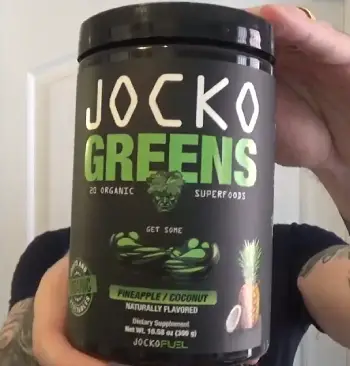
- Ingredient philosophy and count: AG1 packs a much longer list that tries to act like a multivitamin, greens mix, and gut formula in one scoop.
Jocko keeps the list shorter and sticks to organic produce plus a few targeted extracts. The daily experience feels different.
AG1 aims for wide coverage. Jocko focuses on cleaner, simpler plant material.
- Transparency of the label: Jocko lists exact milligram amounts for nearly everything.
This makes it easy to track intake.
AG1 groups many items into proprietary blends. You see total weight for a category but not the precise dose of each component.
This difference matters a lot if you prefer knowing exact numbers.
- Price and value perception: Jocko costs roughly half as much per serving. This makes long-term use feel more realistic.
AG1 asks you to pay a premium for the extra vitamins, enzymes, and certification.
Your budget and how much you already spend on other supplements will decide which feels like better value overall.
- Gut-support approach: AG1 includes prebiotics, digestive enzymes, and probiotics that work together for broader digestive help.
Jocko delivers a higher CFU count and more probiotic strains but skips the enzymes and prebiotics.
People with sensitive digestion often notice this difference quickly.
- Certification and testing visibility: AG1 carries NSF Certified for Sport status. Many athletes prefer this for banned-substance peace of mind.
Jocko states it is tested and made in a cGMP facility. Public certificates are harder to find.
That gap matters if you compete or simply want maximum third-party confirmation.
- Taste and mixability experience: AG1 has a mild, slightly sweet green flavor that most people find easy to drink straight.
Jocko’s pineapple-coconut and peach versions are sweeter and more fruit-forward.
Some love them. Others find them polarizing depending on personal preference.
Key Features Of AG1

- Broad micronutrient profile: One scoop supplies a long list of vitamins and minerals at meaningful percentages of daily values which is the main reason many people drop their separate multivitamin once they start using AG1 regularly.
- Superfood and adaptogen complex: Spirulina chlorella various grasses mushrooms and stress-support herbs sit inside the formula with the idea of providing steady energy and recovery support without any stimulants that could cause crashes later.
- Gut package: Probiotics prebiotics and digestive enzymes work together in a way that users often report less bloating and more regularity after a few consistent weeks of use.
- NSF Certified for Sport: The certification confirms the product is free of banned substances and matches the label claims which athletes and anyone who trains hard tend to appreciate for extra peace of mind.
- Convenient all-in-one format: One scoop replaces several bottles for a lot of people and the travel packs make it easy to stay consistent even when life gets busy or you are on the road.
- Updated Next Gen formula: Recent versions added more probiotic strains and adjusted certain vitamin levels as the brand continues to refine the mix based on feedback and ongoing research.
Pros Of AG1
- Comprehensive daily coverage: The vitamin and mineral content is hard to match in a single greens powder so many people stop buying separate multis once they settle into the routine and notice the convenience.
- Gut-health synergy: Enzymes prebiotics and probiotics together often produce noticeable digestive improvements and consistency over weeks tends to matter more than any single scoop for lasting results.
- Trusted certification: NSF Certified for Sport gives peace of mind for athletes and anyone who prefers independent verification of purity and label accuracy.
- Taste that works for most: The mild flavor mixes cleanly and rarely causes the grassy aftertaste that turns people off other greens powders making it easier to stick with daily.
- All-in-one convenience: One product covers multiple categories which simplifies the morning stack and reduces the number of bottles sitting on the counter every day.
- Steady brand presence and research support: Years of refinement and public studies give the formula credibility that newer products are still working to build over time.
Cons Of AG1
- High price point: Even with a subscription the daily cost sits well above most greens powders and the premium adds up noticeably over a full year of consistent use.
- Proprietary blends hide exact doses: You cannot see how much of each adaptogen or mushroom is present and that lack of detail frustrates people who like to track precise intakes carefully.
- Potential over-reliance on marketing: Heavy podcast and influencer presence can create inflated expectations while real results still depend heavily on the rest of your diet and lifestyle habits.
- Not a complete food replacement: No greens powder replaces actual vegetables so AG1 fills gaps effectively but does not excuse poor everyday eating habits over the long term.
- Taste preference is personal: While many enjoy it a minority still find the green note too strong or the texture slightly chalky if the powder is mixed poorly in water.
- Subscription pressure: The best price requires an ongoing commitment and canceling or skipping months can feel less flexible than a simple one-time purchase option.
Key Features Of Jocko Greens

- Fully organic vegetable and fruit blends: High doses of spirulina wheatgrass kale spinach and other greens sit next to banana pineapple goji and acai powders with everything listed in exact amounts so you know precisely what you are getting.
- Transparent adaptogen doses: Ashwagandha rhodiola and milk thistle each appear at 50 mg and while the doses are modest compared with standalone supplements they are clearly shown on the label for full transparency.
- Strong probiotic blend: Nine billion CFU across eleven strains gives solid gut-flora support and many users notice improved digestion within the first month of consistent use.
- Two distinct flavors: Pineapple Coconut and Peach give options that feel more like a flavored drink than plain greens and the natural sweeteners keep the taste approachable for daily use.
- Clean manufacturing claims: Made in the United States in a cGMP facility with no artificial colors flavors or preservatives the organic focus appeals to people who want plant material as close to whole food as possible.
- Straightforward scoop-and-go routine: Mix one scoop with water and you are done while the lower calorie count also fits people who are watching their daily intake carefully.
Pros Of Jocko Greens
- Transparent and organic formula: Exact amounts and organic certification make it easy to trust what you are drinking and people who dislike proprietary blends especially appreciate the honesty on the label.
- Strong probiotic dose: Nine billion CFU across eleven strains is competitive in the category and often produces clear gut benefits for users who stay consistent.
- Lower cost per serving: Roughly half the price of AG1 makes long-term use far more realistic for most budgets without feeling like a financial stretch every month.
- Flavor variety: Two options give flexibility and the fruit-forward profiles help people stick with the habit who otherwise struggle with the taste of plain greens powders.
- Focused plant material: Higher total grams of organic produce compared with many competitors means more actual greens and fruits in each scoop for better plant density.
- Clean label appeal: No artificial sweeteners or unnecessary additives keeps the product aligned with a whole-food mindset that many health-focused users prefer.
Cons Of Jocko Greens
- Under-dosed adaptogens: Fifty milligrams of ashwagandha and rhodiola fall short of the amounts used in most clinical studies so stress and energy benefits may stay mild for some users.
- Missing digestive enzymes and prebiotics: The formula relies only on probiotics and people with more complex digestive needs may still want extra support from other products.
- Limited micronutrient punch: The product does not replace a full multivitamin so you still need other sources for many vitamins and minerals to cover daily bases properly.
- Taste can divide users: Some love the sweetness while others find the pineapple-coconut or peach too candy-like for a daily greens drink that they want to enjoy long term.
- Less visible third-party data: Testing is claimed yet public certificates and detailed reports are harder to locate than with AG1 which can leave some buyers wanting more confirmation.
- Possible allergen notes: Certain sources flag dairy or other sensitivities so always check the latest label carefully if you have any dietary restrictions or known allergies.
Real-User Experience And Daily Practicality
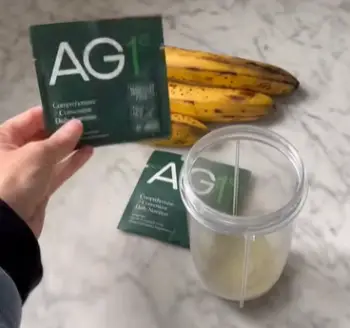
I approached both products the way most people do by mixing one scoop in the morning and watching how energy digestion and consistency feel over several weeks.
AG1 mixes smoothly in water or a light smoothie and rarely leaves grit while the mild taste makes it easy to drink on an empty stomach.
I noticed steadier mid-morning energy and fewer afternoon dips which I credit more to the B-vitamin and adaptogen package than to any single ingredient.
Jocko Greens mixes almost as well though the fruit flavors can settle if you let the glass sit too long.
The pineapple-coconut version tastes closer to a light tropical drink than a greens powder which helped me stay consistent on busy days.
Digestion felt supported likely from the higher probiotic count yet the overall nutrient lift felt lighter than AG1. The lower price made it easier to keep using without second-guessing the cost every month.
Both products work best when you already eat reasonably well and neither replaces vegetables on your plate.
The real advantage shows up when travel long workdays or picky eating create gaps in your intake.
AG1 covers more of those gaps in one scoop while Jocko covers the plant and probiotic side at a friendlier cost that feels sustainable.
Who Should Choose Which?
If you want maximum nutrient density certified testing and do not mind the price then AG1 is the stronger all-in-one choice.
Athletes who need banned-substance peace of mind or people who hate taking multiple pills often land here because the convenience and coverage feel worth the investment.
If you prefer transparent labels organic produce solid probiotics and a lower monthly outlay then Jocko Greens makes more sense for everyday use.
It fits people who already take a separate multivitamin or simply want cleaner greens without the premium cost hanging over every purchase.
Budget remains the biggest divider in this comparison. Over a year the price gap is large enough that many users can buy Jocko plus a quality multi and still spend less than AG1 alone while getting solid results from both approaches.
Frequently Asked Questions (FAQ)
Several greens powders offer similar or better transparency and value at lower prices. The best option depends on your priorities around cost testing and specific ingredients that matter most to you.
Ratings vary by site and year. AG1 often ranks high for brand recognition and certification while others score better for ingredient transparency or overall cost efficiency in real use.
Yes. He has repeatedly mentioned taking AG1 as part of his daily routine especially when traveling and staying consistent on the road.
For most people seeking organic greens probiotics and a clear label at roughly half the cost of AG1 the answer is yes. The value holds if you accept the more modest adaptogen doses and the missing enzymes in the formula.
Final Thoughts
I started this comparison wanting a practical answer rather than another marketing pitch.
AG1 delivers broader coverage and stronger third-party credentials but you pay for it every month.
Jocko Greens gives you transparent organic plants and solid probiotics at a price that feels sustainable for long-term use.
Neither is magic and both work best as tools that support an already solid diet and training routine.
You now have the side-by-side details the real-user angles and the clear trade-offs laid out. Pick the one that matches your wallet your taste buds and the gaps you actually need to fill in your day.
Consistency beats perfection every time so start with a single container of whichever feels right track how you feel for a month and adjust from there.
Your body will tell you which scoop belongs in the morning glass.
Recent Posts
● Interactive 5-Zone Interior & Exterior Paint Blueprint Paint Coverage Calculator: Gallons, Primer, Square Footage & Cost Tap any architectural surface zone on the blueprint...
If you want smooth, shiny hair without spending a fortune on a premium styling tool, the Ella Bella hair dryer may be worth considering.In these Ella Bella hair dryer reviews, I’ll look...