
As I sit here in my kitchen, surrounded by fresh herbs that I’ve grown myself, I can’t help but think about how indoor hydroponic systems have changed my approach to gardening.
In this article, I’ll compare Ahopegarden and AeroGarden, two popular options for growing plants indoors without soil.
My goal is to help you decide which one fits your needs, whether you’re a beginner like I was or looking for something reliable and efficient.
| Feature | Ahopegarden | AeroGarden |
| Price Range | $40-$50 for basic models, up to $459 for larger vertical systems | $30-$275 depending on model (e.g., Sprout at $30, Bounty Elite at $220) |
| Number of Pods | 8-12 for compact models, up to 66 in vertical | 3-9 for most, up to 24 in Farm models |
| Size and Weight | Compact (11×7 inches, over 2 lbs) | Varies; Harvest is countertop-sized, larger models take more space |
| Lighting | 20W LED with veg and fruit modes, adjustable height up to 15 inches, fixed 16/8 timer | Full-spectrum LED, adjustable arms, customizable timers in advanced models |
| Water Tank | Transparent for easy monitoring, quiet pump cycles every 30 minutes | Opaque in many, requires more checking, pump included |
| Included Accessories | Nutrients (A/B bottles), sponges, domes, no seeds | Often includes seed pods and nutrients |
| Controls | LCD touchscreen for one-touch operation | Touchscreen or buttons, vacation mode in some |
| Unique Aspects | Affordable entry, clear tank for cleaning | Established brand, app integration in premium models |
| Warranty | Typically 1 year | 1-5 years depending on model |
What Drew Me To Indoor Gardening?
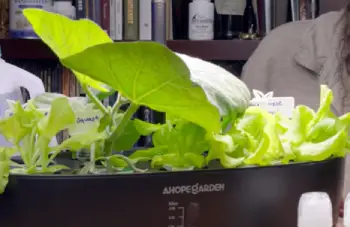
I remember the first time I considered growing my own food indoors.
Living in a small apartment with no yard, traditional gardening felt out of reach.
That’s when I discovered hydroponics, a method that uses water and nutrients instead of soil to grow plants.
It promised faster growth, fewer pests, and the ability to harvest year-round.
Both Ahopegarden and AeroGarden use this technology, but they approach it differently.
AeroGarden, as the pioneer, set the standard with its plug-and-play systems.
Ahopegarden entered the scene as a budget-friendly challenger, aiming to make hydroponics accessible without skimping on essentials.
As I experimented with both, I found that understanding their basics helped me appreciate the nuances.
Hydroponics works by circulating nutrient-rich water to plant roots, often with LED lights mimicking sunlight
This setup can make plants grow up to five times faster than in soil.
For someone like me, who enjoys cooking with fresh basil or mint, it’s a game-changer.
I started with AeroGarden because of its reputation, but curiosity led me to Ahopegarden for its lower price point.
What surprised me was how similar yet distinct they are in practice.
My Hands-On Time With Aerogarden
When I unboxed my first AeroGarden Harvest model, it felt like opening a high-tech gadget.
The setup took about 10 minutes: fill the tank, insert pods, plug in, and watch the lights come on.
I’ve used it for over two years now, growing everything from lettuce to cherry tomatoes.
The full-spectrum LEDs adjust as plants grow, extending up to 12 inches in basic models and more in others like the Bounty.
I appreciate the vacation mode, which dims lights and slows the pump when I’m away, saving energy without harming the plants.
One thing that stands out is the ecosystem AeroGarden has built.
Their seed pods are pre-seeded with popular herbs, and the nutrients are liquid, easy to add every two weeks.
harvested enough salad greens to skip grocery trips sometimes.
However, it’s not perfect.
The opaque water tank means I have to lift the deck to check levels, which can be messy if plants are tall.
Noise from the pump is noticeable in quiet rooms, though it’s not overwhelming.
Overall, it’s reliable, but the cost adds up if you buy their proprietary pods regularly.
Discovering Ahopegarden As An Alternative
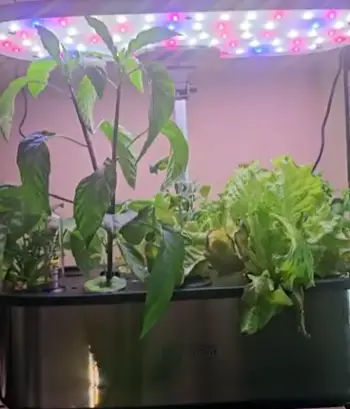
Switching to Ahopegarden was like trying a store-brand version of a favorite product—surprisingly good for the price.
I picked up their 12-pod model for around $45, and it arrived as a single-piece unit, no assembly needed. The transparent water tank is a highlight; I can see the level at a glance without disturbing anything.
Setup involved mixing the included A and B nutrients—dehydrated powders that I dissolve in water—and adding them to the tank.
The LCD touchscreen lets me switch between vegetable and flower/fruit modes with a tap, tailoring light for different growth stages.
I’ve grown Thai basil and dwarf peppers in it, and the 20W lights provide solid coverage, adjustable up to 15 inches.
The pump runs quietly every 30 minutes, oxygenating the water without much fuss.
Unlike AeroGarden, it doesn’t come with seeds, so I used my own, placing them in the provided sponges.
Germination took a bit longer for some plants, like peppers at up to 21 days, but once going, growth was steady
Cleaning is straightforward since the bowl is clear and removable.
It’s compact enough for my countertop, weighing just over two pounds, making it easy to move.
Key Differences Between The Two Ahopegarden Vs Aerogarden
- Pricing And Accessibility: Ahopegarden wins on cost, starting under $50, making it beginner-friendly without financial risk.
AeroGarden’s higher entry point buys premium features, but it might intimidate newcomers.
- Design And Maintenance: Ahopegarden’s transparent tank simplifies checks and cleaning, reducing hassle.
AeroGarden’s opaque setup requires more effort, though its modular parts allow deeper customizations.
- Lighting And Controls: AeroGarden offers full-spectrum lights with apps for precision.
Ahopegarden’s mode-based system is simpler but less flexible, suiting basic needs.
- Pod And Seed Options: AeroGarden provides pre-seeded kits for instant starts.
Ahopegarden relies on user-supplied seeds in sponges, encouraging experimentation but adding work.
- Capacity And Scalability: AeroGarden has models up to 24 pods for serious growing.
Ahopegarden focuses on compact 8-12 pods, with vertical options for expansion.
- Support And Community: AeroGarden boasts robust resources and warranties.
Ahopegarden, being newer, has growing user feedback but less official backing.
These distinctions helped me choose based on my space and goals.
Key Features Of Aerogarden
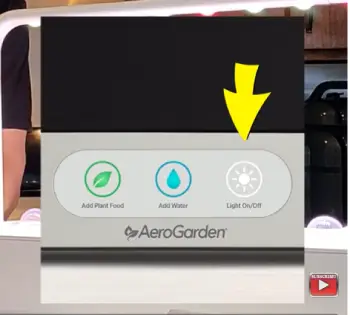
- Full-Spectrum LED Lighting: These lights cover the entire growth cycle without needing modes switched.
In my Bounty model, they dim automatically at night, creating a natural day-night rhythm that helps plants thrive.
- Customizable Timers And Modes: Advanced models let you set light schedules via an app or buttons.
I use this to extend light hours for fruiting plants, boosting yields.
- Seed Pod System: Pre-seeded pods make starting easy
tried their gourmet herb kit, and everything sprouts reliably within a week.
- Vacation And Quiet Modes: Perfect for travel; it reduces energy use while keeping plants alive.
The pump adjusts to be less noisy at night.
- Larger Capacity Options: From 3-pod Sprout to 24-pod Farm, you can scale up.
My Harvest handles 6 pods, ideal for small families.
- Nutrient Reminders: The system alerts you when to add food, preventing guesswork.
Liquid nutrients mix easily and last longer than expected.
Each feature feels polished, like AeroGarden has refined them over years.
For instance, the adjustable light arm prevents burning tall plants, something I learned after scorching a tomato top once.
The Pros Of AeroGarden
- Reliable Performance: Over years of use, mine has rarely failed.
Plants grow consistently, with high success rates for germination and harvest.
- Extensive Model Variety: From budget Sprout to premium Bounty, there’s something for every space and need
I upgraded to Elite for the stainless steel finish, adding style to function.
- Integrated App Support: In higher-end models, the app tracks growth and sends reminders.
like having a gardening assistant in your phone.
- Pre-Seeded Pods Availability: No need to buy seeds separately; kits cover herbs, salads, and flowers
This saved me time when starting out.
- Strong Community And Support: Forums and customer service are excellent
I’ve gotten tips from other users on optimizing for specific plants.
- Energy Efficiency: Lights use less power than expected, and modes like vacation help cut bills.
My electric usage barely noticed the addition.
These advantages make it worth the investment for serious growers. The reliability alone has paid off in fresh produce savings.
The Cons Of AeroGarden
- Higher Initial Cost: Even basic models start at $100, which deterred me at first.
Accessories like extra pods add up quickly.
- Opaque Tank Design: Checking water requires lifting the grow deck, risking spills.
I’ve made messes more than once during refills.
- Proprietary Pods Dependency: While you can use your own seeds, their pods are pricier.
Switching to generics felt like a compromise.
- Noise Levels: The pump hums constantly in some modes, noticeable in small spaces.
Earplugs aren’t ideal for kitchen appliances.
- Limited Customization In Basic Models: Cheaper versions lack app control or adjustable timers, limiting flexibility for advanced users.
- Bulkier For Small Spaces: Larger models take countertop real estate.
My Bounty crowds the area when fully grown.
Despite these, the pros outweigh for me, but they’re worth considering if budget or space is tight.
Key Features Of Ahopegarden
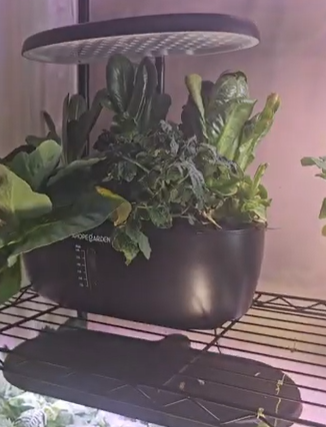
- Transparent Water Reservoir: This lets you monitor water without opening the unit.
I check it daily, avoiding overfills or dry-outs that could stress roots.
- LCD Touchscreen Controls: Simple one-touch for modes and settings.
Switching to fruit mode for peppers was intuitive, enhancing flowering.
- Dual Growth Modes: Vegetable for leafy greens, flower/fruit for blooming plants.
It adapts light intensity, which I’ve found effective for mixed gardens.
- Compact And Lightweight Design: At 11×7 inches, it fits anywhere.
I keep mine by the window for extra natural light, though it’s not necessary.
- Included Accessories Kit: Sponges, domes, tweezers, and nutrients come standard.
The A/B powders are cost-effective, mixing into a solution that feeds plants well.
- Quiet Circulation Pump: Runs intermittently, keeping noise low.
In my quiet apartment, it’s barely audible, unlike some louder systems.
These elements make Ahopegarden feel user-friendly for beginners. The clear tank, in particular, gives peace of mind, as I can spot algae early and clean accordingly.
The Pros Of Ahopegarden
- Affordability: At $40-50, it’s accessible for testing hydroponics. I bought mine on a whim and haven’t regretted it.
- Ease of Cleaning: The clear, one-piece bowl washes quickly under the sink. No disassembly needed, unlike modular systems.
- Compact Footprint: Perfect for apartments; it fits on a shelf or counter without dominating. Mobility is a plus for rearranging.
- Visible Water Monitoring: The transparent tank prevents surprises. I top up as needed, keeping roots happy.
- Quiet Operation: The pump’s intermittent cycle is whisper-quiet. It doesn’t disrupt conversations or sleep if nearby.
- Versatile Growth Modes: Toggling between veg and fruit adapts to plant needs. My mixed herb and pepper setup benefited greatly.
This makes it ideal for casual users wanting fresh greens without commitment.
The Cons Of Ahopegarden
- No Included Seeds: You provide your own, adding an extra step. I had to order separately, delaying my first grow.
- Fixed Light Timer: Starts on plug-in, no manual override. Resetting means unplugging, which interrupts the cycle.
- Potential Reliability Issues: Some users report light failures after weeks. Mine held up, but it’s a concern for long-term use.
- Limited Space for Large Plants: Tall veggies droop or need transplanting. Tomatoes outgrew mine quickly.
- Manual Nutrient Mixing: Dissolving powders and measuring capfuls feels less convenient than liquid drops.
- Variable Germination Times: Some seeds take longer to sprout. Patience is key, unlike quicker starts in other systems.
These drawbacks are minor for the price, but they highlight it’s not as refined.
Maintenance Tips For Ahopegarden And Aerogarden
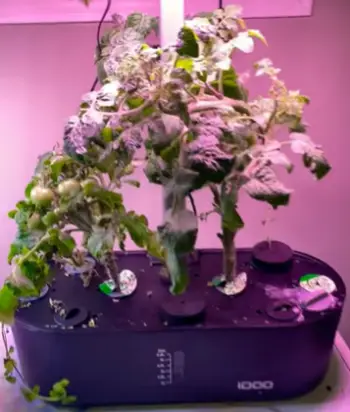
After spending time with both Ahopegarden and AeroGarden systems, I’ve learned that consistent care keeps them producing fresh greens and herbs without much hassle.
Maintenance isn’t complicated, but skipping steps can lead to algae, weak plants, or pump issues.
I’ll share what I’ve picked up from daily use, focusing on practical routines that work for both.
- Check water levels every day: In my AeroGarden, the opaque tank makes it tricky, so I lift the deck carefully.
With Ahopegarden’s clear tank, it’s effortless—I glance and top up if needed.
Low water stresses roots quickly.
- Remove Dead Leaves Or Yellowing Bits: Prune them right away to prevent mold or pests.
I use clean scissors and snip close to the stem.
- Wipe The Grow Deck: A quick swipe with a damp cloth stops algae around pod holes.
I do this weekly.
- Add Nutrients On Schedule: For AeroGarden, follow the light reminders every two weeks.
In Ahopegarden, I mix the A/B powders and add every 10-14 days, depending on plant size.
- Monitor Ph If Possible: Basic strips help catch imbalances early.
Aim for 5.5-6.5; adjust with pH up/down solutions if off.
- Prune aggressively: Especially basil—it bushes out and lets light reach everything else.
These habits take just minutes but make a huge difference in yields.
Which One Fits Your Lifestyle?
If space and budget are key, go with Ahopegarden.
It’s my pick for starters. For advanced features and reliability, AeroGarden shines.
Also Read: Comparison between Auk And AeroGarden
Frequently Asked Questions (FAQ)
No, AeroGarden pods don’t fit Ahopegarden due to different designs; use sponges and your own seeds instead.
It depends on needs—AeroGarden for reliability, Ahopegarden for affordability.
Its transparent tank and low price stand out, making monitoring and entry easy.
Higher cost and opaque tank requiring more effort to check water levels.
Wrapping Up
Reflecting on my journey with these systems, I’ve grown not just plants but my confidence as a gardener.
brought affordability and simplicity into my routine, while AeroGarden delivered consistency and scale.
You might find, as I did, that starting small leads to bigger harvests.
Whichever you choose, you’ll enjoy the freshness it brings to your table. Give it a try—you won’t look back.
Recent Posts
● Interactive 5-Zone Interior & Exterior Paint Blueprint Paint Coverage Calculator: Gallons, Primer, Square Footage & Cost Tap any architectural surface zone on the blueprint...
If you want smooth, shiny hair without spending a fortune on a premium styling tool, the Ella Bella hair dryer may be worth considering.In these Ella Bella hair dryer reviews, I’ll look...