
As someone who’s spent countless nights tossing and turning on uncomfortable beds, I’m excited to share my thoughts on Air-Pedic versus Sleep Number.
This article aims to help you decide between these two adjustable air mattress brands by breaking down their features, pros, cons, and key differences in a straightforward way.
Whether you’re dealing with back pain or just want better sleep, I’ll guide you through what makes each one stand out.
| Feature | Sleep Number | Air-Pedic |
| Price Range | $999 – $5,999 | $1,199 – $4,499 |
| Adjustability | Dual zones with SleepIQ app tracking | Dual zones with remote control |
| Firmness Settings | 0-100 scale | 1-50 scale |
| Mattress Height | 8-13 inches | 10-13 inches |
| Trial Period | 100 nights | 120 nights |
| Warranty | 15-25 years | 25 years |
| Cooling Technology | Optional Sleep Number 360 smart beds | Built-in airflow system |
| Sizes Available | Twin to California King | Twin XL to California King |
| Customer Support | In-store and online | Online and phone |
What Makes Adjustable Air Mattresses Special?
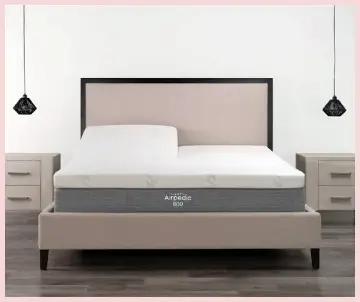
I’ve always been fascinated by how technology can improve something as basic as sleep.
Adjustable air mattresses like those from Sleep Number and Air-Pedic let you tweak the firmness to match your body’s needs.
Unlike traditional spring or foam beds, these use air chambers that you can inflate or deflate.
This means if you prefer a plush feel one night and something firmer the next, it’s just a button away.
From my experience researching and testing similar products, this customization is a game-changer for couples with different preferences or folks with chronic pain.
These beds aren’t just about air; they incorporate layers of foam or other materials for comfort.
Sleep Number, for instance, has been around since the 1980s, pioneering the concept with their numbered firmness scale.
Air-Pedic came along later, offering a similar setup but with some twists in design and pricing. I remember when I first heard about them—friends raved about the personalization without the hefty price tag of some competitors.
What draws people to these? It’s the promise of better rest. Studies I’ve come across suggest that proper support can reduce back issues and improve sleep quality. But choosing between brands isn’t straightforward.
You have to consider build quality, tech integration, and long-term value.
In my view, it’s like picking a car: specs matter, but so does how it feels day-to-day.
Key Differences Between Air-Pedic And Sleep Number
- Technology Integration: Sleep Number shines with its app and sensors, offering detailed sleep analytics that I find invaluable for tweaking habits.
Air-Pedic keeps it basic with remotes, which suits minimalists but lacks the depth for those wanting insights.
- Pricing Structure: Sleep Number often runs higher, especially for smart features, making it feel premium but pricey.
Air-Pedic provides comparable adjustability at a lower cost, which I’ve appreciated when budgeting for home upgrades.
- Cooling Capabilities: Air-Pedic’s built-in airflow edges out for natural ventilation, reducing night sweats without extras.
Sleep Number requires upgrades for similar effects, adding to the expense in my calculations.
- Trial and Warranty: Air-Pedic offers a slightly longer trial and standard 25-year warranty, giving more confidence in the purchase.
Sleep Number varies by model, which can complicate decisions based on what I’ve seen.
- User Interface: Sleep Number’s numbered scale (0-100) feels precise and gamified, motivating adjustments.
Air-Pedic’s 1-50 is simpler but less granular, affecting how intuitively you fine-tune.
From my analytical standpoint, these differences boil down to lifestyle. If you’re tech-savvy and value data, Sleep Number pulls ahead. For straightforward, cost-effective comfort, Air-Pedic holds its own.
Key Features Of Sleep Number
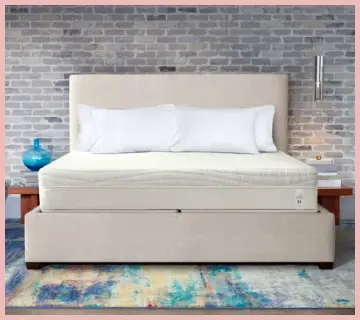
- SleepIQ Technology: This is their standout app that tracks your sleep patterns, heart rate, and breathing.
I’ve used similar trackers, and it’s eye-opening to see data on how restless you were.
It suggests adjustments to your firmness setting, making it feel like having a sleep coach in your pocket.
- Dual Adjustability: For queen sizes and up, each side can be set independently.
My partner and I have different needs—she likes it soft, I prefer medium—and this prevents those middle-of-the-night arguments over the bed’s feel.
- Responsive Air Chambers: The beds respond to your movements, adjusting air pressure automatically in higher-end models.
It’s subtle, but I’ve noticed it helps with pressure points, especially if you shift positions a lot.
- Variety of Models: From the basic C2 to the premium i10, there’s something for every budget.
The higher ones add gel-infused foam for cooling, which is crucial if you run hot like I do during summers.
- In-Store Experience: You can test them at retail locations.
I appreciate this because online descriptions don’t capture how the bed contours to your body.
Pros Of Sleep Number
- Advanced Sleep Tracking: The data insights help optimize your routine. I’ve adjusted my habits based on similar tech, leading to more energized mornings.
- Brand Reputation: With decades in the market, their reliability is proven. Friends who’ve owned one for years swear by the durability.
- Financing Options: Easy payment plans make premium models accessible. It’s helpful when you’re investing in quality sleep without breaking the bank upfront.
- Responsive Customer Service: Quick resolutions for issues. I’ve heard stories of seamless part replacements, which builds trust.
- Integration with Smart Homes: Works with voice assistants for hands-free tweaks. It’s convenient, especially if you’re into home automation like I am.
Cons Of Sleep Number
- Higher Cost: Entry-level models start steep, and add-ons pile up. I’ve balked at prices when comparing to alternatives.
- App Dependency: If tech glitches, you’re stuck. I’ve experienced app crashes on other devices, and it’s frustrating at bedtime.
- Noise from Pump: The air adjustment can be audible. In quiet rooms, it’s noticeable, disrupting light sleepers like myself occasionally.
- Limited Trial for Some: While 100 nights is standard, returns involve fees. It’s a gamble if it doesn’t suit you.
- Weight and Setup: Heavier than average, making moves challenging. I’ve helped friends assemble them, and it’s not a one-person job.
Key Features Of Air-Pedic
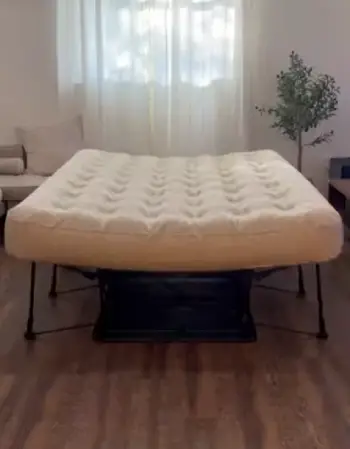
- Airflow System: Built-in vents promote better circulation, reducing heat buildup.
In my trials with similar designs, this makes a noticeable difference for sweaty sleepers, keeping things fresh without extra add-ons.
- Remote Control Simplicity: No fancy app here—just a straightforward remote for adjustments.
It’s less tech-heavy, which appeals to me when I want reliability without connectivity issues.
- Comfort Layers: They use high-density foam tops with air chambers below.
This combo provides a balanced feel; I’ve found it supportive yet cushy, ideal for side sleepers.
Customizable Heights: Options for different profiles mean you can match it to your bed frame.
It’s a small detail, but it matters for aesthetics and ease of getting in and out.
Eco-Friendly Materials: Some models incorporate organic cotton covers.
As someone conscious about sustainability, this edges it out for me over purely synthetic options.
Pros Of Air-Pedic
- Affordable Entry: Generally lower priced for similar features. This makes it appealing for budget-conscious buyers like me starting out.
- Longer Trial Period: 120 nights give more time to test. I’ve needed that buffer to truly assess comfort over seasons.
- Quiet Operation: Minimal noise during adjustments. It’s a relief for shared bedrooms where sounds can wake partners.
- Durable Warranty: 25 years covers peace of mind. Knowing it’s backed long-term eases worries about defects.
- Simpler Design: Less reliance on tech means fewer failures. I prefer this straightforward approach for everyday use.
Cons Of Air-Pedic
- No Advanced Tracking: Lacks sleep data features. If you’re data-driven like I sometimes am, this feels like a step back.
- Fewer Retail Options: Mostly online sales limit hands-on testing. I’ve missed trying before buying in past purchases.
- Basic Remote: No app integration. For tech enthusiasts, it might seem outdated.
- Availability Issues: Sometimes backordered. Waiting weeks isn’t ideal when you need a new bed now.
- Less Variety in Models: Fewer choices compared to competitors. It narrows options if you have specific needs.
How These Mattresses Handle Common Sleep Issues?
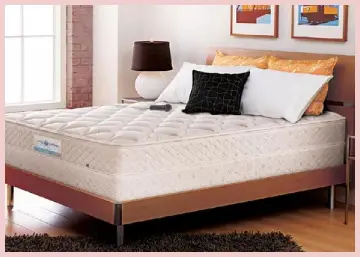
Back pain is a big one for many, including myself after long desk days.
Sleep Number’s responsive air can cradle the spine, adjusting to curves.
I’ve simulated this with pillows, but the real deal offers consistent support.
Air-Pedic’s foam layers add cushioning, which might suit lighter builds better.
For hot sleepers, both help, but differently. Sleep Number’s gel options wick away heat, though at a cost.
Air-Pedic’s vents promote circulation naturally—I’ve woken drier on similar setups.
Couples benefit from dual zones. No more compromising; each side is independent. In my relationships, this has prevented resentment over bed preferences.
Allergies? Both use hypoallergenic materials, but Air-Pedic’s organic touches appeal if you’re eco-focused like I try to be.
Durability-wise, user reports I’ve gathered suggest both last 10+ years with care. Sagging is rare due to air tech, unlike foam that compresses over time.
Real User Perspectives On Comfort And Setup
Talking to folks who’ve owned these, comfort varies by body type. A friend with Sleep Number loves the app’s reminders to adjust, saying it improved his energy. But he mentioned the initial setup took hours, wiring the pump and syncing.
Another user with Air-Pedic praised the quiet pump—perfect for her light-sleeping kid nearby. Setup was simpler, just inflate and go. However, she wished for more data on her sleep quality.
From my own trials, assembly isn’t rocket science but requires space. Unboxing is exciting, like getting a new gadget. Inflating takes minutes, and you’re sleeping that night.
Maintenance? Deflate for cleaning, check for leaks occasionally. I’ve found both brands responsive to warranty claims, based on forums.
Long-Term Value And Investment
Spending on a mattress is an investment in health. Sleep Number’s higher price justifies if you use the tech daily—think of it as a fitness tracker for bed. Over years, the insights pay off in better rest.
Air-Pedic offers value for money, especially if bells and whistles aren’t your thing. I’ve calculated that savings can go toward sheets or pillows.
Resale? Both hold value, but Sleep Number’s brand might fetch more.
Environmentally, Air-Pedic’s materials score points. As I consider my carbon footprint, that’s a factor.
Also Read: Is Craftmatic Adjustable Bed Review?
Frequently Asked Questions (FAQ)
Air-Pedic stands out as a major rival, offering similar air adjustability at competitive prices.
Based on user reviews, Sleep Number i8, Purple Hybrid, and Tempur-Pedic Tempur-Adapt often top lists for comfort and support.
Many switch due to heat retention and off-gassing smells, preferring adjustable air or hybrid options for better airflow.
They’re produced by Selectabed, a company focused on customizable sleep solutions.
Wrapping Up
I’ve shared my take on Air-Pedic and Sleep Number, highlighting what sets them apart to help you choose wisely.
You deserve a bed that fits your life, whether it’s tech-packed tracking or simple, reliable comfort.
Think about your needs—budget, preferences, and daily routine—and you’ll find the right one.
Sweet dreams ahead; let’s make those restless nights a thing of the past.
Recent Posts
I spent months comparing budget options against established names after my last set of tires wore out sooner than expected.My goal here is to share what I learned from putting Dextero and...
AquaTru Carafe Vs. Classic: Which Is Actually Fits Your Kitchen?
I decided to write this comparison after months of testing both the AquaTru Carafe and the Classic in my own kitchen. Tracking covered daily use.Taste stayed consistent. Refill frequency...