
I spent months testing Travelpro and Samsonite bags on real trips—business hops, family vacations, and long-haul flights—to settle which brand delivers better value for everyday travelers.
My goal here is simple: give you a clear, no-nonsense breakdown of how these two stack up on durability, weight, warranty, features, and real-world performance so you can pick the right suitcase without wasting money or ending up frustrated at the airport.
| Feature | Travelpro | Samsonite |
| Typical Warranty | Limited lifetime (often includes airline damage if registered) | 10-year limited (usually excludes airline damage) |
| Strength Focus | Softside durability and organization | Hardside impact protection |
| Empty Weight (carry-on examples) | Often 5–7.8 lbs | Often 6.5–8+ lbs |
| Expansion | Common 2-inch | Common 1–1.5 inch |
| Best For | Frequent flyers, crews, softside fans | Budget buyers, hardside preference |
| Price Range (carry-on) | $150–$400 | $130–$300 |
| Wheel System | MagnaTrac self-aligning common | Solid spinners, varies by line |
| Material Emphasis | Ballistic nylon / high-density polyester | Polycarbonate / polypropylene |
My Hands-On Take On Travelpro And Samsonite
I started with Travelpro because so many flight crews swear by it. The brand grew out of a pilot’s need for something that survives constant airport abuse.
That heritage shows. My Platinum Elite softside carry-on felt solid the first time I rolled it through a crowded terminal.
The MagnaTrac wheels snapped into forward position without fight, and the bag tracked straight even when fully packed.
The external pockets let me grab my laptop and charger without opening the main compartment—huge when security lines move fast.
Samsonite came next. I grabbed a Freeform hardside and an Omni PC for comparison. The hard shell gave me more confidence when the bag went into the belly of the plane.
Scratches stayed surface-level, and the interior stayed dry in light rain. But the wheels on the mid-tier models felt noisier on tile, and the handle button required more force than I liked after a long day of travel.
Price-wise Samsonite often undercut Travelpro, which matters if you only fly a few times a year.
Both brands make solid products. The difference shows up in how you travel and how hard you treat the bag.
Also Read: Is Urbanlite Trapez Luggage Worth It?
Key Differences Between The Travelpro And Samsonite
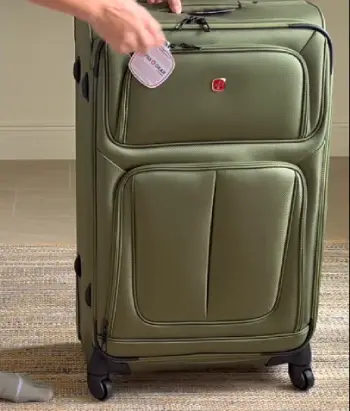
- Warranty coverage and length: Travelpro’s limited lifetime warranty frequently covers defects and, on registered bags, certain airline damage.
Samsonite sticks to a 10-year limited warranty that typically excludes carrier mishandling.
After one scuffed corner on a checked bag, that difference felt real.
- Shell type and protection style: Travelpro leans softside nylon for flexibility and lighter weight.
Samsonite pushes hardside polycarbonate or polypropylene for crush resistance. Softside expands more easily; hardside shrugs off stacking pressure.
- Weight and packing efficiency: Travelpro Maxlite models often weigh less empty.
That extra pound or two on Samsonite can push a fully loaded carry-on closer to gate-check territory on strict airlines.
- Target user and design philosophy: Travelpro designs for people who live out of a bag—crews, consultants, digital nomads.
Samsonite aims wider, covering occasional vacationers who want style and protection at a lower entry price.
- Repairability and long-term support: Travelpro makes many components user-replaceable and backs them with clearer service paths. Samsonite has a large global network, yet warranty exclusions can leave owners paying for common damage.
These differences shape daily use more than marketing claims. On a three-week trip with multiple connections, the lighter Travelpro saved energy. On a single checked-bag vacation with fragile gifts, the Samsonite shell felt safer.
Key Features Of Travelpro
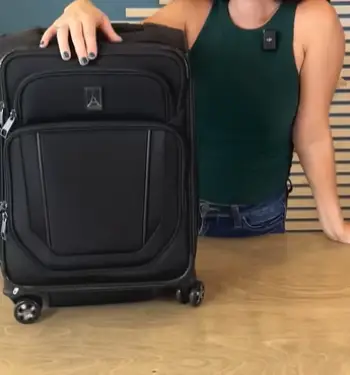
Travelpro focuses on frequent flyers and airline professionals, with an emphasis on durability, smooth rolling, organization, and long-term value.
- Warranty: Limited lifetime warranty on most models (covers defects in materials and workmanship).
Many include the Trusted Companion Promise for airline damage repair (duration varies by collection, e.g., 1–5 years when registered). Also offers a 100-day trial/satisfaction guarantee on many purchases.
- Wheels & Mobility: PrecisionGlide system with MagnaTrac self-aligning magnetic spinner wheels for smooth, effortless 360° rolling and less wobble. PowerScope (or PowerScope Lite) telescoping aluminum handle with multiple height stops and Contour Grip for stability and comfort.
- Materials & Build: Softside options use high-density nylon, ballistic nylon, or polyester with DuraGuard water-repellent/stain/abrasion-resistant coating.
Hardside models use 100% polycarbonate shells. Many include corner/skid guards for extra protection. ECOFAB lining (recycled materials) on some lines.
- Expansion & Capacity: Typically 2-inch expansion (often tapered to reduce tipping). Lightweight options.
Good packing volume with thoughtful organization.
- Organization & Convenience Features: Multiple exterior and interior pockets (including water-resistant/wet pockets), compression panels or packing systems, suiter/garment compartments (especially on premium lines like Platinum Elite and Crew/VersaPack), removable laundry/shoe bags, and exterior USB-A & USB-C ports with dedicated power-bank pocket (on select premium models). Built-in TSA locks on many models.
Other Strengths: Strong reputation for pilot/crew-tested durability and maneuverability. Focus on functional, classic designs. Softsides often preferred for flexibility and exterior pockets; hardsides available for impact protection.
Pros Of Travelpro
- Proven durability for frequent use: High-density nylon and reinforced stress points held up through dozens of flights without zipper failure or wheel collapse in my testing. Flight crews rely on this toughness daily.
- Superior warranty for peace of mind: Limited lifetime coverage plus airline-damage support on many lines means fewer surprises when something breaks after heavy travel.
- Excellent organization and access: External pockets, compression straps, and suiters make packing and retrieving items faster. I stopped digging through the main compartment mid-trip.
- Smooth, self-aligning wheels: MagnaTrac technology kept the bag tracking straight even on carpet and uneven terminal floors. Less fighting the suitcase equals less fatigue.
- Lightweight options without big sacrifice: Maxlite lines stay impressively light while still offering expansion and solid construction.
Slight elaboration: The combination of light weight and strong warranty makes Travelpro feel like a long-term tool rather than a disposable purchase. For anyone who flies more than a handful of times a year, those advantages compound.
Cons Of Travelpro
- Softside vulnerability to crushing: Fabric can compress under heavy stacked bags, potentially wrinkling clothes more than a rigid shell would.
- Premium models carry higher price tags: Platinum Elite carry-ons often sit above $300–$350. Budget shoppers may hesitate.
- Utilitarian appearance: Classic black or navy looks professional but rarely turns heads the way colorful hardsides do.
- Potential for fabric scuffing over years: Even with water-repellent coatings, corners show wear after heavy abuse.
Slight elaboration: None of these cons felt deal-breaking for frequent travel, yet they matter if you prioritize maximum impact protection or want a suitcase that doubles as a style statement.
Also Read: Is Samantha Brown Luggage Worth It?
Key Features Of Samsonite
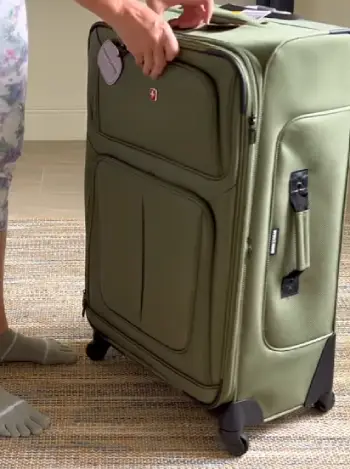
Samsonite is a long-established global brand known for wide variety, stylish designs, hardside innovation, and broad accessibility across price points.
- Warranty: Typically a limited 10-year global warranty against defects in materials and workmanship .Large international repair network.
- Wheels & Mobility: Smooth 4- or 8-wheel spinner systems. Advanced options include Aero-Trac suspension wheels for shock absorption, reduced vibration/noise, and smoother rolling.
Some models feature easy brake systems or dual wheels. Telescoping handles (e.g., RightHeight or elongated designs) with multiple stops.
- Materials & Build: Wide range—hardsides commonly use polycarbonate (often micro-diamond textured for scratch resistance), polypropylene, ABS, or proprietary materials like Curv or Roxkin for lightweight strength.
Softsides use polyester or other fabrics. Many models emphasize impact resistance and easy cleaning on hardsides.
- Expansion & Capacity: Expandable options (commonly 1–2 inches depending on model). Strong selection of lightweight hardsides and varied sizes.
Good overall capacity with interior dividers.
- Organization & Convenience Features: Built-in TSA combination locks (standard on most).
Interior organization with zippered dividers, compression systems (e.g., KompressPak), pockets, and sometimes packing cubes or wet pouches.
Select models include USB ports, RFID-blocking pockets, magnetic zipper pullers, dual-lock systems, anti-theft dual zippers, AirTag holders, or front-access pockets. Some advanced lines offer integrated weight scales or other smart features.
- Other Strengths: Extremely broad product range (budget to premium, many styles/colors, softside + extensive hardside options).
Modern/techy aesthetics in many collections. Strong global availability and value, especially at entry/mid-level price points. Hardsides excel at crush resistance and weather protection.
Pros Of Samsonite
- Strong hardside protection: Polycarbonate and polypropylene shells resist crushing and keep contents dry in light rain. My checked bags arrived with fewer dings than expected.
- Attractive price points across the range: Solid carry-ons start under $150, making quality luggage accessible for occasional travelers.
- Wide style and color selection: From sleek modern lines to classic looks, matching personal taste or creating a matching set is straightforward.
- Reliable spinner wheels on most models: Four-wheel systems roll smoothly on hard floors and offer good maneuverability in crowds.
- Established global presence and availability: Easy to find in stores and online, with repair networks in many countries.
Slight elaboration: Samsonite shines when you need dependable protection without stretching the budget. For a once-or-twice-a-year vacation, the value is hard to beat.
Cons Of Samsonite
- Warranty exclusions on airline damage: The 10-year limited coverage often leaves owners responsible for the most common form of suitcase injury—baggage handling.
- Quality variation by price tier: Entry-level shells can feel thinner or crack under extreme stress compared with premium lines.
- Heavier empty weights on some popular models: That extra mass reduces packing headroom before hitting airline limits.
- Handle and button feel on mid-range bags: Some models require more pressure to extend or lock the handle, which becomes noticeable after long walks.
- Less external pocket access on many hardsides: Grabbing small items often means opening the main compartment.
Slight elaboration: The warranty gap is the biggest practical downside. If your bag spends time in cargo, you may end up paying for repairs that a Travelpro owner might avoid.
Real-World Performance Across Trip Types
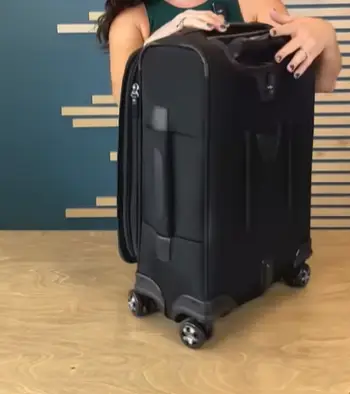
On short business trips I preferred the Travelpro Maxlite or Platinum Elite.
The lighter empty weight and external laptop pocket let me move faster through security and gates. Expansion gave me room for conference materials without checking a bag.
For family beach vacations with checked luggage, Samsonite Freeform or Omni PC handled the rough treatment better.
Hard shells protected souvenirs and kept sand and moisture out more effectively. The lower price also made replacing a set less painful if something did go wrong.
International multi-city itineraries highlighted warranty differences. One delayed bag arrived with a cracked corner on a Samsonite; the claim process reminded me the coverage stopped at manufacturing defects.
A similar Travelpro issue on a different trip was handled more smoothly after registration.
Who Should Choose Travelpro?
Frequent flyers, business travelers, and anyone who lives out of a carry-on will appreciate the lighter weight, better organization, and stronger warranty.
Flight attendants and pilots have voted with their purchases for decades—Travelpro remains a crew favorite for a reason. If you value repairability and long-term ownership, this brand fits.
Who Should Choose Samsonite?
Occasional travelers, budget-conscious buyers, and people who check bags often will find Samsonite practical.
The hard-shell protection and lower entry prices deliver solid performance without overspending.
If style variety and wide retail availability matter more than lifetime coverage, Samsonite makes sense.
Also Read: Is Swiss Mobility Luggage Worth It?
Frequently Asked Questions (FAQ)
Yes. It ranks among the most durable softside options, especially in the Platinum Elite and Crew lines, with strong reviews from frequent travelers and flight crews.
Travelpro often edges it out for frequent flyers thanks to lighter weights and stronger warranty terms, though personal needs decide the winner.
Many owners criticize the 10-year limited warranty for excluding airline and carrier damage, leaving buyers responsible for the most common suitcase injuries.
Yes. Large numbers of cabin crew and pilots choose Travelpro, particularly Crew, FlightCrew, Maxlite, and Platinum Elite models, for daily reliability.
Final Thoughts
After rotating both brands through airports, hotels, and rental cars, I see clear lanes. Travelpro rewards people who travel often with lighter bags, smarter organization, and warranty support that actually helps when things go wrong.
Samsonite rewards people who want solid protection and lower prices for less frequent trips.
You know your travel pattern better than any review. Match the bag to how hard you use it and how often you fly.
If you choose based on real needs rather than brand reputation alone, you will end up with luggage that works for years instead of becoming another airport headache.
That is the only test that matters once the wheels start rolling.
Recent Posts
I spent weeks testing and living with both Kirby and Shark vacuums in my own home because I needed a clear answer on which one actually delivers for everyday messes, pet hair, carpets, and hard...
I spent weeks using both the Hydrotech and Pocket Hose expandable models in my own yard. I switched between them for watering beds, rinsing the driveway, and filling the kids’ pool. My...