
I have spent months rotating between Alani Nu and Bloom energy drinks to figure out which one actually fits my daily routine better.
My goal with this piece is simple: give you a clear, side-by-side look at the two so you can decide which delivers the energy, focus, and extras you want without the usual sugar crash or mystery ingredients.
| Feature | Alani Nu | Bloom Sparkling Energy |
| Caffeine | 200 mg per 12 oz | 180 mg per 12 oz (natural from green coffee) |
| Sugar | 0 g | 0 g |
| Calories | 5–15 | 10 |
| Key Extras | Biotin, L-carnitine, guarana | Prebiotic fiber, lychee extract, ACV |
| Energy Feel | Stronger, more intense | Smoother, steadier |
| Flavor Style | Bold, candy-like | Lighter, fruit-forward |
| Best For | Workouts, long focus sessions | Everyday energy + gut support |
| Sodium | ~170–200 mg | 0 mg |
Key Differences Between The Alani And Bloom Energy Drink
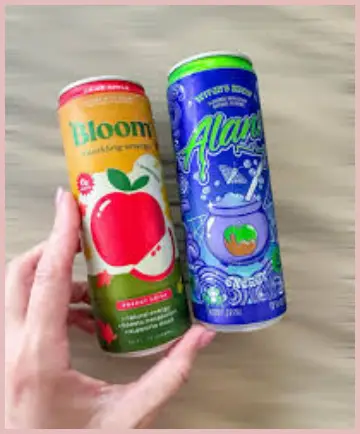
- Caffeine dose and source: Alani packs a full 200 mg while Bloom sits at 180 mg drawn from green coffee bean extract.
That 20 mg gap becomes noticeable if you are sensitive or already stacking other caffeinated drinks.
I feel Alani hit harder and faster on most days. Bloom rises more gradually and fades cleaner for me overall.
- Added functional ingredients: Alani leans into biotin, L-carnitine, and guarana for performance and beauty support.
Bloom adds prebiotic fiber, lychee extract, green tea extract, and a touch of apple cider vinegar for digestion and antioxidant angles.
If gut comfort matters on busy days, Bloom stands out clearly. If I want that extra push before a workout, Alani gets the edge every time.
- Flavor and sweetness profile: Alani goes bold and dessert-inspired with candy-like notes. Bloom stays brighter and more natural-tasting across its range.
Some days I crave the candy hit of Alani without question.
Other days Bloom’s cleaner fruit notes feel less heavy and more refreshing.
- Calorie and sodium numbers: Both stay very low-calorie and completely sugar-free.
Alani can run a few calories higher depending on the flavor and carries more sodium overall.
Bloom stays locked at 10 calories with zero sodium listed on most cans. For strict tracking or evening use, Bloom’s numbers feel a bit lighter and easier to manage.
- Overall positioning: Alani markets itself around fitness and feel-good energy with a clear beauty twist.
Bloom positions itself as everyday clean energy with solid gut and focus support. Neither replaces a balanced diet or proper sleep.
They simply fill different slots in my personal rotation depending on the day.
Key Features Of Alani

- 200 mg caffeine blend: This includes caffeine plus guarana and ginseng for a layered and reliable lift.
The combination keeps me sharp through long writing sessions or tough gym days.
It avoids the immediate spike I sometimes get from pure coffee alone.
- B-vitamin complex plus biotin: Every can delivers solid percentages of B3, B5, B6, B12 along with a full daily biotin dose.
I notice the biotin angle when my nails feel stronger after consistent weeks of use.
Results still vary from person to person of course.
- L-theanine and L-carnitine: L-theanine helps smooth the caffeine edge quite effectively.
L-carnitine rounds out the performance side of the formula.
The theanine keeps jitters low for me even at the full 200 mg dose.
- Zero sugar and low calories: The drinks stay between 5 and 15 calories with absolutely no sugar.
This makes them perfect when I want clean energy without wrecking a calorie deficit or daily targets.
- Bold flavor range: Options like Cotton Candy, Cherry Twists, Juicy Peach, and seasonal drops keep things interesting.
The variety stops me from getting bored quickly. Some flavors do taste noticeably sweeter than others though.
- Vegan and gluten-free: Most cans carry clean labels with no artificial colors added.
This makes the drinks easy to fit into different dietary preferences without extra worry.
Pros Of Alani
- Stronger caffeine delivery: The 200 mg dose plus supporting ingredients gives a clear performance edge on demanding days. When I need to crush a workout or power through a tight deadline, Alani reliably delivers the lift I expect. The effect feels noticeable without becoming overwhelming for most adults.
- Biotin for everyday beauty support: A full daily dose appears in every single can as a consistent bonus. Regular use has made a small but real difference in how my hair and nails feel over time. The benefit stays subtle yet welcome for daily routines.
- Wide and exciting flavor selection: The candy-inspired options make each can feel like a small treat rather than a chore. I never get tired of rotating through the available lineup. Seasonal releases keep the experience fresh across months.
- Performance-oriented extras: L-carnitine and guarana round out the formula nicely for active days. The drink pairs well with training sessions. I rarely need a separate pre-workout when Alani is already in the mix.
- Widely available and consistently formulated: These cans prove easy to find in stores and online across most regions. I can grab one almost anywhere without extensive hunting. The formula stays reliable from batch to batch.
Cons Of Alani
- Higher caffeine may feel intense: Some people get overstimulated at the full 200 mg level depending on tolerance. On lighter days I sometimes wish for a lower option instead. The mini cans exist for exactly that reason and help manage intake.
- Sweeter, more artificial taste profile: The bold flavors can lean heavily into candy-like notes for some drinkers. After a few days in a row I occasionally crave something cleaner and less sweet. Preference still depends heavily on individual taste.
- Higher sodium content: Levels sit around 170–200 mg per can across most flavors. This is not a deal-breaker for everyone. It becomes noticeable if you already watch sodium closely in your diet.
- Slightly higher calorie range in some flavors: Certain options can reach 15 calories instead of the lower end. The difference remains very small overall. Bloom still edges it on pure numbers for strict trackers.
- Less focus on gut support: The formula includes no prebiotic fiber or similar digestive extras. If digestion ranks as a daily priority, Alani falls short compared with Bloom. The gap becomes clear after several weeks of comparison.
Key Features Of Bloom

- 180 mg natural caffeine: The caffeine comes sourced from green coffee bean extract for a cleaner profile.
It feels a touch gentler than Alani while still delivering solid alertness throughout the day. The rise stays steady rather than abrupt.
- Prebiotic fiber: Each can offers about 1 g of fiber aimed at everyday gut support.
I notice less afternoon bloating on days I choose Bloom.
This helps especially if I have been eating on the run or under stress.
- L-theanine, ginseng, and lychee extract: L-theanine supports calm focus while ginseng adds traditional energy backing.
The patented lychee plus green tea extracts bring antioxidant claims into the mix.
The full combination lands as steady rather than racy for most users.
- Apple cider vinegar inclusion: A small amount sits in the formula for digestive positioning.
It remains subtle on the palate.
The addition still fits the overall wellness-leaning approach of the brand.
- Zero sugar and 10 calories: These numbers stay consistent across every flavor in the lineup.
The drinks prove easy to track and rarely leave a sticky aftertaste for me after finishing a can.
- Refreshing flavor lineup: Options such as Raspberry Lemon, Cherry Lime, Peach Mango, and Strawberry Watermelon dominate the range.
They drink more like a sparkling soda with purpose than a traditional energy drink. The lighter profile works well for longer sipping sessions.
Pros Of Bloom
- Smoother energy curve: The 180 mg natural caffeine plus L-theanine creates a balanced and controlled feel. I stay productive without the sharp peak and drop I sometimes experience from higher doses. The finish stays cleaner into the later hours.
- Prebiotic fiber for gut comfort: The added fiber serves as a practical daily bonus for many users. My digestion stays more consistent when Bloom sits in the regular mix. The benefit shows most on busy or irregular eating days.
- Cleaner, more natural flavor experience: The fruit-forward profiles feel lighter and more refreshing overall. They work well as an afternoon option without tasting heavy or overly sweet. Longer sipping sessions stay enjoyable as a result.
- Zero sodium and steady 10 calories: These figures make the drinks extremely easy to fit into any tracking system. No hidden sodium surprises appear on the labels. Consistency across flavors removes guesswork completely.
- Wellness-leaning extras: Lychee extract, green tea extract, and a touch of apple cider vinegar add functional layers. The formula feels more holistic than pure performance-focused options. Daily use aligns well with broader health habits.
Cons Of Bloom
- Lower caffeine dose: The 180 mg level may feel mild if you need maximum intensity for tough sessions. Before heavy lifting days I often reach for Alani instead without hesitation. Tolerance and goals decide this point more than anything else.
- Fewer bold flavor options: The lineup stays more restrained and fruit-focused by design. If you love dessert-style energy drinks, Bloom can feel underwhelming after a while. Variety seekers may rotate brands more often as a result.
- Slightly higher calorie count than the lowest Alani options: Bloom holds steady at 10 calories while Alani sometimes dips to 5. The difference stays tiny in real terms. Strict counters may still notice it over many cans.
- Less performance-specific ingredients: The formula skips L-carnitine and high biotin doses entirely. Pure gym-focused users may want more targeted support on training days. Everyday energy remains the stronger suit here.
- Availability can vary by region: Bloom is not always as easy to find as Alani in every local store. I sometimes have to plan ahead or order online to keep stock. Convenience becomes a minor factor in the final choice.
How They Feel In Real Use?

I treat these as tools rather than daily necessities. On training days or long creative blocks I usually grab Alani.
The extra 20 mg of caffeine and the performance stack give me the drive I want. The bold flavors also make the can feel like a small reward.
On regular workdays or when my stomach feels off, Bloom is my default. The prebiotic fiber and smoother lift keep energy steady without adding stress to digestion.
The lighter taste also sits better if I am sipping slowly over a couple of hours.
Neither one causes the classic sugar crash because both stay at zero sugar. Both include L-theanine, which helps keep the experience from turning jittery for me.
Still, individual tolerance matters. If you are new to energy drinks or sensitive to caffeine, start with Bloom or an Alani mini and see how you respond.
Price-wise they sit in a similar range. Variety packs and store sales can shift the cost per can, so I usually buy based on current deals rather than brand loyalty alone.
Taste is personal. Alani fans often love the playful, sweet profiles. Bloom fans tend to prefer the cleaner, more refreshing finish.
I keep both in the fridge and choose according to the day’s demands.
Who Should Choose Which?
If your main goal is maximum focus and workout performance, Alani Nu lines up better. The higher caffeine, biotin, and supporting ingredients match that need.
If you want everyday energy with a nod toward gut health and a gentler profile, Bloom makes more sense.
You can also rotate them. Many people do exactly that—Alani for hard days, Bloom for recovery or lighter schedules.
The key is matching the can to the task instead of forcing one brand into every situation.
Both stay far cleaner than traditional sugary energy drinks. They skip the high sugar loads and artificial colors that used to dominate the category.
That alone makes either a smarter pick than older options for most people watching their intake.
Also Read: Comparison Of ZOA Energy Drink And Celsius
Frequently Asked Questions (FAQ)
Bloom edges ahead for most people because of the prebiotic fiber, natural caffeine source, zero sodium, and slightly lower caffeine. Alani is still very clean and adds biotin, so the difference is small and depends on your priorities.
It ranks among the better modern options thanks to zero sugar, solid B vitamins, biotin, and a strong yet manageable caffeine dose. Compared with high-sugar classics it is clearly superior for daily use.
No single brand wins for everyone. Drinks with zero sugar, moderate caffeine under 200 mg, and useful extras like L-theanine or fiber tend to rank highest. Both Alani and Bloom sit near the top of that group.
They share the zero-sugar, low-calorie, L-theanine, and B-vitamin foundation. The biggest gaps are caffeine amount, flavor style, and the gut-support extras in Bloom versus the performance and biotin focus in Alani.
Final Thoughts
After testing both side by side for months, I keep both in rotation because they solve slightly different problems.
Alani gives me the stronger lift and bold flavors I want when performance matters. Bloom delivers smoother energy and gut-friendly extras that fit everyday life better.
You now have the clear breakdown of caffeine, ingredients, pros, cons, and real-world feel. Pick the one that matches your current needs, or keep both like I do and choose based on the day.
Either way you are choosing a modern, low-sugar option that beats the old high-sugar energy drinks by a wide margin. Stay aware of your total daily caffeine, listen to how your body responds, and enjoy the energy without the unnecessary extras.
Recent Posts
● Interactive 5-Zone Interior & Exterior Paint Blueprint Paint Coverage Calculator: Gallons, Primer, Square Footage & Cost Tap any architectural surface zone on the blueprint...
If you want smooth, shiny hair without spending a fortune on a premium styling tool, the Ella Bella hair dryer may be worth considering.In these Ella Bella hair dryer reviews, I’ll look...