
I’ve spent years fixing leaks around my house. From dripping gutters to stubborn roof cracks I tested both Alien Seal Spray and Flex Seal Spray side by side on real projects.
My goal here is to give you a clear honest comparison. You can pick the right one for your next repair. You avoid wasting money or time on the wrong can.
| Feature | Alien Seal Spray | Flex Seal Spray |
| Primary Form | Aerosol liquid rubber | Aerosol liquid rubber |
| Available Colors | Clear, Black | Clear, Black, White, Gray, and others |
| Coverage (14 oz can) | Around 10-12 sq ft | Around 12 sq ft |
| Dry to Touch | About 1 hour | 2-3 hours |
| Full Cure | 24-48 hours | 24-48 hours |
| Flexibility | High, self-leveling | High, rubberized |
| Best For | Visible areas, clear finish preference | Broad surface coverage, multiple colors |
| Surfaces | Wood, metal, concrete, glass, fabric, PVC | Wood, metal, concrete, glass, fabric, plastics |
| Price Range (approx) | $12-$18 | $12-$16 |
| Paintable | Yes | Yes |
My Real-World Experience With Both Products
I first grabbed a can of Flex Seal years ago after watching those late-night commercials. The claims were bold.
I needed something fast for a leaking downspout. Later I tried Alien Seal Spray. I wanted a clear finish. It would not stand out on a white window frame. Both products deliver a rubberized coating. It stops water.
It stops air. It stops moisture. They feel different in the hand. They feel different on the surface. I used them on gutters.
I used them on pipe joints. I used them on small roof patches. I used them on a cracked plastic planter. The results taught me where each one shines.
The results taught me where each one falls short.
Key Differences Between Alien Seal Spray And Flex Seal Spray
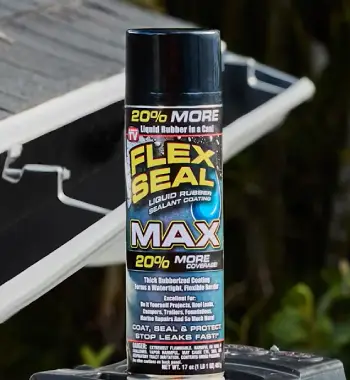
- Application feel and spray pattern: Alien Seal Spray comes out in a controlled mist. It feels smoother. It self-levels more readily.
Flex Seal tends to spray thicker. It can leave a slightly more textured surface. Hold the can too close.
You get a gummy look. I noticed Alien required less effort. It produced an even coat on vertical surfaces.
- Finish and visibility: Alien’s clear version disappears better once dry. This mattered when I sealed a glass skylight edge.
Flex Seal’s clear option still leaves a faint rubbery sheen.
The sheen catches the light. Looks matter. Alien has the edge in those cases.
Coverage consistency: Both claim similar square footage. I found Flex Seal covered large flat areas a bit faster.
The thicker spray builds up quicker. Alien needed a second light pass more often. This happened on porous wood.
- Temperature flexibility during application: Alien handled cooler mornings better in my tests. Flex Seal preferred warmer conditions.
Keep the temperature above 60°F for best flow. Both cure fully in the same 24-to-48-hour window.
- Brand familiarity and availability: Flex Seal is everywhere. You find it in hardware stores. You find it in big-box retailers.
You find it online. Alien shows up in more specialty spots. It shows up online more often. The clear version sometimes costs a dollar or two more.
These differences sound small. They change how the job feels. You stand on a ladder. You have one hand free.
Key Features Of Alien Seal Spray
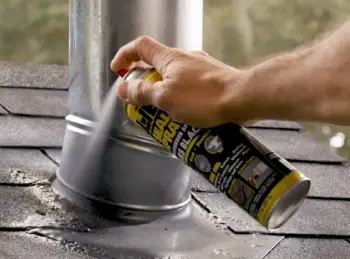
- Liquid rubber formula that creates a waterproof barrier: The coating seeps into cracks. It dries into a flexible skin. The skin blocks water.
The skin blocks air. I watched it fill a hairline crack in a metal flashing. The drip stopped within minutes of application.
- Self-leveling spray action: The product hits the surface. It spreads slightly on its own. This helped me avoid thick ridges.
Other sealants sometimes leave those ridges.
- Multi-surface bonding: It sticks to glass. It sticks to brick.
It sticks to wood. It sticks to concrete. It sticks to metal.
It sticks to tile. It sticks to fabric. It sticks to PVC. It sticks to plastic. I used it successfully on a ceramic tile edge. I used it on a fabric awning seam.
- Clear or black options that stay flexible: The clear version stays nearly invisible. The black version hides well on dark roofs.
It hides well on gutters. Neither cracked. Temperatures swung from freezing nights to hot afternoons.
- Fast dry time and paintable finish: The surface becomes touch-dry in about an hour. It is ready for light handling sooner than many competitors.
Once fully cured I painted over a test patch. Outdoor latex paint held firmly.
Pros of Alien Seal Spray
- Nearly invisible clear finish: I sealed a window sill. The repair disappeared. Guests never noticed the fix. This matters for visible indoor trim. This matters for outdoor trim.
- Smoother more controlled spray: Overspray stays low. Runs stay few on vertical surfaces. Cleanup stayed minimal on every project.
- Strong adhesion on glass and smooth plastics: It bonded tightly. Some thicker sprays can slide on those surfaces. My skylight edge stayed dry. Several storms passed with no leaks.
- Flexible through temperature swings: The coating flexed with the surface. It did not crack. A metal roof patch I treated still looks intact. Two winters have passed.
- Quick initial dry time: I could handle the area sooner. Weather threatened to change mid-project. The short wait helped.
Cons Of Alien Seal Spray
- Slightly higher price in some stores: The clear can sometimes costs more. A comparable Flex Seal can costs less. Large jobs make the difference add up.
- Limited color choices: Most places offer only clear. Most places offer only black. You need white. You need gray. You look elsewhere.
- Coverage can feel thinner on very porous surfaces: Porous concrete often needed an extra coat. Rough wood often needed an extra coat. Thicker sprays needed fewer coats.
- Less brand recognition means fewer in-store demos or advice: Clerks sometimes know Flex Seal better. They can offer quick tips more readily.
- Not ideal for high-pressure or continuous water immersion: Like most aerosol rubber sealants it suits rain. It suits splash. It does not suit constant underwater pressure.
Key Features Of Flex Seal Spray
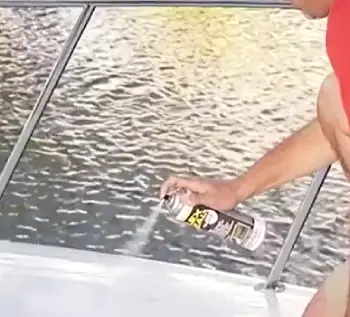
- Thick liquid rubber that seeps into cracks and holes: The spray leaves a substantial film. The film fills gaps better than thin paints.
On a gutter joint it created a solid bead. The bead stayed put.
- Wide color selection: You get clear. You get black. You get white. You get gray. You get other shades.
Matching the surrounding surface becomes easier. You need the repair to blend.
- Proven performance on common household surfaces: Wood accepts the coating. Metal accepts the coating. Concrete accepts the coating.
Masonry accepts the coating. Glass accepts the coating.
Fabric accepts the coating. Many plastics accept the coating. I have used it on basement walls. I have used it on vent pipes. I have used it on a small boat cover.
- Weather resistance once cured: The finished film handles rain. It handles humidity. It handles temperature changes.
It shows no immediate peeling. It withstands normal water pressure from rain. It does not handle continuous submersion. It does not handle high-pressure spray.
- Easy aerosol delivery for hard-to-reach spots: The can lets you coat overhead angles. It lets you coat awkward angles.
You need no brush. A few smooth passes cover more area. Caulk takes longer for the same coverage.
Pros Of Flex Seal Spray
- Excellent build-up for larger cracks: The thicker spray fills gaps faster. One coat often did the job. A 1/8-inch gutter seam needed only one coat. Alien needed two coats there.
- Broad color range for matching: White worked on a white trailer. Gray worked on a metal roof. The repairs almost disappeared from a distance.
- Widely available and often on sale: I can walk into almost any hardware store. I find a can the same day.
- Strong reputation for emergency stops: Water is actively dripping. The heavy film buys time. A permanent fix can come later.
- Good long-term flexibility on moving surfaces: Gutters expand. Gutters contract. The coating moves with them. Immediate failure stays rare.
Cons Of Flex Seal Spray
- Textured finish that can look rubbery: Smooth surfaces sometimes show a slight orange-peel texture. Clear versions still catch light.
- Longer dry-to-touch time: Two to three hours pass before light handling. Multiple layers need longer waits between coats.
- Can gum up future repairs: The rubber layer stays after application. Removing it for a professional fix turns messy. Some contractors dislike working over it.
- Not recommended for certain materials: Avoid foam. Avoid vinyl. Avoid gas tanks. Avoid radiators. Avoid tires. Avoid any surface under extreme heat. Avoid any surface under extreme pressure. A small vinyl trim piece wrinkled in one of my tests.
- Overspray risk on windy days: The thicker spray travels farther. Masking nearby plants becomes more important. Masking nearby cars becomes more important.
When I Reach For Each Product?
A clear low-visibility repair appears on windows. It appears on glass. It appears on light-colored trim. I reach for Alien Seal Spray.
The self-leveling action helps. The nearly invisible finish saves extra painting. It saves blending work. Bigger outdoor jobs appear.
Gutters need attention. Roof flashings need attention. Metal roofs need attention. A thick protective layer is needed quickly.
I grab Flex Seal. The heavier spray builds protection faster. The color options help the repair disappear into the surrounding material.
Both products work best on clean surfaces. I always wipe away dirt. I wipe away loose rust. I wipe away grease first.
A dry surface gives the strongest bond. Both claim to tolerate some dampness in an emergency. Multiple thin coats beat one heavy coat every time. I wait the full cure period. Heavy rain can then be trusted against the seal.
Durability And Real Longevity
In my experience both coatings last several years. Apply them correctly. Keep them out of constant standing water.
Flex Seal on a shaded gutter joint still looks solid. Three seasons have passed. Alien on a sun-exposed metal edge held. Two hot summers passed without cracking. Neither replaces a professional roof repair.
Neither replaces a structural fix. They are surface sealants. They are not miracle cures for rotten wood. They are not miracle cures for failed flashing. Inspect the area every spring. Recoat if you see any lifting edges.
Cost-wise they sit in the same ballpark. A single can handles a typical small-to-medium home repair.
Larger projects need two or three cans. Calculate coverage before you start. Both are paintable once cured.
You can match surrounding colors. The clear shade is not perfect. The stock shade is not perfect.
Application Tips That Made A Difference For Me
Shake the can thoroughly. The mixing ball rattles for a full thirty seconds. Hold the nozzle eight to twelve inches away.
Use smooth sweeping motions. Feather the edges. The new coating blends into the old surface. Clear the nozzle after use. Invert the can.
Give a short burst. Store both products in a cool place. Never leave them in a hot car. Wear gloves. Work in a well-ventilated area. The solvents are strong.
I tested both on a leaking garden hose connector. I tested both on a cracked plastic toolbox lid. I tested both on a small hole in a metal tool shed. Alien gave the cleaner look. Flex Seal gave the thicker barrier. Neither failed within the first year. I followed the label directions.
Also Read: Is Alien Draft Seal Worth It?
Frequently Asked Questions (FAQ)
Yes. On clean surfaces it forms a flexible waterproof coating. It stops minor leaks. It holds up to normal weather for years. Apply it in thin coats. Fully cure it.
It depends on the job. Alien wins for clear low-visibility finishes. It wins for smoother application. Flex Seal wins for thicker coverage. It wins for more color choices. It wins for wider store availability.
Avoid foam. Avoid vinyl. Avoid gas tanks. Avoid radiators. Avoid tires. Avoid surfaces under extreme heat. Avoid surfaces under extreme pressure. Avoid any container that holds drinking water.
For some jobs yes. Specialized roof coatings can outperform both sprays. Silicone sealants can outperform both sprays. Professional-grade polyurethane products can outperform both sprays. This happens on large roofs. This happens on high-movement joints. For quick DIY fixes the sprays remain hard to beat.
Final Thoughts
After running both products through the same real repairs I keep a can of each on the shelf. Alien Seal Spray earns its spot. Appearance matters.
I want a smooth clear film. Flex Seal stays ready. Bigger messier outdoor jobs appear. Thickness counts more.
Color matching counts more. You will get solid results from either one. Clean the surface. Apply thin coats. Respect the cure time. Pick the can that matches the surface. Pick the can that matches the look you need.
Your next leak will be sealed. The next storm arrives later. That simple choice has saved me more than a few emergency calls. It has saved me a lot of frustration.
Recent Posts
If you're shopping for a six-drawer dresser, you want something sturdy, spacious, attractive, and worth your money.However, after considering the concerns surrounding Shaker 6-drawer dressers and...
Decibullz Custom Molded Earplugs Reviews: Is It Worth Buying?
Decibullz Custom Molded Earplugs promise a personalized fit without the expense of professionally made earplugs, but inconsistent user experiences and concerns about comfort, fit, and noise reduction...