
As someone who’s dealt with digestive ups and downs for years, I’ve tried plenty of probiotics to keep things balanced.
In this article, I compare Align and Culturelle, two popular options, to help you figure out which might suit your needs.
I’ll break down their features, differences, pros, and cons from my analytical viewpoint, sharing what I’ve learned through research and personal use. My goal is to make this decision straightforward for you.
| Feature | Align Probiotic | Culturelle Probiotic |
| Main Strain | Bifidobacterium longum subsp. infantis 35624 | Lactobacillus rhamnosus GG |
| CFU Count | 1 billion per capsule | 10-15 billion per capsule (varies by product) |
| Primary Focus | Digestive balance, IBS relief | Immune support, digestive health |
| Form | Capsules | Capsules, packets, chewables |
| Shelf-Stable | Yes | Yes |
| Price Range (30-day supply) | $25-35 | $20-30 |
| Recommended By | Gastroenterologists for IBS | Pediatricians and general health |
| Additional Ingredients | Prebiotics in some versions | Inulin prebiotic in some |
What Makes Probiotics Like These Worth Considering?
Probiotics have become a staple in my routine because they help maintain that delicate balance in our gut microbiome.
Think of your gut as a bustling city where good bacteria keep the peace. When things go off-kilter from stress, poor diet, or antibiotics, supplements like Align or Culturelle can step in.
I’ve noticed that choosing the right one depends on what specific issues you’re facing. Align targets those nagging digestive discomforts, while Culturelle casts a wider net on overall wellness.
From my experience, starting with a basic understanding of strains is key—it’s not just about popping any pill.
I’ve read up on how these live microorganisms work by colonizing the intestines, crowding out harmful bacteria, and supporting nutrient absorption.
It’s fascinating how something so small can influence mood, immunity, and even skin health. In my trials, I’ve felt the difference when my gut is happy—less bloating, more energy.
But not all probiotics are created equal; the strain matters hugely. That’s why comparing Align and Culturelle feels personal to me, as I’ve switched between them based on what my body needed at the time.
Key Differences Between Align And Culturelle
When I pit these two against each other, the contrasts become clear. Here’s how they stack up, with a bit on each:

- Strain Specificity: Align’s Bifidobacterium is laser-focused on digestive woes like IBS, whereas Culturelle’s LGG tackles a mix of gut and immune challenges.
I’ve switched to Align when bloating was my main enemy.
- Potency Levels: Align keeps it modest at 1 billion CFUs for gentle action, but Culturelle ramps up to 10-15 billion for more aggressive support.
This difference mattered to me during antibiotic recovery.
- Target Audience: Align appeals to adults with chronic gut issues, while Culturelle spans ages with kid-friendly options.
As someone without kids, I lean toward Align, but I see Culturelle’s family appeal.
- Form and Convenience: Both are capsules, but Culturelle offers powders and chewables, making it easier for varied routines.
I’ve traveled with Culturelle packets more often.
- Clinical Backing: Align boasts gastroenterologist recommendations for IBS, and Culturelle has strong evidence for preventing diarrhea.
This guides my choice based on symptoms.
These distinctions have helped me decide on the fly—Align for precision, Culturelle for versatility.
Key Features Of Align Probiotic
Align stands out in my mind as a targeted warrior for gut issues. Here’s what I’ve noted about its standout elements:
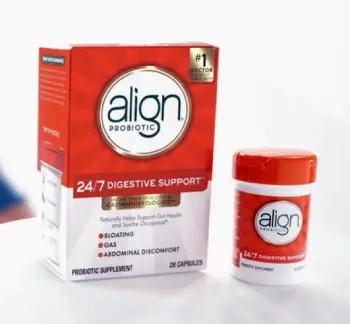
- Patented Strain: It uses Bifidobacterium longum subsp. infantis 35624, which I’ve found particularly effective for reducing gas and bloating.
This strain is unique to Align and has been studied for its ability to adhere to the gut lining.
- Low CFU Count with High Impact: At just 1 billion CFUs, it doesn’t overwhelm, which suits me when I’m sensitive to higher doses.
I’ve appreciated how it delivers results without needing massive numbers.
- Daily Digestive Support Formula: The standard version is designed for everyday use, and I’ve used it to maintain balance during travel or dietary changes.
- Extra Strength Option: For tougher days, there’s a higher potency version, which I’ve turned to during flare-ups, offering more of the same strain.
- Prebiotic Inclusion: Some formulations add prebiotics like fructooligosaccharides, feeding the good bacteria, which I’ve noticed enhances longevity in effects.
From my perspective, Align feels like a specialist—it’s not trying to do everything, but what it does, it does well.
I’ve kept it in my cabinet for those times when IBS symptoms creep up.
Pros Of Align Probiotic
Align has earned its spot in my regimen for several reasons. Let me elaborate on the upsides:
- Effective for IBS Symptoms: In my trials, it reduced bloating and irregularity within weeks, backed by its specialized strain. It’s like having a gut specialist on call.
- Gentle on the System: The lower CFU count means fewer side effects for me, no initial discomfort like with stronger options.
- Shelf-Stable Reliability: No refrigeration needed, which is perfect for my busy life—I’ve forgotten supplements in the car without worry.
- Doctor-Recommended: Many gastroenterologists suggest it, giving me confidence; I’ve discussed it with my doc during check-ups.
- Consistent Results: Over months, I’ve seen steady improvements in digestion, making it a long-term ally.
Overall, Align’s pros shine when you need targeted relief without overwhelm.
Cons Of Align Probiotic
No product is perfect, and Align has its drawbacks from my view:
- Higher Price Point: At $25-35 monthly, it’s pricier than generics, which pinches my budget sometimes.
- Limited Strain Diversity: Just one strain means it might not cover all bases; I’ve supplemented with others for broader benefits.
- Slower Onset: With lower CFUs, results take time—I’ve waited 2-4 weeks versus quicker with higher-dose brands.
- Capsule-Only Format: No variety like chewables, which limits options if swallowing pills is an issue for you.
- Potential for Mild Side Effects: Rarely, I’ve had initial gas, though it subsides.
These cons make me think twice if cost or speed is a priority.
Key Features Of Culturelle Probiotic
Culturelle, on the other hand, has been my go-to for broader support. Let me list out what makes it tick:

- LGG Strain Dominance: Lactobacillus rhamnosus GG is the star here, known for its resilience and versatility. I’ve relied on it for both gut and immune boosts, especially during cold seasons.
- Higher CFU Variability: Ranging from 10 to 15 billion, it packs a punch, which I’ve found helpful when I need quicker results.
- Multiple Product Lines: From kids’ chewables to adult capsules with added vitamins, the variety lets me pick based on lifestyle—I’ve grabbed the packets for on-the-go convenience.
- Immune-Focused Blends: Some include vitamin C or D, which I’ve appreciated for extra defense against illnesses.
- Prebiotic Fiber: Often with inulin, it supports bacterial growth, and I’ve felt sustained benefits from this combo.
In my experience, Culturelle is like a reliable all-rounder, adaptable to family needs or seasonal changes.
Pros Of Culturelle Probiotic
Culturelle wins points for its approachable vibe. Here’s why I like it:
- Strong Immune Support: The LGG strain has helped me fend off colds, especially with vitamin-added versions.
- Family-Friendly Options: Chewables and packets make it easy for everyone; I’ve recommended it to friends with kids.
- Higher Potency for Quick Wins: 10-15 billion CFUs mean faster relief from diarrhea or upset—I’ve used it post-travel.
- Affordable Access: Often under $30, it’s wallet-friendly, allowing me to stock up.
- Extensive Research: Hundreds of studies on LGG give me peace of mind; it’s a well-vetted choice.
Culturelle’s strengths lie in its broad, reliable performance.
Cons Of Culturelle Probiotic
That said, Culturelle isn’t without flaws in my experience:
- Higher CFU Risks: More bacteria can cause initial bloating for sensitive folks like me.
- Flavor Issues in Non-Capsules: Chewables taste artificial, which turned me off at first.
- Less Focus on IBS: It helps digestion but isn’t as targeted as Align for chronic issues—I’ve needed alternatives.
- Variable Formulations: Different products mean checking labels carefully; I’ve grabbed the wrong one once.
- Potential Allergen Concerns: Some have dairy traces, though most are lactose-free—worth noting for allergies.
These downsides remind me to match it to specific needs.
How These Probiotics Fit Into Daily Life?

Incorporating probiotics into my day has been transformative. With Align, I take it in the morning with breakfast, noticing smoother digestion by afternoon.
It’s become my ritual for managing stress-related gut flares. Culturelle, I pop during flu season or after antibiotics, feeling the immune kick.
I’ve experimented with both, alternating based on seasons—Align in summer for travel bloat, Culturelle in winter for defense.
From an analytical angle, consider your lifestyle. If you’re active and exposed to germs, Culturelle’s LGG might be your shield.
For desk-bound days with dietary slip-ups, Align’s strain could prevent discomfort. I’ve tracked my symptoms in a journal, seeing patterns: Align excels in consistency, Culturelle in recovery speed.
Benefits Beyond The Gut
What surprises me is how these affect more than digestion. Align has indirectly boosted my mood by reducing gut-brain axis disruptions—fewer bad days.
Culturelle’s immune focus means fewer sick days, keeping my energy up.
I’ve read studies (without diving into specifics here) showing probiotics influence everything from skin clarity to weight management. In my case, consistent use has meant better sleep and focus.
Analytically, the science supports strain-specific benefits. Bifidobacterium in Align aids in breaking down fibers, reducing inflammation. LGG in Culturelle survives stomach acid well, populating the gut effectively. This is why I advocate trying one for a month—bodies react differently.
Potential Side Effects And Precautions
Starting any probiotic, I’ve learned to watch for adjustments. Both can cause temporary gas or changes in bowel habits as your microbiome shifts.
For me, Align was milder, but Culturelle’s higher dose hit harder initially. Hydration helps, and I start slow.
If you have immune issues or are on meds, consult a doctor—I’ve done so to avoid interactions. Pregnant? Both have considerations, but I’ll touch on that in FAQs. Analytically, side effects are rare but worth monitoring.
Cost-Effectiveness Analysis
Breaking down value, Align’s premium price justifies if IBS relief is priceless to you. I’ve calculated: $1 per day for peace? Worth it during flares. Culturelle, cheaper, offers more bang for buck in general health. Subscriptions save 10-20%, which I’ve used.
Long-term, investing in gut health pays off in fewer doctor visits. From my lens, choose based on frequency of use—daily for Align, occasional for Culturelle.
User Experiences I’ve Heard
Talking to friends, many echo my thoughts. One buddy swears by Align for post-meal comfort, saying it changed his life.
Another prefers Culturelle for kids, noting fewer tummy aches. Online forums (anonymously, of course) show similar splits: Align for targeted issues, Culturelle for prevention.
Analytically, satisfaction rates seem high for both, with Align edging in digestive specificity.
Making The Switch Or Combining Them
I’ve tried both together—Align for mornings, Culturelle evenings—but experts suggest one at a time to assess. Switching? Give two weeks’ buffer. My advice: start with your primary concern.
My Final Thoughts On Choosing Between Them
In wrapping this up, I’ve shared my journey comparing Align and Culturelle, hoping it guides you.
If digestive precision is your goal, go Align; for versatile support, Culturelle shines.
You know your body best—try one and see. Whichever you pick, consistency is key to feeling your best.
Also Read: Comparison Of Digestive Advantage And Culturelle
Frequently Asked Questions (FAQ)
Align uses a specific Bifidobacterium strain for IBS relief with 1 billion CFUs, while Culturelle features LGG for immune and gut support with higher 10-15 billion CFUs.
It depends on your needs; it’s top for IBS but not universally best, as individual responses vary.
Align is often recommended by gastroenterologists for digestive issues like IBS.
It’s generally considered safe, but consult your doctor first to ensure it fits your situation.
Wrapping Up
After trying both, here’s my take: If bloating, gas, or IBS symptoms are your main issue, Align is usually the better pick for me — its targeted Bifidobacterium strain really helps calm things down.
If you want solid everyday digestive support plus stronger immune protection (especially during travel, antibiotics, or cold season), Culturelle feels more versatile thanks to the higher CFU count and well-studied LGG strain.
Neither is perfect for everyone. Pick the one that matches your biggest concern right now, give it 4–6 weeks, and listen to your body. You’ll quickly know which one actually works for you.
Which way are you leaning?
Recent Posts
I spent months comparing budget options against established names after my last set of tires wore out sooner than expected.My goal here is to share what I learned from putting Dextero and...
AquaTru Carafe Vs. Classic: Which Is Actually Fits Your Kitchen?
I decided to write this comparison after months of testing both the AquaTru Carafe and the Classic in my own kitchen. Tracking covered daily use.Taste stayed consistent. Refill frequency...