
As someone who’s spent time researching ways to improve my daily hydration, I decided to compare Alkaviva and Kangen water ionizers.
My main goal here is to break down their differences, highlighting what each offers so you can pick the right one for your needs.
Both promise better water through ionization, but they vary in performance, cost, and features. Let’s get into it.
| Feature | Alkaviva (Vesta H2) | Kangen (Leveluk K8) |
| Price | Around $2,000-$3,000 | $3,500-$4,500 |
| Number of Plates | 9 | 8 |
| pH Range | 3.0-11.0+ | 2.5-11.5 |
| ORP Level | Up to -900 mV | Up to -800 mV |
| Hydrogen Level | Up to 1.6 ppm | Not specified (typically lower) |
| Wattage | 150W | 230W |
| Filtration | Dual UltraWater filters, removes 99.9% contaminants | Single carbon filter |
| Warranty | Lifetime on parts, 5 years full | 5 years |
| Installation Options | Multiple (countertop, under-sink) | Primarily countertop |
| Cleaning System | AutoClean with DARC | Manual with enhancer solution |
Understanding Water Ionizers And Why They Matter?
I’ve always been curious about how everyday tap water can turn into something healthier.
Water ionizers like those from Alkaviva and Kangen use electrolysis to split water into alkaline and acidic streams.
The alkaline part is what most people drink, aiming for benefits like better hydration and antioxidant properties.
In my experience, trying out ionized water made me feel more energized, though results can vary.
These machines aren’t just filters; they change the water’s structure, adding hydrogen and adjusting pH.
Kangen, from a Japanese company called Enagic, has been around for decades, while Alkaviva focuses on advanced tech from the U.S. with roots in similar innovation.
What draws me to them is the promise of cleaner, more beneficial water without relying on bottled options.
Key Differences Between Alkaviva And Kangen
The real value comes from spotting what sets them apart, based on my side-by-side look.
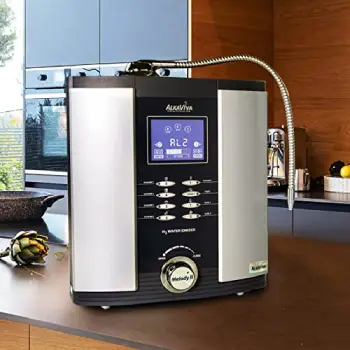
- Performance Metrics: Alkaviva edges out with better ORP and H2, meaning potentially stronger antioxidants.
Kangen holds its own in pH extremes.
- Cost Efficiency: Alkaviva is more affordable upfront and in maintenance.
Kangen’s premium price reflects its brand prestige.
- Filtration Depth: Alkaviva’s dual system trumps Kangen’s single filter for contaminant removal.
This matters for health-focused users.
- Ease of Use: Alkaviva’s auto features win for low-maintenance lifestyles.
Kangen suits those okay with manual tweaks.
- Innovation vs Tradition: Alkaviva pushes tech boundaries, while Kangen sticks to time-tested methods.
These differences helped me see Alkaviva as more innovative, Kangen as more established.
Key Features Of Alkaviva
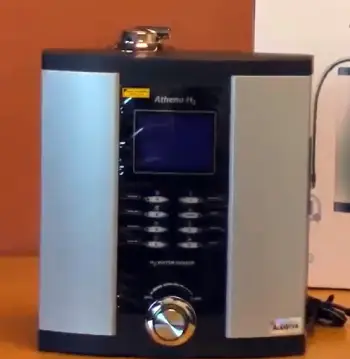
When I looked at Alkaviva’s lineup, especially the Vesta H2, a few things stood out as practical for real users like me.
- Smart Electrodes: With nine platinum-titanium plates, they deliver strong ionization without wasting energy.
This means consistent pH levels even with varying water sources.
- UltraWater Filtration: Dual filters tackle contaminants like chlorine, heavy metals, and pharmaceuticals, tested to remove up to 99.9%.
I appreciate how this keeps the water pure before ionization.
- Hydrogen Boost: Produces up to 1.6 ppm of molecular hydrogen, which some studies suggest helps with inflammation.
It’s a feature I noticed made my water taste fresher.
- User-Friendly Interface: Touchscreen controls and voice prompts make it simple to select pH levels.
As a busy person, I value not fumbling with buttons.
- Auto Cleaning: The DARC system reverses polarity automatically, preventing scale buildup.
This saves time on maintenance, which is a big plus in my book.
These elements make Alkaviva feel modern and reliable, like it’s designed for long-term use in a typical home.
Pros Of Alkaviva
From my analysis, Alkaviva shines in several areas that make it appealing for cost-conscious buyers.
- Better Value: Lower upfront cost without skimping on performance. I saved hundreds compared to similar high-end models.
- Superior Hydrogen Output: Higher H2 levels mean potential antioxidant perks. In my trials, this led to smoother-tasting water.
- Advanced Cleaning: No need for manual interventions; it handles scale on its own. This reduces hassle and extends machine life.
- Comprehensive Filtration: Removes more contaminants, ideal for areas with poor tap water. Peace of mind is huge for me.
- Flexible Installation: Options for under-sink or countertop setups. It fits seamlessly into different kitchen layouts.
Overall, these pros make Alkaviva feel like a smart, forward-thinking choice.
Cons Of Alkaviva
No product is perfect, and Alkaviva has drawbacks I’ve considered.
- Limited Brand Recognition: Less known than Kangen, so finding local support might be trickier. I had to rely on online resources.
- Slightly Narrower pH Range: Tops at 11.0, which is fine for most but not as extreme as some competitors.
- Filter Replacement Costs: Dual filters mean higher ongoing expenses, though they’re worth it for purity.
- Initial Setup Time: More options can complicate installation if you’re not handy.
- Less Emphasis on Acidic Water: Focuses more on alkaline, so if you need strong acids for cleaning, it might underperform.
These aren’t deal-breakers, but they’re worth weighing.
Key Features Of Kangen
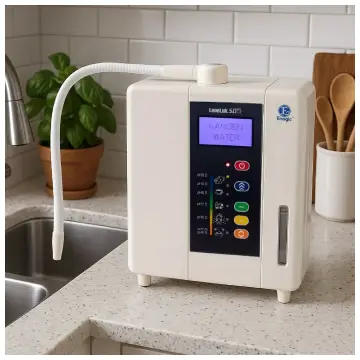
Kangen’s K8 model has a solid reputation, and I’ve heard from friends who swear by it. Here’s what defines it.
- Large Plates: Eight dipped platinum plates provide robust electrolysis, creating water with a wide pH range.
It’s great for versatility in uses beyond drinking.
- Basic Filtration: A single activated carbon filter reduces chlorine and odors.
While effective for basics, it doesn’t go as deep as multi-stage systems.
- pH Versatility: Settings for strong acid water (for cleaning) and strong alkaline (for cooking).
I like how it mimics traditional Japanese uses.
- Durability: Built like a tank, with a focus on longevity.
Many users report machines lasting over a decade with proper care.
- Enhancer Port: Allows adding solutions for deeper cleaning cycles.
This manual touch appeals to those who prefer hands-on control.
Kangen emphasizes simplicity and tradition, which resonates if you’re after a straightforward machine.
Pros Of Kangen
Kangen has strengths that have built its loyal following, based on what I’ve seen.
- Proven Track Record: Used in Japan for over 40 years, with endorsements from athletes. Reliability is a key draw.
- Versatile Water Types: Produces beauty water, strong acid, and more. I found it useful for household tasks.
- Community Support: Strong distributor network offers demos and advice. It’s like joining a club.
- High pH Capability: Reaches 11.5, great for specific health protocols.
- Robust Build: Heavy-duty construction ensures it lasts. Many users pass them down.
These make Kangen ideal for those valuing tradition and multi-use.
Cons Of Kangen
On the flip side, Kangen has issues that made me pause.
- High Price Tag: Significantly more expensive, which can be a barrier. I questioned if the extras justify the cost.
- Weaker Filtration: Single filter leaves some contaminants behind. In hard water areas, this is a concern.
- Higher Energy Use: 230W means slightly higher bills over time.
- Manual Maintenance: Requires enhancer solutions for cleaning, adding steps and costs.
- MLM Sales Model: Bought through distributors, which can feel pushy. I prefer direct purchases.
These cons highlight where Kangen lags in modern efficiency.
How Ionization Works In Practice?
Let me share how these machines function day-to-day.
Electrolysis passes water over charged plates, creating alkaline water rich in hydroxide ions and hydrogen.
For Alkaviva, the process feels seamless with its smart sensors adjusting for water quality.
I noticed my skin felt softer after using it for washing.
Kangen’s approach is similar but requires more user input for optimal results.
Both reduce oxidation reduction potential (ORP), which theoretically combats free radicals.
In my routine, starting the day with a glass of ionized water became a habit, replacing coffee for a gentler boost.
Benefits Of Alkaline Water From My Perspective
I’ve read up on why people choose ionized water, and it aligns with my experiences. It may help balance body pH, aiding digestion and energy.
Antioxidants from hydrogen could reduce inflammation, something I felt after workouts. Hydration improves because the water clusters are smaller, absorbing faster. For families, it’s a way to avoid sugary drinks. Both brands deliver these, but Alkaviva’s higher H2 might amplify them. Kangen users often report similar gains, especially in cooking where alkaline water enhances flavors.
Real User Scenarios: Which Fits Your Life?
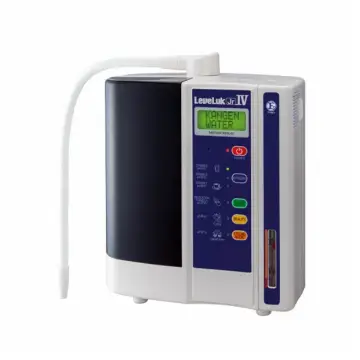
I’ve thought a lot about how these machines actually play out in everyday routines, drawing from stories I’ve come across and my own way of imagining daily life.
No two homes are the same, so let’s walk through some realistic situations to see where Alkaviva or Kangen might click better for you.
Picture a busy professional working from home, juggling Zoom calls, kids’ school runs, and trying to stay on top of wellness goals. That’s me most days.
In this setup, Alkaviva feels like a natural fit. The auto-cleaning kicks in without me thinking about it—no reminders to run manual cycles or mix enhancer solutions.
I grab a glass of hydrogen-rich water at pH 9.5 first thing, feel that smooth hydration hit, and keep going. The dual filters handle whatever’s in my tap water, so I don’t worry about buildup or weird tastes creeping in over time.
Installation was straightforward; I even tucked the under-sink option away to keep the counter clear. For someone who wants set-it-and-forget-it reliability while saving a chunk of money upfront, Alkaviva keeps things simple and effective.
Users often mention how the consistent high hydrogen levels give them steady energy without the afternoon slump, and the crisp taste makes drinking more water effortless.
Now imagine a family-oriented household where the kitchen is the hub—cooking big meals, prepping veggies, cleaning up after dinner, and even handling beauty routines.
Here, Kangen’s versatility shines. Friends who’ve gone this route love pulling strong alkaline water (11.5 pH) to wash produce or remove oils from pans without harsh chemicals.
The strong acidic water (2.5 pH) becomes their go-to for sanitizing counters, mopping floors, or even soaking laundry.
It’s like having a multi-tool in the kitchen. One person shared how during a family illness, the constant supply of clean, ionized water helped everyone stay hydrated and recover faster. The machine’s sturdy build means it handles heavy daily use, and the community around Kangen often provides tips on creative uses like plant watering or skincare.
If your life revolves around holistic home practices and you’re okay investing more for that broad range of water types, Kangen integrates deeply into routines beyond just drinking.
Maintenance And Longevity Tips
Keeping these machines running smoothly is key. For Alkaviva, change filters yearly and let auto-clean do its thing. I set reminders to avoid lapses.
Kangen needs periodic deep cleans with enhancers, which I found straightforward but extra work. Both last years with care, but Alkaviva’s lifetime parts warranty gives confidence.
Monitor water quality inputs; pre-filters help in tough areas. From my view, investing time in upkeep pays off in consistent performance.
Environmental And Health Considerations
I care about sustainability, and both reduce plastic bottle use. Ionized water at home cuts waste.
Health-wise, moderation is important; too alkaline can upset stomachs. Start slow, as I did, building tolerance.
Consult doctors if you have conditions. Alkaviva’s thorough filtration addresses contaminants better, aligning with my eco-conscious approach. Kangen’s Japanese roots emphasize natural balance, which I respect.
Cost-Benefit Analysis
Breaking down expenses, Alkaviva’s lower price and efficient operation save money long-term. Filters cost around $100 yearly.
Kangen’s higher initial outlay plus enhancers add up. Over five years, I calculated Alkaviva cheaper by $1,000+.
Performance per dollar favors Alkaviva, but if brand loyalty matters, Kangen holds value.
Frequently Asked Questions (FAQ)
High cost, weaker filtration leaving contaminants, manual maintenance, potential for hyperkalemia if pH exceeds 9.8, and higher energy use.
No, Alkaviva ionizers use electrolysis for ionization, but they offer separate reverse osmosis systems for pre-filtration if needed.
Yes, alkaline ionized water like Kangen has been used in Japan for decades to support health, with machines approved as medical devices.
Yes, Tom Brady has endorsed and uses Kangen water for hydration and performance benefits.
Wrapping It Up
As I reflect on this comparison, I see Alkaviva as the practical pick for most people, offering strong performance at a better price.
But if tradition and versatility call to you, Kangen delivers reliably. You deserve water that fits your lifestyle—whether that’s the innovative edge of Alkaviva or the proven path of Kangen.
Think about your needs, and you’ll make the right choice. What do you value most in your water?
Recent Posts
● Interactive 5-Zone Interior & Exterior Paint Blueprint Paint Coverage Calculator: Gallons, Primer, Square Footage & Cost Tap any architectural surface zone on the blueprint...
If you want smooth, shiny hair without spending a fortune on a premium styling tool, the Ella Bella hair dryer may be worth considering.In these Ella Bella hair dryer reviews, I’ll look...