
I’ve learned that a mattress protector can make a bigger difference than most people expect. After using the AllerEase mattress protector, I found that it adds a useful layer between my sheets and mattress while helping protect against common bedroom allergens, spills, sweat, and everyday messes.
If you want an affordable protector with an allergy-focused design, I’d recommend buying the AllerEase mattress protector and giving it a try.
It isn’t perfect, but its combination of protection, comfort, and easy maintenance makes it a practical choice for many bedrooms.
My First Experience With The AllerEase Mattress Protector
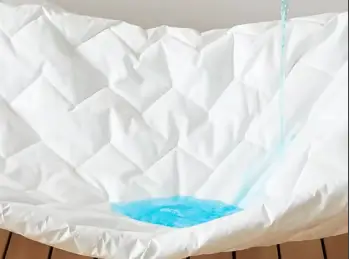
When I first started using the AllerEase mattress protector, my main concern was whether it would feel like an obvious extra layer underneath my sheets.
I’ve tried mattress protectors before that made the bed feel stiff, noisy, or slightly uncomfortable, so I was paying close attention to how this one behaved during normal sleep.
The first thing I noticed was that the protector sits fairly naturally over the mattress. Once I put my fitted sheet over it, I didn’t feel like I was sleeping directly on a bulky protective cover.
That was important to me because I don’t want a mattress protector to interfere with the softness of my bedding.
I also liked the feeling of having an additional barrier over my mattress. I spend a lot of time thinking about keeping my bedding clean, but the mattress itself is much harder to clean than sheets.
Once something gets through the bedding and reaches the mattress, dealing with it can become a headache. Having a washable protective layer gives me some extra peace of mind.
Another thing I appreciated was the allergy-focused design. I can’t claim that a mattress protector magically eliminates allergens from an entire bedroom, because that would be unrealistic. However, I do like the idea of creating a physical barrier between me and the mattress surface.
During regular use, I found the protector most useful for everyday protection. Sweat, accidental spills, skin oils, and other small bedroom mishaps are much easier to manage when there’s a removable layer between them and the mattress.
The protector also became especially useful when I changed my bedding routine. Instead of worrying about whether my mattress was accumulating moisture and debris over time, I could simply remove the protector, wash it, dry it properly, and put it back on.
My overall experience has been positive. I wouldn’t describe the AllerEase mattress protector as some revolutionary bedding product, but I think it succeeds at its basic job: protecting the mattress while providing an allergy-conscious layer that doesn’t dominate the feel of the bed.
Pros Of The AllerEase Mattress Protector
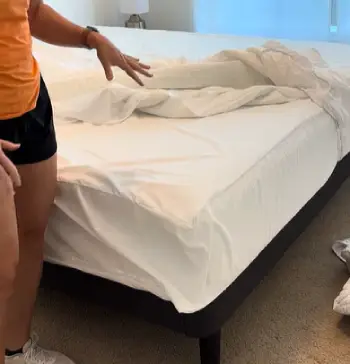
- Strong Mattress Protection
The biggest benefit I noticed is the additional protection it provides for the mattress.
Think about how much a mattress goes through. You sleep on it every night, sweat during warm weather, occasionally eat or drink in bed, and may deal with accidental spills.
Even if you’re extremely careful, everyday use eventually leaves its mark.
I like having a removable protective layer because it gives me another line of defense.
Instead of worrying about every little spill reaching the mattress, I can focus on cleaning the protector. That is considerably easier than trying to clean and dry an entire mattress.
- Allergy-Focused Design
The allergy-focused construction is another major reason I would consider this protector.
I don’t expect a mattress cover to solve every allergy problem in my home. Air quality, bedding cleanliness, humidity, carpeting, pets, and general housekeeping can all play a role in what’s floating around the bedroom.
Still, adding a barrier around the mattress makes practical sense.
For people specifically shopping for an anti-allergy mattress protector, AllerEase has a clear advantage because that purpose is central to the product rather than being an afterthought.
- Comfortable Under Bedding
I was pleasantly surprised by how easy it is to forget that the protector is there.
That might sound like a small compliment, but for bedding products, it’s important.
If I can feel every seam or hear every movement underneath my sheets, I’m going to get annoyed quickly. A mattress protector should protect the mattress without making the bed feel completely different.
Once covered with a fitted sheet, the AllerEase protector generally blends into the overall bedding setup.
- Easier Cleaning
I appreciate anything that makes bedroom maintenance simpler.
A mattress protector is essentially a washable shield. Instead of trying to clean the mattress whenever something happens, I can remove the protector and clean it according to its care instructions.
That can save a lot of effort.
It also encourages me to take mattress hygiene more seriously because regular washing becomes much more manageable.
- Useful for Everyday Household Messes
You don’t have to have allergy concerns to benefit from a mattress protector.
If you have children, pets, frequent guests, or simply want to protect an expensive mattress, an additional layer can be worthwhile.
I especially like the idea for households where accidental spills are a realistic possibility. A mattress is a significant investment, and protecting it from avoidable damage makes financial sense.
- Good Long-Term Bedding Accessory
A mattress protector isn’t something I replace every few months if it remains in good condition.
That makes durability important.
If I can keep washing and using the protector without it quickly becoming stretched, damaged, or uncomfortable, it becomes a useful long-term part of my bedding setup.
Cons Of TheAllerEase Mattress Protector
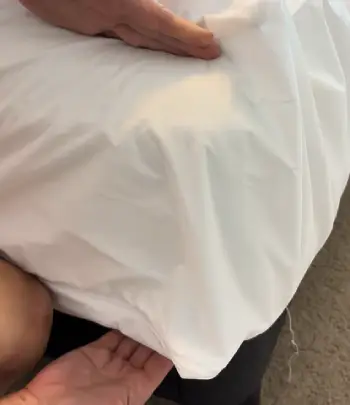
- It Can Change the Feel of Your Mattress Slightly
Even a relatively comfortable mattress protector adds another layer.
If you love the exact feel of your mattress and are extremely sensitive to changes in texture, you may notice a difference.
For me, that isn’t necessarily a dealbreaker, but it’s worth remembering.
- Fit Matters
A mattress protector only works well if you choose the appropriate size and depth for your mattress.
A protector that is too small can pull at the corners, while an oversized one may shift around more than you want.
I always recommend checking your mattress measurements before buying rather than relying only on the mattress size printed on the label.
- It Requires Regular Washing
This is both a benefit and a responsibility.
Yes, the protector is washable, but that means you actually need to wash it.
If I leave the same protector on the bed for months without cleaning it, I’m defeating part of the reason for having a removable protective layer.
- Not a Complete Allergy Solution
This is an important distinction.
An anti-allergy mattress protector can provide a useful barrier, but it shouldn’t be treated as a complete solution for every allergy-related concern.
I would still wash sheets regularly, keep the bedroom clean, control excessive humidity, and pay attention to other potential sources of household allergens.
Maintenance For AllerEase Mattress Protectors
- Wash It Regularly
Regular washing is probably the most important maintenance habit.
I personally prefer to establish a bedding schedule rather than waiting until something looks dirty. A mattress protector sits directly over the mattress, so keeping it clean is part of maintaining the overall sleep environment.
Always follow the specific care instructions provided with your model.
- Avoid Overloading the Washing Machine
A common mistake is trying to wash too much bedding at once.
A mattress protector needs enough room to move around during washing. If I stuff it into an overloaded machine, I’m not giving the fabric the best opportunity to get properly cleaned.
For larger sizes, using an appropriately sized washer can make a noticeable difference.
- Dry It Thoroughly
Moisture left inside bedding is never something I want.
After washing the protector, make sure it is thoroughly dry before putting it back on the mattress. Damp fabric can create an unpleasant environment and may develop an odor if it stays wet for too long.
I’d rather give it extra drying time than rush the process.
- Don’t Use Harsh Cleaning Products Unless Recommended
More detergent doesn’t necessarily mean cleaner bedding.
I prefer following the manufacturer’s care instructions instead of experimenting with aggressive chemicals, excessive bleach, or other products that could affect the fabric or protective properties.
Gentle, appropriate care is usually the safer approach for bedding.
- Check the Protector for Wear
Every few weeks, I like to look at the corners, seams, and surface.
If I notice unusual thinning, tearing, loose stitching, or other damage, that’s a sign the protector may need attention or replacement.
A damaged protector obviously cannot provide the same level of protection as an intact one.
- Keep the Mattress Dry Before Reinstalling
If the mattress itself has been cleaned for any reason, I would never immediately cover it while it is still damp.
Let the mattress dry completely first.
Trapping moisture underneath a protector is something I want to avoid because the goal is to maintain a clean, dry sleeping environment.
- Wash Your Sheets Alongside the Protector
The protector shouldn’t become an excuse to ignore the rest of the bedding.
I still wash my sheets, pillowcases, and other washable bedding regularly.
Think of the bed as a system. The protector protects the mattress, while clean bedding keeps the surface you directly sleep on fresh.
- Make Sure It Fits Correctly
If the protector repeatedly slides, bunches, or pulls away from the corners, check whether you have the correct size.
A good fit makes a huge difference.
I’d rather spend a few minutes measuring the mattress before buying than deal with constant adjustment afterward.
Comparison Of AllerEase Mattress Protector With Other Brands
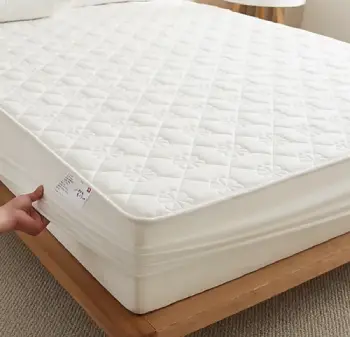
- AllerEase vs Basic Mattress Protectors
A basic mattress protector may focus primarily on protecting against spills, stains, and general wear.
AllerEase adds an allergy-focused element to the conversation.
That distinction matters to me because I’m not only thinking about protecting the mattress from accidental messes. I’m also interested in creating a barrier between the mattress and the sleeping environment.
If you only care about basic mattress protection, a simpler protector may meet your needs. If allergen protection is part of your buying criteria, AllerEase becomes more interesting.
- AllerEase vs Waterproof Mattress Protectors
Waterproof protectors are particularly useful for households where liquid protection is the primary concern.
I can understand why someone would choose that style. Spills and accidents can permanently damage a mattress, so waterproofing can be extremely useful.
AllerEase, however, appeals to people who want a broader protective purpose rather than thinking only about liquids.
The right choice depends on what you actually need from the protector.
- AllerEase vs Premium Mattress Protectors
Premium mattress protectors often emphasize luxury fabrics, advanced construction, cooling materials, or specialized comfort features.
That can be attractive if you want your protector to contribute noticeably to the feel of your bed.
For me, AllerEase is more about practical protection than creating a luxury sleep surface.
I would choose based on priorities rather than assuming a higher price automatically means a better match.
- AllerEase vs Generic Allergy Mattress Covers
This is where I think shoppers need to pay attention to construction and care instructions rather than simply choosing something because the packaging says “allergy.”
Two products can make similar claims while feeling very different on the bed.
I would look at the fit, fabric feel, washability, mattress compatibility, and overall construction before making a decision.
Who Should Buy An Allerease Mattress Protector?
I think this type of protector makes the most sense if you want to keep your mattress cleaner and add an allergy-conscious barrier to your bedding setup.
It can also be useful if you’ve recently purchased a new mattress and want to protect that investment.
Parents may appreciate having a washable layer between the mattress and accidental spills. Pet owners can also find a protector useful because pets can bring dirt and debris into the bedroom.
If you’re extremely sensitive to bedding textures, though, I would pay extra attention to the construction and fit.
You should also remember that no mattress protector can replace good bedroom hygiene.
Also Read: Is Kingsdown Sunham Mattress Worth It?
Frequently Asked Questions (FAQ)
Yes. They can be a practical choice for mattress protection and allergy-conscious bedding.
There isn’t one universal choice. The right protector depends on your needs, mattress size, comfort preferences, and desired protection.
AllerEase is one established option, particularly for shoppers interested in allergy-focused mattress protection.
Yes. They can provide an additional barrier against common household allergens, although they aren’t a complete allergy-control solution.
Wrapping Up
After using and evaluating the AllerEase mattress protector, I think it’s a practical addition to a bedroom, especially if you want mattress protection with an allergy-focused design.
I like its washable construction, everyday usefulness, and ability to create an extra barrier without completely changing the feel of my bed.
If those features match what you’re looking for, I’d recommend buying the AllerEase mattress protector and making it part of your regular bedding routine.
Recent Posts
● Interactive 5-Zone Interior & Exterior Paint Blueprint Paint Coverage Calculator: Gallons, Primer, Square Footage & Cost Tap any architectural surface zone on the blueprint...
If you want smooth, shiny hair without spending a fortune on a premium styling tool, the Ella Bella hair dryer may be worth considering.In these Ella Bella hair dryer reviews, I’ll look...