
If you’re dealing with persistent ant trails in your home, kitchen, or outdoor spaces, I can tell you from personal experience that you should seriously consider buying Amdro Ant Block.
I was at a point where nothing I tried gave lasting relief, and that frustration is exactly why I ended up using it.
This product is designed for people who want a long-term barrier, not just a temporary fix, and I genuinely found it worth the investment for ongoing ant problems around the house.
My First Experience With Amdro Ant Block
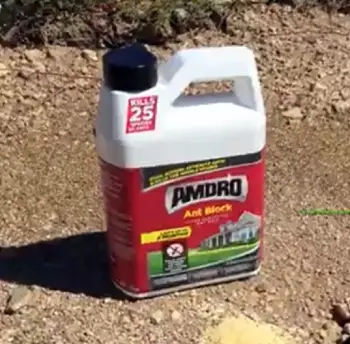
When I first used Amdro Ant Block, I wasn’t expecting anything dramatically different from other ant control products I had tried before.
In the past, I had used sprays and quick-kill baits that worked for a few hours or maybe a day, but the ants always came back.
My biggest issue was a line of ants traveling from my garden straight into the kitchen area, especially during warmer months.
I applied Amdro Ant Block around the perimeter of my home and near the areas where I noticed the most activity.
What stood out to me right away was how simple the application process was. I didn’t need to mix anything complicated or constantly reapply every day.
Within a short time, I started noticing a shift in ant behavior.
Instead of marching in organized trails, the activity became inconsistent and then gradually reduced.
What impressed me most was not just the immediate effect but how it changed the pattern over time. The ants didn’t just disappear instantly; they began carrying the bait back to their colony.
After a few days, the visible activity around my home reduced significantly. In about a week, the problem areas that used to be full of movement were almost completely quiet.
I also noticed that it performed well even after light rain, which was important for outdoor application. I did not have to constantly reapply it after every weather change.
For me, this was a major advantage compared to sprays that wash away quickly.
From my perspective, Amdro Ant Block is not a “quick fix” product, but it delivers something more valuable: stability. Once it started working, I felt like I finally had control over a problem that used to feel endless.
How Amdro Ant Block Works In Real Conditions?
What I realized after using it is that Amdro Ant Block works differently from surface sprays. Instead of simply killing ants on contact, it focuses on colony-level elimination.
Ants carry the bait back to their nest, which eventually disrupts the entire colony structure.
In real-world use, this means you don’t just see fewer ants temporarily; you see a gradual breakdown of their presence entirely.
That process takes time, but it is what makes the results more lasting compared to instant-kill products.
Pros Of Amdro Ant Block
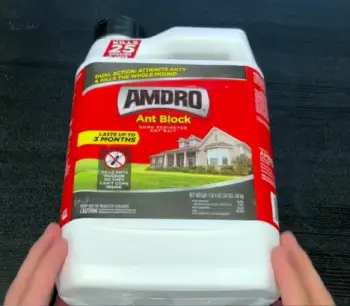
- Long-term colony elimination instead of surface killing
One of the biggest strengths I noticed with Amdro Ant Block is that it doesn’t just kill the ants you see on the surface.
That’s something I’ve struggled with in the past using sprays—visible ants disappear for a short time, but the problem always returns.
With Amdro, the approach feels different. The ants actually carry the bait back to their colony, which slowly disrupts the entire system.
From my experience, this is what creates the longer-lasting control. It’s not instant, but it’s more complete.
- Strong outdoor perimeter protection
I found it especially effective when used around the outside of my home. Once I applied it along entry points, pathways, and garden edges, the number of ants trying to come inside dropped noticeably.
It essentially creates a protective boundary.
For someone like me who constantly deals with ants entering from outdoors, this perimeter control was a major benefit.
- Reduced need for frequent reapplication
Another advantage I personally appreciated is how long it stays effective compared to sprays or quick-kill products.
I didn’t feel the need to reapply it every few days. Even after some rain and environmental exposure, the effect remained fairly stable.
That saved both time and effort, especially during peak ant seasons when activity is high.
- Easy and low-maintenance application
I don’t like complicated pest control routines, so this product worked well for me in that sense. I just applied it in the recommended areas and let it do its job.
There’s no mixing, no spraying every day, and no constant monitoring required. Once it’s in place, it quietly works in the background.
- Works across multiple ant species
In my experience, it didn’t seem limited to just one type of ant. I observed a reduction in different ant trails around my home and garden.
That versatility made it more reliable because I didn’t have to switch products depending on the situation.
- Better long-term value compared to repeated sprays
Even though the upfront cost may feel similar to other products, I found it more economical over time.
Since I wasn’t constantly buying new sprays or bait traps every week, the overall cost of managing ants went down.
For me, that long-term value matters more than short bursts of effectiveness.
Cons Of Amdro Ant Block
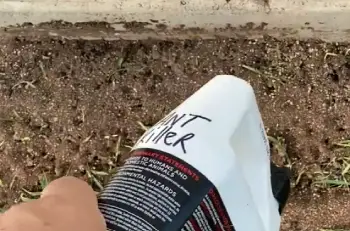
- Not an instant kill solution
One thing I had to adjust my expectations for is speed. If you’re looking for something that kills ants immediately on contact, this is not that type of product.
It takes time for the ants to carry the bait back and affect the colony. In my experience, noticeable results took a few days rather than minutes.
That delay can be frustrating if you expect fast visual results.
- Less effective for sudden indoor infestations
While it works well as an outdoor perimeter solution, I found it less useful for sudden indoor outbreaks.
If ants suddenly appear in your kitchen or food areas, this product alone won’t give immediate relief.
In those cases, I still needed a spray or indoor bait for quick control while Amdro worked in the background outside.
- Requires proper placement for best results
Another limitation I noticed is that placement really matters. If you just scatter it randomly, the effectiveness drops.
It needs to be applied near trails, entry points, and nesting areas. When I didn’t apply it strategically at first, the results were slower and less noticeable.
So there is a small learning curve in understanding where to place it.
- Can be affected by heavy weather conditions
Although it handles light rain fairly well, I observed that heavy or repeated rainfall can reduce its effectiveness faster.
In those cases, reapplication becomes necessary. So if you live in a very wet climate or during monsoon-like conditions, you may need to monitor and reapply more often than expected.
- Not ideal for indoor living spaces
I personally would not use it freely indoors. It is designed mainly for outdoor use and perimeter protection.
That means you still need alternative solutions inside the home. For someone hoping for a single indoor-outdoor solution, this can feel like a limitation.
- Slower visible results compared to sprays
Even though the long-term effect is strong, the visible reduction in ants is not immediate. At first, it c
Maintenance Tips For Amdro Ant Block
- Apply it strategically, not randomly
One thing I learned quickly is that placement matters more than quantity. When I first used Amdro Ant Block, I made the mistake of scattering it too widely.
The results were slower and less focused. Later, I realized it works best when you target specific ant pathways.
I now look closely at where ants are actively moving—along walls, garden edges, cracks, and entry points—and apply it there. This simple shift made the product far more effective in my case.
- Keep outdoor perimeter zones consistent
For long-term control, consistency around your home’s perimeter is key.
I usually maintain a protective ring around the house foundation, especially near doors, windows, and outdoor utility areas. Instead of changing locations every time, I stick to the same key zones.
This creates a stable barrier effect. Over time, I noticed fewer reinfestations when I maintained these perimeter lines properly.
- Avoid over-cleaning treated areas
This is something I had to adjust in my routine.
Naturally, I used to clean outdoor areas frequently, but I realized that excessive cleaning can remove or disturb the product.
Light maintenance is fine, but I avoid sweeping or washing directly over treated zones too often. The product needs time to interact with ants, so keeping it undisturbed improves performance significantly.
- Reapply after heavy rain or water exposure
Although Amdro Ant Block handles normal weather conditions fairly well, I noticed that heavy rain can reduce its effectiveness over time.
After strong rainfall or water runoff, I usually inspect the treated areas. If I see that the product has been washed away or reduced, I do a light reapplication instead of starting from scratch.
This keeps the protection continuous without wasting product.
- Combine with good sanitation practices
One mistake I made early on was relying only on the product. Over time, I realized that environmental cleanliness plays a big role.
I now make sure food waste, sugary residues, and open trash are properly managed. When I combine Amdro with basic cleanliness habits, the results last much longer.
Ants are less likely to return if there’s nothing attracting them indoors.
- Monitor ant activity regularly
Instead of just applying and forgetting, I now take a few minutes every couple of days to check activity levels.
This helps me understand whether the colony is weakening or if new trails are forming. If I notice fresh movement, I adjust placement slightly rather than waiting for a full infestation to return.
This small habit keeps control consistent.
- Use early, not after full infestation
From my experience, timing makes a big difference. When I apply Amdro at the first sign of ant activity, the results are faster and more controlled. If I wait until the infestation becomes large, it takes longer to break down the colony. So now I never delay once I notice early trails forming.
an feel like nothing is happening, especially in the first couple of days. Compared to fast-kill sprays, the slower pace may feel less satisfying at the beginning, even though the outcome is better over time.
Reapplication is not something I do frequently, but I do check the treated areas after heavy rainfall or extended outdoor exposure. If I notice reduced coverage, I lightly reapply instead of starting over completely.
I also avoid combining it with strong chemical sprays in the same area because that can interfere with how ants interact with the bait. From my experience, allowing it to work undisturbed gives the best outcome.
Comparison Amdro Ant Block With Other Ant Control Brands
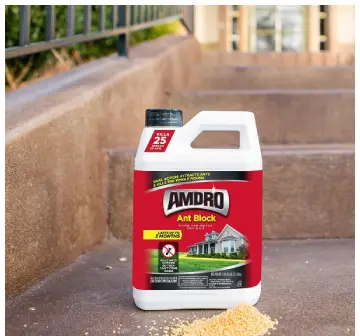
- Amdro vs Terro Liquid Ant Baits
When I compare Amdro Ant Block with Terro liquid ant baits, the biggest difference I noticed is the application style and target area.
Terro works extremely well indoors for quick attraction and elimination, especially for sugar-loving ants. However, in my experience, it requires repeated placement and is more focused on indoor infestations.
Amdro, on the other hand, performs better as an outdoor perimeter solution. While Terro gives faster visible results indoors, Amdro provides longer-term prevention around the structure itself.
I personally found Amdro more useful when my goal was stopping ants before they entered the house.
- Amdro vs Ortho Home Defense
With Ortho Home Defense, I noticed a strong immediate knockdown effect. It kills ants on contact and creates a barrier, but the effect feels more surface-level.
In my experience, ants sometimes returned after a few days unless I reapplied the spray.
Amdro takes a slower but deeper approach. Instead of just killing visible ants, it affects the colony structure.
So while Ortho feels faster in the moment, Amdro feels more stable over time. I personally prefer Amdro for long-term outdoor control.
- Amdro vs Raid Ant Solutions
When comparing it with Raid ant products, I found Raid to be more of an emergency solution. It is effective for quick indoor elimination but does not provide long-lasting prevention outdoors.
Amdro feels more strategic. It doesn’t just handle the ants you see; it addresses the source of the problem.
In my experience, Raid is something I reach for in sudden situations, while Amdro is what I rely on for ongoing prevention.
Also Read: Comparison Of Ironite And Scotts Green Max
Frequently Asked Questions (FAQ)
Yes, in my experience it works effectively by targeting the colony over time rather than just killing visible ants.
There is no single “best,” but Amdro works best for outdoor long-term control while others may work better indoors.
Ants avoid cinnamon because its strong scent disrupts their scent trails and communication signals.
Yes, light watering can help activate it and carry the bait into the soil where ants interact with it.
Wrapping Up
After using Amdro Ant Block, I can confidently say it is one of the more reliable long-term ant control solutions I have tried.
If you are struggling with recurring ant problems around your home or outdoor areas, this is a product I would personally recommend buying because it focuses on eliminating the source rather than just the symptoms.
Recent Posts
● Interactive 5-Zone Interior & Exterior Paint Blueprint Paint Coverage Calculator: Gallons, Primer, Square Footage & Cost Tap any architectural surface zone on the blueprint...
If you want smooth, shiny hair without spending a fortune on a premium styling tool, the Ella Bella hair dryer may be worth considering.In these Ella Bella hair dryer reviews, I’ll look...