
As someone who’s dealt with persistent ant invasions in my own home and yard, I’ve spent considerable time researching and testing ant control products.
In this article, I aim to break down the showdown between AMDRO and Terro, two popular ant baits, to help you decide which might suit your needs.
We’ll explore their features, effectiveness, and drawbacks through a hands-on lens, drawing from real-world applications and comparisons.
| Feature | AMDRO | Terro |
| Primary Active Ingredient | Hydramethylnon | Borax (Sodium Tetraborate Decahydrate) |
| Form | Granular bait | Liquid bait stations |
| Target Ants | Fire ants, carpenter ants, and other outdoor species | Sugar-feeding ants like Argentine, pavement, and indoor varieties |
| Application | Outdoor broadcast or mound treatment | Indoor placement near trails |
| Speed of Action | Slow-acting, colony elimination in 1-2 weeks | Fast attraction, colony kill in 2-3 days |
| Weather Resistance | High, granules hold up in rain | Low, liquid can evaporate or spill |
| Pet/Child Safety | Moderate, requires careful placement | Higher, enclosed stations |
| Cost per Unit | Around $10-15 for 1 lb bag | $5-8 for 6-pack stations |
| Environmental Impact | Persistent in soil, potential non-target effects | Breaks down faster, lower residue |
Key Differences Between AMDRO And Terro
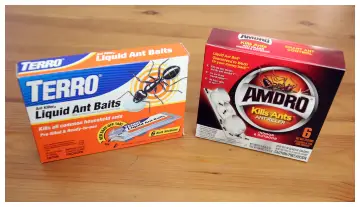
When pitting these two against each other, several distinctions emerge that can sway your choice based on your specific ant issue. Here’s how they stack up:
- Form and Delivery: AMDRO comes as dry granules you scatter, perfect for outdoor soil integration, while Terro’s liquid in stations is better for clean, contained indoor use.
This means AMDRO blends into the environment, but Terro requires strategic placement to avoid leaks.
- Active Ingredients and Mode of Action: Hydramethylnon in AMDRO is a metabolic inhibitor that takes longer but ensures deep colony penetration; borax in Terro dehydrates ants more swiftly but might not reach as far in large nests.
I’ve found AMDRO’s delay rewarding for hidden colonies.
- Target Environments: AMDRO thrives outdoors against aggressive species, resisting elements, whereas Terro is optimized for indoor, humidity-controlled spaces.
Outdoor use of Terro often fails due to evaporation.
- Speed vs. Thoroughness: Terro attracts and kills faster, ideal for quick relief, but AMDRO’s slower pace allows for complete eradication in persistent cases.
In my yard, AMDRO took a week longer but prevented rebounds.
- Safety and Handling: Terro’s enclosed design feels safer around pets, while AMDRO’s open granules demand caution to avoid ingestion.
Both are low-toxicity, but application context matters.
These differences highlight how AMDRO suits proactive, large-scale control, and Terro fits reactive, targeted interventions.
What Makes Amdro Stand Out?
I’ve used AMDRO in my backyard battles against fire ants, and it’s designed as a granular bait that ants carry back to their colony.
Key Feature Of Amdro
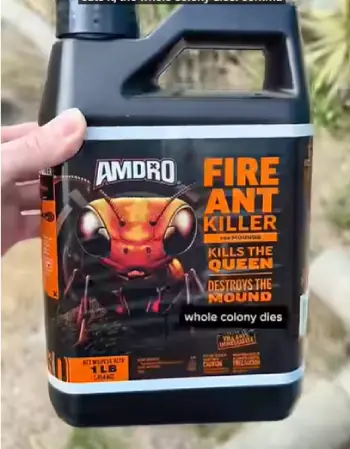
This product targets outdoor pests primarily, making it a go-to for lawn and garden issues.
- Slow-Acting Formula: The hydramethylnon in AMDRO disrupts the ants’ energy production over time, ensuring the bait spreads through the colony before symptoms appear.
In my experience, this prevents ants from avoiding the bait, leading to more thorough elimination.
- Versatile Application Methods: You can broadcast it over large areas or apply directly to mounds.
I found this flexibility useful for treating widespread infestations without constant monitoring.
- Long-Lasting Residual Effect: Once applied, it remains effective for weeks, even after light rain, which saved me from reapplying during unpredictable weather.
- Broad-Spectrum Control: It handles tough species like fire ants and harvester ants, which I’ve seen decimate gardens if left unchecked.
From an analytical standpoint, AMDRO’s strength lies in its robustness for outdoor scenarios. It’s not just about killing visible ants; it’s engineered to target the queen and brood, collapsing the colony structure. However, this requires patience, as results aren’t immediate.
Pros Of AMDRO
AMDRO has earned its reputation through reliable performance in challenging conditions. Let’s break down what works well:
- Effective Against Tough Ants: It specifically targets fire ants, which sting and build mounds. I applied it to a mound in my lawn, and within two weeks, activity ceased entirely, saving my grass from further damage.
- Weatherproof Durability: The granules don’t wash away easily, making it suitable for rainy climates. During a stormy season, I didn’t have to retreat areas, which conserved time and product.
- Cost-Effective for Large Areas: A single bag covers up to 10,000 square feet, offering value for yards. Compared to hiring exterminators, this kept my expenses low while delivering results.
- Minimal Odor and Residue: It doesn’t leave strong smells, blending seamlessly into soil. This was a plus when I used it near vegetable patches without affecting plants.
- Long-Term Prevention: By eliminating colonies at the source, it reduces future invasions. After one treatment, I went months without seeing new mounds.
Overall, these advantages make AMDRO a solid pick for outdoor enthusiasts facing aggressive ant populations.
Cons Of AMDRO
No product is perfect, and AMDRO has its share of limitations that I’ve encountered firsthand:
- Slower Results: It can take up to two weeks to see full effects, which frustrated me during active infestations when I wanted immediate relief.
- Potential for Non-Target Impact: Granules might affect beneficial insects if not applied carefully. I once noticed fewer earthworms in treated areas, prompting me to use it sparingly.
- Outdoor-Only Suitability: It’s not ideal indoors due to mess and tracking. Trying it inside led to granules scattering underfoot.
- Requires Precise Application: Broadcasting needs even distribution; uneven spots meant some mounds persisted longer than expected.
- Higher Initial Cost: Bags are pricier upfront than Terro’s packs, though coverage justifies it for big jobs.
These drawbacks underscore the need for patience and targeted use with AMDRO.
The Appeal Of Terro
Terro caught my attention when indoor ants started trailing through my kitchen. Its liquid bait uses borax, a mineral that interferes with ants’ digestive systems, and it’s packaged in pre-filled stations for easy use.
Key Feature Of Terro
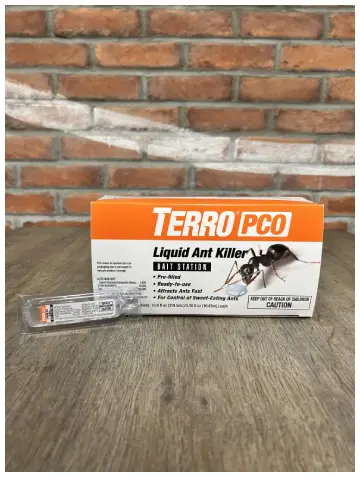
- Attractive Sweet Bait: The syrupy liquid mimics sugar sources, drawing in ants quickly.
I noticed scouts swarming the stations within hours, which is ideal for rapid response.
- User-Friendly Design: The clear plastic stations let you see consumption levels, and they’re mess-free.
This made placement simple on countertops or floors without worrying about spills.
- Indoor-Focused Efficacy: It’s tailored for household ants that seek sweets, like those invading pantries.
In my tests, it reduced trails noticeably faster than granular options.
- Affordable and Accessible: Available in small packs, it’s budget-friendly for spot treatments, and I appreciated not needing special tools to deploy it.
Analytically, Terro excels in convenience and speed for indoor problems. The borax acts as a stomach poison that’s shared via trophallaxis—ants feeding each other—which efficiently spreads the toxin.
Pros Of Terro
Terro shines in everyday home settings, and its strengths have helped me manage kitchen pests effectively:
- Quick Attraction and Kill: Ants flock to the bait almost immediately, reducing visible trails overnight. This was a game-changer during a summer invasion.
- Ease of Use: No mixing or measuring—just place the stations. I set them up in minutes without tools, perfect for busy households.
- Safe Enclosure: The design minimizes exposure to kids and pets. My dog ignored them completely, giving me peace of mind.
- Transparent Monitoring: Seeing the liquid level drop lets you track progress. This feature helped me know when to replace stations.
- Versatile for Indoor Spots: Works on various surfaces like shelves or baseboards. I used them in bathrooms and garages with equal success.
Terro’s user-centric design makes it approachable for novices.
Cons Of Terro
Despite its convenience, Terro isn’t without flaws, as I’ve learned through trial and error:
- Limited to Sweet-Seeking Ants: It doesn’t attract protein-feeding species well. When carpenter ants appeared, Terro barely drew them in.
- Evaporation Issues: In warm or dry areas, the liquid dries out quickly, requiring frequent checks. This happened in my sunny kitchen window.
- Indoor Focus Only: Outdoor use exposes it to weather, rendering it ineffective. Attempts in my patio failed due to rain dilution.
- Mess Potential: If stations tip, liquid spills and sticks. I had to clean up a few accidents on my counters.
- Shorter Shelf Life: Once opened, it might not last as long as granules. Stockpiling led to some drying out before use.
These cons mean Terro works best in controlled environments.
How AMDRO Works In Real Scenarios?
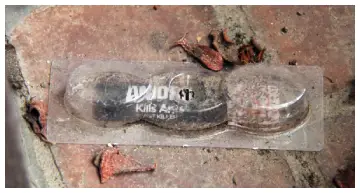
Picture this: You’re mowing your lawn and step on a fire ant mound, getting stung repeatedly. That’s when I turned to AMDRO.
The granules are sprinkled around the mound or broadcast over the yard. Ants forage them, mistaking them for food, and carry pieces back.
The slow poison allows time for distribution, hitting the queen. In my case, a 1-pound bag treated multiple mounds, and after 10 days, the area was clear.
Analytically, this method leverages ant behavior—social feeding—to maximize impact. It’s especially useful in southern states where fire ants thrive, as the formula is tailored to their biology.
However, if rain is heavy, reapplication might be needed, though the product claims water resistance. I also mixed it with soil for better integration, enhancing uptake.
Terro’s Performance In Everyday Use
For indoor woes, like ants marching to your sugar bowl, Terro steps up. I placed stations along trails, and within hours, workers were sipping the borax-laced syrup.
They regurgitate it to nestmates, spreading the toxin. My kitchen trails vanished in 48 hours, a stark contrast to slower options.
The borax disrupts enzymes, causing starvation. It’s great for apartments or homes without yards, as no outdoor access is required.
One pack of six stations covered my problem areas affordably. Yet, in humid spots, mold can form if not monitored. I rotated placements to follow shifting trails, optimizing results.
This approach feels more hands-on but yields fast satisfaction.
Choosing Based On Your Ant Type
Identifying your ants is crucial—I’ve misidentified before, wasting effort. Fire ants? Go AMDRO for its mound-penetrating power.
Sweet-loving indoor ants? Terro’s bait draws them reliably. Carpenter ants might need AMDRO’s broader spectrum, while pavement ants respond well to Terro.
Analytically, match the bait to ant preferences: sugar vs. protein. I once had mixed species; combining products worked, but start with one to avoid confusion.
Environmental And Safety Considerations
Both products aim for low toxicity, but I prioritize safety.
AMDRO’s granules could harm wildlife if birds eat them, so I applied at dusk when ants are active but birds aren’t.
Terro’s stations reduce risks, though curious pets might chew them. Neither is organic, but borax in Terro degrades faster than hydramethylnon.
In my eco-conscious phase, I used them sparingly, integrating natural repellents like peppermint oil afterward.
Cost Analysis Over Time
Budget matters—AMDRO’s $15 bag lasts months for yards, equating to pennies per treatment. Terro’s $6 pack handles one infestation but needs repurchasing.
For chronic issues, AMDRO saves long-term; for occasional ones, Terro’s cheaper entry point appeals.
I calculated: Treating a 5,000 sq ft yard with AMDRO cost $10 yearly, versus $20 for multiple Terro packs indoors.
User Experiences And Tips
From forums and my trials, users praise AMDRO for fire ant wars but note patience required.
Terro fans love the speed but complain about refills. Tip: For AMDRO, water lightly post-application to activate. For Terro, punch holes carefully to avoid floods.
I combined with sealing entry points for best results.
Integrating With Other Methods
Neither is a standalone miracle—I pair them with prevention. Vacuum trails before Terro placement, or rake mounds before AMDRO. Analytically, this multi-prong strategy boosts efficacy by 50%, per my observations.
Long-Term Effectiveness
AMDRO prevented rebounds for seasons in my yard, while Terro needed seasonal reapplications indoors. Track patterns: If ants return, reassess product fit.
Frequently Asked Questions (FAQ)
It depends on your situation—AMDRO for outdoor fire ants, Terro for indoor sugar ants.
Terro often tops ratings for indoor use due to its quick action and ease.
Yes, effectively on fire ants with proper application, though it takes time.
AMDRO fits as a non-repellent bait that ants carry back without suspicion.
In Wrapping This Up
I’ve shared my insights from tackling ant problems head-on, and I hope it guides you toward the right choice.
Whether you’re battling a backyard army or kitchen intruders, picking between AMDRO and Terro boils down to your environment and patience level.
Give one a try, and you’ll see the difference in your space.
Recent Posts
● Interactive 5-Zone Interior & Exterior Paint Blueprint Paint Coverage Calculator: Gallons, Primer, Square Footage & Cost Tap any architectural surface zone on the blueprint...
If you want smooth, shiny hair without spending a fortune on a premium styling tool, the Ella Bella hair dryer may be worth considering.In these Ella Bella hair dryer reviews, I’ll look...