
If you’re considering the American Standard Princeton tub because of its affordable price and classic design, I completely understand why it caught your attention.
I looked at it for the same reasons. However, after researching customer experiences and evaluating its overall performance, I wouldn’t recommend purchasing it.
While it offers a few appealing features, recurring complaints about durability, finish quality, and installation concerns make it difficult for me to confidently suggest it over competing options.
My Personal Experience With The American Standard Princeton Tub
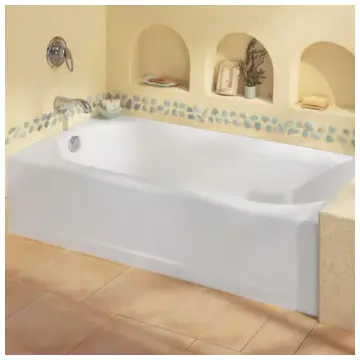
When I first started searching for a new bathtub, I wanted something simple, durable, and reasonably priced. The American Standard Princeton tub seemed to check all the right boxes.
It was advertised as a sturdy enameled steel bathtub with a clean design, integrated apron, and enough depth for a relaxing bath. On paper, it looked like a fantastic value.
Initially, I was impressed by the appearance. The glossy porcelain finish looked attractive, and the overall design fit nicely into both modern and traditional bathrooms.
The tub didn’t appear bulky, making it suitable for medium-sized bathrooms where every inch matters.
However, after spending considerable time reading owner feedback and comparing real-world experiences, my enthusiasm quickly faded.
One of the biggest issues I noticed was inconsistent manufacturing quality. While some owners received a tub with a smooth, flawless finish, many others reported chips, scratches, or imperfections straight out of the box.
That’s not something I expect when buying a brand with such a long history.
Installation was another recurring concern. Although the tub is marketed as installer-friendly, numerous homeowners and contractors mentioned alignment issues, uneven surfaces, or challenges fitting it properly without making adjustments.
If you’re paying a professional for installation, these complications can increase labor costs.
Once installed, customer experiences became even more divided. Some users enjoyed years of satisfactory use, while many others complained that the porcelain enamel chipped surprisingly easily.
Once the protective coating becomes damaged, the exposed steel underneath can begin rusting over time.
I also found repeated complaints about the tub feeling noisy. Steel naturally amplifies sound more than cast iron or acrylic, and many owners noticed loud water noise when filling the tub. Unless insulation is added during installation, the sound can become annoying.
Heat retention wasn’t particularly impressive either. I enjoy soaking in hot water for extended periods, but steel transfers heat quickly, causing bathwater to cool faster than I’d like.
Another disappointment involved quality control. Several buyers reported receiving tubs with cosmetic defects, warped edges, or drain alignment problems. Although warranty support exists, dealing with returns on a large, heavy bathtub can be frustrating.
After comparing all these experiences with competing products in similar price ranges, I found myself questioning whether the lower purchase price actually represented good value. Saving money upfront isn’t worthwhile if you’re risking finish damage, installation headaches, or premature replacement.
If you happen to receive a perfectly manufactured Princeton tub, you may have a positive experience. Unfortunately, the consistency simply doesn’t appear reliable enough for me to recommend it with confidence.
For a fixture that’s expected to last decades, I personally want greater peace of mind than the Princeton seems to offer.
American Standard Princeton Tub Overview
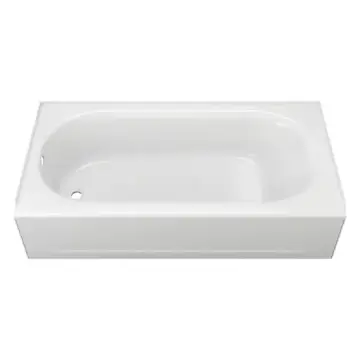
The American Standard Princeton is an enameled steel alcove bathtub designed primarily for three-wall installations.
It features an integrated front apron, slip-resistant floor, and porcelain-coated finish intended to provide the appearance of a traditional cast-iron tub without the extreme weight.
Its relatively lightweight construction makes transportation easier than cast iron, but it also introduces compromises in sound insulation and heat retention.
The Princeton targets budget-conscious homeowners looking for a recognizable brand without spending premium prices.
Unfortunately, lower cost often comes with noticeable trade-offs.
- Design and Build Quality
The overall design is attractive.
The clean lines fit many bathroom styles, and the glossy white finish creates a timeless appearance.
Unfortunately, appearance isn’t everything.
While porcelain-coated steel can look beautiful initially, several customers report inconsistent enamel quality. Chips and scratches appear more frequently than expected, especially around corners and edges during shipping or installation.
Unlike cast iron, the steel underneath is thinner, meaning impacts can eventually expose bare metal if the finish becomes damaged.
That significantly reduces long-term durability.
- Comfort and Bathing Experience
Comfort is highly subjective, but I found the Princeton somewhat average.
The backrest angle isn’t particularly ergonomic compared to many modern soaking tubs.
The bathing depth works well for everyday use, although taller users may wish it were deeper.
The textured bottom improves safety by reducing slipping.
However, because the tub is made from steel, the surface becomes cold quickly before warm water fills it.
The water itself also loses heat faster than acrylic or cast iron alternatives.
If long, relaxing baths are important to you, this could become frustrating.
Pros Of The American Standard Princeton Tub
- Affordable Purchase Price
The Princeton’s biggest strength is affordability.
Compared to cast-iron alternatives, it costs significantly less while still delivering a traditional appearance.
For homeowners working with limited renovation budgets, this lower entry price is attractive.
Unfortunately, the savings can disappear if finish problems or installation complications arise.
- Attractive Traditional Design
I genuinely like the appearance.
The simple rectangular styling complements nearly every bathroom style without looking outdated.
Its integrated apron creates a clean finished appearance without requiring separate panels.
If aesthetics alone determined the purchase, the Princeton would score much higher.
- Lightweight Compared with Cast Iron
Steel construction dramatically reduces weight.
Moving the tub through hallways and upstairs is much easier than handling cast iron.
Contractors generally appreciate this during transportation.
However, lighter weight also contributes to increased vibration and noise.
- Slip-Resistant Bottom
Safety deserves recognition.
The textured floor provides additional traction during showers.
Families with children or older adults may appreciate this extra security.
Although it’s not unique to this model, it’s still a useful feature.
- Widely Available Replacement Parts
Because American Standard has been manufacturing plumbing fixtures for decades, finding compatible drains and accessories is usually easier than with lesser-known brands.
That simplifies future repairs.
- Familiar Brand Reputation
American Standard remains one of the most recognized plumbing manufacturers.
Even though the Princeton receives mixed reviews, many homeowners feel comfortable buying from an established company rather than an unfamiliar brand.
Brand recognition can make warranty claims and replacement part searches somewhat easier.
Cons Of The American Standard Princeton Tub
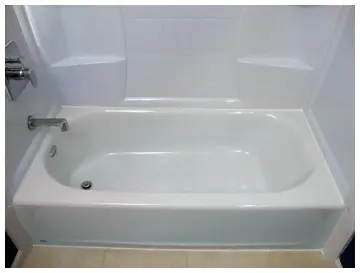
- Inconsistent Manufacturing Quality
This is my biggest concern.
Numerous buyers report cosmetic defects immediately after delivery.
Quality appears inconsistent between production batches.
- Porcelain Finish Can Chip
Once chipped, exposed steel becomes vulnerable to rust.
This complaint appears repeatedly among long-term owners.
- Poor Heat Retention
Steel simply cannot hold warmth like cast iron or quality acrylic.
Bathwater cools noticeably faster.
- Louder Than Acrylic Tubs
Running water creates significantly more noise.
Additional insulation may be required.
- Installation Complaints
Drain positioning, leveling, and fitting concerns appear too often to ignore.
- Mixed Long-Term Reliability
Some owners love it.
Others regret buying it within only a few years.
That inconsistency makes recommending it difficult.
Maintenance Tips For The American Standard Princeton Tub
- Clean the Surface Gently Every Week
Because porcelain enamel can scratch more easily than many people expect, I recommend using only non-abrasive bathroom cleaners.
Avoid steel wool, rough scrub pads, or powdered cleansers. A soft microfiber cloth or sponge is usually enough to remove soap residue, body oils, and everyday dirt.
Gentle cleaning not only keeps the finish looking glossy but also reduces the chance of creating tiny scratches that can eventually become larger defects.
- Dry the Tub After Each Use
One habit that makes a noticeable difference is drying the tub with a soft towel after bathing.
Allowing water to sit for long periods encourages mineral deposits and water spots.
If your local water supply is hard, drying the surface can significantly reduce staining and keep the porcelain looking brighter for longer.
- Watch for Small Chips Immediately
If you notice even a tiny chip in the enamel, don’t ignore it. Exposed steel can begin rusting when moisture reaches it.
Repair kits designed for porcelain surfaces can temporarily protect the damaged area until a more permanent repair is made.
Catching small problems early may prevent much larger issues later.
- Avoid Dropping Heavy Objects
One mistake many homeowners make is accidentally dropping metal shampoo bottles, shower tools, or plumbing equipment into the tub during maintenance.
Even a relatively small impact can chip porcelain enamel. Being careful with heavy objects helps preserve the finish and extends the tub’s appearance.
- Use Non-Slip Mats Carefully
While bath mats improve safety, choose models without harsh suction cups if possible.
Some suction cups can trap moisture beneath them for extended periods, increasing the likelihood of discoloration or finish wear.
Removing the mat after each use allows the surface to dry properly.
- Keep Plumbing Leaks Under Control
Leaks around the drain or overflow should never be ignored. Water trapped beneath or around the tub can eventually damage surrounding framing and flooring.
Regularly checking plumbing connections helps prevent expensive repairs that have little to do with the bathtub itself.
- Rinse Away Soap Residue
Soap buildup slowly dulls the glossy finish.
A quick rinse after every bath prevents residue from accumulating and reduces the amount of scrubbing required during weekly cleaning.
- Never Use Harsh Chemicals
Strong acids, bleach-based products in high concentrations, or industrial cleaners can damage porcelain over time. Mild household cleaners are generally sufficient for routine maintenance.
- Inspect the Caulking Regularly
The seal around the tub plays an important role in preventing moisture from reaching the walls. If the caulk begins cracking, peeling, or separating, replace it promptly. Fresh caulking keeps water where it belongs and helps prevent mold growth.
- Accept That Maintenance Cannot Fix Manufacturing Defects
Perhaps the most important point is recognizing the limits of maintenance. Proper care certainly helps preserve the finish, but it cannot correct factory defects, uneven enamel, or structural issues.
Even with excellent maintenance habits, some of the Princeton’s commonly reported quality concerns may still appear.
Comparison Of American Standard Princeton Tub With Other Brands
- American Standard Princeton vs Kohler
From my perspective, Kohler generally delivers more consistent manufacturing quality and better finish durability.
Although many Kohler tubs cost more, the additional investment often translates into better long-term satisfaction and fewer quality-control complaints.
- American Standard Princeton vs American Standard Cambridge
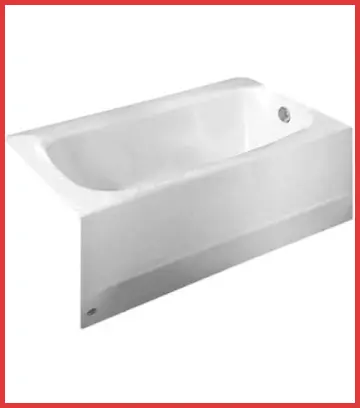
Within the same manufacturer, I actually find the Cambridge series more appealing for buyers seeking a premium feel.
While heavier and more expensive, it tends to inspire greater confidence regarding durability and overall construction.
- American Standard Princeton vs Bootz Industries
Bootz also manufactures porcelain-on-steel bathtubs, but customer experiences are similarly mixed.
Neither brand consistently stands out as an obvious winner, making careful inspection before installation extremely important.
- American Standard Princeton vs Acrylic Tubs
Modern acrylic tubs generally provide warmer surfaces, quieter operation, and better heat retention.
Although acrylic can scratch more easily, many homeowners still prefer its comfort over steel construction.
Also Read: Comparison Of Swiss Madison And Kohler
Frequently Asked Questions (FAQ)
In my opinion, no. While it is affordable and visually appealing, the number of complaints about finish quality, durability, and manufacturing consistency makes it difficult to recommend.
The steel construction itself is reasonably strong, but the porcelain enamel finish has received numerous complaints about chipping, which can eventually expose the steel to rust if left unrepaired.
Installation is possible for experienced professionals, but several homeowners and contractors have reported drain alignment and fitting issues that may increase installation time.
Its biggest advantages include affordability, attractive styling, lighter weight, and a slip-resistant floor. The biggest drawbacks are inconsistent quality control, enamel chipping, poor heat retention, higher noise levels, and mixed long-term reliability.
Final Verdict
After reviewing owner experiences, construction quality, comfort, durability, and overall value, I cannot recommend the American Standard Princeton tub.
Its affordable price and attractive appearance initially make it seem like an excellent purchase.
Unfortunately, repeated complaints about chipped porcelain, inconsistent quality control, installation frustrations, and average long-term durability outweigh those advantages for me.
If you’re investing in a bathroom renovation that you hope will last many years, I believe your money is better spent on a higher-quality acrylic or cast-iron alternative with a stronger record for reliability and customer satisfaction.
Recent Posts
I spent months comparing budget options against established names after my last set of tires wore out sooner than expected.My goal here is to share what I learned from putting Dextero and...
AquaTru Carafe Vs. Classic: Which Is Actually Fits Your Kitchen?
I decided to write this comparison after months of testing both the AquaTru Carafe and the Classic in my own kitchen. Tracking covered daily use.Taste stayed consistent. Refill frequency...