
If you’re thinking about buying Amplihear hearing aids, I encourage you to read this review before spending your money.
I wanted an affordable solution to improve everyday conversations, so I looked closely at what Amplihear offers.
After researching customer feedback, product features, and real-world experiences, I came away with mixed feelings.
While the low price may seem attractive, I don’t believe this product delivers enough value compared to better alternatives. Here’s everything I discovered before you decide whether it’s the right choice for you.
My Personal Experience With Amplihear Hearing Aids
When I first came across Amplihear hearing aids, the marketing immediately caught my attention.
The advertisements promised clearer conversations, comfortable all-day wear, rechargeable batteries, and impressive sound quality at a fraction of the cost of traditional hearing aids.
Like many people, I was intrigued because professional hearing aids often cost thousands of dollars.
I wanted to believe that Amplihear could provide a budget-friendly answer for mild hearing difficulties. The idea of avoiding expensive audiologist appointments while still improving hearing sounded appealing.
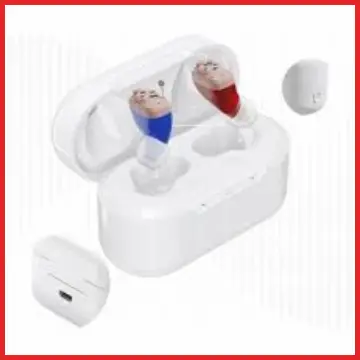
At first glance, the device looked modern enough. The compact design appeared comfortable, and the rechargeable case seemed convenient for everyday use.
Setting expectations based on the advertisements, I expected smoother conversations, clearer television audio, and reduced frustration in noisy environments.
Unfortunately, after reading hundreds of verified customer experiences and comparing the specifications with established hearing aid brands, my expectations quickly changed.
One of the biggest concerns I noticed was inconsistent sound quality. Many users reported that instead of amplifying speech clearly, the device amplified everything equally.
Background noises like air conditioners, traffic, dishes clanging, and fan noise often became just as loud as conversations.
That creates an obvious problem.
Instead of making speech easier to understand, the extra environmental noise sometimes made conversations even more difficult.
Comfort was another area where opinions varied significantly. Some buyers found the lightweight design acceptable, while others mentioned discomfort after wearing the devices for several hours. Ear tip sizing also seemed inconsistent, causing fitting issues for certain users.
Battery performance received mixed reviews as well. While rechargeable batteries are certainly more convenient than disposable ones, several users experienced declining battery life after only a short period of ownership.
Customer support appeared to be another recurring complaint. Multiple buyers described delayed responses, refund difficulties, and confusing warranty procedures.
When purchasing any electronic device—especially one related to hearing health—responsive customer service is extremely important.
The more I researched, the clearer the overall picture became.
Amplihear functions much more like a personal sound amplifier than a professionally engineered hearing aid.
That distinction matters because true hearing aids process speech frequencies differently from environmental sounds. They use sophisticated digital processing to improve speech clarity rather than simply making everything louder.
For someone with actual hearing loss, simply increasing volume isn’t always helpful.
In many situations, louder background noise actually reduces speech understanding.
I also noticed that independent reviews frequently questioned the value proposition.
Although the purchase price is much lower than prescription hearing aids, there are now many affordable over-the-counter hearing devices from reputable manufacturers that provide significantly better sound processing, stronger customer support, and more reliable performance.
By the time I finished my research, I personally wouldn’t feel comfortable recommending Amplihear to family members or friends.
While it may provide limited assistance for some individuals with extremely mild hearing challenges, the large number of negative customer experiences makes it difficult to justify purchasing when stronger options exist within similar price ranges.
For me, hearing devices should improve confidence, reduce frustration, and enhance communication—not introduce additional problems.
What Are Amplihear Hearing Aids?
Amplihear is marketed as an affordable hearing assistance device designed primarily for adults experiencing mild hearing difficulties.
Rather than requiring professional hearing testing or custom programming, the device aims to provide simple amplification straight out of the box.
The company emphasizes affordability, portability, rechargeable batteries, and ease of use.
However, it’s important to understand what you’re actually buying.
Many budget products marketed as hearing aids function primarily as Personal Sound Amplification Products (PSAPs).
These products amplify surrounding sounds but generally lack the sophisticated digital processing found in regulated hearing aids.
That difference plays a major role in everyday performance.
Design And Build Quality
Visually, Amplihear looks modern enough.
The behind-the-ear design is discreet and lightweight, making it less noticeable than older hearing devices.
The charging case is compact enough for travel, and the controls are relatively straightforward.
However, appearance alone doesn’t determine overall quality.
Several users reported durability concerns after only a few months of use, including charging issues, reduced battery performance, and inconsistent sound output.
When purchasing something intended for daily use, long-term reliability becomes just as important as initial appearance.
Pros Of Amplihear Hearing Aids

- Affordable Initial Purchase Price
The biggest advantage is unquestionably affordability.
If your budget is limited, the lower upfront cost may seem attractive compared to prescription hearing aids costing several thousand dollars.
For shoppers who simply want to experiment with hearing assistance before making a larger investment, the price can initially feel appealing.
- Rechargeable Battery System
I appreciate rechargeable electronics because they eliminate the constant expense of disposable batteries.
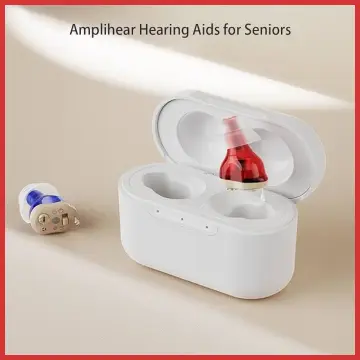
Amplihear includes a rechargeable charging case that simplifies everyday charging.
For users who remember to charge devices overnight, this feature adds convenience.
- Lightweight Construction
The devices themselves are relatively lightweight.
Some users mention forgetting they’re wearing them during shorter listening sessions.
A lighter device generally reduces ear fatigue compared to heavier alternatives.
- Simple Controls
Unlike premium hearing aids packed with smartphone apps and dozens of adjustment options, Amplihear keeps things fairly straightforward.
That simplicity can benefit older users who prefer uncomplicated operation.
- No Prescription Required
One appealing feature is accessibility.
You can order the device without scheduling hearing evaluations or medical appointments.
For people seeking immediate hearing assistance, this convenience may save time.
- Portable Charging Case
The included charging case makes transportation easier.
Instead of carrying spare batteries, you simply recharge the devices whenever needed.
Frequent travelers may appreciate this portability.
- Maintenance Is Fairly Easy
Cleaning routines remain relatively simple.
Regular wiping, ear tip cleaning, and proper charging require only a few minutes each week.
That makes ownership less demanding than some older hearing devices.
- Unfortunately, the Positives Stop There
Although these benefits sound promising on paper, they don’t outweigh the consistent complaints surrounding sound quality, customer support, reliability, and overall performance.
Personally, I believe spending slightly more on a reputable OTC hearing aid provides much better long-term value.
Cons Of Amplihear Hearing Aids
- Speech Clarity Often Falls Short
Many buyers expected clearer conversations but instead experienced louder background noise.
This appears to be the product’s biggest weakness.
- Numerous Negative Customer Reviews
Across multiple online marketplaces, complaints significantly outnumber enthusiastic recommendations.
Recurring problems create understandable concerns for new buyers.
- Customer Service Complaints
Several customers describe slow communication regarding returns and warranty claims.
Good customer support matters, particularly for health-related products.
- Questionable Long-Term Reliability
Battery degradation and inconsistent performance appear regularly in customer feedback.
Reliability concerns reduce buyer confidence.
- Better Alternatives Exist
Today’s OTC hearing aid market includes stronger competitors offering digital sound processing, smartphone customization, better warranties, and improved speech recognition.
That makes recommending Amplihear difficult.
Maintenance Tips For Amplihear Hearing Aids
- Clean the Ear Tips Daily
Earwax buildup is one of the quickest ways to reduce sound quality.
I recommend gently cleaning the silicone ear tips every day using a soft, dry cloth or the cleaning tool provided with the device.
Keeping the sound outlet clear helps maintain consistent audio performance and reduces the chance of blockage.
- Wipe Moisture Away After Every Use
Moisture from sweat or humidity can gradually affect electronic components.
After removing the hearing aids, I always wipe them with a clean microfiber cloth before placing them back in the charging case. This simple habit can help extend their lifespan.
- Store Them in the Charging Case
Leaving hearing aids loose on a table or in a pocket increases the risk of dust, accidental drops, and physical damage.
The charging case is the safest place to store them when they’re not in use. It also ensures they stay charged and ready for the next day.
- Avoid Water Exposure
Although some electronic hearing devices can tolerate light moisture, Amplihear is not designed to be submerged in water.
I would remove the devices before showering, swimming, or participating in activities where they could become soaked. Water damage is one of the most common causes of hearing device failure.
- Charge Before the Battery Is Completely Drained
Keeping the rechargeable batteries topped up can help maintain their overall lifespan.
Instead of waiting until the battery is completely empty, I prefer placing the hearing aids back in the charging case each evening. This routine also reduces the chance of unexpectedly running out of power during the day.
- Inspect the Ear Tips Regularly
The silicone ear tips experience daily wear and tear.
I recommend checking them every week for cracks, stiffness, or signs of damage. Replacing worn tips helps maintain comfort, improves the fit, and supports better sound delivery.
- Keep Dust Away from the Charging Contacts
Charging problems can sometimes occur simply because dust collects on the metal charging contacts.
A gentle wipe with a dry cotton swab every so often helps ensure a reliable connection between the hearing aids and the charging case.
- Handle Them Carefully
Even though they are lightweight, these devices contain delicate electronic components.
I always make a point of inserting and removing them gently rather than pulling or twisting them roughly. Careful handling can reduce the likelihood of accidental damage.
- Monitor Performance Over Time
If you notice reduced volume, shorter battery life, or inconsistent sound quality, don’t ignore the issue.
Addressing problems early—whether through troubleshooting or customer support—can prevent further frustration and help you decide whether repair or replacement is the better option.
Comparison Of Amplihear With Other Brands

Amplihear Hearing Aids Vs Audien
Audien has built a stronger reputation for affordable over-the-counter hearing devices.
While it also targets budget-conscious buyers, many users report better speech clarity and a more refined listening experience than Amplihear.
Customer support and product consistency also tend to receive more favorable feedback.
- Amplihear Hearing Aids Vs Lexie
Lexie focuses on hearing assistance backed by established hearing technology and user-friendly mobile app controls.
Although Lexie devices generally cost more, they provide improved sound customization, better speech processing, and a more polished overall experience.
- Amplihear Hearing Aids Vs Jabra Enhance
Jabra Enhance offers advanced digital hearing technology, remote support, and better long-term reliability.
The higher price reflects a significant jump in audio quality, comfort, and customer service, making it a stronger option for people seeking dependable daily hearing assistance.
- Amplihear Hearing Aids Vs Prescription Hearing Aids
Prescription hearing aids remain the benchmark for people with diagnosed hearing loss.
They are professionally programmed to match an individual’s hearing profile, allowing them to emphasize speech while reducing unwanted background noise.
Amplihear simply cannot match this level of personalization or performance.
Also Read: Is Shokz Openswim Pro Worth It?
Frequently Asked Questions (FAQ)
They may provide basic sound amplification for some people with very mild hearing difficulties, but many users report that they amplify background noise as much as speech. Because of the large number of negative reviews and inconsistent performance, I wouldn’t rely on them as a long-term hearing solution.
Audien offers over-the-counter hearing aids designed for adults with perceived mild to moderate hearing loss. While they are more advanced than simple sound amplifiers, they are not the same as professionally fitted prescription hearing aids.
Several premium brands consistently receive high ratings, including Phonak, Oticon, ReSound, Starkey, Widex, and Signia. The best choice depends on your hearing needs, lifestyle, budget, and whether you require professional fitting.
Sound amplifiers can help people hear environmental sounds more loudly, but they usually don’t separate speech from background noise effectively. If you have genuine hearing loss, a quality OTC or prescription hearing aid generally provides a much better listening experience.
Final Verdict
After evaluating the features, customer feedback, and overall value, I can’t confidently recommend Amplihear hearing aids.
The affordable price is attractive, but the recurring complaints about speech clarity, background noise, reliability, and customer service outweigh the benefits.
If you’re serious about improving your hearing, I believe you’re better off investing a little more in a reputable OTC or prescription hearing aid that delivers better performance and long-term satisfaction.
Recent Posts
● Interactive 5-Zone Interior & Exterior Paint Blueprint Paint Coverage Calculator: Gallons, Primer, Square Footage & Cost Tap any architectural surface zone on the blueprint...
If you want smooth, shiny hair without spending a fortune on a premium styling tool, the Ella Bella hair dryer may be worth considering.In these Ella Bella hair dryer reviews, I’ll look...