
I decided to compare AngelSense and Jiobit after months of researching GPS trackers for families dealing with wandering risks.
My main goal here is to break down how these two devices stack up in real daily use so you can see which one fits your situation better based on features, reliability, and practical trade-offs.
| Feature | AngelSense | Jiobit |
| Best For | Special needs, autism, high elopement risk | Everyday location monitoring, discreet use |
| Device Size/Weight | Larger clip-on or watch (~40g) | Ultra-small tag (18g) |
| Battery Life | Up to 24 hours (daily charge) | 2–30 days depending on use |
| Voice Communication | Two-way with auto-pickup | None |
| Tracking Tech | GPS + cellular + Wi-Fi | GPS + LTE + Wi-Fi + Bluetooth |
| Alerts | AI routine learning + proactive | Geofence arrival/departure |
| Attachment | Secure non-removable options | Clip, sew-in, multiple accessories |
| Monthly Cost (approx.) | $30–65 | $8–17 |
| Coverage | Multiple markets | Primarily US |
| SOS | Dedicated button | Double-press logo |
Key Differences Between Angelsense And Jiobit

- Purpose and design focus: AngelSense was built for individuals with autism from the ground up.
High-risk wandering situations shape every feature choice. Lockable attachment systems and voice tools address those exact needs.
Sensory considerations appear in the sleeve design. Jiobit targets general child or senior location awareness instead.
A low-profile approach prioritizes discretion over advanced intervention tools.
- How alerts actually work: AngelSense avoids forced boundary drawing for every location. The system learns patterns from repeated daily movements.
Deviations trigger automatic flags without constant manual setup. Unexpected stops generate notices in real time.
Jiobit relies on geofences created ahead of time by the user. Events outside those zones stay silent until manual map checks occur.
- What happens after an alert: AngelSense allows immediate device calls through the app. Speech reaches the wearer without any button presses required.
Guidance can calm situations before they escalate further. Jiobit shows the current location pin only on the map.
Next steps remain entirely with the caregiver after the alert arrives.
- Size and daily wearability: Jiobit’s tiny form factor disappears on a belt loop during normal activity.
Placement inside a shoe works for many users without notice. The light weight reduces complaints from sensitive wearers.
AngelSense appears larger on clothing or as a watch. Some kids reject the size after short trials. Others accept the secure hold because removal becomes difficult.
- Cost over a full year: Jiobit’s lower subscription eases long-term ownership for basic needs. Monthly fees stay manageable on annual plans.
Basic location tracking remains budget-friendly over twelve months. AngelSense carries a higher monthly fee from the start.
Extra communication tools and AI features justify the price for many special-needs families facing higher risks.
- Battery management: AngelSense requires nightly charging to maintain full coverage. Coverage gaps appear after any missed overnight charge.
Power drain increases with frequent voice use. Jiobit allows nearly a week between charges under normal settings.
Longer outings benefit from this extended span. Live Mode shortens the interval when used often.
Key Features Of AngelSense
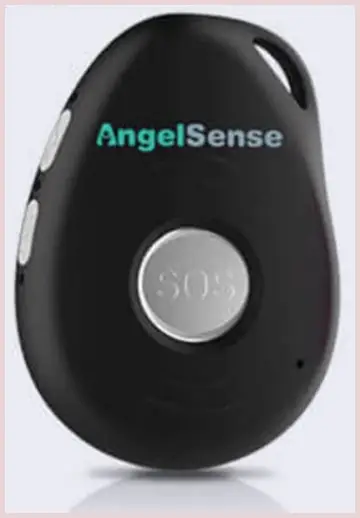
- Auto-pickup two-way voice: The device answers calls automatically without any button press from the wearer.
Caregivers speak guidance during stress moments. Listening mode checks surroundings quietly. Non-verbal users gain support right away.
Call quality stays clear in most outdoor and indoor spots.
- AI routine learning alerts: The system studies daily patterns over the first weeks of use. Unexpected route changes trigger notices automatically.
Early school departures generate warnings. Wrong drop-offs from transportation also send alerts.
Caregivers respond before situations grow larger.
- Secure non-removable attachment: Magnetic fasteners hold the unit firmly on clothing. Sensory-friendly sleeves reduce skin irritation during long wear.
Removal attempts by the child usually fail. Different clothing styles still allow stable placement.
Daily security improves for high-risk users.
- Continuous high-frequency tracking: Location updates arrive as often as every 10 seconds. Tracking continues even when the phone app stays closed.
Full day timelines build clear movement records. Indoor Wi-Fi support improves accuracy inside buildings.
Caregivers see precise positions during active periods.
- SOS button with immediate notice: A dedicated button sends alerts to all guardians at once. Pressing it shares the live location map.
Response teams coordinate faster with shared data. The feature works without needing voice capability from the wearer. High-stress moments gain a simple action path.
- School and transit monitoring: Bus routes receive special tracking attention. Unexpected stops generate automatic notices.
Arrival and departure times at school stay visible. Caregivers confirm safe transitions without constant map checks. Daily school routines become easier to follow.
- Fall detection capability: Sudden falls trigger alerts to the care team. Location data accompanies the notice for faster response.
The feature activates without wearer input. Older users or those with balance issues gain extra protection. Response times improve in real incidents.
Pros Of AngelSense
I appreciated several strengths that stood out when safety stakes feel high.
- Auto-pickup voice without wearer action: This feature enables talk through the device immediately after an alert. Non-verbal children gain direct support during distress. Guidance reaches them without needing any response. Listening mode confirms surroundings quietly. Stress levels drop faster with real-time communication available.
- AI-powered routine alerts: The system notices usual school bus route changes over time. Early departures from expected places trigger notices right away. Unexpected stops generate warnings before full searches begin. Early warnings hold real value for families managing elopement risk daily.
- Non-removable secure attachment: Magnetic and sleeve options stay fixed during active movement. Removal attempts by the child fail in most cases. Reliability outweighs appearance concerns for many users. Different clothing styles still allow secure placement without constant adjustment.
- Indoor location support: Wi-Fi assisted tracking helps inside schools during class hours. Store environments show usable results even on lower floors. Multi-story buildings produce clearer data than pure GPS alone. Caregivers locate the person faster in complex indoor spaces.
- Specialized support team: Customer care staff includes parents who rely on the same product. These users understand daily challenges with special needs. Troubleshooting feels personal rather than scripted. Guidance covers real attachment and routine issues.
- Timeline and history views: Full day movement records appear in clear timeline format. Patterns become visible after a few weeks of use. Caregivers review past routes for better planning. Unexpected behaviors show up for later discussion with therapists.
Cons Of AngelSense
A few practical drawbacks kept coming up in daily use.
- Higher ongoing cost: The monthly fee exceeds most general trackers on the market. A full year creates a noticeable difference in total spending. Basic location needs make this gap harder to accept for some budgets. Plan upgrades raise the cost further when extra features activate.
- Daily charging requirement: Battery life stays around 18–24 hours under normal tracking. Bedtime routines must include the device every night. Missed charges create coverage loss the next day. Power drain speeds up during longer voice sessions.
- Larger physical presence: Some children notice the device on clothing right away. Removal attempts or refusal follow after short wear periods. Sensory-sensitive kids need extra adjustment time with different sleeves. Watch style versions add wrist bulk for smaller users.
- Limited voice minutes on standard plans: Most plans include a monthly talk allotment of set minutes. Heavy use exceeds the limit during busy weeks. Extra costs can appear after the allotment ends. Caregivers track usage to avoid overages.
- Activation and plan structure: Some plans carry an activation fee at the start. Contract terms reduce flexibility for changing needs later. Early cancellation may involve remaining fees. Month-to-month options cost more each period.
- Visibility in social settings: The larger size draws attention from peers at school. Some children feel self-conscious during group activities. Alternative attachment methods help but do not fully hide the unit.
Key Features Of Jiobit

- Ultra-compact lightweight design: The tag weighs only about 18 grams. Size stays small enough for belt loops or pockets.
Wearers often forget the device is present. Daily comfort remains high during long periods. Sensory-sensitive users accept it more easily.
- Multi-day battery performance: Normal tracking delivers several days between charges. Moderate settings extend life further.
Travel days stay covered without frequent charging. Live Mode shortens the interval only when left active. Busy weeks gain more flexibility.
- Multi-technology location system: GPS works with cellular networks for outdoor clarity. Wi-Fi assist improves indoor results.
Bluetooth adds short-range precision near known places. Buildings and apartments show usable positions. Accuracy holds better than single-signal devices.
- Flexible attachment options: Clips secure the unit to belts or straps. Sew-in methods hide it inside clothing seams.
Shoe and backpack placements expand daily choices. Different outfits still allow stable hold. Removal resistance increases with hidden placement.
- Trusted Places geofencing: Users set safe zones around home or school. Entry and exit alerts arrive automatically.
Boundary sizes adjust from short distances to larger areas. Caregivers receive notices without constant map viewing. Free time monitoring becomes simpler.
- Care Team sharing tools: Multiple family members follow the same device. Live updates reach every connected phone.
Permission setup stays straightforward. Coordination across households improves quickly. No extra accounts are needed for basic sharing.
Pros Of Jiobit
- Extremely small and light design: At about 18 grams the tag clips on easily to most clothing. The device disappears from view during normal movement. Kids and seniors often forget its presence after a short period. Pocket placement works without bulk or discomfort.
- Multi-day battery performance: Normal tracking delivers several days between charges under moderate settings. Busy weeks gain flexibility without daily routines. Travel days stay covered longer than expected. Live Mode shortens life only when left active for hours.
- Strong indoor accuracy: GPS combines with cellular networks for outdoor clarity. Wi-Fi and Bluetooth add support inside buildings. Stores and apartments show solid location results. Multi-floor homes produce usable data most of the time.
- Flexible attachment choices: Clips secure the device to belt loops or straps. Sew-in options hide it inside seams for permanence. Accessories keep placement discreet across different clothing types. Shoe and backpack options expand daily use cases.
- Lower monthly subscription: The annual plan keeps costs reasonable for most families. Feature-heavy alternatives cost more over the same period. Budget control stays easier without high recurring fees. Month-to-month options exist for testing first.
- Care Team sharing: Multiple family members follow one device on their phones. Permission layers stay simple during setup. Coordination improves quickly across households. Live updates reach everyone without extra accounts.
- Rugged everyday durability: The compact body handles drops and pocket wear well. Rain exposure leaves the unit working in most cases. Rough play during outdoor time causes fewer failures. Long-term use shows consistent performance in daily conditions.
Cons Of Jiobit
- No voice communication at all: Location pins appear only on the map after alerts. Calming or guiding requires other phone methods. Silence creates a missing piece in urgent moments. Caregivers must rely on nearby people for verbal support.
- Reliance on manual geofences: Alerts fire for set places only after setup. Unexpected deviations outside zones stay quiet until checks. Map reviews become necessary during free time. New locations need manual addition each time.
- Occasional stock and availability questions: New units prove hard to find at certain periods. Existing subscriptions continue without interruption. Replacement plans face uncertainty during stock gaps. Secondary markets sometimes fill the gap temporarily.
- US-focused coverage: Service works best inside the United States on supported networks. International travel creates coverage gaps right away. Moves to other regions limit ongoing options. Roaming support remains limited or unavailable.
- SOS requires user action: The double-press button needs wearer cooperation every time. Advanced dementia reduces effectiveness of the feature. Non-verbal situations limit its practical reach. Passive alerts become more important in those cases.
- App experience variation: The platform works smoothly for basic location views. Some users report slower updates on certain phones. Interface simplicity helps new caregivers. Advanced settings stay fewer than specialized tools.
Real-World Performance And Daily Experience
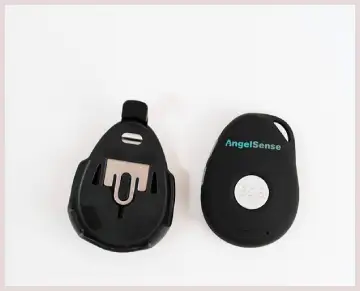
I approached both devices the way a parent or caregiver would. Morning routines received close attention. School transitions and after-school activities shaped testing.
Evening wind-downs completed the cycle. AngelSense felt heavier in the hand during attachment. Nightly charging stations became necessary for reliability. Unexpected route changes triggered alerts promptly.
The ability to speak through the device delivered control in those moments. Location alone could not match that response level. Jiobit slipped into a pocket without notice. Belt loop placement worked for full days.
Map accuracy held in parks and open areas. Stores and apartments showed clear results most times. Verbal check-ins required phone calls to nearby people instead.
Battery behavior matched claims in controlled conditions. High-frequency updates reduced performance on both.
AngelSense drained faster during voice use sessions. Jiobit held longer with limited Live Mode periods only. Both devices survived rain exposure.
Light rough handling caused no major failure. Full waterproofing needs extra sleeves on either unit. Careful placement remains important for longevity.
App experience differed in tone between the two. AngelSense focuses on timeline views of full days. Routine learning summaries appear clearly after setup. Quick voice buttons sit ready for fast response. Jiobit sits inside a broader family-location platform.
Familiarity grows if related services already exist on the phone. Setup for both finished in under half an hour. Account creation and SIM activation completed the process cleanly.
Cost Breakdown And Long-Term Value
Upfront hardware for AngelSense often arrives free with new plans. New subscriptions trigger heavy discounts at times.
List prices sit higher without current promotions. Monthly plans range from the mid-thirties to the mid-sixties.
Contract length and selected features set the final rate. Jiobit hardware usually costs between one hundred and one hundred fifty dollars.
Monthly fees start under ten dollars on annual commitment. Rates rise toward seventeen dollars without a longer contract.
Twelve months reveal a clear cost gap between options. Families needing only location pins choose Jiobit more often. Boundary alerts stay affordable over the full year. Families relying on voice intervention select AngelSense instead. AI deviation alerts match higher risk levels more closely. Some users explore Medicaid waivers for support. Private insurance reimbursement remains possible in select cases.
Local disability programs offer additional help for AngelSense. Coverage never becomes automatic in any program. Documentation of wandering risk proves necessary first. Caseworker coordination completes the approval process. AngelSense does not bill insurance companies directly at any point.
Who Should Choose Which Device?
Primary needs focused on location knowledge favor Jiobit clearly. Complexity stays low during daily use.
Tolerance for a tiny tag helps long-term acceptance. Typical school-age kids benefit from the small size.
Early-stage monitoring fits well without extra tools. History of elopement changes the recommendation.
Limited verbal ability raises the overall stakes. Unpredictable routines demand more advanced tools. AngelSense delivers speech through the device after alerts. Alerts arrive with immediate response options available.
Secure attachment matches higher-stakes situations better. Proactive alerts reduce unknowns throughout the day.
Daily stresses received equal weight for both options. Door exits on time stayed important during testing.
School transitions needed consistent trust. Unexpected free time required full coverage. Sleep quality improved with fewer open worries.
Neither device replaces direct supervision. Good safety planning remains essential alongside either tool. Each reduces uncertainty during movement. Paths outside expected routes become visible faster.
Also Read: Is AngelSense Tracker Worth It?
Frequently Asked Questions (FAQ)
No. Existing subscriptions continue to receive service. New hardware availability has varied at times. Current stock checks remain wise before purchasing.
Sometimes. Certain Medicaid HCBS waivers have covered it. Private plans approve on a case-by-case basis. Documentation of wandering risk is required. Coverage is never guaranteed. AngelSense does not bill insurers directly.
It depends on the use case. AngelSense ranks highly for special-needs situations. High-elopement risk favors its tools. Jiobit ranks highly for discreet everyday tracking. Strong battery life supports that role.
Families needing auto-pickup voice find value. AI routine alerts justify the cost. Secure non-removable wear adds protection. Higher cost matches specific safety tools. Basic location needs make the value less clear.
Wrapping Up
I wrote this comparison so you can weigh the same practical factors I examined. Device behavior in daily routines received full attention.
Alert responses shaped the analysis. Ongoing cost effects on budgets stayed clear. Feature sets matched against managed risk levels.
You now hold a clear side-by-side view. Strengths and limits of both AngelSense and Jiobit stand visible. Choose the one that fits the real needs of the person you want to keep safer.
Test it thoroughly during the return window. Confirm it works in your specific environment.
Recent Posts
The Zojirushi EC-YSC100 coffee maker looks appealing if you want a large-capacity brewer for your home, office, or family gatherings. However, its reported customer dissatisfaction makes me...
If you want thicker-looking hair, stronger strands, and a healthier scalp, MaryRuth’s Hair Growth Max may be worth considering.I believe this supplement is most appealing to people who want to...