
The Anker 511 Charger Nano Pro is an excellent option if you want a compact, reliable, and powerful wall charger without carrying a bulky adapter.
I recommend it to people who need fast charging for compatible smartphones, especially iPhones, while traveling or working. Its 20W output, small design, and dependable charging performance make it a practical everyday accessory.
If portability and charging convenience matter more to you than multiple ports, this little charger deserves your attention.
My First Experience With The Anker 511 Charger Nano Pro
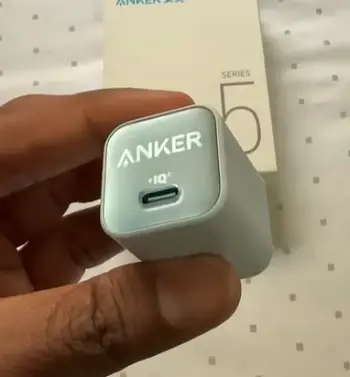
When I look for a phone charger, I usually consider three things: charging speed, portability, and reliability.
I don’t want an adapter that takes up too much space, gets unnecessarily warm, or makes me wait forever for my phone to charge.
The Anker 511 Charger Nano Pro caught my attention because it promises a combination of compact construction and fast charging.
The first thing I appreciate about this charger is its size. Traditional wall adapters can be surprisingly bulky, especially when I already have several accessories in my travel bag. The Nano Pro takes a different approach.
It is small enough to fit comfortably in a pocket, purse, backpack, or laptop bag. I can carry it around without feeling like I’m adding another heavy accessory to my everyday essentials.
Its 20W USB-C Power Delivery output is another major advantage. For compatible iPhones, this wattage provides significantly faster charging than older 5W adapters.
When I need to charge my phone before heading out, a compatible fast charger can make a noticeable difference in convenience.
I also appreciate that Anker focuses on practical charging technology rather than unnecessary features.
The Nano Pro has a single USB-C port, which keeps the design simple. I can connect a compatible USB-C charging cable and get started without dealing with complicated controls or settings.
Another thing worth considering is its build quality. Anker has established a reputation for producing charging accessories, and the Nano Pro follows that practical design philosophy.
Its compact body feels suitable for regular everyday use.
However, I wouldn’t describe it as a universal solution for every charging situation. The 20W output is excellent for many smartphones, but it isn’t designed to replace higher-wattage laptop chargers. It also has only one charging port, so I cannot power multiple devices simultaneously.
Overall, I see the Anker 511 Nano Pro as a convenient everyday charger rather than a high-powered charging station. If your primary goal is keeping your smartphone charged without carrying a large adapter, its design makes considerable sense.
Pros Of The Anker 511 Charger Nano Pro
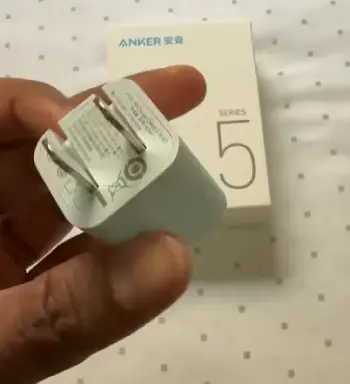
- Impressive Charging Speed for Its Size
The biggest advantage is its 20W charging capability.
I appreciate that I can get modern smartphone fast-charging performance without carrying a large adapter.
For compatible iPhones, the Nano Pro supports fast charging when paired with an appropriate USB-C cable. This can be particularly helpful when I have limited time to charge my phone.
Imagine preparing for work and realizing your phone battery is nearly empty. Instead of relying on a slow adapter, you can use the Nano Pro to add a meaningful amount of battery power during a shorter charging session.
Of course, charging speed isn’t constant throughout the entire process. Smartphones generally reduce charging power as their batteries approach full capacity.
Still, 20W is a useful level for everyday phone charging.
- Excellent Portability
Portability is where this charger really stands out.
I don’t enjoy carrying unnecessary accessories, especially when traveling. A large charger can make an already crowded bag feel even more inconvenient.
The Nano Pro addresses that problem with its compact body.
I can keep it in a small accessory pouch, desk drawer, or travel bag without worrying about space.
This also makes it suitable as a backup charger. Even if I already have a primary charging adapter at home, carrying a compact alternative is convenient.
For students, office workers, and frequent travelers, this advantage can be particularly valuable.
- Reliable USB-C Connectivity
USB-C is a practical connection standard because it supports modern charging technology and works with a wide range of compatible cables.
The Nano Pro’s USB-C port makes it suitable for many smartphones and accessories.
I also like that USB-C charging reduces the need to rely on older USB-A adapters.
However, you should remember that the charging cable must match your device’s connection. For example, an iPhone with a Lightning port requires a USB-C-to-Lightning cable, while newer USB-C iPhones can use a USB-C-to-USB-C cable.
- Trusted Charging Technology
When purchasing a charger, I don’t focus exclusively on wattage.
Safety, construction, and consistent performance matter just as much.
Anker is a recognized charging-accessory manufacturer, and its Nano series is designed to offer convenient charging in a smaller package.
The Nano Pro’s safety-oriented design is another reason I find it appealing.
Still, I wouldn’t assume that any charger is completely immune to electrical problems. Using certified accessories, inspecting cables, and avoiding damaged outlets remain important.
- Simple Everyday Operation
Some charging accessories introduce unnecessary complexity.
The Nano Pro keeps things straightforward.
I simply plug the adapter into a compatible wall outlet, connect my charging cable, and charge my device.
There are no complicated settings, additional buttons, or multiple charging modes that I need to configure manually.
This simplicity makes it appealing to people who want an uncomplicated charging experience.
- Suitable for Travel and Office Use
I particularly like compact chargers for travel.
Hotel rooms, airports, classrooms, and office spaces don’t always offer convenient charging arrangements.
A small adapter is easier to carry and store than a traditional bulky charger.
It can also serve as a practical desk accessory. Instead of keeping a large charging brick on my workstation, I can use a compact adapter for my phone.
The only thing I would check before traveling internationally is plug compatibility and the electrical input specifications printed on the charger.
Cons Of The Anker 511 Charger Nano Pro
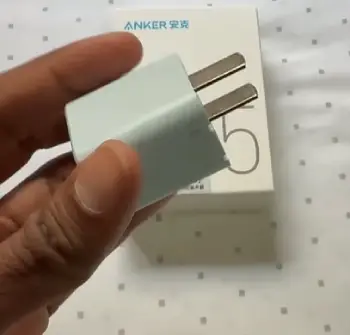
- Only One Charging Port
The biggest drawback is its single USB-C port.
Modern users often carry multiple devices, including smartphones, wireless earbuds, smartwatches, and tablets.
With the Nano Pro, I can charge only one device at a time.
If I want to charge my phone and earbuds together, I need another adapter or a different charging solution.
For someone who regularly charges several devices, a dual-port Anker charger would make more sense.
- Limited 20W Output
Twenty watts is useful for smartphones, but it isn’t particularly powerful compared with modern high-wattage charging adapters.
If you own a laptop that requires 45W, 65W, or more, the Nano Pro won’t replace its dedicated power adapter.
It may also be less suitable for tablets that support higher charging speeds.
I would therefore treat it as a smartphone-focused charger rather than an all-purpose power solution.
- No Included Charging Cable in Some Packages
Depending on the retailer and package configuration, the Nano Pro may be sold without a charging cable.
This means you might need to purchase a compatible cable separately.
I don’t consider this a major problem if you already have a suitable cable, but it can increase the total purchase cost for first-time buyers.
Always check the package contents before ordering.
- Not Ideal for Heavy Multi-Device Users
The Nano Pro is built around portability and simplicity.
That means it sacrifices some functionality that larger chargers offer.
If you frequently charge a phone, tablet, earbuds, and other accessories, a multiport charging station will be more convenient.
- Charging Speed Depends on Device Compatibility
Although 20W sounds impressive, not every connected device can use the full output.
Older smartphones may support lower charging speeds. Some Android devices also use proprietary fast-charging standards that may not reach their maximum charging speeds with a standard USB-C PD charger.
Therefore, I wouldn’t purchase the Nano Pro assuming it will deliver the same charging performance across every phone.
Maintenance For The Anker 511 Charger Nano Pro
- Keep the USB-C Port Clean
Dust and small particles can accumulate around the charging port over time.
I recommend inspecting the port occasionally, especially if you frequently carry the charger in a backpack or handbag.
If you notice visible dust, disconnect the adapter from the outlet and clean the exterior gently with a dry, soft brush.
Avoid inserting metal objects, needles, or sharp tools into the USB-C port.
You should also avoid pouring cleaning liquids directly into the connector.
A clean port helps maintain a proper connection and reduces the possibility of charging interruptions caused by debris.
- Avoid Excessive Heat
Heat is one of the most important factors to monitor when using electronic charging accessories.
The Nano Pro may become warm during normal operation. However, excessive heat should never be ignored.
I recommend keeping the charger in an open, ventilated area while charging.
Avoid covering it with clothing, blankets, or other materials that restrict airflow.
If the adapter becomes unusually hot, produces a burning smell, or shows signs of damage, disconnect it safely and stop using it.
- Use a Quality USB-C Cable
Your charging cable plays an important role in overall charging performance.
Even if you own a capable 20W adapter, a damaged or unsuitable cable can interfere with charging.
I recommend using a reputable USB-C charging cable that supports the required power delivery.
Check the cable occasionally for exposed wires, loose connectors, or damaged insulation.
If you notice any of these problems, replace the cable rather than continuing to use it.
- Store It Properly When Traveling
One advantage of the Nano Pro is that it doesn’t require much storage space.
However, I still recommend keeping it in a dedicated accessory pouch.
This protects the adapter from unnecessary scratches, dirt, and accidental impacts.
Avoid placing heavy objects on top of it or storing it alongside sharp metal accessories that could damage its exterior.
When packing, make sure the charger is completely disconnected from the outlet.
- Avoid Pulling the Cable Forcefully
A common mistake is pulling the charging cable directly out of the adapter by gripping the wire.
This can gradually damage the cable connection.
Instead, hold the connector itself when disconnecting it.
I also recommend avoiding unnecessary bending near the cable’s ends.
These simple habits can help extend the useful life of your charging accessories.
- Check the Wall Outlet
The wall outlet matters just as much as the charger.
A loose, damaged, or unstable outlet can create an unreliable electrical connection.
Before plugging in the Nano Pro, check that the outlet is in good condition.
If the adapter fits loosely or you notice unusual sparks, discoloration, or burning smells, stop using that outlet and have it inspected by a qualified electrician.
- Keep the Charger Away From Moisture
The Nano Pro is not designed to be used in wet environments.
I recommend keeping it away from sinks, bathrooms with excessive moisture, spilled drinks, and other sources of water.
Never connect a wet charger to a power outlet.
If it gets wet internally, stop using it rather than attempting to dry and reuse it.
Comparison Of Anker 511 Charger Nano Pro With Other Brands
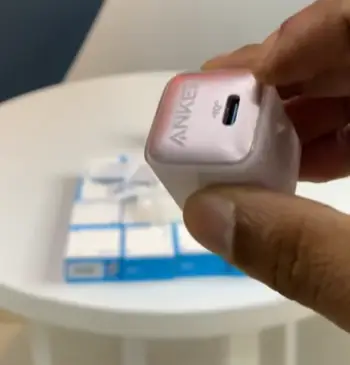
- Anker Nano Pro vs Apple 20W USB-C Power Adapter
The Apple 20W USB-C Power Adapter is one of the most obvious alternatives to the Anker 511 Nano Pro.
Both chargers are designed for compatible smartphones and support 20W USB-C charging.
I find the Anker particularly appealing because its Nano design emphasizes compactness. Apple’s adapter, meanwhile, offers a straightforward charging solution for people who prefer Apple’s own accessories.
In terms of everyday smartphone charging, both can be practical choices.
I would lean toward Anker if portability and its compact Nano design are my priorities.
Apple is also a reasonable option if I prefer keeping my charging accessories within the same brand ecosystem.
- Anker Nano Pro vs UGREEN 20W Charger
UGREEN is another well-known manufacturer of charging accessories.
Its 20W USB-C chargers compete directly with the Nano Pro because both product categories target smartphone users who want faster charging without bulky adapters.
I consider UGREEN a worthwhile alternative if pricing is your biggest concern.
However, the exact dimensions, safety features, and construction depend on the specific UGREEN model.
The Anker Nano Pro remains attractive if you already trust Anker’s charging accessories and prefer its compact design.
- Anker Nano Pro vs Belkin 20W USB-C Charger
Belkin offers another practical option for smartphone charging.
Its 20W adapters are designed for people who want a straightforward USB-C charging experience.
When comparing Belkin and Anker, I would pay attention to the individual model’s dimensions, safety certifications, warranty, and price.
Both brands have established accessory product lines.
I wouldn’t automatically assume that one delivers better charging speed simply because of its brand name. With compatible devices and equivalent charging specifications, the actual results can be similar.
- Anker Nano Pro vs Anker Prime
Anker Prime chargers generally target users who need more charging power and advanced functionality.
Depending on the model, they may provide higher wattage, multiple ports, and more flexible charging arrangements.
The Nano Pro takes a simpler approach.
It is designed for people who primarily need a compact 20W smartphone charger.
If I only need to charge my phone, I don’t necessarily need an expensive, high-powered Prime adapter.
However, if I regularly charge a laptop, tablet, and smartphone, a suitable Prime model could be a better long-term investment.
- Anker Nano Pro vs Samsung 25W USB-C Charger
Samsung’s 25W USB-C charger is an appealing alternative for compatible Galaxy smartphones.
Its higher rated output can make it more suitable for Samsung devices that support 25W charging.
The Anker Nano Pro provides up to 20W, which is a useful level for many phones but doesn’t match the Samsung adapter’s maximum rated wattage.
However, wattage alone doesn’t determine charging speed. Device compatibility and supported charging protocols also matter.
If I own a compatible Samsung Galaxy phone, I would compare the charging standards before choosing between these adapters.
Who Should Buy The Anker 511 Charger Nano Pro?
I think this charger makes the most sense for people who want dependable everyday smartphone charging in a compact package.
- iPhone Users
If you own a compatible iPhone, the Nano Pro can be a practical charging upgrade from an older 5W adapter.
Its 20W USB-C output supports fast charging when paired with the appropriate cable and compatible iPhone model.
- Students and Office Workers
Students and professionals often need compact accessories that fit easily into everyday bags.
The Nano Pro is suitable for this purpose because it doesn’t require much storage space.
You can keep it in your backpack or desk drawer and use it whenever your phone needs charging.
- Frequent Travelers
If you travel regularly, you probably understand the importance of minimizing unnecessary luggage.
The Nano Pro’s small size makes it convenient to carry.
It is especially useful if you want a dedicated smartphone charger that doesn’t occupy much room.
- Minimalist Users
Some people simply don’t need a charger with multiple ports or advanced features.
If you primarily charge one smartphone at a time, the Nano Pro offers a straightforward solution.
Who Should Avoid the Anker 511 Charger Nano Pro?
Despite its advantages, this charger isn’t suitable for everyone.
If you need to charge multiple devices simultaneously, consider a dual-port or multiport adapter.
If your laptop requires 45W or more, choose a higher-wattage charger.
Similarly, people who own smartphones with proprietary fast-charging systems should check compatibility before purchasing.
I would also avoid paying a premium for the Nano Pro if a comparable certified 20W adapter is available at a substantially lower price and meets the same requirements.
Also Read: Is Ridge Magnetic Power Bank Worth It?
Frequently Asked Questions (FAQ)
Yes. It is worth considering if you want a compact, reliable 20W charger for compatible smartphones.
The Anker 511 Nano Pro delivers up to 20W of USB-C charging power.
Nano is better for compact everyday charging, while Prime is better for higher power and multiple-device charging.
The best choice depends on your needs. The Nano Pro suits smartphones, while higher-wattage Prime models suit laptops and multiple devices.
Wrapping Up
I recommend the Anker 511 Charger Nano Pro to anyone who wants a small, convenient, and capable smartphone charger.
Its 20W USB-C output, portable construction, and straightforward operation make it a sensible everyday accessory.
Although it lacks multiple ports and isn’t powerful enough for most laptop charging needs, it performs its intended role well.
If you primarily charge an iPhone or another compatible smartphone and value portability, this is a worthwhile purchase.
Recent Posts
Ninja Belgian Waffle Maker Pro NeverStick Reviews: Is It Worth Buying?
If you love thick, fluffy Belgian waffles with crispy golden edges, the Ninja Belgian Waffle Maker Pro NeverStick deserves a place on your kitchen counter.I like its focus on consistent heating,...
If you want reliable stopping power, quieter braking, and less brake dust without spending a fortune, Bosch QuietCast brake pads deserve your attention.I consider them a strong option for...