
If you want reliable stopping power, quieter braking, and less brake dust without spending a fortune, Bosch QuietCast brake pads deserve your attention.
I consider them a strong option for everyday drivers who prioritize comfort, consistent performance, and durability.
Whether you commute daily or take occasional road trips, these ceramic brake pads offer an appealing balance of performance and value.
If you’re looking for dependable replacement brake pads for your vehicle, Bosch QuietCast is a product worth considering.
My First Experience With Bosch QuietCast Brake Pads
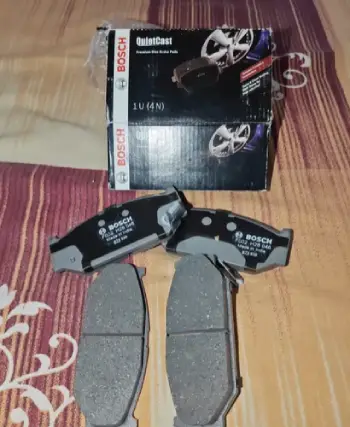
When I evaluate replacement brake pads, I pay attention to more than just how quickly a vehicle stops.
I want to know whether the brakes make annoying noises, produce excessive dust, wear down quickly, or lose their effectiveness during everyday driving. These are the areas where Bosch QuietCast brake pads have built a positive reputation.
My first impression of the Bosch QuietCast lineup is that it focuses heavily on everyday driving comfort.
Unlike aggressive performance brake pads designed primarily for spirited driving or track use, QuietCast pads are developed with smooth braking, reduced noise, and dependable stopping performance in mind.
One of the most appealing features is their ceramic friction material. Ceramic brake pads are popular among regular drivers because they generally produce less visible brake dust than traditional semi-metallic alternatives.
If you dislike seeing dark residue collecting around your wheels, this is a practical advantage.
I also appreciate the attention Bosch gives to noise reduction. Brake squealing can become frustrating, especially when you’re driving through residential neighborhoods or sitting in traffic.
QuietCast pads incorporate noise-reducing features, including application-specific shims and other design elements intended to minimize vibration.
During everyday driving, the qualities I would look for include smooth engagement when pressing the brake pedal, predictable deceleration, and consistent performance when slowing down repeatedly.
These are the characteristics that make a brake pad suitable for commuting rather than simply looking impressive on a product specification sheet.
Another consideration is installation. Bosch QuietCast pads are designed for specific vehicle applications, and many versions include hardware intended to make replacement more straightforward.
However, I would never assume that every package contains identical components. I always recommend checking the exact part number and included installation hardware before starting the job.
I also think it’s important to have realistic expectations. Ceramic brake pads are not automatically better in every driving situation. Heavy towing, repeated high-speed braking, and demanding performance driving can require a different friction material and braking setup.
Overall, Bosch QuietCast stands out as a practical replacement option for drivers who want comfortable braking without unnecessary noise and excessive dust. Its biggest appeal is the combination of everyday performance, thoughtful construction, and the reputation associated with the Bosch automotive parts brand.
Pros Of Bosch Quietcast Brake Pads
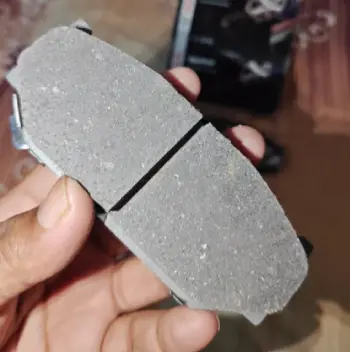
- Quiet Braking Performance
Noise reduction is arguably one of the biggest selling points of the QuietCast range.
Brake squealing can happen for several reasons, including vibration, improper installation, glazed friction surfaces, worn hardware, or unsuitable pad and rotor combinations.
Bosch addresses some of these concerns through its noise-reducing design.
I appreciate that the product is intended to minimize irritating braking sounds rather than simply provide friction.
For someone who drives regularly in traffic, quiet operation makes the overall experience more pleasant.
Of course, no brake pad can guarantee completely silent operation under every condition. Moisture, dust, rotor condition, and installation quality can still affect noise.
- Reduced Brake Dust
Nobody enjoys cleaning dirty wheels every few days.
One advantage of ceramic brake pads is that they typically produce less visible brake dust than many conventional semi-metallic pads.
Bosch QuietCast is attractive to drivers who want to keep their wheels looking cleaner between washes.
I would consider this especially useful if you own a vehicle with light-colored or polished wheels, where dark brake residue becomes noticeable quickly.
Keep in mind that low-dust does not mean dust-free. Brake wear particles are still produced during normal operation.
- Smooth Everyday Braking
A brake pad should respond predictably when you apply pressure to the pedal.
Bosch QuietCast is designed for everyday driving rather than extreme motorsport applications.
That makes it a sensible choice for people who want controlled deceleration during normal commuting and highway travel.
I prefer brake pads that offer a consistent pedal feel instead of requiring excessive pressure or producing unnecessarily aggressive initial engagement.
A smooth braking experience can make stop-and-go traffic less tiring.
- Reputable Automotive Brand
Bosch has a long history in automotive components, electronics, and vehicle technology.
Brand reputation alone cannot guarantee that every product will be perfect, but it does provide some reassurance when choosing replacement parts.
I also appreciate having a recognizable manufacturer behind the product because correct fitment, product information, and replacement-part identification matter when working on braking systems.
- Convenient Installation Features
Depending on the application, Bosch QuietCast packages may include hardware such as installation clips and other supporting components.
This can make a brake replacement more convenient.
I would still inspect the package carefully before beginning installation.
New pads should be installed with appropriate hardware, properly cleaned contact points, and compatible brake lubricant where specified.
Never reuse damaged or heavily corroded hardware simply because the replacement package does not contain everything you need.
- Suitable for Everyday Commuting
Not everyone needs track-focused brakes.
Most drivers simply want their vehicles to stop reliably when approaching intersections, navigating traffic, or slowing down on highways.
This is where Bosch QuietCast makes the most sense.
Its ceramic construction and noise-conscious design target the needs of ordinary drivers.
I particularly like this positioning because it avoids making unnecessary performance promises.
Cons Of Bosch Quietcast Brake Pads
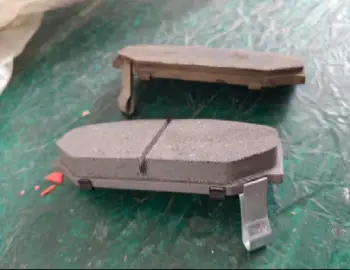
- Not Designed for Extreme Performance Driving
If you regularly participate in track events or aggressive driving, QuietCast may not be your ideal choice.
Performance brake pads are often formulated to operate under higher temperatures and more demanding conditions.
A comfort-oriented ceramic pad may not provide the same characteristics as a dedicated performance compound.
I would choose a brake pad according to how I actually use my vehicle rather than assuming a premium everyday product can handle every driving situation.
- Performance Depends on Rotor Condition
Even high-quality brake pads cannot compensate for damaged rotors.
If your rotors are deeply grooved, excessively worn, cracked, or outside the manufacturer’s thickness specifications, replacing the pads alone may not solve your braking problems.
This is an important limitation to remember before purchasing QuietCast.
- Ceramic Pads May Not Suit Every Vehicle
Although ceramic pads work well for many passenger vehicles, they aren’t automatically the best choice for every application.
Some heavier vehicles, towing setups, and demanding driving conditions may benefit from other friction materials.
Always follow the vehicle manufacturer’s braking requirements.
- Initial Brake Noise Is Still Possible
Despite the QuietCast name, you might occasionally hear noise after installation.
This could result from incorrect bedding, contaminated friction surfaces, damaged hardware, rotor problems, or caliper issues.
I wouldn’t automatically blame the brake pads without inspecting the entire braking system.
- Different Applications Have Different Features
Bosch offers multiple QuietCast applications.
The materials, included hardware, and exact construction details may differ depending on the part number.
Therefore, you should avoid assuming that every QuietCast package has identical specifications.
Maintenance For Bosch Quietcast Brake Pads
- Inspect Your Brake Pads Regularly
I recommend checking brake pad thickness periodically rather than waiting until you hear grinding noises.
The inspection interval depends on your driving conditions and vehicle manufacturer’s maintenance recommendations.
Pay particular attention if you frequently drive in congested traffic, travel through hilly areas, or carry heavy loads.
If the pads are approaching the vehicle manufacturer’s minimum thickness, arrange a replacement.
Also check for uneven wear. One pad wearing much faster than another can indicate a sticking caliper, seized slide pin, or another mechanical problem.
- Check Your Brake Rotors
Your rotors play an equally important role in braking performance.
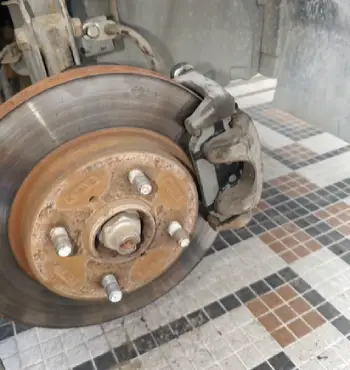
When installing new QuietCast pads, inspect the rotors for deep grooves, cracks, heat damage, excessive rust, and uneven wear.
Measure rotor thickness and compare it with the manufacturer’s minimum specification.
If the rotors are unsuitable, replacing the pads alone may result in noise, vibration, or inconsistent braking.
I would never overlook rotor condition just to reduce installation costs.
- Follow the Correct Bedding Procedure
New brake pads generally need an appropriate bedding-in process.
This helps establish a suitable contact surface between the friction material and rotor.
Follow Bosch’s instructions for the exact pad application and any vehicle-specific recommendations.
Avoid aggressive braking immediately after installation unless necessary for safety.
Where the procedure permits, controlled moderate stops in a safe area can help condition the friction surfaces.
Never perform bedding procedures in traffic or where there is insufficient space to stop safely.
- Keep Caliper Components Clean
Brake dust, rust, and road debris can interfere with the movement of braking components.
During brake servicing, inspect the caliper slides, pad abutment points, clips, and contact surfaces.
Remove corrosion and contamination using suitable brake-service tools and cleaning products.
Use only brake-compatible lubricant on the contact points specified by the manufacturer.
Never apply grease to the friction surface or rotor.
- Replace Worn Hardware
Brake hardware is easy to overlook when replacing pads.
However, damaged clips, corroded springs, and sticking slide pins can contribute to noise and uneven wear.
I recommend inspecting the hardware during every brake-pad replacement.
If the application includes replacement hardware, install it according to the manufacturer’s instructions.
Properly functioning hardware helps the pads move as intended.
- Avoid Unnecessary Hard Braking
Your driving habits have a direct effect on brake-pad lifespan.
Repeated aggressive braking generates more heat and can accelerate wear.
I prefer maintaining a reasonable following distance and slowing down gradually whenever traffic conditions allow.
This reduces unnecessary braking and makes everyday driving smoother.
Of course, you should always brake firmly when required to avoid an accident. Never compromise safety to extend pad life.
Comparison Of Bosch QuietCast Brake Pads With Other Brands
- Bosch QuietCast vs. PowerStop
Bosch QuietCast and PowerStop both offer replacement brake pads for different vehicle applications.
Bosch QuietCast emphasizes quiet operation, reduced brake dust, and everyday comfort.
PowerStop offers a broader range of braking products, including standard replacement pads and performance-oriented brake kits.
If I mainly drive around town and want comfortable braking with less visible dust, Bosch QuietCast is an appealing option.
However, if I want a complete upgrade package with rotors and pads, PowerStop may offer more choices.
PowerStop’s Z-series, Evolution, and other product families serve different purposes, so comparing exact models is essential.
My take: Bosch QuietCast is a strong everyday replacement choice, while PowerStop provides more variety for drivers interested in different braking configurations.
- Bosch QuietCast vs. Akebono
Akebono is particularly well known for its ceramic brake pad technology.
Its ProACT ceramic range is designed around quiet braking, smooth performance, and low dust.
This makes Akebono one of the more direct competitors to Bosch QuietCast.
I would compare these two brands carefully because both target drivers who value everyday comfort.
Akebono has a strong reputation for ceramic friction technology, while Bosch offers its own noise-reduction features and application-specific designs.
Neither brand automatically wins for every vehicle.
The best option depends on the exact part number, vehicle requirements, rotor compatibility, and price.
My take: I would consider Akebono a particularly strong alternative if quiet ceramic braking is my priority. Bosch QuietCast remains a competitive choice for everyday replacement needs.
- Bosch QuietCast vs. Wagner
Wagner is another established name in the replacement brake market.
Its ThermoQuiet range focuses on noise reduction and everyday braking comfort.
Both Wagner and Bosch appeal to drivers who want to avoid irritating brake squeals.
I would pay attention to the specific construction and friction material rather than assuming that one brand will always outperform the other.
Wagner may be attractive when its particular application offers suitable hardware or competitive pricing.
Bosch QuietCast is appealing when its application-specific features and availability make it a convenient replacement.
My take: Both brands deserve consideration for everyday passenger vehicles. I would choose based on fitment, specifications, and overall value.
- Bosch QuietCast vs. Raybestos
Raybestos offers several braking product families for passenger vehicles and other applications.
Its Element3 line includes different friction technologies and brake components.
Compared with Bosch QuietCast, Raybestos offers a wider selection of products across different braking needs.
If you’re looking for a straightforward ceramic replacement, both brands may have suitable options.
However, if your vehicle requires a particular friction specification, the exact Raybestos or Bosch part number matters more than the manufacturer’s general reputation.
My take: Bosch is attractive for comfortable everyday braking, while Raybestos deserves attention when you want to compare several replacement and braking-system options.
Frequently Asked Questions (FAQ)
Yes. Bosch is an established automotive parts manufacturer, and its QuietCast brake pads are designed for quiet, comfortable everyday braking.
It depends on the application. Bosch QuietCast suits everyday comfort, while PowerStop offers several replacement and performance-oriented options.
Both are reputable choices. Akebono is particularly recognized for ceramic brake technology, while Bosch QuietCast emphasizes quiet everyday braking.
Bosch develops and markets its brake products through its automotive aftermarket operations and manufacturing supply network. The specific manufacturing source can vary by product and application.
Wrapping Up
I consider Bosch QuietCast brake pads a worthwhile choice for everyday drivers who want quiet operation, reduced brake dust, and dependable stopping performance.
Their ceramic construction and noise-reduction features make them especially appealing for commuting and regular road use.
Although they aren’t designed for every high-performance or heavy-duty situation, they offer a practical balance of comfort and value.
If you want reliable replacement brake pads for a compatible vehicle, Bosch QuietCast deserves a place on your shortlist.
Recent Posts
Anker 511 Charger Nano Pro Reviews: Is This Compact Charger Worth Buying?
The Anker 511 Charger Nano Pro is an excellent option if you want a compact, reliable, and powerful wall charger without carrying a bulky adapter. I recommend it to people who need fast...
Brother PE900 Embroidery Machine Reviews: Is It Worth Buying?
If you enjoy creating personalized clothing, decorative gifts, monograms, or custom embroidery projects, the Brother PE900 is a machine worth considering.I like its combination of a generous...