
I decided to compare Anlin and Simonton windows because I needed clear facts before replacing the ones in my own home.
My goal here is to break down how these two vinyl window brands stack up on quality, energy performance, durability, cost, and real-world use so you can choose with confidence based on what matters most for your house and budget.
| Feature | Anlin Windows | Simonton Windows |
| Primary Market | West Coast focus (CA, NV, AZ, HI) | Nationwide availability |
| Frame Material | Proprietary XTRU vinyl with titanium dioxide | Multi-chamber vinyl |
| Energy Performance | Strong Low-E packages, argon, foam fills on premium lines | ENERGY STAR certified, ProSolar Low-E, argon options |
| Warranty | Double lifetime, transferable, includes glass breakage | Limited lifetime (varies by series), often excludes labor |
| Price Range (installed) | Upper mid to premium | Mid-range, generally more affordable |
| Standout Strength | Build quality and long-term efficiency | Value, style variety, wider access |
| Best For | Homeowners prioritizing performance and warranty | Budget-conscious buyers wanting solid results |
My Experience Researching These Two Brands
When I started looking at replacement windows, the choice between Anlin and Simonton kept coming up in conversations with neighbors and local installers.
Both make vinyl products that aim to cut energy bills, reduce drafts, and last for decades. Yet they take different paths.
Anlin leans into thicker frames, advanced coatings, and a warranty that feels unusually generous. Simonton spreads its reach across the country with more series options and prices that often sit lower.
I approached this the way any homeowner would: by weighing how each window would actually perform day after day in a real house, not just on a brochure.
Key Differences Between Anlin And Simonton Windows
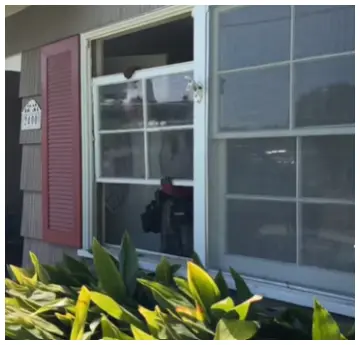
- Geographic Reach and Availability: Anlin stays focused on the western states. You often need a specialized dealer.
Simonton reaches nearly every region.
This makes sourcing and service simpler for many buyers.
- Frame Construction and Thickness: Anlin uses thicker vinyl around 0.080 inches.
Titanium dioxide adds rigidity and color hold.
Simonton frames stay thinner on most lines. Multi-chamber designs provide the main insulation.
- Glass and Insulation Packages: Both brands use Low-E coatings and argon fills. Anlin packages like Infinit-e and SunMatrix deliver stronger solar control.
Simonton ProSolar glass meets ENERGY STAR rules. Triple-pane upgrades appear on select lines.
- Warranty Coverage: Anlin offers double lifetime protection. It covers glass breakage and often transfers fully.
Simonton gives limited lifetime coverage on vinyl and seals. Labor usually stays outside the policy.
- Price Positioning: Anlin quotes land higher for matching sizes.
Simonton keeps costs more moderate.
The gap can reach several thousand dollars on a full project.
- Overall Reputation and Support: Anlin earns strong praise in its core markets for consistent quality.
Simonton benefits from larger scale and broader parts access.
Service speed can vary with either brand.
Key Features Of Anlin Windows
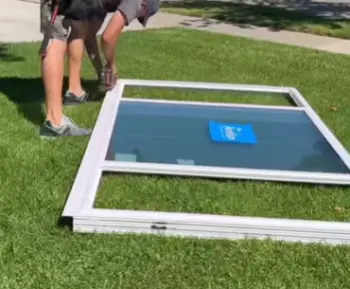
- XTRU Vinyl Extrusion: This material mixes titanium dioxide into the vinyl. It resists UV damage and warping better than basic options. Frames stay true in sunny climates.
- Advanced Low-E Glass Systems: Standard Infinit-e uses three coating layers. Optional SunMatrix adds a fourth layer. It blocks up to 99 percent of UV rays. Argon fills and foam inserts cut heat flow further.
- Smooth Hardware and Operation: Constant-force balances and upgraded rollers work well. Opening and closing feels light and quiet. Daily use stays easy for years.
- Noise Reduction Options: Multi-pane glass and tight seals reduce street sounds. Homes near roads feel noticeably quieter. This adds comfort without extra cost on many models.
- Customization Range: Colors and grid patterns cover common needs. The Panoramic line uses a slim frame. More glass area improves natural light and views.
- Security and Seal Details: Multi-layer weatherstripping limits air leaks. Strong locks and reinforced hardware raise forced-entry resistance. Seals hold up under temperature swings.
Pros Of Anlin Windows
- Superior Long-Term Durability: Thicker titanium-reinforced frames handle heat and UV well. Warping and fading stay rare. Adjustments remain infrequent over many years.
- Excellent Energy Savings Potential: High-performance glass lowers heating and cooling costs. Numbers hold steady thanks to quality seals. Hot or cold climates show clearer gains.
- Industry-Leading Warranty: Double lifetime coverage includes glass breakage. Transfer to a new owner adds resale value. Peace of mind lasts longer than most vinyl brands.
- Quiet and Smooth Daily Use: Tight seals and solid hardware cut outdoor noise. Sashes move without sticking. Everyday operation feels premium.
- Strong Regional Reputation: Installers and owners in core markets rate the product highly. Consistency and support stay reliable where Anlin is available.
- Better Frame Rigidity: Extra thickness reduces flex under wind or temperature change. Windows stay square and sealed. Performance holds over decades.
Cons Of Anlin Windows
- Higher Upfront Cost: Premium build and features raise the price. Budget projects may feel the difference. Full-house quotes often run higher.
- Limited Geographic Availability: Outside western states dealers are scarce. Lead times can stretch. Shipping or special orders add complexity.
- Fewer Frame Material Choices: Vinyl is the only option. Wood or fiberglass looks require another brand. Design flexibility stays narrower.
- Dealer-Dependent Installation Quality: Independent crews handle the work. Results depend on local skill. Poor flashing can hurt even a strong product.
- Longer Wait for Specialty Items: Custom colors or shapes sometimes delay projects. Stock models move faster. Planning ahead helps avoid surprises.
Key Features Of Simonton Windows
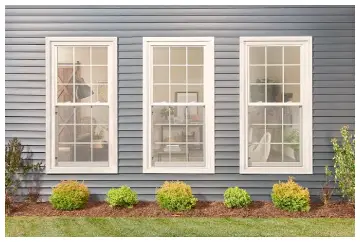
- Multi-Chamber Vinyl Frames: Air pockets inside the frame slow heat transfer.
Some collections add foam fills.
Temperature control improves without major weight gain.
- ProSolar Low-E Glass: This coating comes standard on most lines.
It holds heat in during winter.
Summer heat stays outside. Regional packages match local climate needs.
- Daylight Max Slim-Frame Design: Thinner profiles let in extra natural light.
Views stay wider than bulkier frames.
Rooms feel brighter after installation.
- Broad Style Selection: Double-hung, casement, sliding, and bay shapes cover most homes.
Hardware finishes and interior options expand the choices. Specialty shapes fit unique openings.
- ENERGY STAR Certification Across Lines: Most products meet federal efficiency rules.
Some earn Most Efficient status. Utility savings stay reliable in average climates.
- Hardware and Tilt Options: Many sashes tilt inward for easy cleaning. Locks and balances operate smoothly on newer series. Maintenance stays simple for most owners.
Pros Of Simonton Windows
- Attractive Pricing Across Series: Mid-range collections deliver solid results. Full-house costs stay more manageable. Value remains clear for most budgets.
- Nationwide Availability and Support: Contractors and stores stock the brand widely. Quotes arrive faster. Competitive bidding becomes easier.
- Wide Variety of Styles and Options: Slim-frame and architectural shapes cover many needs. Hardware and finish choices expand further. Most homes find a match.
- Reliable Energy Efficiency: ENERGY STAR glass and argon fills keep bills reasonable. Performance works across common climate zones. Upgrades remain available when needed.
- Proven Track Record as a Larger Manufacturer: Long production history brings consistent standards. Parts stay easier to source. Scale supports broader service networks.
- Flexible Upgrade Paths: Glass packages and foam fills can be added. Buyers can match features to budget. Entry-level models still meet basic needs.
Cons Of Simonton Windows
- Variable Warranty Details: Coverage looks solid at first glance. Labor and some parts often stay excluded. Claims can take longer to settle.
- Performance Can Trail Premium Rivals: Energy and durability numbers sit a step below top Anlin lines. Demanding climates show the gap more clearly.
- Installation Quality Varies Widely: Independent crews do the work. Skill levels differ by location. Results depend heavily on the chosen installer.
- Some Models Use Thinner Frames: Glass area can shrink slightly. Frames may feel less substantial. Wind or heat can cause more flex over time.
- Mixed Feedback on Customer Service: Larger scale sometimes slows responses. After-sale issues may need more follow-up. Local dealers handle most support.
- Fewer Premium Glass Options on Base Lines: Entry series use simpler Low-E packages. Top efficiency requires upgrades. Cost savings can shrink once options are added.
Energy Efficiency Head-To-Head
I paid close attention to U-factor and solar heat gain numbers because those translate directly into monthly utility statements.
Anlin’s better packages often post lower U-factors and tighter SHGC values, especially when foam fills and multi-layer coatings enter the picture.
Simonton meets ENERGY STAR thresholds reliably and offers climate-specific glass that works well for most homeowners.
In mild regions the difference may feel small. In hot or cold extremes Anlin’s edge becomes clearer over a decade of ownership.
Both brands use argon gas and Low-E coatings as standard practice now.
The real separation appears in how completely the frame itself resists heat flow and how well the seals hold up after years of expansion and contraction.
Anlin’s thicker extrusion and optional foam inserts give it an advantage here.
Durability And Real-World Longevity
Vinyl windows live or die by how well the material resists UV, temperature swings, and physical stress.
Anlin’s titanium-infused XTRU compound and thicker walls help frames stay straight and color-true longer. Simonton vinyl performs adequately for most homes, yet some owners note more flex or color shift after a decade in intense sun.
Hardware quality follows a similar pattern: Anlin’s balances and rollers often feel smoother and more robust out of the box.
Neither brand is maintenance-free, but both require only occasional cleaning and lubrication. Proper installation remains the biggest variable for either product. A poorly flashed window will fail no matter how good the factory build.
Cost Considerations And Value Over Time
Installed prices vary by region, window count, and options, yet patterns stay consistent. Simonton usually comes in lower for equivalent sizes.
Anlin’s premium can add several thousand dollars to a full replacement. I look at the difference as an investment question.
If you plan to stay in the house for fifteen years or more and care about energy bills and resale, Anlin’s stronger warranty and efficiency often pay back the gap.
If the house is a shorter-term stop or the budget is tight, Simonton delivers reliable performance without overspending.
Financing, local rebates, and energy tax credits can narrow the gap further. Always get multiple quotes that itemize glass packages and installation methods so the numbers stay comparable.
Which Brand Fits Different Homeowner Profiles?
For a long-term owner in a sunny western climate who wants maximum comfort and a transferable warranty, Anlin stands out.
The build quality and energy numbers match that priority. For someone who needs windows across a larger geographic area, values style variety, and prefers to keep the project cost moderate, Simonton makes practical sense.
Both brands can satisfy a well-informed buyer; the deciding factors are location, budget, and how long you expect to enjoy the windows.
I also weighed the importance of the installer. Even the best window underperforms if the crew rushes the flashing or leaves air gaps. Choose a reputable local company that stands behind its work regardless of which brand you select.
Also Read: Is Andersen Acclaim Windows Worth It?
Frequently Asked Questions (FAQ)
Not overall. Anlin usually edges ahead on build quality, energy numbers, and warranty depth, while Simonton wins on price and availability.
Yes. Their thicker frames, advanced glass, and strong warranty place them among the better vinyl options available in their markets.
Andersen, Marvin, and Milgard frequently rank at the top for overall reputation, though vinyl specialists like Anlin and Simonton compete strongly in their price tiers.
Yes for the mid-range vinyl category. They deliver reliable performance and efficiency at a competitive price point.
Final Thoughts
After weighing the details, I see Anlin as the stronger performer when quality, efficiency, and long-term coverage matter most.
You get a window that feels substantial, keeps energy costs lower, and carries a warranty that actually protects your investment. Simonton remains a smart, practical choice when budget and nationwide access take priority.
Both can improve comfort and curb appeal in a real home. Match the brand to your climate, how long you plan to stay, and what you can comfortably spend.
Get detailed quotes from experienced local installers, compare the exact glass packages side by side, and you will end up with windows that work for your house rather than against it.
That careful approach is the real key to a successful replacement project.
Recent Posts
I spent months comparing budget options against established names after my last set of tires wore out sooner than expected.My goal here is to share what I learned from putting Dextero and...
AquaTru Carafe Vs. Classic: Which Is Actually Fits Your Kitchen?
I decided to write this comparison after months of testing both the AquaTru Carafe and the Classic in my own kitchen. Tracking covered daily use.Taste stayed consistent. Refill frequency...