
I spent years tromping through frozen fields, ice fishing shacks, and muddy farm lanes before I finally settled on which Muck boots actually earned a permanent spot in my gear closet.
After testing both the Arctic Sport and the Arctic Pro through multiple winters, my goal here is simple: give you a clear, practical breakdown so you can pick the pair that matches how cold you get, how much you move, and what kind of work or hunting you do.
| Feature | Arctic Sport | Arctic Pro |
| Neoprene Thickness | 5 mm | 8 mm |
| Comfort Temperature Range | -40°F to 40°F | -60°F to 30°F |
| Lining | Soft fleece | Soft fleece |
| Thermal Foam Under Footbed | 2 mm | 2 mm |
| Shaft Height | About 16 inches | About 17 inches |
| Calf Circumference | Around 16.5 inches | Around 17 inches |
| Outsole | MS-1 molded rubber | Bob-Tracker multi-terrain |
| Midsole | Lightweight EVA | Lightweight EVA |
| Weight (approx. size 10) | 2.5 lbs per boot | 2.5 lbs per boot |
| Best For | Active movement in cold | Stationary or extreme cold |
| Price Range | Similar, mid-$170s | Similar, mid-$170s |
Key Differences Between The Arctic Sport And Arctic Pro
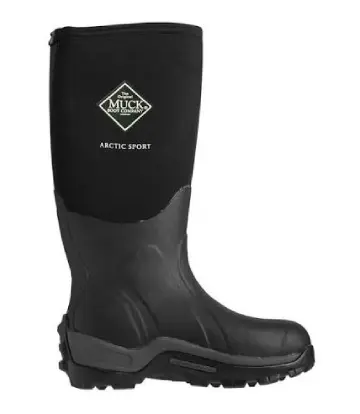
- Insulation thickness and real-world warmth
The biggest split between these two boots sits in the neoprene. The Arctic Sport uses a 5 mm layer while the Arctic Pro steps up to a full 8 mm.
That three-millimeter jump changes how the boots feel the moment you step outside on a bitter morning.
In my experience the Sport keeps heat in well enough when I stay on the move, whether I am walking fence lines or hiking into a hunting spot.
The Pro, though, holds warmth longer when I stand still for hours. On days that dropped below zero and stayed there, my toes stayed happier in the thicker Pro.
The extra material creates a stronger barrier against the cold air and against the frozen ground underfoot.
If your winter days involve a lot of standing or sitting, that thicker shell matters more than any marketing claim.
- Temperature comfort ratings
Official numbers put the Sport at a comfort range of -40°F to 40°F and the Pro at -60°F to 30°F. Those ratings assume you generate some body heat through movement.
In real use I found the Sport comfortable for most active winter work down into the teens and low twenties.
Once I stopped moving for a long stretch, the rating felt more optimistic. The Pro lived up to its colder claim better when I sat on ice or in a treestand.
The thicker neoprene simply takes longer to let the cold push through. Neither boot will keep your feet warm if you sit motionless in extreme cold without good socks and proper layering, but the Pro buys you more time before the chill sets in.
- Outsole design and traction
The Sport comes with the MS-1 molded rubber outsole. It grips packed snow and farm mud solidly and cleans reasonably well after sticky days.
The Pro switches to the Bob-Tracker pattern, which uses semi-spherical lugs that dig into loose snow and ice more aggressively while shedding debris better. I noticed the difference most clearly on pure ice and on steep, powdery banks.
The Bob-Tracker gave me more confidence when crossing frozen ponds or climbing out of snow-filled ditches. The MS-1 handled everyday chores just fine, but the Pro’s sole felt more sure-footed in the worst conditions.
- Shaft height and calf fit
The Pro stands about an inch taller and offers a slightly larger calf circumference. That extra height keeps deeper snow from spilling over the top on days when the drifts build up.
The Sport’s shorter shaft feels a bit lighter and easier to walk in for long distances. Both use a stretch-fit top-line binding that seals around the leg and keeps cold air from dropping in.
I have wider calves and never felt either pair restrict my circulation, though the Pro’s extra room made it a touch more comfortable when I wore heavier pants underneath.
Key Features Of The Arctic Sport
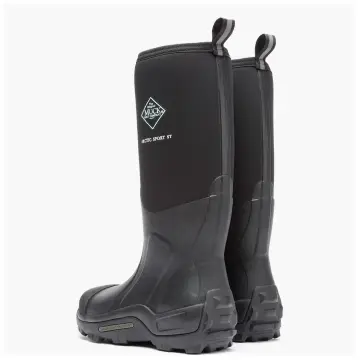
- 5 mm neoprene bootie
This layer forms the waterproof and insulating core of the boot.
It keeps water completely out even when you step into standing puddles or deep slush, while still trapping enough body heat for most cold days that involve walking.
The 5 mm thickness strikes a useful balance: warm enough for winter work yet flexible enough that the boot does not feel like a rigid tube around your lower leg.
After many seasons I still trust it to keep my feet dry no matter how messy the ground becomes.
Soft fleece lining
The fleece sits next to your skin and does more than just feel soft.
It reduces friction that can lead to hot spots or blisters during long days, and it helps manage the small amount of moisture that builds up from normal foot sweat.
Compared with bare neoprene, the fleece makes the interior feel less clammy and more welcoming when you first slide your foot in on a cold morning.
- 2 mm thermal foam under the footbed
This thin layer of foam sits between the outsole and your foot to block conductive cold that rises from frozen ground or ice. I noticed the difference most when I stood in one place for a while.
Without that foam the cold pushes through the rubber more quickly; with it, the chill takes longer to reach your soles. It is a quiet feature that pays off on long days outside.
- Stretch-fit top-line binding
The binding around the top of the shaft seals against your calf to keep cold air from dropping into the boot and warm air from escaping.
It also stretches enough to fit wider calves without feeling tight.
I appreciate how it stays put even when I climb over fences or kneel in the snow. Snow stays out and heat stays in without any constant readjustment.
- Lightweight EVA midsole and MS-1 outsole
The EVA midsole cushions every step so the boot never feels harsh underfoot, even after hours of walking on hard frozen ground.
The MS-1 outsole uses an aggressive lug pattern that grips mud, packed snow, and slippery surfaces reliably.
Double reinforcement at the heel, instep, and Achilles area protects the spots that usually wear out first.
Together these pieces make the Sport comfortable enough for all-day use without sacrificing durability.
- Easy-on pull tabs Simple pull tabs at the top of the shaft make a real difference when your hands are cold or gloved. You can yank the boots on and off without fighting the material or needing to sit down every time. After a long day outside, that small convenience feels bigger than it sounds.
Pros Of The Arctic Sport
- Excellent balance of warmth and mobility
The Sport lets me walk several miles without the heavy, sluggish feeling some thicker insulated boots create.
The 5 mm neoprene provides solid warmth for active winter chores and still-hunting that involves covering ground, yet the boot remains flexible enough that my stride stays natural.
I never felt like I was fighting the footwear just to move across the field or through the timber.
- Less likely to overheat during movement
On days in the twenties and thirties when I stayed on the move, my feet stayed comfortable instead of turning into a sweaty mess.
Excess sweat is the enemy of warm feet once you stop moving, so the Sport’s moderate insulation helps prevent that cycle.
I finished many active days with dry socks and warm toes rather than the damp chill that thicker boots sometimes produce.
- Comfortable for longer wear sessions
The combination of soft fleece, cushioned EVA midsole, and a roomy toe box let me keep the boots on from early morning until dark without developing hot spots or pressure points.
The material contours to the foot over time, which further reduces friction. For anyone who spends full days outside, that all-day comfort matters as much as the temperature rating.
- Fully waterproof and easy to clean
Mud, manure, snow, and standing water never soak through. After a messy day I simply rinse the exterior with a hose or wipe it down, and the boots look ready for the next morning.
The rubber shell and neoprene construction make cleanup almost effortless compared with leather or fabric winter boots that absorb moisture and take forever to dry.
- Versatile across a wide temperature window
From late fall through early spring the Sport handled everything from light frost to solid cold without forcing me to switch pairs mid-season.
That versatility means I reach for these boots more often than any other pair in the closet. They cover the majority of real-world winter conditions I actually face.
Cons Of The Arctic Sport
- Not the warmest option for extreme stationary cold
When I sat for hours in single-digit or below-zero temperatures, my toes eventually felt the chill more than they did in the thicker Pro.
The 5 mm neoprene performs well when blood is circulating from movement, but it has limits once you stop moving for a long stretch.
Active hunters and workers who stay on their feet will rarely notice this; anyone who sits still for hours in deep cold will.
- Can feel less substantial in deep snow
The slightly shorter shaft and lighter insulation make deep powder more noticeable around the ankles.
On days when snow piled up past mid-calf, I occasionally felt cold air or snow find its way over the top more easily than with the taller Pro.
It is not a deal-breaker, but it is a real difference in the deepest conditions.
- Outsole can pack with sticky mud
The MS-1 lug pattern grips well but sometimes loads up with heavy clay or wet snow. When that happens traction drops until you scrape the sole clean.
It is a minor annoyance rather than a major flaw, yet it shows up more often than with the Bob-Tracker design on the Pro.
Key Features Of The Arctic Pro
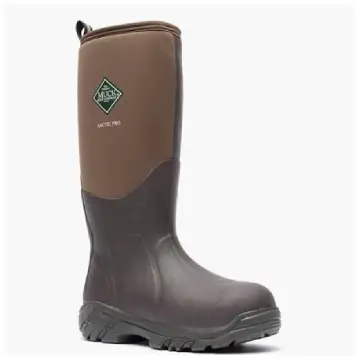
- 8 mm neoprene bootie
The thicker shell is the single largest upgrade over the Sport.
It creates a more substantial barrier against extreme cold and adds a solid, protective feel around the foot and lower leg.
In temperatures that drop hard and stay there, the extra material simply takes longer for the cold to push through.
I felt the difference most clearly on long sits when movement stopped and body heat generation slowed.
- Soft fleece lining
The same plush fleece used in the Sport softens the thicker neoprene and helps wick moisture away from the skin.
Even with the heavier insulation, the interior still feels comfortable against the foot rather than rubbery or clammy.
The fleece also reduces friction during long wear sessions.
- 2 mm thermal foam under the footbed
Identical underfoot insulation to the Sport gives both models the same protection against conductive cold rising from ice or frozen ground.
Standing on a frozen lake or in a cold treestand for hours makes that foam layer especially valuable. It is a quiet but important feature that both boots share.
- Comfort topline binding
The binding at the top of the shaft keeps snow and wind from entering while maintaining a secure yet flexible fit around the calf.
On the Pro the taller shaft and slightly roomier calf circumference work together with the binding to create a more complete seal in deep snow.
I never had to stop and shake snow out of the tops even on the deepest days.
- Bob-Tracker outsole
Semi-spherical lugs provide multi-terrain traction that resists clogging with mud or snow.
I found this pattern especially effective on ice, loose dry powder, and uneven frozen ground.
The design sheds debris better than many traditional lug patterns, so traction stays more consistent throughout the day.
- EVA midsole for cushioning
Despite the thicker upper, the Pro still uses a lightweight EVA midsole that delivers the same underfoot support found in the Sport.
Long days remain comfortable rather than punishing, even when the insulation level is higher.
The midsole prevents the boot from feeling like a rigid platform under your feet.
Pros Of The Arctic Pro
- Superior warmth for extreme conditions
On the coldest days of the year, when I needed to stand still for hours, the Pro kept my feet noticeably warmer than the Sport.
The extra three millimeters of neoprene is not marketing language; it is a measurable difference when temperatures drop hard and movement stops.
For ice fishing, late-season stands, or outdoor work in deep northern winters, that added insulation earns its place.
- Excellent for ice fishing and stationary hunting
Sitting on frozen lakes or in a treestand becomes far more tolerable. The thicker shell buys extra time before the cold starts to creep in.
I could stay out longer without constantly shifting my feet or worrying about numb toes.
Anyone who spends long periods motionless in serious cold will appreciate this advantage.
- Aggressive traction on difficult surfaces
The Bob-Tracker sole gives confident footing on ice, packed snow, and uneven frozen ground. I slipped less in the Pro than in most other rubber boots I have tried.
The lug design digs in without loading up as quickly as some deeper patterns, which keeps traction more reliable throughout a long day outside.
- Durable construction that handles abuse
Reinforced areas at the heel, toe, and Achilles hold up to rocks, brush, and heavy use. After multiple seasons of farm work and hunting the Pro still looked and performed well.
The thicker neoprene also feels more substantial against scrapes and scrapes from underbrush or equipment.
- Taller shaft keeps deeper snow out
That extra inch of height makes a practical difference when snow piles up or when you step into deeper drifts.
Combined with the secure top binding, the taller shaft reduces the chance of snow spilling inside during the worst conditions of the winter.
Cons Of The Arctic Pro
- Can overheat during active use If I walked hard in temperatures above the teens, my feet would sweat inside the thicker insulation. Once that moisture builds up, the same material that keeps you warm can start to chill you later in the day. Active users who cover a lot of ground in moderate cold may find the Pro too much boot for the conditions.
- Slightly stiffer feel at first The thicker neoprene takes a few wears to break in, especially in colder temperatures that make the material less flexible. Early on the boots feel more rigid than the Sport. After several outings the material softens and molds to the foot, but the initial stiffness is noticeable.
- Less ideal for milder winter days When temperatures climb into the thirties and forties, the Pro becomes too much insulation for anything involving movement. You end up carrying extra heat you do not need, which leads to sweating and discomfort. The Sport handles those milder days more gracefully.
- Similar price to the Sport for a more specialized tool You pay roughly the same money for a boot that shines in a narrower set of conditions. If most of your winter involves active work rather than extreme stationary cold, the Pro may be more boot than you need for the price.
Real-World Performance Comparison
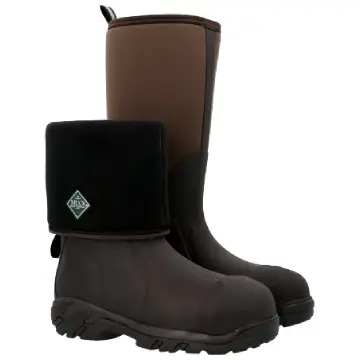
I used both pairs on the same property through the same winters so the comparison stayed fair.
On active days checking fences, moving cattle, or walking into a hunting spot the Arctic Sport won almost every time.
My feet stayed warm enough, I could cover ground without feeling like I wore concrete blocks, and I never overheated.
The Pro felt like overkill on those days and left me with damp socks by midday.
Switch the scenario to ice fishing or an all-day sit in a treestand when the temperature sat at zero or below, and the Pro pulled ahead clearly.
The thicker neoprene held heat longer. I could stay out another hour or two before my toes started complaining.’
The Sport still worked, but I found myself shifting my feet more often and wishing for the extra insulation.
Traction differences showed up most on pure ice and deep powder. The Bob-Tracker sole on the Pro gave me better confidence when I crossed frozen ponds or climbed steep, snowy banks.
The MS-1 on the Sport handled farm mud and packed trails just fine and cleaned a little easier after sticky clay days.
Both boots share the same core strengths that made me a Muck convert in the first place: complete waterproofing, easy cleanup, and a comfortable fit that does not fight your foot.
The fleece lining and EVA midsole feel nearly identical. The decision really comes down to how cold you expect to get and how much you plan to move.
Who Should Choose The Arctic Sport?
If your winter involves regular walking, chores that keep you moving, or hunting styles that cover ground, the Sport is the smarter daily driver.
It delivers solid warmth without the penalty of excess insulation. Farmers, ranchers, and active hunters who face temperatures mostly above zero will appreciate the balance.
I reach for the Sport more often simply because most of my winter days fall into that active category.
Who Should Choose The Arctic Pro?
If you spend long stretches standing or sitting in true extreme cold—ice fishing, late-season deer stands, or outdoor work in deep northern winters—the Pro earns its keep.
The extra neoprene thickness is not marketing fluff; it is measurable when the temperature drops hard and movement stops.
People with naturally cold feet or poor circulation also tend to prefer the Pro.
Also Read: Is Nortiv 8 Hiking Boots Worth It?
Frequently Asked Questions (FAQ)
Yes. The 5 mm neoprene and fleece lining keep feet comfortable down to about -40°F when you stay active.
The Arctic Pro ranks among the warmest thanks to its 8 mm neoprene and -60°F rating for extreme stationary cold.
Both feel plush thanks to the fleece lining and EVA midsole, but the Sport edges out for all-day walking comfort because of its lighter insulation.
For pure waterproof warmth and easy cleanup in wet, cold conditions, few options match them. Other boots may win in specialized categories like lightweight hiking, but Muck still leads for this exact use.
Final Thoughts
After living with both the Arctic Sport and the Arctic Pro through real winters, I keep both pairs in the truck. The Sport handles the majority of my days because I move a lot
The Pro comes out when the forecast turns brutal and I know I will stand still for hours. You do not need both, but understanding the difference between 5 mm and 8 mm neoprene, between active warmth and extreme stationary warmth, will save you from buying the wrong tool for the job.
Match the boot to how you actually spend your coldest days and your feet will thank you all season long.
Whichever you choose, you will get the same rock-solid waterproofing and comfort that made these boots a staple for people who work and hunt outside when the weather turns mean.
Recent Posts
I tried Meltoway Hair Dissolving Cream because I wanted a quick way to deal with unwanted body hair without reaching for a razor every few days. If you are looking for a convenient at-home...
If you’re considering a saffron-based supplement to support mood, appetite control, and everyday wellness, Happy Saffron Plus is worth considering.I like that it takes a familiar botanical...