
When I started looking for a composite decking option that balanced durability, appearance, and price, Armadillo Composite Decking quickly caught my attention.
If you’re planning to upgrade your outdoor space without spending premium-brand money, I think Armadillo deserves a serious look. It offers a wood-inspired appearance, low-maintenance ownership, and solid resistance to weather, making it a practical choice for many homeowners.
Throughout this review, I’ll share my experience and explain where this decking shines and where it may not be the perfect fit.
My Personal Experience With Armadillo Composite Decking
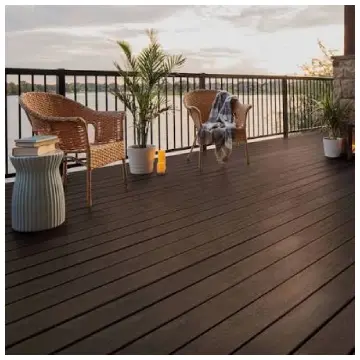
When I first considered replacing my aging wooden deck, I had two priorities.
I wanted something that looked attractive year-round and didn’t require the constant sanding, staining, and sealing that had become an annual chore.
After comparing several composite brands, I decided to spend some time evaluating Armadillo Composite Decking because it seemed to offer many premium features without carrying the highest price tag.
The first thing I noticed was the natural-looking finish. While it’s still obviously composite material when viewed closely, the grain pattern gives it a warmer appearance than many older composite boards I had seen.
Once installed, the deck immediately looked cleaner and more modern than the pressure-treated lumber it replaced.
Walking barefoot across the surface during warm afternoons was surprisingly comfortable. The boards still became warm under direct sunlight, but not enough to make the deck unusable.
I also appreciated the textured finish, which provided reassuring grip after a light rain.
Another pleasant surprise was how quiet the deck felt. Some composite boards produce noticeable hollow sounds depending on the framing underneath, but this installation felt solid underfoot.
Whether I was moving patio furniture or hosting guests, the deck maintained a sturdy feel.
Cleaning has also been refreshingly simple. Most weeks, I only need to sweep away leaves and rinse the surface with a garden hose.
After a barbecue, grease splatters cleaned up with mild soap and water before they had a chance to leave lasting marks.
What impressed me most over time was the color stability. Even after months of exposure to sun and rain, the boards maintained a consistent appearance.
Minor dirt accumulation became much more noticeable than actual fading, which reinforced the importance of routine cleaning rather than constant maintenance.
Of course, the decking wasn’t perfect. I found that installation required careful spacing to accommodate seasonal expansion and contraction.
I also noticed that darker colors absorbed more heat during the hottest summer afternoons. These weren’t deal-breakers, but they’re worth considering before making a purchase.
Overall, my experience has been positive because the deck gives me the appearance I wanted while dramatically reducing the maintenance compared to traditional wood.
Pros Of Armadillo Composite Decking
- Attractive Wood-Like Appearance
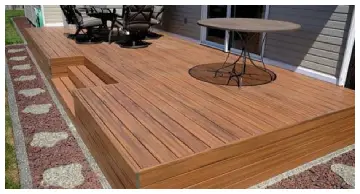
One of the biggest advantages I found is the realistic appearance. While composite decking will never be identical to genuine hardwood, Armadillo comes surprisingly close.
The embossed grain creates visual depth that enhances the overall appearance of any backyard.
Rather than looking artificial, the boards complement outdoor furniture, landscaping, pergolas, and decorative lighting quite naturally.
- Low Maintenance Lifestyle
The reduced maintenance is easily my favorite benefit.
With traditional wood, I constantly worried about sanding rough spots, replacing cracked boards, applying stain, and sealing surfaces every couple of years.
Now my routine is dramatically simpler.
Most maintenance involves sweeping debris, rinsing the deck, and washing occasional stains before they become permanent.
That means more weekends enjoying the deck instead of working on it.
- Resistance to Rot
Moisture is the enemy of wood decks.
Rainwater, humidity, melting snow, and standing water gradually weaken untreated lumber. Armadillo’s composite construction significantly reduces these concerns.
Knowing that the boards aren’t absorbing water the same way natural lumber does gives me much greater confidence about long-term durability.
- Excellent Resistance to Splintering
If you’ve ever walked barefoot across an aging wooden deck, you probably know how painful splinters can be.
One advantage I noticed immediately is the smooth walking surface.
Children can play comfortably, pets can move around safely, and I don’t have to inspect every board before entertaining guests.
- Consistent Color
Natural wood changes constantly. Some boards fade faster than others, creating uneven coloring over time.
Composite decking offers much better color consistency.
Instead of constantly worrying about matching replacement boards or restaining the entire deck, I enjoy a surface that maintains a much more uniform appearance throughout the seasons.
- Better Long-Term Value
Although the upfront investment can be higher than pressure-treated lumber, I believe the long-term value is better.
When I consider the money saved on stains, sealers, replacement boards, and ongoing maintenance supplies, the overall ownership experience becomes much more affordable over the life of the deck.
- Comfortable Everyday Use
Daily use has been enjoyable because the surface feels solid, clean, and dependable.
Whether I’m relaxing with coffee, grilling dinner, or entertaining friends, I don’t spend time worrying about loose boards, splinters, or peeling finishes.
That peace of mind adds real value beyond the appearance alone.
- Good Slip Resistance
One feature I came to appreciate was the textured surface. While no decking material is completely slip-proof, Armadillo Composite Decking offers enough texture to improve footing compared to smooth painted wood.
After a light rain or early morning dew, I still felt comfortable walking across the deck without constantly worrying about slipping.
Of course, any deck can become slippery if dirt, algae, pollen, or mold builds up. That’s why regular cleaning remains important. Keeping the surface free of debris allows the textured finish to do its job effectively.
Cons Of Armadillo Composite Decking
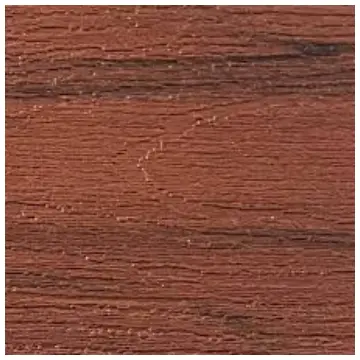
- Higher Initial Cost Than Pressure-Treated Wood
The biggest drawback for many homeowners is the upfront investment.
Composite decking generally costs more than standard pressure-treated lumber. If your budget is extremely limited, the initial price may feel difficult to justify.
However, I found it helpful to consider ownership costs over many years rather than focusing only on installation day.
- Can Become Warm in Direct Sunlight
Like many composite decking products, darker colors absorb more heat during sunny afternoons.
On extremely hot summer days, walking barefoot may become uncomfortable until the surface cools or receives shade. Choosing lighter colors can help reduce heat absorption.
- Installation Requires Careful Planning
Composite boards expand and contract differently than natural wood.
Proper spacing, accurate fastening, and following installation recommendations are essential for achieving the best long-term results. While experienced installers generally have no trouble, first-time DIY homeowners should take extra care during installation.
- Heavy Boards
Compared to some traditional lumber, composite boards can be heavier.
Transporting, lifting, and positioning the boards during installation may require additional assistance, especially on larger projects.
- Surface Scratches Can Occur
Although Armadillo is durable, it’s not indestructible.
Dragging heavy furniture, sharp metal objects, or large planters across the surface may leave scratches. I always lift heavy furniture instead of dragging it whenever possible.
Fortunately, careful everyday use greatly reduces this concern.
- Limited Natural Wood Character
While I personally enjoy the appearance, some homeowners still prefer the completely unique grain patterns found in natural hardwood.
Composite boards provide consistency rather than the natural variation that some people love in real wood.
Maintenance Tips For Armadillo Composite Decking
- Keep the Surface Clean Every Week
One reason I chose composite decking was to reduce maintenance, not eliminate it completely.
I make it a habit to sweep the deck every week. Leaves, dust, flower petals, pine needles, and dirt may seem harmless at first, but they trap moisture if allowed to accumulate.
A simple broom removes most debris within minutes.
This small routine helps preserve both appearance and traction while preventing stains from developing over time.
- Wash the Deck Periodically
Even if the deck doesn’t look dirty, I recommend washing it every few months.
Usually, I mix mild dish soap with warm water and scrub the surface using a soft-bristle brush. After that, I rinse everything thoroughly with a garden hose.
This removes pollen, food residue, bird droppings, and everyday grime before they become difficult to clean.
Regular washing also keeps the colors looking vibrant throughout the year.
- Clean Spills Immediately
Outdoor entertaining often leads to accidental spills.
Grease from the grill, barbecue sauce, wine, coffee, soft drinks, sunscreen, or cooking oils can stain if left too long.
Whenever something spills, I wipe it up as quickly as possible.
Prompt cleaning usually prevents permanent marks and keeps the deck looking nearly new.
- Avoid Metal Shovels During Winter
If you experience snow, use a plastic shovel instead of a metal one.
Metal edges can scratch the decking surface, especially when removing packed snow or ice.
A plastic shovel clears snow effectively while protecting the finish.
- Protect Furniture Legs
Outdoor furniture constantly moves as people sit down, stand up, and rearrange seating.
I place protective pads underneath chair legs, table legs, and heavy planters.
This simple precaution helps reduce unnecessary scratches and keeps the surface looking cleaner for years.
- Don’t Drag Heavy Objects
Whenever I need to move a grill, storage box, or large planter, I lift it instead of dragging it.
Dragging heavy objects creates unnecessary friction that may damage any composite decking surface.
Taking an extra minute to lift instead of pull makes a noticeable difference over time.
- Ensure Good Drainage
Standing water is never ideal.
Although composite decking resists moisture far better than wood, allowing water to drain properly helps keep the surface cleaner and reduces opportunities for mold or mildew to develop in shaded areas.
I periodically check underneath the deck to ensure drainage remains unobstructed.
- Inspect Fasteners Occasionally
Even though composite decking requires minimal maintenance, I still perform a quick inspection every few months.
I look for loose screws, shifting boards, or anything unusual after severe storms.
Catching small issues early prevents larger repairs later.
- Keep Mold and Mildew Under Control
Composite decking itself resists moisture well, but mold and mildew can still grow on accumulated dirt or organic debris.
If I notice shaded areas staying damp for long periods, I clean them promptly with mild soap and water.
Maintaining airflow around the deck also helps surfaces dry more quickly after rain.
- Avoid Harsh Chemicals
I stay away from strong solvents, bleach concentrations beyond manufacturer recommendations, or abrasive cleaners unless absolutely necessary.
Gentle cleaning products are usually more than enough for routine maintenance while protecting the decking’s finish.
- Trim Nearby Plants
Bushes, shrubs, and tree branches can constantly drop leaves, sap, and seeds onto the deck.
Keeping nearby landscaping trimmed improves airflow, reduces debris buildup, and allows sunlight to dry wet areas faster.
It also makes routine cleaning much easier.
- Create a Simple Maintenance Routine
What works best for me is consistency rather than major cleaning sessions.
A few minutes of sweeping each week, occasional washing, quick spill cleanup, and seasonal inspections keep the deck looking attractive throughout the year.
Instead of spending entire weekends restoring weathered wood, I spend that time actually enjoying my outdoor space.
Comparison Of Armadillo Composite Decking With Other Brands
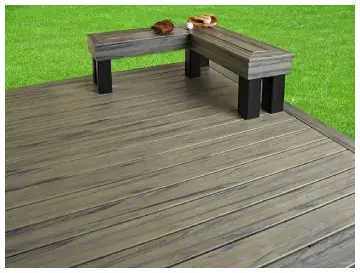
- Armadillo Composite Decking vs. Trex
Trex is often the first name that comes to mind when people think about composite decking, and for good reason.
It has built a strong reputation through years of consistent performance and a wide product lineup.
When I compared Armadillo with Trex, I noticed that Trex offers more color collections, additional texture options, and a broader price range that accommodates both budget-conscious buyers and homeowners seeking premium finishes.
Armadillo, however, impressed me with its straightforward approach. If you don’t need dozens of design options and simply want a durable deck with an attractive wood-like appearance, Armadillo delivers excellent value. I also found that it competes well in terms of moisture resistance and everyday durability.
If brand recognition and the widest product selection matter most to you, Trex may have the advantage. If your priority is balancing appearance, durability, and cost, Armadillo becomes a very attractive alternative.
- Armadillo Composite Decking vs. Deckorators
Deckorators has become known for its premium composite and mineral-based decking products. Its higher-end collections often provide exceptional stability, reduced thermal movement, and impressive durability under demanding conditions.
When I compared the two, Armadillo stood out as the more budget-friendly option while still offering dependable performance for residential applications. Deckorators may justify its higher price if you’re building a luxury outdoor living space or want some of the industry’s most advanced materials.
For the average homeowner, though, I think Armadillo supplies plenty of performance without requiring a premium investment.
- Armadillo Composite Decking vs. TimberTech
TimberTech focuses heavily on realistic wood aesthetics and premium capped composite technology. Many of its products feature highly detailed grain patterns that closely resemble natural hardwood.
Visually, TimberTech may appeal to homeowners looking for the most authentic wood appearance available. However, those premium looks usually come with a higher price tag.
Armadillo may not offer the same extensive selection of premium finishes, but it still provides an attractive appearance while remaining more accessible for homeowners working within a practical budget.
If appearance alone is your top priority, TimberTech has an edge. If overall value matters more, I believe Armadillo holds its own remarkably well.
Armadillo Composite Decking vs. Fiberon
Fiberon emphasizes sustainability while offering multiple product lines across different price points. Its boards are widely available and feature attractive color choices along with good stain and fade resistance.
Comparing the two, I found both brands suitable for everyday family use. Fiberon offers more collections and customization opportunities, while Armadillo keeps its lineup simpler and easier to navigate.
If you enjoy having numerous styles and colors to choose from, Fiberon may feel more appealing. If you prefer a straightforward buying experience with dependable performance, Armadillo remains an excellent option.
Armadillo Composite Decking vs. MoistureShield
MoistureShield is particularly well known for moisture resistance and installations near pools, lakes, docks, and waterfront properties.
If your deck will regularly experience excessive moisture exposure, MoistureShield may provide additional confidence because of its specialized construction.
For standard backyard decks, patios, and outdoor entertainment areas, I found Armadillo more than capable of handling typical weather conditions while offering excellent overall value.
Is Armadillo Composite Decking Worth Buying?
After spending considerable time evaluating Armadillo Composite Decking, I believe it successfully delivers what many homeowners actually need.
It isn’t trying to be the most luxurious or most expensive composite decking on the market. Instead, it focuses on dependable durability, attractive appearance, and low-maintenance ownership.
If you’re replacing an aging wood deck, you’ll likely appreciate leaving behind annual staining, sealing, splinter repairs, and insect concerns. Those savings in time and effort become noticeable almost immediately.
I also like that the decking feels modern without becoming overly complicated. The boards look clean, perform consistently, and require very little attention beyond routine cleaning.
That said, it may not satisfy everyone. Homeowners seeking the widest selection of premium finishes or the most realistic hardwood appearance might prefer brands with larger product catalogs. Likewise, anyone with an extremely limited budget may still choose pressure-treated lumber because of its lower initial cost.
For most families, however, Armadillo strikes a comfortable middle ground between affordability and long-term performance.
Frequently Asked Questions (FAQ)
Yes. It offers solid durability, attractive wood-like aesthetics, and low maintenance for most residential decks.
There isn’t a single best brand for everyone. Trex, TimberTech, Deckorators, Fiberon, and Armadillo are all strong choices depending on your budget and priorities.
Both are excellent. Deckorators is often preferred for premium performance, while Trex offers broader availability and an extensive product range.
Armadillo Composite Decking is manufactured in the United States.
Wrapping Up
If you want a deck that looks attractive, requires minimal maintenance, and stands up well to everyday outdoor living, I believe Armadillo Composite Decking is worth considering.
My experience shows that it delivers reliable durability, comfortable usability, and long-term value without demanding constant upkeep.
it isn’t the least expensive option upfront, the reduced maintenance and lasting appearance make it a smart investment for homeowners who want to spend more time enjoying their deck and less time maintaining it.
Recent Posts
I spent months comparing budget options against established names after my last set of tires wore out sooner than expected.My goal here is to share what I learned from putting Dextero and...
AquaTru Carafe Vs. Classic: Which Is Actually Fits Your Kitchen?
I decided to write this comparison after months of testing both the AquaTru Carafe and the Classic in my own kitchen. Tracking covered daily use.Taste stayed consistent. Refill frequency...