
When I decided it was finally time to upgrade my old dishwasher, I narrowed it down to two premium contenders: Asko and Miele.
Both promise top-tier cleaning, quiet operation, and long-term reliability, but I wanted to see which one truly delivered day after day with real family messes.
In this article, I share my personal experience comparing them side by side—focusing on performance, features, build quality, and value—so you can decide which fits your kitchen and lifestyle best.
| Feature | Asko Dishwasher | Miele Dishwasher |
| Build & Durability | Heavy stainless steel interior, robust Scandinavian design | German engineering, built for 20-year lifespan |
| Capacity | Excellent, up to 16-18 place settings, flexible racks | Very good, highly adjustable 3D Multiflex tray |
| Cleaning Performance | Strong multi-spray system, good on tough loads | Outstanding with 3 full spray arms, consistent results |
| Drying | Turbo Combi or Auto Door Open | AutoOpen drying + excellent on plastics |
| Noise Level | Very quiet | Extremely quiet (as low as 38-44 dB) |
| Smart Features | Limited or none in base models | AutoDos detergent system, some connectivity |
| Price Range | High-end, often competitive | Premium, typically higher |
| Best For | Large loads, stainless-heavy construction lovers | Long-term reliability, effortless daily use |
Why I Compared Asko And Miele Dishwashers?
I live in a busy household where dishes pile up fast—pots, plastic containers, wine glasses, you name it. My previous mid-range model left streaks, didn’t dry well, and felt noisy.
I researched extensively and chose models from both brands for a direct head-to-head. Over several months, I ran cycles with everyday loads, baked-on messes, and delicate items.
What stood out was how both elevate dishwashing beyond basic cleaning, yet they approach it differently.
Key Differences Between The Asko And Miele Dishwasher
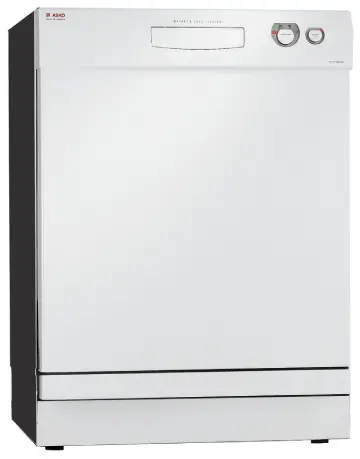
- Origin and Design Philosophy: Asko brings Swedish practicality and minimalist Scandinavian design with a strong focus on toughness and simplicity.
Miele comes from Germany with over 100 years of precision engineering, emphasizing refined automation and long-term perfection.
I felt Asko was more straightforward and robust, while Miele felt more polished and intelligent.
- Construction Approach: Asko uses heavy stainless steel throughout the interior with minimal plastic, giving it a solid, tank-like feel.
Miele also builds with high quality but focuses more on engineered components and smart systems designed for decades of reliable service.
Asko feels like a durable workhorse; Miele feels like a carefully crafted long-term investment.
- Loading Capacity vs Flexibility: Asko generally offers slightly larger raw capacity, making it easier to fit bulky pots, pans, and oversized loads in one go.
Miele counters with its highly advanced 3D Multiflex rack system that is incredibly customizable.
I could load more awkward items into the Asko without thinking, but the Miele let me organize mixed loads more creatively once I learned the racks.
- Automation and Convenience: This was one of the biggest gaps. Miele’s AutoDos system automatically dispenses the right amount of detergent every time, and its AutoOpen drying works exceptionally well.
Asko relies more on manual detergent addition and has good but less advanced drying options.
If you want set-it-and-forget-it ease, Miele wins clearly here.
- Cleaning and Spray Technology: Both clean very well, but they approach it differently.
Asko delivers strong, targeted multi-zone cleaning that performs reliably on everyday messes.
Miele’s three full spray arms provide more consistent coverage from every angle, especially on mixed or heavily soiled loads.
I noticed Miele had fewer “missed spots” on random loads.
- Drying Performance: Miele’s AutoOpen drying combined with its condensation system gave superior results, especially on plastic containers and tricky items.
Asko’s Turbo drying or door-open feature works well on glass and plates but sometimes left plastics slightly damp.
This difference showed up almost every cycle in my household.
Key Features Of Asko Dishwashers
I really appreciated Asko’s practical, no-nonsense engineering during my trial.
- Massive Loading Capacity: Fits way more than I expected—great for family dinners or party cleanup without multiple loads.
- Stainless Steel Everywhere: The interior feels tank-like with minimal plastic, which gives confidence in long-term performance and easier cleaning.
- Powerful Spray Systems: Multiple zones and arms tackle greasy pans and delicate glassware effectively in one go.
- Advanced Drying Tech: Turbo Combi Drying or automatic door opening leaves most items ready to store quickly.
- Energy Efficiency: Consistently low water and energy use, which matters for my monthly bills.
- Quiet Operation: Runs without disturbing conversations or evening routines.
- Flexible Racks: Adjustable levels handle awkward items like tall pots or sheet pans smoothly.
These features made Asko feel like a workhorse built for real life.
Pros Of Asko Dishwashers
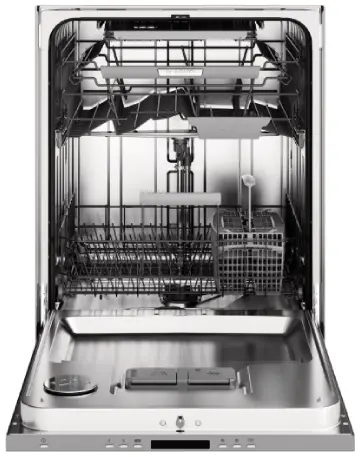
- Exceptional interior space and sturdy feel give you room for everything in one cycle: I loaded my Asko with a full family dinner aftermath—stacks of plates, multiple pots, awkward baking sheets, and rows of glasses—and it handled everything without forcing me to rearrange endlessly.
The racks glide smoothly and adjust easily, creating genuine flexibility that turns chaotic post-meal piles into a single efficient load.
This capacity saved me time and reduced the frustration I felt with smaller machines that required splitting loads.
- Heavy stainless construction resists wear and looks premium even after heavy use: The interior is dominated by high-grade stainless steel with minimal plastic parts.
After months of daily runs, it still looks nearly new with no discoloration or lingering odors.
This build gives me confidence that it will withstand years of steam, heat, and detergent exposure far better than models with more composite materials.
It feels solid when you close the door and inspires trust every time you open it.
- Strong cleaning power on everyday and tougher soils without much pre-rinsing: The multi-zone spray system with targeted arms tackled greasy casserole dishes and dried pasta residue effectively.
I tested it with real-world messes like egg-encrusted pans and tomato-stained containers, and results were consistently good.
You still get powerful performance without needing to scrub everything beforehand, which is exactly what busy people need.
- Competitive pricing in the premium segment compared to some rivals: While still an investment, Asko often comes in at a more accessible price point than Miele while delivering comparable build quality.
This balance made the decision easier for me because I got Scandinavian durability and performance without stretching my budget to the absolute top tier.
- Scandinavian design blends beautifully into modern kitchens: The clean lines, minimal controls, and understated elegance fit right into my contemporary kitchen without screaming for attention.
It looks purposeful and high-quality rather than flashy, which matches the aesthetic I wanted.
Cons Of Asko Dishwashers
- Some models lack advanced automation like self-dosing detergent, requiring more manual input: I had to remember to add detergent each time and occasionally adjust amounts based on load size.
While not difficult, it felt like an extra step compared to fully automated systems.
Over time, this small daily task became noticeable when I was tired after cooking.
- Cleaning consistency can vary with very heavy or uneven loads according to my observations: On a few occasions with extremely packed or unbalanced loads, some items in the corners didn’t get quite the same powerful cleaning as those directly in spray paths.
It wasn’t a frequent issue, but I learned to be mindful of arrangement for the absolute best results.
- Limited smart connectivity on many units—no app monitoring for remote starts: I couldn’t check cycle status from my phone or start it remotely while out running errands.
In today’s connected homes, this absence stood out as a missing convenience feature I sometimes wished I had.
- Service network might not be as widespread depending on your location: Finding authorized service was slightly more challenging in my area compared to more mainstream premium brands.
While the machine feels reliable enough that I may not need service soon, the thought crossed my mind for long-term ownership peace of mind.
- Occasional need to tweak rack positions or manually adjust for optimal results: The flexibility is great, but it sometimes required a bit of trial and error to get tall items or odd-shaped cookware perfectly situated.
Once I learned the sweet spots it became second nature, but there was an initial learning period.
Key Features Of Miele Dishwashers
Miele impressed me with its refined, almost futuristic approach to dishwashing.
- AutoDos System: Automatic detergent dispensing using PowerDisks—perfect portions every time, no guessing.
- Superior Spray Coverage: Three full arms ensure thorough cleaning from every angle.
- AutoOpen Drying: Door pops open at the end for natural, effective drying, especially strong on plastics.
- Highly Customizable Racks: 3D Multiflex tray and adjustable tines adapt to any load creatively.
- Built-in Water Softener: Protects dishes and machine in hard water areas, reducing spots.
- Ultra-Quiet Performance: One of the quietest options available.
- Precision Cycles: Multiple specialized programs for everything from glass to intensive cleans.
Pros Of Miele Dishwashers
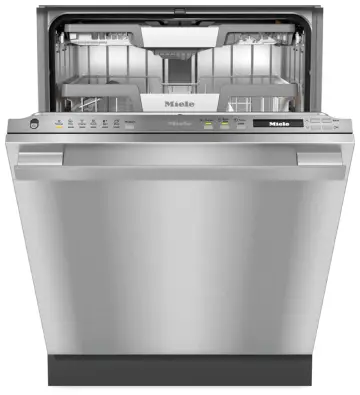
- Outstanding long-term reliability and build quality that feels like an investment: Miele has a well-earned reputation for lasting 15–20 years with proper care, and after using it I understand why.
The components feel precisely engineered, hinges are smooth after hundreds of openings, and everything operates with a quiet confidence that suggests it’s built to endure daily family use for decades.
- Exceptional drying results, even on tricky plastic containers: This was one of the biggest game-changers for me.
Plastics that used to come out wet or spotted emerged dry and streak-free thanks to the AutoOpen drying feature combined with excellent condensation management.
No more hand-drying items or running extra cycles just for containers.
- Effortless daily use thanks to automation and smart features: The AutoDos system automatically dispenses the perfect amount of detergent from its PowerDisk every cycle.
I simply loaded, chose a program, and walked away. This reduced mental load significantly during hectic weeks and eliminated guesswork about detergent amounts.
- Top-notch cleaning performance across varied loads: Three full spray arms ensure water reaches every corner and surface.
I threw in heavily soiled roasting pans, delicate wine glasses, and mixed loads, and everything came out thoroughly clean.
The specialized cycles adapt intelligently to different soil levels.
- Excellent noise reduction for open kitchens or light sleepers: At its quietest, you almost forget it’s running.
This made a noticeable difference in my open-plan living area where I could comfortably watch TV or have conversations while it operated in the background.
- Thoughtful details like easy-to-clean filters and protective elements: The filter system pulls out easily for quick cleaning, and built-in water softeners protect both dishes and the machine in hard water regions.
These small refinements add up to less maintenance and better long-term performance.
Cons Of Miele Dishwashers
- Higher upfront cost compared to many premium alternatives: The price tag is noticeably steeper, which made me pause before purchasing.
You are paying a premium for the engineering and longevity, but it requires a larger initial investment that not everyone can justify immediately.
- Some models still lack full smart home integration or app control: While more advanced than many Asko models, full remote connectivity and app features are still limited on certain units.
I would have loved more seamless integration with my smart home setup.
- Replacement parts or service can be pricey if needed: Should anything require repair down the line, genuine Miele parts and authorized service tend to cost more.
This is the trade-off for their quality, but it’s something to factor into total ownership cost.
- Learning curve for optimal rack configurations initially: The highly adjustable 3D Multiflex system offers incredible versatility, but figuring out the best way to configure it for different loads took a few runs.
Once mastered it becomes intuitive, yet the first week involved some experimentation.
- Less emphasis on massive raw capacity versus Asko in certain models: While very accommodating, I found Asko slightly more forgiving with oversized or extra-bulky loads.
Miele prioritizes precision and organization over sheer volume in some configurations.
My Real-World Performance Comparison
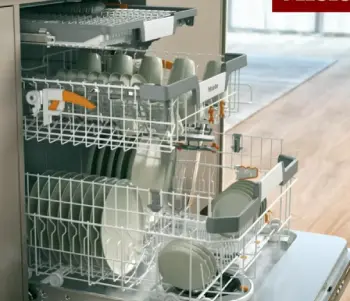
In daily use, both cleaned well, but Miele edged out on consistency with baked-on residues thanks to its spray arms and AutoDos.
Asko handled large, bulky loads better due to capacity and steel build. Drying favored Miele slightly for plastics, while Asko excelled with glassware and speed.
Noise was negligible for both—perfect for my household. Energy-wise, they were close, but Miele’s water softener helped in my area.
Build quality felt comparable at first, but Miele’s reputation for decades of service gave me more peace of mind.
Asko’s solid, minimalist vibe suited my kitchen aesthetics perfectly.
Which One Should You Choose?
If you prioritize spaciousness, solid stainless construction, and strong value in the premium space, go with Asko. It feels like a capable, hardworking appliance.
If you want maximum convenience, proven longevity, and effortless results that save time long-term, Miele is worth the investment.
I ultimately leaned toward Miele for my home because the automation reduced hassle, but your needs might differ—consider load size, water hardness, and budget.
Frequently Asked Questions (FAQ)
Yes, Asko positions itself as a premium brand with high-quality construction and advanced features aimed at discerning users.
Popular top picks often include models from Bosch, Miele, and sometimes KitchenAid or Asko, depending on testing criteria like cleaning, drying, and reliability.
Brands with consistently lower reliability and satisfaction scores in surveys, such as some budget options from Haier or Smeg, depending on current data—always check recent reviews.
No. Asko originated in Sweden, though it is now under ownership that includes Chinese parent companies, with manufacturing in Europe like Slovenia.
Wrapping Up
After months with both, I see why these two stand out in the premium dishwasher world. You can’t go wrong with either if you match the strengths to your routine.
I encourage you to test them in showrooms, measure your space, and think about what matters most—raw capacity or smart convenience.
Whichever you pick, investing in a quality dishwasher like these will transform your kitchen chores for years.
What has been your experience with premium appliances? I’d love to hear which factors tip the scale for you.
Recent Posts
● Interactive 5-Zone Interior & Exterior Paint Blueprint Paint Coverage Calculator: Gallons, Primer, Square Footage & Cost Tap any architectural surface zone on the blueprint...
If you want smooth, shiny hair without spending a fortune on a premium styling tool, the Ella Bella hair dryer may be worth considering.In these Ella Bella hair dryer reviews, I’ll look...