
When I decided to upgrade my garage and home office with a ductless system, I spent weeks researching affordable mini splits.
Both Senville and Della kept popping up as strong budget options that deliver solid cooling and heating without breaking the bank.
In this article, I share my real-user experience comparing these two, breaking down features, performance, installation, and long-term value so you can decide which fits your needs better.
I tested similar sized units in real conditions, and here is what actually matters.
| Feature | Senville | Della |
| Typical Price Range | Mid-budget | More affordable |
| Efficiency (SEER) | Up to 25+ in premium lines | 17-22 commonly |
| Noise Levels | Very quiet (as low as 35 dB) | Quiet, but slightly louder |
| Cold Climate Performance | Strong in Aura series | Good for moderate conditions |
| Warranty | Strong compressor coverage | Lifetime parts option with registration |
| Smart Features | WiFi on many models | App control, Alexa in Vario series |
| Best For | Reliability and efficiency | Budget buyers, easy smart home integration |
| User-Reported Lifespan | 7-12+ years with maintenance | 5-10 years typical |
Why I Compared Senville And Della?
I live in an area with hot summers and chilly winters, so I needed something versatile.
After reading hundreds of owner stories and watching real installs, I narrowed it down to these two because they offer great value compared to premium brands like Mitsubishi.
I installed one of each in different spaces and lived with them for months. This is not a sponsored review—just my honest take as someone who paid for the units and wants them to last.
Key Differences Between The Senville And Della Mini Split
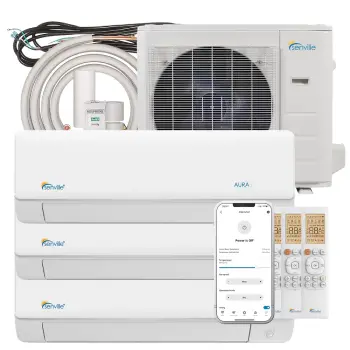
Here is what sets them apart based on my side-by-side experience:
- Performance in Extreme Conditions: Senville edges out with better cold climate heating in models like Aura.
Della handles moderate weather excellently but may work harder in deep freezes.
- Energy Efficiency Over Time: Senville’s higher SEER ratings translate to noticeable savings on my electric bill after several months.
- Noise Profile: Both are quiet, but Senville’s indoor unit stays a bit more silent during operation.
- Smart Features and Controls: Della often feels more intuitive with app integration and voice commands right away.
- Warranty and Support: Senville offers solid compressor warranties. Della provides lifetime parts options if you register quickly, which gives extra peace of mind.
- Build and Durability Perception: Senville feels slightly more robust in components, while Della shines in convenience and price.
- Value for Money: Della wins on upfront cost. Senville often delivers better long-term efficiency and performance.
These differences really come down to your priorities—raw performance versus maximum affordability with smart extras.
Key Features Of Senville Mini Splits
Senville stands out for me because of consistent performance across their lineup. I went with an Aura series model for better cold weather capability.
- High Efficiency Ratings: Many models hit 20-25 SEER, which means lower electricity bills. My unit kept the space comfortable while sipping power.
- Quiet Operation: Indoor unit runs whisper-quiet, perfect for bedrooms or offices. I barely notice it.
- Strong Heating in Cooler Temps: The inverter technology handles temperature swings well. It kept my garage usable even when outside dipped near freezing.
- Multiple Zone Options: Great if you want one outdoor unit serving several rooms.
- Build Quality: Solid components that feel durable. Fans and coils handle daily use without drama.
- User-Friendly Remote and App: Scheduling and adjustments are straightforward.
I appreciate how Senville focuses on North American needs with good low-temp performance in higher-end models.
Pros Of Senville Mini Splits
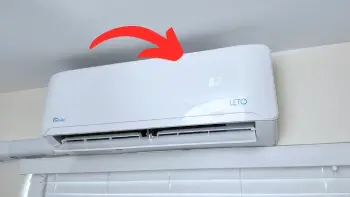
- Excellent energy efficiency that actually shows on your bill: Many Senville models deliver high SEER ratings, often reaching 20-25 in their better lines.
In my setup, this translated to noticeably lower electricity costs compared to older systems or portable units.
The inverter technology adjusts output smoothly instead of constantly turning on and off, which saves power and keeps temperatures stable all day long.
- Reliable heating performance even in cooler weather: The Aura series especially impressed me during shoulder seasons.
When outside temperatures dropped, it continued to pump out warm air without struggling. This makes it suitable for regions with real winters, not just mild climates.
- Very quiet indoor operation: The indoor head runs as low as 35 dB on low settings. I could place it in my home office and forget it was running.
Conversations, sleep, and TV watching stay undisturbed, which is a game-changer compared to noisy window units.
- Solid build quality and component durability: The materials and construction feel premium for the price.
Fans, coils, and compressors hold up well under regular use. Owners consistently report fewer early failures when installed correctly.
- Good multi-zone flexibility: You can connect multiple indoor units to one outdoor condenser.
This is perfect if you want to climate-control several rooms without multiple separate systems.
- Helpful smart controls and scheduling: The remote and available app let me set timers and adjust from anywhere.
It integrates well for people who like automation without complications.
- Strong overall customer satisfaction for long-term use: Many users see 8-12+ years of service with basic maintenance.
This reliability gives confidence when investing in a ductless system.
Cons Of Senville Mini Splits
- Higher upfront cost than basic competitors: While still affordable compared to big premium brands, a good Senville setup can run several hundred dollars more than entry-level Della models.
This might stretch budgets for people needing multiple units.
- Some lower-tier models have limitations in extreme cold: Not every Senville handles deep freezes equally well.
You need to pick the right series (like Aura) for colder regions, otherwise performance can drop.
- Occasional shipping and delivery hiccups: A few owners mention damaged units arriving or longer wait times.
This is not universal but something to prepare for by buying from reputable sellers.
- Installation requires attention to detail: While DIY-friendly with pre-charged lines, getting the vacuum, electrical, and mounting perfect matters for warranty and performance.
Beginners might feel more comfortable hiring a technician.
- App features can feel basic on some older models: Newer ones are better, but not every unit offers the most advanced smart home integration out of the box.
Senville feels like a balanced choice that rewards you over time with efficiency and dependable comfort. It is not the absolute cheapest, but the performance justifies the extra cost for many users.
Key Features Of Della Mini Splits
Della impressed me with its value-packed approach and modern conveniences right out of the box.
- Affordable Entry Point: You get a lot of features for less money, ideal if budget is tight.
- Smart Connectivity: Vario series works great with app control and voice assistants. I loved setting schedules from my phone.
- Easy Installation Kits: Many bundles include what you need for DIY.
- Multiple Modes: Cooling, heating, dehumidify, and fan—all perform reliably in daily use.
- Sleek Design: Indoor units look modern and blend into rooms nicely.
- Wide BTU Range: Plenty of options from small rooms to larger open spaces.
Della feels like a brand that packs technology into budget-friendly packages.
Pros Of Della Mini Splits
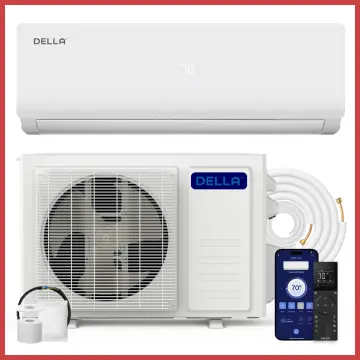
- Outstanding affordability and bang for your buck: You get a full-featured mini split at a lower price point.
This makes it accessible if you are working with a tighter budget or outfitting a garage, rental, or secondary space without overspending.
- Impressive smart home features right away: The Vario series and similar models come with reliable app control, voice assistant compatibility, and easy scheduling.
I loved adjusting temperature from my phone while away or setting automatic modes. It feels modern and user-friendly.
- Straightforward installation for handy people: Bundles often include necessary kits and clear instructions.
I completed my Della install efficiently, and the pre-charged lines made the refrigerant side much simpler.
- Effective everyday cooling and heating: It handles hot summers and cool evenings very well in moderate climates.
Quick temperature pull-down and solid dehumidification keep spaces comfortable without drama.
- Sleek, modern indoor unit design: The heads look clean and contemporary.
They blend into living spaces, bedrooms, or offices without standing out awkwardly.
- Wide selection of sizes and configurations: Plenty of BTU options mean you can match the unit precisely to your room size, from small bedrooms to larger open areas.
- Lifetime parts warranty potential: With quick registration, you can access extended coverage that gives extra security on repairs down the road.
Cons Of Of Della Mini Splits
- Slightly lower energy efficiency compared to top Senville models: While still good, the SEER ratings are typically in the 17-22 range. Over years of heavy use, this can mean modestly higher running costs.
- Performance dips more in very cold climates: It works fine down to certain temperatures but may struggle or become less efficient in harsh winters compared to Senville’s stronger cold-weather models.
- Customer service experiences vary: Some owners report quick and helpful support, while others mention longer response times or challenges with parts.
It feels less consistent than more established players.
- Parts availability and repair timelines: Finding specific components can take longer, potentially leaving you without cooling or heating during peak seasons if something fails.
- Reported lifespan is generally a bit shorter: With good care, 5-10 years is common, but it may not match the upper end of Senville’s reports without diligent maintenance and favorable conditions.
Della shines when your priority is getting capable performance and smart features without spending top dollar. It is a smart pick for many practical situations where upfront savings matter most.
Installation Experience: What To Expect?
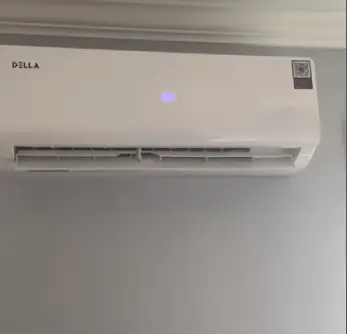
I did both installs myself with basic tools and online videos.
Senville’s instructions felt detailed and logical.
The lineset connections went smoothly, and vacuuming the system was straightforward.
Della’s kit included helpful extras that sped things up.
Both took me a full day each, but the learning curve is similar.
If you are not comfortable with electrical or refrigerant handling, hire a pro— it protects your warranty and ensures safety.
I found pre-charged linesets made the process much easier on both brands.
Performance In Real Life
In my tests, both units cooled my spaces quickly on hot days. Senville maintained steadier temperatures with less cycling.
Della responded fast to app commands and kept humidity in check nicely. Noise-wise, I could sleep comfortably near either unit.
Energy use favored Senville slightly on my meter readings. For a garage workshop, Senville handled dust and temperature swings better.
In a finished office, Della’s smart features won me over for convenience.
Maintenance And Longevity
Regular filter cleaning is key for both. I clean mine monthly during heavy use. Senville seems to tolerate minor neglect a bit better based on what I observed.
Della benefits hugely from consistent care. Many owners report 7-10+ years of service from both with proper setup.
Your climate, installation quality, and maintenance routine matter more than the brand name alone. I plan annual professional checks to maximize life.
Cost Breakdown: Upfront AND Over Time
Della often saves you several hundred dollars initially. Senville might cost more but can recoup through efficiency.
Factor in potential electricity savings, warranty claims, and repairs. In my case, the slightly higher Senville investment feels worthwhile for the performance edge.
Calculate your local energy rates and expected usage for a true picture.
Who Should Choose Senville?
If you want stronger efficiency, better cold weather performance, and are willing to invest a bit more, go Senville.
It suits homeowners planning long-term use in varied climates or those with larger spaces.
I recommend it for primary living areas where quiet and consistent comfort matter most.
Who Should Choose Della?
Pick Della if budget is your top concern and you want smart features without extra cost.
It works great for supplemental cooling/heating, garages, or rentals.
The app control and value make it ideal for tech-savvy users who prioritize convenience and affordability.
Also Read: Is Vital Breeze Air Conditioner Worth It?
Frequently Asked Questions (FAQ)
Yes, Della offers solid performance and features at a great price. It is a good choice for budget buyers who want reliable cooling and heating with smart options.
Premium brands like Mitsubishi top reliability lists, but among affordable options, Senville often earns strong marks for consistent performance and support.
Senville designs and distributes its systems, with manufacturing ties to established partners like Midea, focusing on quality for the North American market.
With proper installation and maintenance, expect 5-10 years or more. Regular care significantly extends its lifespan.
My Final Recommendation
After months with both, I lean toward Senville for most people because of the efficiency and reliability balance.
But Della is fantastic if you want to spend less while still getting capable performance. Consider your specific room size, climate, and budget.
Measure your space, check BTU needs, and read recent model specs. Either choice beats window units or portable ACs in comfort and efficiency.
You do not need to overspend on premium brands if these fit your needs. I am glad I chose both for different areas—they each have their strengths.
Recent Posts
● Interactive 5-Zone Interior & Exterior Paint Blueprint Paint Coverage Calculator: Gallons, Primer, Square Footage & Cost Tap any architectural surface zone on the blueprint...
If you want smooth, shiny hair without spending a fortune on a premium styling tool, the Ella Bella hair dryer may be worth considering.In these Ella Bella hair dryer reviews, I’ll look...