
If you want an olive oil that feels flavorful enough for finishing dishes but practical enough for everyday cooking, I think Atlas Olive Oil is worth considering.
I especially like it for people who appreciate fruity, slightly peppery extra virgin olive oil without wanting an overly complicated product.
After using it in different kitchen situations, I found that its flavor, versatility, and presentation make it stand out.
If you are looking for a premium Moroccan olive oil for salads, dipping, roasting, and everyday meals, I would recommend giving Atlas Olive Oil a try.
My First Experience With Atlas Olive Oil
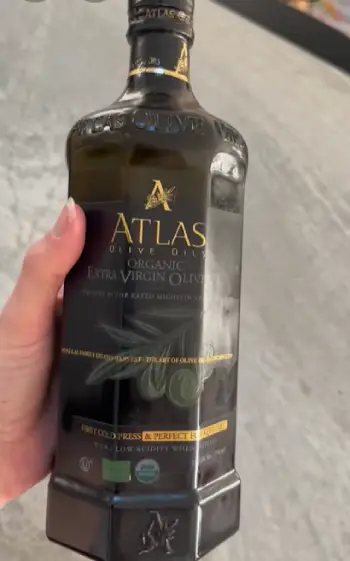
The first thing I noticed about Atlas Olive Oil was that it did not taste like a completely neutral cooking oil. I could immediately tell that there was more character behind it.
I tasted a small amount on its own, I picked up a pleasant fruity quality followed by a mild peppery sensation.
That peppery finish was especially interesting to me. It was noticeable without being so aggressive that I wanted to stop using the oil.
If you enjoy extra virgin olive oil with some personality, you will probably appreciate that characteristic.
I started by using it in simple ways because that is where I think olive oil really proves itself.
I drizzled it over a fresh salad, used it with bread, and added it to roasted vegetables. I also used it while preparing several everyday meals.
What I liked most was how easily it moved between different uses. It could add flavor when I used it as a finishing oil, but it was also practical enough for regular cooking.
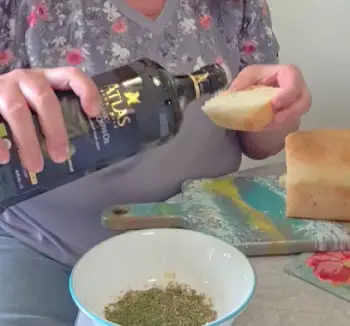
The bread-and-olive-oil test was probably my favorite. When you taste olive oil without a complicated recipe covering up its flavor, you get a better idea of what you actually bought. Atlas had a smooth initial taste with a fruity character and a gentle peppery finish.
I also noticed that a little could go a fairly long way when I was using it as a finishing drizzle. Instead of pouring heavily over a dish, I could use a modest amount and still notice the flavor.
Another thing I appreciated was the overall premium feel. The packaging gives it more of a specialty-food appearance than a basic bottle of cooking oil. That matters if you keep olive oil on the counter or want something presentable for serving guests.
At the same time, I would not describe it as an oil that completely transforms every meal. If you use it in a strongly seasoned dish, the difference can become less obvious. For me, Atlas performed best when I allowed its natural flavor to remain noticeable.
Overall, my experience was positive. I found it flavorful, versatile, and enjoyable enough to use regularly rather than keeping it around only for special occasions.
What Is Atlas Olive Oil?
Atlas Olive Oil is associated with Morocco and is produced from olives grown in the Moroccan region. The brand is particularly known for highlighting the country’s olive-growing heritage and producing extra virgin olive oil with a distinctive Mediterranean-style flavor profile.
For me, the Moroccan origin is part of what makes the oil interesting. Olive oil is often associated with countries such as Italy, Greece, and Spain, but Morocco has a long history of olive cultivation as well.
Atlas positions itself around quality, freshness, and the characteristics of Moroccan-grown olives. Those qualities matter because olive oil is not simply about having a bottle labeled “olive oil.” The variety of olives, growing conditions, harvesting practices, processing, storage, and freshness can all influence the final taste.
When I compare Atlas with ordinary cooking oils, the biggest difference I notice is flavor. A quality extra virgin olive oil can become part of the dish rather than simply acting as a cooking medium.
Pros Of Atlas Olive Oil
- Distinctive Fruity Flavor
The first major advantage for me is the flavor.
Atlas has a fruity quality that makes it more enjoyable than an extremely neutral oil. When I use it as a dressing or finishing oil, I can actually taste the olive character.
That makes a difference when you are preparing simple foods. A salad with fresh vegetables, salt, lemon, and olive oil does not have many ingredients to hide behind. The oil needs to contribute something.
- Pleasant Peppery Finish
I also like the gentle peppery finish.
That slight bite gives the oil some energy. It prevents the flavor from feeling flat and makes it particularly enjoyable with bread, tomatoes, greens, and grilled foods.
If you have never tried an olive oil with a peppery finish, I think it is worth experiencing because it can make a basic meal feel more interesting.
- Versatile Kitchen Use
I don’t want an olive oil that only works for one purpose.
Atlas can be used in dressings, marinades, roasting, sautéing, dipping, and finishing. That flexibility makes it easier to justify keeping a bottle in the kitchen.
For me, versatility is one of the strongest reasons to buy a premium ingredient. If I can use it several times a week, I get much more value from it.
- Moroccan Origin Adds Character
Another positive is its Moroccan identity.
Morocco has an established olive-growing tradition, and using an oil from a less commonly discussed olive-producing region can make the experience more interesting.
I enjoy trying foods from different regions, and Atlas gives me an opportunity to experience a style of olive oil that feels different from the standard supermarket choices I might otherwise grab.
- Good for Simple Meals
Atlas works especially well when you want the oil itself to contribute to the meal.
I can drizzle it over roasted vegetables, use it with bread, or add it to a basic salad without needing a complicated recipe.
That makes it useful for quick lunches and weeknight dinners when I want something flavorful without spending much extra time in the kitchen.
- Premium Presentation
The presentation also gives Atlas a more upscale feel.
If you are serving bread and olive oil to guests, presentation matters. A well-presented bottle looks more appropriate on the table than an ordinary plastic cooking-oil container.
This is a small detail, but I appreciate products that look as good as they perform.
- Works Well as a Finishing Oil
I particularly like Atlas when I use it at the end of cooking.
A drizzle over soup, roasted vegetables, grilled food, pasta, or salad lets the flavor remain more noticeable.
For me, this is where the fruity and peppery characteristics are most enjoyable.
Cons Of Atlas Olive Oil
- The Flavor May Be Too Noticeable for Some People
The same flavor that I consider an advantage may be a drawback for someone who prefers mild oil.
If you normally use a very neutral cooking oil, Atlas may seem stronger at first. The fruity notes and peppery finish are part of its character, so I would not choose it specifically if your goal is almost no flavor.
- Premium Oil Can Cost More
Another consideration is price.
A specialty extra virgin olive oil can cost more than basic cooking oils. Whether that difference makes sense depends on how you use it.
I think it makes more sense if you actually enjoy tasting the oil and use it frequently as a dressing or finishing ingredient.
If you mainly need an inexpensive oil for large-volume cooking, you may not see the same value.
- Storage Requires Attention
Like other quality olive oils, Atlas should not simply be treated as an indestructible pantry staple.
Heat, light, air, and prolonged storage can affect olive oil quality. That means I pay attention to where I keep the bottle.
If you buy a premium oil and leave it next to a hot stove for months, you are not giving it the best chance to maintain its original qualities.
Maintenance Tips For Atlas Olive Oil
- Keep the Bottle Away From Heat
This is one of the biggest things I pay attention to.
I avoid storing olive oil directly beside the stove, oven, or another consistently warm appliance. It may seem convenient, but repeated exposure to heat is not ideal for maintaining quality.
I prefer a cool kitchen cabinet or pantry.
- Protect It From Strong Light
Light can also affect olive oil over time.
For that reason, I keep the bottle away from direct sunlight. If you have a bright kitchen counter, a closed cabinet is generally a better storage location.
This is particularly important with premium oils because you are paying for the quality and flavor in the bottle.
- Close the Cap Properly
I always make sure the bottle is closed tightly after pouring.
You might think leaving the cap slightly loose is harmless, but exposure to air is something I try to minimize. I make it a simple habit: pour, wipe the opening if necessary, and close the bottle.
- Avoid Buying More Than You Can Use
I learned that buying a huge bottle is not always the smartest option.
If you only use olive oil occasionally, choose a quantity you can reasonably finish while it is still fresh. Buying more because the price per ounce looks attractive does not help if the bottle sits around for a very long time.
I would rather buy an amount that fits my actual cooking habits.
- Don’t Store It in the Refrigerator Unless Necessary
Refrigeration can cause olive oil to become cloudy or solidify temporarily. That does not necessarily mean the oil has gone bad, but it can make everyday use inconvenient.
For normal household storage, I prefer a cool, dark pantry or cabinet.
- Keep the Bottle Clean
I also wipe away oil around the opening after pouring.
This keeps the bottle cleaner and prevents the cap and neck from becoming sticky. It is a tiny habit, but it makes the bottle much more pleasant to handle.
- Use a Clean Pouring Habit
When I use olive oil for bread dipping or salads, I avoid allowing food particles or moisture to get back into the bottle.
I pour what I need into a separate small dish instead. That keeps the main bottle cleaner and makes storage easier.
- Check the Aroma and Taste
If a bottle has been sitting around for a while, I like to smell and taste a small amount before using a lot of it.
Fresh olive oil should have an appealing aroma and flavor. If something smells distinctly stale, waxy, or unpleasant, I would rather replace it than try to force myself to finish the bottle.
- Atlas Olive Oil for Salads
Salads are one of my favorite ways to use Atlas.
You can keep things incredibly simple. I like combining fresh greens, tomatoes, cucumber, a little salt, lemon juice, and olive oil.
The oil becomes an important part of the dressing instead of simply providing moisture.
If you are preparing a salad with strong ingredients such as blue cheese, olives, or heavily seasoned meats, the olive oil may become less noticeable. But with simple vegetables, its character has more room to show.
- Atlas Olive Oil for Bread Dipping
Bread dipping is another easy test.
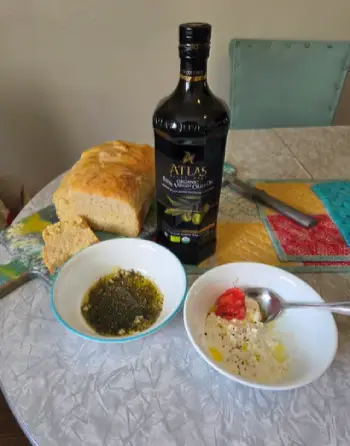
I like pouring a small amount into a shallow dish and pairing it with fresh bread. You can add herbs, garlic, pepper, or a little balsamic-style condiment if you want additional flavor.
This is also one of the easiest ways to appreciate the oil itself because there are very few other ingredients competing with it.
- Atlas Olive Oil for Roasting
Roasted vegetables and olive oil are a natural combination.
I like tossing vegetables lightly with oil before roasting, then adding another small drizzle after cooking when I want more of the fresh olive flavor.
Potatoes, carrots, zucchini, peppers, onions, and cauliflower all work well with this approach.
The key for me is moderation. You don’t need to soak the vegetables. A light coating is usually enough.
Comparison Of Atlas Olive Oil With Other Brands
- Atlas vs. Italian Olive Oils
Italian olive oils can offer an enormous range of flavors because different regions and olive varieties produce different characteristics.
Atlas gives me a chance to explore a Moroccan profile rather than automatically choosing an Italian bottle.
If you already enjoy Italian extra virgin olive oils, Atlas can be an interesting alternative when you want something with a different regional identity.
- Atlas vs. Spanish Olive Oils
Spanish olive oil is another major category, and Spanish oils can range from delicate to intensely fruity and peppery.
I find Atlas appealing when I want a Moroccan option rather than another familiar European choice.
The important point is that country alone does not determine whether an olive oil will suit you. Olive variety, harvest, processing, freshness, and personal taste all matter.
- Atlas vs. Greek Olive Oils
Greek olive oils are often appreciated for their robust character and strong olive flavor.
Atlas can offer a similarly interesting experience while bringing a different regional identity to the table.
For me, the choice comes down to the flavor profile I want that day rather than simply choosing a country based on reputation.
- Atlas vs. Generic Supermarket Olive Oil
This is where I notice the most meaningful difference.
A generic olive oil may be perfectly useful for everyday cooking, but Atlas feels more like an ingredient I can deliberately taste.
If you are only using oil to prevent food from sticking, the difference may not matter much. But if you enjoy drizzling olive oil over finished food, making dressings, or dipping bread, a flavorful extra virgin olive oil can provide a more noticeable experience.
Is Atlas Olive Oil Worth Buying?
For me, Atlas makes sense when you want more than a basic cooking oil.
I like its fruity character, peppery finish, versatility, and Moroccan identity. It is particularly appealing if you enjoy using olive oil as part of the finished dish rather than treating it as an invisible ingredient.
I would think twice if your only priority is finding the cheapest possible oil for high-volume cooking. In that situation, paying more for a specialty bottle may not provide enough additional value.
But if you enjoy salads, bread dipping, roasted vegetables, marinades, and simple Mediterranean-inspired meals, Atlas fits naturally into that style of cooking.
Who Should Consider Atlas Olive Oil?
I think Atlas is a good match for someone who enjoys flavorful extra virgin olive oil and wants to experiment beyond the most familiar olive-producing countries.
It is also useful for home cooks who want one bottle that can handle several jobs.
If you enjoy making homemade salad dressings, preparing roasted vegetables, dipping bread, or finishing cooked meals with a drizzle of oil, you have plenty of opportunities to use it.
I would also consider it for someone who enjoys food as an experience. When you care about aroma, texture, freshness, and subtle differences between ingredients, an oil like Atlas becomes more interesting.
Who May Want Something Else?
If you want an almost completely neutral oil, Atlas may not be the right match.
Likewise, if your primary concern is keeping grocery costs as low as possible, a premium extra virgin olive oil may not be necessary.
And if you rarely cook with olive oil, there may be little reason to pay extra for a specialty bottle.
Your cooking habits should ultimately determine whether the product makes sense for you.
Also Read: Is Magic Luxury Body Oil Worth It?
Frequently Asked Questions (FAQ)
There is no single best brand for everyone. The right choice depends on flavor preference, freshness, intended use, budget, and how much you value regional or production characteristics.
Atlas Olive Oil is associated with Morocco and is made from Moroccan-grown olives.
There is no consistently documented, authoritative source establishing one specific olive oil as Oprah Winfrey’s permanent favorite.
Gordon Ramsay has been associated with various olive oils in cooking demonstrations and recipes, but there is not a single universally documented brand that can reliably be described as his exclusive olive oil choice.
Final Verdict
After using Atlas in salads, dipping, roasting, and everyday cooking, I found it to be a flavorful and versatile olive oil with a distinctive Moroccan character.
I particularly enjoyed its fruity notes and gentle peppery finish. It may cost more than basic cooking oils, but I think the difference makes more sense when you actually use olive oil as a flavor ingredient.
If you want a premium Moroccan extra virgin olive oil for everyday meals and finishing dishes, I would recommend buying Atlas Olive Oil and giving it a place in your kitchen.
Recent Posts
● Interactive 5-Zone Interior & Exterior Paint Blueprint Paint Coverage Calculator: Gallons, Primer, Square Footage & Cost Tap any architectural surface zone on the blueprint...
If you want smooth, shiny hair without spending a fortune on a premium styling tool, the Ella Bella hair dryer may be worth considering.In these Ella Bella hair dryer reviews, I’ll look...