
I spent weeks comparing Atlas shingles and Owens Corning options for my own roof replacement, weighing real performance, cost, and long-term value so you can decide which brand fits your home and climate best without the usual sales hype.
| Feature | Atlas Shingles | Owens Corning Shingles |
| Flagship Product | Pinnacle Pristine / StormMaster | Duration / Duration Storm / Duration FLEX |
| Typical Installed Cost (2,000 sq ft) | $12,000–$16,000 (Pinnacle); $16,000–$22,000 (StormMaster) | $13,000–$17,000 (Duration); $17,000–$23,000 (Duration Storm) |
| Wind Rating | Up to 130 mph (150 mph on select StormMaster/HP42) | Up to 130 mph (higher claims on some Duration lines with proper install) |
| Impact Rating | Class 3 (Pinnacle); Class 4 (StormMaster) | Class 3 (Duration); Class 4 (Duration Storm/FLEX) |
| Algae Resistance | Scotchgard Protector (often lifetime on qualifying products) | StreakGuard (typically 10–25 years) |
| Key Technology | Sweet Spot nailing area, HP42, polymer-modified asphalt, Core4 | SureNail fabric strip, TruDefinition color, SBS options in FLEX |
| Warranty | Lifetime limited; non-prorated 10–15 years typical | Lifetime limited; multi-tier system with stronger labor coverage via certified installers |
| Best For | Hail-prone areas, algae control, value | Wind resistance, color vibrancy, cold-weather sealing, brand recognition |
My First Experience With Both Brands
When I first started looking at new shingles, the choice between Atlas and Owens Corning felt overwhelming.
Both sit in the premium asphalt architectural category and both promise decades of protection.
After talking with contractors, reading product specs, and comparing real-world feedback from homeowners in different climates, I settled on a clear picture of where each brand shines and where the trade-offs sit.
Key Differences Between Atlas And Owens Corning Shingles
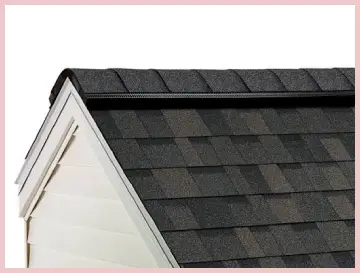
- Nailing and wind performance: Owens Corning relies on its SureNail fabric strip that creates a wide reinforced zone for accurate nailing and stronger uplift resistance.
Atlas uses a wider Sweet Spot area plus double sealant on some lines, and both deliver solid 130 mph ratings on main products.
- Algae resistance and appearance longevity: Atlas pairs with 3M for Scotchgard Protector that embeds copper granules and often carries lifetime algae coverage on single-family homes.
Owens Corning uses StreakGuard with typical coverage of 10 to 25 years depending on the system warranty chosen.
- Impact and flexibility: Atlas StormMaster lines feature polymer-modified asphalt that flexes under hail rather than cracking and earns Class 4 ratings.
Owens Corning matches Class 4 with Duration Storm and Duration FLEX while adding better cold-weather sealing on the FLEX version.
- Color technology and curb appeal: Owens Corning TruDefinition blends produce deeper and more vibrant color contrast that many homeowners prefer for stronger street appeal.
Atlas delivers solid architectural looks with good shadow lines but generally less visual richness in side-by-side views.
- Price and availability: Atlas products usually cost a few hundred to a thousand dollars less on a full comparable roof.
Owens Corning offers stronger brand recognition and a larger network of certified installers that can simplify warranty upgrades and future material access.
- Warranty structure: Both provide lifetime limited material warranties with an initial non-prorated period.
Owens Corning adds more extensive system and workmanship coverage when preferred or platinum contractors install multiple components.
Key Features Of Atlas Shingles
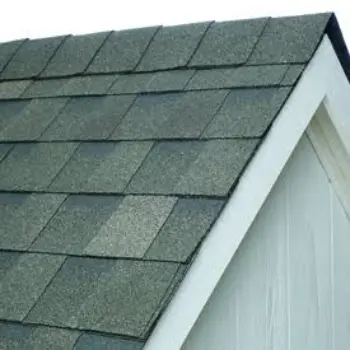
- Scotchgard Protector technology: This 3M copper granule system fights algae growth that causes black streaks.
It often includes lifetime algae resistance coverage for single-family homes.
The protection helps roofs stay cleaner for many years in humid climates.
- Sweet Spot and HP42 design: A wider nailing zone improves installation accuracy.
HP42 technology lengthens certain shingles.
This design reduces seams and speeds up coverage on the roof.
- Core4 and polymer-modified options: StormMaster products use rubberized asphalt.
The material stays flexible in cold weather.
It absorbs impact better for Class 4 ratings. Homeowners may also gain potential insurance discounts in hail areas.
- Solid architectural and designer looks: Pinnacle Pristine delivers the dimensional appearance most homeowners want.
StormMaster Shake and Slate options mimic traditional materials.
They keep practical asphalt performance at the same time.
- Competitive pricing and system approach: Atlas often undercuts larger brands on material cost.
The brand still offers lifetime limited warranties. Strong wind ratings come through its Signature Select system.
Pros Of Atlas Shingles
- Strong algae protection: The Scotchgard system keeps roofs looking cleaner longer in humid climates and reduces the need for frequent cleaning.
- Excellent impact resistance: StormMaster lines absorb hail energy well and can qualify for insurance discounts in storm-prone regions.
- Slightly lower installed cost: Comparable performance levels often come in several hundred to a thousand dollars less than similar Owens Corning packages.
- Good cold-weather flexibility: Polymer-modified asphalt seals and performs reliably during cooler installation windows and freeze-thaw cycles.
- Competitive lifetime warranties: Material coverage plus strong algae protection on many products gives solid long-term peace of mind.
- Consistent USA manufacturing: Contractors who use the brand regularly report reliable quality and fewer manufacturing defects.
Cons Of Atlas Shingles
- Smaller contractor network: Fewer certified installers in some regions can limit access to the highest warranty tiers and system packages.
- Less color vibrancy: The color range and depth trail Owens Corning TruDefinition blends for many homeowners seeking maximum curb appeal.
- Lower brand recognition: Some homebuyers recognize larger national names more readily which can affect resale perception in certain markets.
- Regional availability variation: Not every supply house carries the full Atlas lineup so material lead times can stretch in some areas.
- Standard impact ratings: Many core lines start at Class 3 and require stepping up to StormMaster for true Class 4 performance.
Key Features Of Owens Corning Shingles
- Scotchgard Protector technology: This 3M copper granule system fights algae growth. Black streaks form less often on the surface.
Lifetime algae resistance coverage applies on many products for single-family homes.
Roofs stay cleaner for longer periods in humid climates.
- Sweet Spot and HP42 design: A wider nailing zone improves installation accuracy. Installers place fasteners with greater consistency.
HP42 technology lengthens certain shingles.
The design reduces the number of seams. Coverage on the roof completes faster.
- Core4 and polymer-modified options: StormMaster products use rubberized asphalt. The material stays flexible in cold weather.
Impact energy absorbs more effectively.
Class 4 ratings become available. Homeowners may qualify for insurance discounts in hail-prone areas.
- Solid architectural and designer looks: Pinnacle Pristine delivers a dimensional appearance.
Most homeowners prefer this style for everyday use. StormMaster Shake options mimic traditional materials.
StormMaster Slate options create a similar classic look. Practical asphalt performance remains strong in both cases.
- Competitive pricing and system approach: Atlas often undercuts larger brands on material cost. Lifetime limited warranties stay in place.
Strong wind ratings remain available. The Signature Select system supports the full package for added protection.
Pros Of Owens Corning Shingles
- Superior nailing technology: The SureNail strip gives roofers a clear target and stronger mechanical grip that many prefer in high-wind regions.
- Excellent color depth: TruDefinition blends create richer contrast and more vibrant finishes that boost street appeal for most homes.
- Stronger system warranties: Certified installer programs add meaningful workmanship and labor coverage that can last decades when the full package is used.
- Proven multi-climate performance: Specialized lines handle impact, cold sealing, and wind with consistent real-world results across different regions.
- High brand recognition: The name supports resale value and gives many buyers extra confidence in the product choice.
- Class A fire and Energy Star options: Most architectural products meet top fire ratings and offer reflective surfaces that can modestly lower cooling costs.
Cons Of Owens Corning Shingles
- Higher typical cost: Material and installed prices usually run higher than equivalent Atlas packages for similar performance levels.
- Shorter algae warranties: StreakGuard coverage is generally limited to 10 or 25 years rather than the lifetime protection available on many Atlas products.
- Impact rating upgrades needed: Base architectural lines often start at Class 3 so Class 4 performance requires moving to Storm or FLEX versions.
- More warranty conditions: Higher-tier claims can involve stricter documentation and contractor certification requirements.
- Premium pricing pressure: The stronger aesthetics and technology come at a cost that not every budget can comfortably absorb.
Real-World Performance Considerations
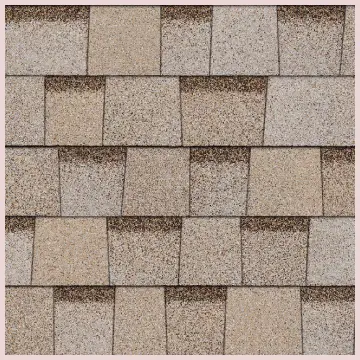
I looked at how these shingles behave after five, ten, and fifteen years in different regions. In humid southern climates, the longer algae protection on Atlas products keeps the roof looking newer longer.
In high-wind coastal or prairie areas, the SureNail grip on Owens Corning gives contractors more confidence during installation and storms.
Hail-heavy Midwest and Plains regions see both Class 4 options perform well, though the polymer flexibility in Atlas StormMaster gets frequent praise for reducing cracking.
Energy efficiency is comparable. Both offer Energy Star rated products that reflect more solar heat and can modestly lower cooling costs.
Fire ratings are Class A across the board on the architectural lines I considered. Realistic lifespan for either brand, when installed correctly with proper ventilation, falls in the 18-to-30-year range depending on climate severity and maintenance.
Installation quality remains the biggest variable. A careful crew using either brand will outperform a rushed crew using the “better” brand on paper. That is why I spent as much time vetting local contractors as I did reading product data sheets.
Cost And Value Over Time
Material prices fluctuate, but Atlas generally lands a bit lower. On a typical 2,000-square-foot roof the difference might run $500 to $1,500 before labor and system components.
Factor in potential insurance discounts for Class 4 impact ratings and the gap narrows or disappears.
Owens Corning’s stronger warranty tiers can offset higher upfront cost if a claim arises later and the installer is properly certified.
I also weighed resale impact. Some buyers recognize the Owens Corning name more readily.
Others care more about documented algae protection or impact ratings. Neither brand appears to hurt value when the roof is new and properly installed.
Which One Fits Different Situations
If algae staining is a frequent local problem and you want the longest possible coverage against black streaks, Atlas with Scotchgard makes strong sense.
If high winds are the dominant threat and you value a large network of certified installers plus richer color options, Owens Corning Duration lines pull ahead. For pure hail resistance on a tighter budget, Atlas StormMaster often delivers the better value.
In colder climates where sealing during cooler installation windows matters, both have answers, with Duration FLEX and Atlas polymer-modified products performing well.
I ultimately chose based on my specific climate priorities, the local contractor options available, and the total installed price including the full system. You should do the same rather than chasing a universal “winner.”
Frequently Asked Questions (FAQ)
It depends on your climate and priorities. Atlas edges out for algae resistance and value; Owens Corning leads on wind technology and color vibrancy. Both are high-quality when installed correctly.
Yes. They rank among the stronger mid-to-premium asphalt options with solid warranties, good impact performance, and competitive longevity.
Avoid no-name or ultra-cheap three-tab products with short warranties and minimal wind or impact ratings if you live in an area with storms, hail, or high humidity. Stick with established manufacturers and proper installation.
Atlas often wins on algae protection and impact flexibility; GAF offers broader color ranges and a larger contractor network. Performance is close; local availability and price usually decide.
Wrapping Up
After comparing Atlas and Owens Corning side by side for my own project, I came away convinced that both brands deliver reliable, long-lasting asphalt shingles capable of protecting a home for decades.
Atlas stands out with its Scotchgard algae defense, competitive pricing, and strong impact options. Owens Corning counters with SureNail wind performance, richer colors, and more extensive warranty tiers through certified installers. The right choice for you comes down to your local weather challenges, budget, preferred aesthetics, and the quality of the contractors available in your area.
Get multiple detailed bids that specify exact product lines, system components, and warranty registration, then pick the package that balances performance and total cost for your situation. You will end up with a solid roof either way if the installation is done right.
Recent Posts
I tried Meltoway Hair Dissolving Cream because I wanted a quick way to deal with unwanted body hair without reaching for a razor every few days. If you are looking for a convenient at-home...
If you’re considering a saffron-based supplement to support mood, appetite control, and everyday wellness, Happy Saffron Plus is worth considering.I like that it takes a familiar botanical...