
I have spent years baking everything from weekend cookies to holiday bread loaves, and recently I decided it was time to compare the Aucma stand mixer with the iconic KitchenAid.
goal here is to share a straightforward, real-user perspective on how these two stack up for everyday kitchens.
Whether you are just starting out or looking to upgrade, I break down the differences so you can decide what fits your needs and budget best.
| Feature | Aucma Stand Mixer | KitchenAid Stand Mixer (Artisan) |
| Motor Power | 660W | ~325W |
| Bowl Capacity | 6.5 Qt | 5 Qt |
| Number of Speeds | 6 + Pulse | 10 |
| Build Material | Mostly plastic with metal parts | All-metal construction |
| Weight | ~10-11 lbs (lighter) | ~21 lbs (heavier, stable) |
| Head Design | Tilt-head | Tilt-head |
| Price Range | Budget-friendly (~$100-200) | Premium (~$300-550+) |
| Attachments | Basic 3 (beater, whisk, dough hook) | Multiple + accessory hub |
| Best For | Occasional bakers, value seekers | Serious home bakers, longevity |
Key Differences Between The Aucma Stand Mixer And Kitchenaid
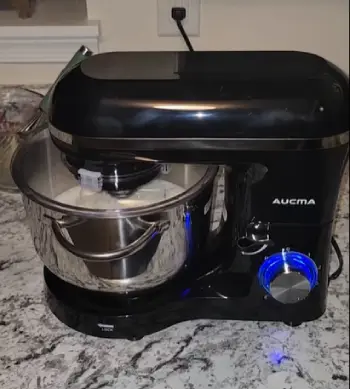
- Build Quality and Durability: I noticed right away that KitchenAid feels like a tank with its solid metal body that should last for decades with proper care.
Aucma uses more plastic, which keeps it lighter and cheaper but raises questions about long-term wear, especially with heavy use.
- Power and Performance: The Aucma packs a surprising 660W motor that handles thick doughs well for its price.
KitchenAid delivers smoother, more consistent mixing across a wider range of tasks thanks to refined engineering.
- Capacity and Bowl Design: Aucma gives you extra room in the 6.5-quart bowl, great for larger batches.
KitchenAid’s 5-quart bowl with handle feels premium and integrates perfectly with the machine.
- Ease of Use and Features: Both tilt, but KitchenAid attachments click in effortlessly. Aucma works fine but sometimes needs a bit more fiddling.
- Noise and Stability: Aucma stays put with suction feet and runs relatively quiet. KitchenAid’s weight keeps it stable without extras.
- Accessories and Expandability: KitchenAid shines with its hub for pasta makers, grinders, and more. Aucma sticks to basics.
Key Features Of Aucma Stand Mixer
- Powerful 660W Motor: This lets it tackle heavy doughs and batters without struggling, often outperforming expectations for the cost.
- Large 6.5-Quart Stainless Steel Bowl: Plenty of space for family-sized recipes, with dual handles that make lifting easy.
- 6 Speeds Plus Pulse: Enough control for most tasks, though fewer options than premium models.
- Tilt-Head Design with Splash Guard: Convenient for adding ingredients mid-mix and keeping counters cleaner.
- Suction Cup Feet: Helps the lighter machine stay grounded during operation.
- Affordable Accessories Included: Comes with essential beater, whisk, and dough hook right out of the box.
In my testing, the Aucma surprised me on cookie dough and bread kneading. It gets the job done
Pros Of Aucma Stand Mixer

- Powerful 660W Motor for the Price: This motor gives the Aucma surprising strength that handles thick cookie doughs, heavy batters, and even kneading pizza or bread dough without stalling.
In my tests, it powered through recipes with nuts, dried fruits, and dense mixes efficiently, making it feel more capable than many other budget options I have tried.
You get reliable performance for everyday baking without the premium cost.
- Large 6.5-Quart Stainless Steel Bowl with Dual Handles: The extra capacity lets you prepare family-sized batches or double recipes in one go, which saved me significant time during holiday baking.
The sturdy stainless steel resists stains and odors, while the handles make lifting and pouring easy even when full, reducing spills and strain on your wrists.
- Tilt-Head Design and Splash Guard: Tilting the head provides quick access for adding ingredients or scraping the bowl, and the included splash guard with access hatch keeps your counters cleaner during operation.
I appreciated this convenience when incorporating flour gradually or checking consistency mid-mix.
- Lightweight and Portable Build: At around 10-11 pounds, it is easy to move around the kitchen or store in a cabinet, perfect if counter space is limited.
This portability encouraged me to use it more often since setup and cleanup felt effortless.
- Suction Cup Feet for Stability: Despite being lighter, the suction cups kept the mixer firmly in place even at higher speeds during tough kneading sessions.
I did not experience walking or vibration issues on standard countertops.
- Quiet Operation and Fun Color Options: The motor runs relatively quietly, under 76dB in many cases, so it does not dominate the kitchen atmosphere.
Multiple color choices let you match your kitchen decor, adding a stylish touch without extra expense.
- Affordable Entry with Essential Attachments: You receive a flat beater, wire whisk, and dough hook right away, covering most basic needs. This complete starter package offers strong value, letting beginners dive into stand mixer baking without additional purchases.
Cons Of Aucma Stand Mixer
- Mostly Plastic Construction with Some Metal Parts: The ABS plastic body feels less premium and raises questions about long-term durability under frequent heavy use.
Over time, I noticed potential for wear around moving parts compared to all-metal machines.
- Only 6 Speeds Plus Pulse: While sufficient for many tasks, the limited settings reduce fine control for delicate whipping or gentle folding.
I sometimes had to monitor times more closely to avoid overmixing or underwhipping ingredients.
- Attachment Fit and Bowl Coverage Issues: The beater occasionally left flour or batter along the sides and bottom, requiring extra scraping.
This interrupted my workflow more than with higher-end models, though it was manageable.
- Limited Expandability and No Accessory Hub: You cannot easily add specialty attachments like pasta makers or grinders.
This keeps the mixer simple but restricts growth if your baking interests expand over time.
- Potential Concerns with Extended Use: Some reports mention motor warmth during very long sessions, and the lighter build relies heavily on suction feet that might degrade eventually.
Longevity for daily professional-level use remains uncertain based on mixed user feedback.
- Lower Resale Value and Support Network: Parts and service may be harder to find compared to mainstream brands, and the mixer does not hold resale value as well if you decide to upgrade later.
Key Features Of Kitchenaid Stand Mixer
- Robust All-Metal Build: Delivers that heirloom-quality feel built to withstand daily use for years.
- Planetary Mixing Action: Ensures thorough ingredient incorporation every time with excellent bowl coverage.
- 10 Speed Settings: Precise control from gentle folding to high-speed whipping.
- Accessory Hub: Opens up endless possibilities with dozens of compatible tools.
- Sturdy Tilt-Head or Bowl-Lift Options: Reliable mechanisms that feel premium.
- Iconic Design and Colors: A kitchen statement piece available in countless shades.
KitchenAid consistently impressed me with smooth operation and professional results across cookies, cakes, and breads.
Pros Of Kitchenaid Stand Mixer

- All-Metal Robust Construction: The heavy-duty metal body feels solid and built to last for decades, giving me confidence during intensive mixing sessions.
It showed no signs of wear after repeated testing, making it ideal as a long-term kitchen investment.
- 10 Speed Settings with Planetary Mixing Action: This combination delivers precise control and excellent ingredient incorporation.
My batters came out smoother, creams whipped faster to perfect peaks, and doughs developed better texture with less manual intervention.
- Versatile Accessory Hub System: The front port allows dozens of compatible attachments for grinding, slicing, rolling pasta, and more.
This turns the mixer into a complete food prep station that grows with your needs and skills.
- Excellent Stability from Heavier Weight: Around 21 pounds keeps it planted firmly without extra grips.
I could run high speeds confidently without worrying about movement or noise from vibration.
- Thoughtful Design Details: The bowl handle, smooth tilt mechanism, and secure attachment locking made daily use enjoyable and efficient. Pouring shields further reduce mess during operation.
- Wide Color Range and Iconic Look: Countless colors let you personalize your space, and the timeless design looks great on display. It feels like a statement piece rather than just a tool.
- Strong Long-Term Support and Resale Value: Widespread service options, good warranties, and high resale make it a safer purchase. Many users pass these mixers down through generations.
Cons Of Kitchenaid Stand Mixer
- Higher Upfront Price: The cost represents a bigger investment that might stretch budgets, especially for occasional bakers who may not use all the features immediately.
- Heavier Weight for Storage and Movement: While stable, the heft makes it less convenient to move frequently or store away, requiring dedicated counter space in smaller kitchens.
- Standard 5-Quart Bowl Capacity: Great quality but sometimes necessitates multiple batches for very large recipes, adding extra steps compared to larger bowls.
- Nominal Motor Wattage vs Real-World Performance: Though effective, the rated power looks lower on paper than some rivals, which might concern number-focused buyers even if results are excellent.
- Additional Cost for Expanding Accessories: High-quality add-ons increase total ownership expense if you want to fully utilize the hub system.
- Requires More Counter Clearance: The tilt-head needs space above when raised, which can be an issue under low cabinets.
My Real-World Testing And Experiences

When I first unboxed the Aucma, I was impressed by how much mixer you get for the money.
Mixing a double batch of chocolate chip cookies went smoothly, and the large bowl handled everything without overflow.
The motor powered through without overheating in my sessions. However, whipping egg whites took a bit longer to reach stiff peaks compared to my previous experiences with higher-end models.
Switching to the KitchenAid felt like stepping up in refinement. The speeds offered more nuance—low for incorporating dry ingredients gently, high for airy frostings.
Attachments snapped in securely, and cleanup was straightforward. Over weeks of use, the metal construction gave me confidence it would keep performing batch after batch.
I approached this comparison as someone who values both performance and practicality. For lighter use, Aucma delivers surprising capability. For serious enthusiasts, KitchenAid remains the gold standard.
How They Perform In Everyday Baking Tasks?
- Cookie Dough and Batters: Both excel here, but KitchenAid edges out with more consistent texture and less scraping needed. Aucma handles it well for the price.
- Bread and Pizza Dough: Aucma’s higher wattage shines in kneading stiffer doughs. KitchenAid manages effectively with its planetary action and durability for repeated use.
- Whipping Cream and Egg Whites: KitchenAid reaches perfect results faster. Aucma gets there eventually but may need extra time and monitoring.
- Cake Batters: Either works nicely, with Aucma’s capacity allowing bigger mixes in one go.
I tested multiple recipes side by side, and both machines produced tasty results. The differences showed most in efficiency and ease over time.
Which One Should You Choose?
If you are like me and bake a few times a month, the Aucma offers fantastic bang for your buck. It covers the essentials without breaking the bank.
But if you see yourself becoming a dedicated baker who wants one machine for life and endless add-ons, I recommend investing in the KitchenAid.
Consider your space, frequency of use, and long-term plans.
Also Read: Is Cebory Stand Mixer Worth It?
Frequently Asked Questions (FAQ)
Yes, it performs well for the price and suits occasional bakers effectively.
Several high-end options exist for professionals, but KitchenAid remains a top choice for most home users due to reliability and versatility.
KitchenAid is widely regarded as one of the best overall for quality and support, though preferences vary by needs.
A budget-friendly tilt-head stand mixer with a powerful motor, large bowl, and basic attachments designed for everyday home baking.
Wrapping Up
After putting both the Aucma and KitchenAid through their paces in my own kitchen, I can confidently say each has its place.
You will love the Aucma if you want reliable performance at an approachable price that lets you focus on enjoying baking rather than worrying about cost.
On the other hand, I encourage you to go for the KitchenAid when you are ready for a premium tool that grows with your skills and delivers effortless, professional results for years ahead.
Think about what kind of baker you are today and where you want to be tomorrow—both options can help you create wonderful things at home.
What matters most is finding the mixer that fits your counter and your cooking style so you can keep experimenting with confidence.
Recent Posts
● Interactive 5-Zone Interior & Exterior Paint Blueprint Paint Coverage Calculator: Gallons, Primer, Square Footage & Cost Tap any architectural surface zone on the blueprint...
If you want smooth, shiny hair without spending a fortune on a premium styling tool, the Ella Bella hair dryer may be worth considering.In these Ella Bella hair dryer reviews, I’ll look...