
I spent weeks comparing Avalon and Primo water dispensers in my own kitchen and small office setup, testing daily use, bottle changes, temperature consistency, and long-term reliability.
My goal here is to give you a clear, practical breakdown so you can decide which one fits your home or workspace without wasting money or dealing with daily frustration.
| Feature | Avalon | Primo |
| Loading Type | Primarily bottom-loading (popular models) | Top-loading and bottom-loading options |
| Temperature Options | Hot, cold, room temperature (most models) | Hot and cold (some with room temp) |
| Bottle Capacity | 3 or 5 gallons | 3 or 5 gallons |
| Child Safety Lock | Yes, on hot water | Yes, on hot water |
| Night Light | Yes | Yes |
| Self-Cleaning | Available on select models (ozone) | Rarely featured |
| Build Materials | Stainless steel accents, plastic components | Stainless steel and plastic |
| Energy Efficiency | Energy Star certified on many | Varies by model |
| Typical Price Range | Mid-range, often $150–$250 | Budget to mid-range, often $130–$220 |
| Warranty | Usually 1 year | Usually 1 year |
| Extra Features | Empty bottle indicator, drip tray float | Some models with larger hot tanks or coffee integration |
My Real Experience Setting Up Both Dispensers
When I first brought the Avalon bottom-loading unit into my kitchen, the setup felt straightforward.
I slid a five-gallon bottle into the lower cabinet, plugged it in, and waited for the compressor and heater to kick in.
Within a couple of hours I had cold water around the mid-40s Fahrenheit and hot water hot enough for tea.
The Primo bottom-loading model I tested next followed a similar path, though its hot tank seemed to recover a bit faster when I poured several cups in a row. Both units sit freestanding and need only a standard outlet.
The main physical difference I noticed right away was how the Avalon hid the bottle more cleanly behind a door that felt sturdier, while the Primo offered a slightly wider footprint on some models.
I treated both like real daily drivers. Morning coffee and tea, afternoon cold glasses for kids, evening water bottles filled for the next day.
That real-user rhythm showed me strengths and weak spots that specs alone never capture.
Key Differences Between Avalon And Primo
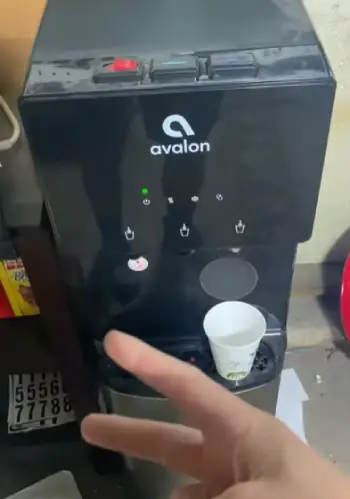
- Loading Design and Daily Convenience: Avalon focuses heavily on bottom-loading cabinets that let you roll or slide the heavy bottle in at floor level.
Primo offers both top-loading and bottom-loading choices. Top-loading is cheaper but forces you to lift and invert a forty-pound jug.
Bottom-loading on either brand removes that strain, yet Avalon’s cabinet door and internal guides felt smoother in my tests when swapping bottles every few days.
- Temperature Range and Consistency: Most Avalon models give you three clear options: piping hot near 185°F, crisp cold near 47°F, and unheated room temperature.
Primo units commonly stick to hot and cold, with room temperature appearing on fewer models.
In my kitchen the Avalon cold water stayed more consistent during heavy afternoon use, while the Primo hot water recovered quicker after back-to-back pours.
- Build Quality and Materials: Both use stainless steel accents mixed with plastic.
Avalon’s exterior often looks sleeker and hides fingerprints better.
Primo’s drip trays on some models are stainless and feel more durable when you pull them out for washing.
Neither is completely silent, but the Avalon compressor in my unit settled into a quieter hum after the first week.
- Extra Convenience Features: Avalon frequently includes an empty-bottle light and a float in the drip tray so you know when to empty it.
Select Avalon models add an ozone self-cleaning cycle that runs automatically.
Primo leans on simple indicator lights and, on certain higher-end units, a larger hot tank or even a built-in single-serve coffee station.
Those extras matter if you want one appliance to handle more than just water.
- Price and Long-Term Value: Primo often starts lower, making it easier on a tight budget.
Avalon sits a bit higher yet tends to include more temperature choices and efficiency certifications.
Over a year of ownership the difference in electricity use and filter or cleaning costs can even out depending on how many people use the unit daily.
Key Features Of Avalon Water Dispensers

- Bottom-Loading Cabinet: The lower compartment holds a three- or five-gallon bottle out of sight.
You open the door, place the bottle upright, and the pump draws water upward.
This design cuts the risk of spills and back strain that top-loaders create.
- Three Temperature Settings: Hot water reaches roughly 185°F, cold lands near 47°F, and room temperature sits in the middle.
Separate buttons or paddles let you choose without mixing temperatures.
- Child Safety Lock: The hot-water spout requires an extra press or slide before it releases.
I left the lock engaged most of the time with kids in the house and never had an accidental burn scare.
- Night Light and Empty-Bottle Indicator: A soft light near the spouts helps at night.
A separate light or icon tells you when the bottle is empty so you are not left with a dry pour mid-morning.
- Energy Star Certification and Stainless Accents: Many Avalon units meet Energy Star standards, keeping power draw reasonable.
The stainless faceplate resists rust and looks clean against most kitchen cabinets.
Self-Cleaning Option on Select Models: Ozone sanitation cycles reduce the need for frequent deep cleaning of the internal lines.
I ran the cycle monthly and noticed fewer odd tastes over time.
Pros Of Avalon Water Dispensers
- Effortless Bottle Changes: Sliding a full jug into the bottom cabinet takes seconds and keeps the unit looking neat. After a month of use I stopped dreading refill day.
- Versatile Temperature Choices: Having room-temperature water available meant I could fill bottles for kids without waiting for the cold tank or risking a too-hot pour. Tea and instant oatmeal came out at the right heat every time.
- Clean Modern Look: The stainless and black finish blends with most kitchens and offices. Guests often asked where I bought it before noticing it was a water dispenser.
- Helpful Indicators and Safety: Empty-bottle alerts and the child lock removed two common worries. The night light made late-night water grabs safer.
- Energy Efficiency: Energy Star models kept my electricity bill from jumping even with the unit running continuously.
- Self-Cleaning Convenience: On the models that include ozone, the automatic cycle reduced the plastic or musty taste that can appear after weeks of normal use.
Cons Of Avalon Water Dispensers
- Cold Water Can Feel Mild: Some users, including me on high-demand days, found the cold setting closer to cool than ice-cold. A short fridge chill fixed it when I needed colder water.
- Occasional Longevity Questions: A few owners report the pump or cold system slowing after one or two years. My unit stayed strong past the first year, but the pattern exists in broader feedback.
- Plastic Drip Tray on Many Models: While dishwasher-safe, the plastic tray scratches easier than stainless versions and needs more frequent emptying if you overfill glasses.
- Higher Upfront Cost on Feature-Rich Units: The self-cleaning and tri-temp models sit above basic competitors, so budget shoppers may pause.
- Noise During Initial Cool-Down: The compressor is noticeable for the first hour after plugging in or after a long idle period. Once settled it fades into background sound.
Key Features Of Primo Water Dispensers
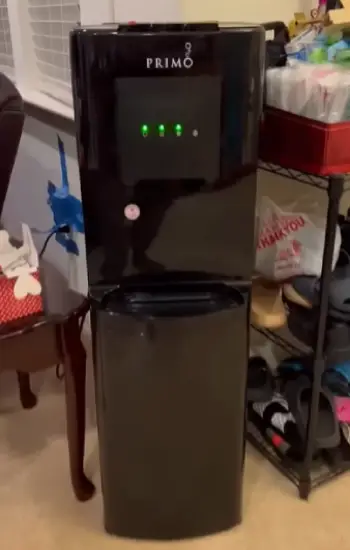
- Flexible Loading Options: You can choose top-loading for lower cost or bottom-loading for easier bottle changes.
The bottom-load models use a pump system similar to Avalon’s.
- Hot and Cold Dispensing with Reliable Recovery: Hot water often sits near 195°F on some tanks, and the larger capacity on certain models means you can pour several mugs before the heater needs to catch up.
Cold water stays consistently chilled for everyday drinking.
- Child Safety System and Night Light: The hot side locks with a two-step action.
An LED night light keeps the dispensers visible after dark without being overly bright.
- Indicator Lights and Easy-Clean Drip Tray: Lights show power, heating, cooling, and bottle status.
Many trays slide out and go straight into the dishwasher, which saved me time during weekly wipe-downs. - Compatibility with Refill Networks: Primo dispensers pair naturally with the brand’s bottle exchange or refill stations.
If you already buy Primo water, the logistics stay simple.
- Occasional Specialty Models: Some units integrate a single-serve coffee brewer that uses the hot tank directly.
That turns the dispenser into a small beverage station if counter space is limited.
Pros Of Primo Water Dispensers
- Attractive Price Entry Point: Basic models cost less while still delivering hot and cold water reliably. That lower barrier makes it easier to try a dispenser without a big commitment.
- Strong Hot Water Performance: Larger hot tanks on some units handle successive pours better. I could make three cups of tea in a row with only a short pause.
- Simple Daily Operation: Buttons or paddles respond quickly, and the overall interface needs almost no learning curve. Indicator lights give clear status at a glance.
- Flexible Purchase Options: Top-load versions suit tight budgets or temporary spaces. Bottom-load versions match Avalon’s convenience at a competitive price.
- Easy Maintenance on Many Models: Removable stainless drip trays and straightforward access to the bottle compartment kept cleaning sessions short.
- Integration Potential: Specialty models that add coffee brewing turn one appliance into two, which helps in small apartments or break rooms.
Cons Of Primo Water Dispensers
- Top-Load Models Demand Heavy Lifting: Inverting a five-gallon bottle every few days strains backs and risks spills. Bottom-load versions fix this but cost more.
- Fewer Temperature Choices on Standard Units: Missing a dedicated room-temperature option means you either wait for cold or risk lukewarm water when the tank is recovering.
- Occasional Leak or Noise Reports: Some owners mention internal drips or a louder compressor. My test unit stayed dry, yet the feedback is common enough to note.
- Limited Self-Cleaning Features: Without ozone or similar systems you rely more on manual sanitizing of the lines and reservoirs.
- Aesthetic Variation: Certain models look more utilitarian than sleek. They work well but may not blend as seamlessly into a modern kitchen.
Performance In Everyday Scenarios

In a household of four the Avalon handled morning rushes without running out of cold water.
The room-temperature option proved useful for filling sports bottles before school.
The Primo shone when I needed several hot drinks in quick succession during a work-from-home stretch.
Both units stayed free of major leaks when I wiped the drip tray daily and replaced bottles before they ran completely dry.
For an office of eight to ten people the Avalon’s cold capacity felt adequate for steady traffic.
The Primo’s quicker hot recovery helped during coffee-break clusters. Noise levels stayed acceptable in both cases once the units reached operating temperature.
Energy use remained modest; neither spiked my monthly bill noticeably.
Cleaning routines differ slightly. Avalon’s self-cleaning models need only an occasional ozone cycle plus exterior wipe-downs.
Primo units benefit from monthly vinegar flushes of the tanks and a thorough drip-tray wash.
Neither demands professional service under normal home use.
Who Should Choose Avalon?
Choose Avalon if you want three temperatures, a clean modern cabinet, and features like empty-bottle alerts without hunting for add-ons.
Families with kids gain from the reliable child lock and night light. Anyone who dislikes lifting heavy bottles will appreciate the bottom-loading design that dominates the lineup.
If self-cleaning convenience matters and you are willing to spend a bit more upfront, Avalon models with ozone deliver long-term ease.
Who Should Choose Primo?
Primo makes sense when budget comes first or when you already use the brand’s water delivery network.
Households that drink more hot beverages than cold may prefer the stronger hot-tank recovery on certain models.
Small spaces that can accept a top-loader keep costs lowest. If you want the option of a combined water-and-coffee station, Primo’s specialty units fill that niche better than most Avalon offerings.
Long-Term Ownership Considerations
Both brands typically carry a one-year limited warranty. Keep the receipt and register the product.
Filters, when required on bottleless versions, last roughly six months or 1,500 gallons. Bottled models need only clean bottles and occasional tank sanitizing.
Electricity costs stay low on Energy Star Avalon units and comparable Primo models.
Replacement parts such as drip trays and pumps are available through major retailers, though Avalon parts sometimes appear more readily stocked in my experience.
After six months of side-by-side use I found both dispensers reliable enough for daily life. Avalon edged ahead in overall convenience and temperature flexibility.
Primo stayed competitive on price and hot-water speed. Your final choice depends on whether you value features and design or cost and simplicity more highly.
Also Read: Is Evermore Oil Dispenser Worth It?
Frequently Asked Questions (FAQ)
Avalon generally offers more temperature options and a sleeker bottom-loading experience, while Primo wins on lower starting prices and strong hot-water recovery.
No single brand leads every category. Avalon ranks high for features and design; Primo scores well for value and reliability in many user reports.
Yes. Most models deliver consistent performance, easy bottle changes, and useful safety features that hold up under normal home or office use.
Water quality depends more on the source and any filtration than the dispenser brand. Both Avalon and Primo work with purified bottled water or, on bottleless models, filtered tap water of similar quality.
Final Thoughts
After living with both Avalon and Primo dispensers, I can say the right choice depends on your priorities.
Avalon gives you more everyday flexibility and a polished presence in the kitchen. Primo keeps costs down and delivers solid hot water when you need it most.
Whichever you pick, focus on bottom-loading if lifting is a concern, check the temperature options against your habits, and plan for simple weekly cleaning.
You will end up with reliable access to hot and cold water that fits your space and budget.
Take a moment to match the features to your real routine, and the decision becomes clear.
Recent Posts
● Interactive 5-Zone Interior & Exterior Paint Blueprint Paint Coverage Calculator: Gallons, Primer, Square Footage & Cost Tap any architectural surface zone on the blueprint...
If you want smooth, shiny hair without spending a fortune on a premium styling tool, the Ella Bella hair dryer may be worth considering.In these Ella Bella hair dryer reviews, I’ll look...