
If you’re considering the Avix Trailtek R/T, I would not recommend buying it right now, especially if you want a tire with a long, well-established track record.
The Trailtek R/T has an aggressive design and some appealing specifications, but the independent review history is still too limited for me to feel comfortable recommending it over more established rugged-terrain options.
I would rather spend my money on a tire with a larger body of long-term owner feedback, particularly if I drive my truck hard or regularly travel off-road.
My First Experience With The Avix Trailtek R/T
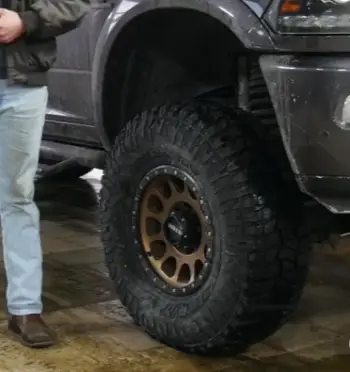
When I first looked at the Avix Trailtek R/T, I understood why this tire could attract attention.
The tread looks aggressive without going completely into mud-terrain territory, and that is exactly the formula many truck owners are searching for.
You want your truck to look capable, but you also don’t necessarily want to tolerate an extremely loud ride every time you drive to work.
That middle-ground concept is what makes a rugged-terrain tire interesting to me.
The Trailtek R/T is designed around that idea. It is intended to handle pavement, gravel, dirt, rocks, and other rough surfaces while maintaining reasonable road manners.
The published construction includes reinforced sidewalls, a silica-enhanced tread compound, ladder-style tread blocks, stone and mud ejectors, and built-in tread-life indicators.
On paper, that sounds impressive.
But when I review a tire, I don’t stop at the feature list. A tire can have an impressive specification sheet and still leave questions about how it behaves after thousands of miles.
That’s where I become cautious with the Trailtek R/T.
The biggest issue for me is its relatively short history compared with established tire families that have been on trucks for years.
A tire needs time to build a meaningful reputation. I want to know how it performs after the tread has worn substantially, how it handles repeated highway trips, whether balancing remains consistent, how the sidewalls hold up, and how the compound behaves after exposure to heat, rain, snow, gravel, and rough trails.
With the Trailtek R/T, there simply isn’t the same depth of long-term owner feedback that I would like to see.
I also noticed that several major retail listings currently show no customer reviews for individual Trailtek R/T sizes. That doesn’t automatically mean the tire is bad. It means there isn’t enough customer-generated evidence for me to make a confident long-term recommendation.
I think that distinction matters.
I wouldn’t tell you that every Trailtek R/T owner will have a bad experience. That would be unfair and unsupported. In fact, some early owners have reported liking the tire’s appearance, ride, and road noise. Others have mentioned some highway hum at higher speeds. The experiences are mixed enough that I would personally want much more information before committing to a complete set.
My concerns become more important if you’re buying large, expensive truck tires.
A set of tires isn’t a small purchase. Once you add mounting, balancing, installation, taxes, and potentially alignment work, you’re committing a meaningful amount of money. I would therefore rather choose something with years of proven owner experience than gamble on a newer tire simply because the tread pattern looks aggressive.
That is particularly true if you use your truck for towing, long highway trips, work, or serious trail driving.
For light gravel roads and occasional dirt, the Trailtek R/T may have enough capability. But if you’re expecting predictable performance in demanding conditions, I would want stronger evidence before trusting it.
Another thing I noticed is that the Trailtek R/T is available in a broad selection of truck and SUV sizes. That makes it easier to find a fit, but availability doesn’t tell me anything about long-term quality.
The tire’s published specifications are certainly competitive. Depending on size, it is available with substantial load ratings and deep tread. Some versions are offered in E- and F-rated configurations, which makes them relevant to heavier trucks and larger applications.
Still, specifications are only part of the story.
When I’m choosing tires, I care about what happens after the first few months. I want even wear. I want predictable braking. I want stable steering. I want acceptable wet-weather traction. I want reasonable noise. And I want the tire to remain dependable when the tread isn’t brand new anymore.
That’s why my experience with the Trailtek R/T leaves me with more questions than confidence.
If you already own them, your results may be perfectly satisfactory. If you’re considering buying them, however, I would take the time to compare them against established alternatives before spending your money.
Pros Of The Avix Trailtek R/T
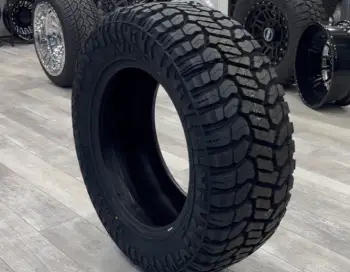
- Aggressive Rugged-Terrain Appearance
The first thing I noticed about the Trailtek R/T is its appearance.
If you want your truck to look more capable, this tire certainly delivers that visual effect. The large tread blocks and pronounced shoulder design give the truck a tougher stance.
For many owners, appearance matters.
I understand that because tires can completely change how a truck looks. A basic factory setup can suddenly appear much more rugged after switching to a larger R/T tire.
The Trailtek R/T has that aggressive character without looking quite as extreme as some dedicated mud-terrain designs.
- 3-Ply Construction
Another appealing feature is the reinforced construction.
The Trailtek R/T is promoted with 3-ply sidewall construction. That should provide additional protection against the type of abuse associated with rough terrain.
If I were regularly driving across rocky trails, this would definitely get my attention.
Still, I would treat construction as one factor rather than proof of durability. Real-world durability depends on the entire tire design and how it is used.
- Hybrid Road-and-Trail Concept
The biggest selling point is the balance between road use and off-road capability.
If you spend most of your time commuting but occasionally leave the pavement, a rugged-terrain tire can make more sense than an extreme mud tire.
The Trailtek R/T was designed around exactly that type of use.
Its tread pattern is aggressive enough to look and function like an off-road tire while remaining intended for normal road driving.
- Built-In Tread Indicators
I also like the idea of built-in wear indicators.
The tire incorporates indicators intended to help owners monitor remaining tread. That’s useful because you shouldn’t have to guess when a tire is approaching the end of its usable life.
I check tire condition regularly, and having a visual reference built into the tread makes that process easier.
- Broad Size Availability
The Trailtek R/T is available across a variety of wheel diameters and truck-oriented sizes.
That gives owners more flexibility when choosing a setup.
Depending on the size, specifications can vary considerably, so I would always check the exact load rating, dimensions, speed rating, rim-width requirements, and vehicle fitment instead of assuming every Trailtek R/T performs identically.
- Warranty Coverage
Another positive is the advertised treadwear warranty.
Depending on the current specification and size, listings advertise coverage around 40,000 to 45,000 miles. That provides some additional reassurance on paper.
But I would still read the warranty conditions carefully.
A treadwear warranty isn’t the same thing as a guarantee that you’ll actually get that mileage. Alignment, rotation, inflation, driving conditions, vehicle modifications, and wear patterns can all affect tire life.
Cons Of The Avix Trailtek R/T
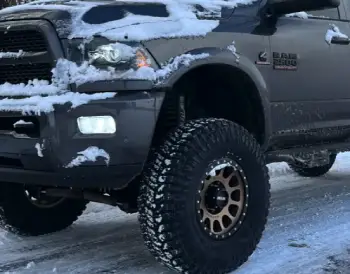
- Limited Long-Term Review History
This is my biggest concern.
The Trailtek R/T is relatively new compared with many competing tire families. That means there isn’t a huge amount of long-term owner data.
I want to see what happens after 20,000, 30,000, or 40,000 miles.
I want to know how the tread wears.
I want to know whether the tire develops unusual noise.
I want to know whether owners experience balancing problems.
I want to know how wet-weather performance changes as the tread becomes shallower.
Those answers take time.
- Inconsistent Information Across Listings
Another reason I would be cautious is that specifications can vary by tire size.
One version may have a different tread depth, load range, weight, or warranty specification than another.
That’s normal for a tire family, but it means you shouldn’t rely on a generic Trailtek R/T description when selecting your particular size.
Always verify the exact model number and specification.
- Highway Noise May Increase With Speed
The aggressive tread pattern can create more road noise than a highway-oriented tire.
Some early owners report that the tire remains relatively quiet at normal speeds, while others mention a noticeable hum at higher speeds.
That doesn’t necessarily make it unsuitable for highway driving.
It simply means I wouldn’t buy this tire expecting the quietest possible ride.
If your truck spends several hours every week on the interstate, road noise should be part of your decision.
- Limited Evidence on Long-Term Wet Performance
The Trailtek R/T uses a silica-enhanced compound intended to support wet and dry traction.
That’s encouraging.
But I would still like to see more independent long-term testing and owner data before making strong claims about wet-weather performance after significant wear.
A brand-new tire and a tire with thousands of miles on it are not necessarily going to behave identically.
- Not My First Choice for Serious Off-Road Dependence
If your truck is genuinely used for demanding off-road work, I would be more comfortable choosing a tire with a longer-established reputation.
The Trailtek R/T may perform well, but serious trail driving increases the consequences of an unexpected tire problem.
For occasional recreational use, the risk may feel different.
For remote trails where a damaged tire can turn into a major recovery problem, proven durability matters more to me than an attractive price.
Maintenance For Avix Trailtek R/T Tires
- Check Tire Pressure Regularly
Tire pressure is one of the easiest things you can control.
I check pressure when the tires are cold because temperature affects pressure readings. I don’t simply use the maximum PSI printed on the sidewall as my everyday target.
Instead, I follow the vehicle manufacturer’s recommended pressure and consider the load I’m carrying.
If you regularly tow or haul heavy equipment, check the vehicle’s recommended pressures for those conditions.
Proper inflation helps maintain predictable handling and can reduce irregular tread wear.
- Rotate the Tires
Regular rotation is another habit I wouldn’t skip.
Your front and rear tires can experience different wear patterns, especially on trucks with substantial weight differences between axles.
Following the recommended rotation interval can help distribute wear more evenly.
If you notice one shoulder wearing faster than the other, don’t just rotate the tires and forget about it.
Find the cause.
- Keep the Alignment Correct
Alignment is especially important with larger off-road tires.
If your truck has been lifted, modified, or fitted with aftermarket suspension components, alignment becomes even more important.
Incorrect toe, camber, or caster settings can contribute to uneven wear.
If I saw rapid wear on one edge of a Trailtek R/T, I would have the alignment checked before blaming the tire.
- Inspect the Sidewalls After Trail Driving
After driving rocky trails, I would inspect the sidewalls.
Look for cuts, bulges, cracking, punctures, exposed cords, or other damage.
Don’t assume that a 3-ply construction means you can ignore sidewall damage.
If something looks questionable, have the tire inspected professionally.
- Remove Embedded Rocks
Aggressive tread patterns can collect stones.
The Trailtek R/T includes stone-ejection features, but I would still inspect the tread after driving on gravel or rocky surfaces.
A small stone trapped between tread blocks may eventually work its way out, but regularly checking the tread gives you an opportunity to spot unusual damage early.
- Watch for Uneven Wear
Uneven wear is a warning sign.
If the center of the tread wears faster than the edges, pressure may need attention. If the shoulders wear unusually quickly, alignment, inflation, cornering habits, or vehicle setup may be involved.
Don’t wait until the tread is nearly gone to investigate.
- Balance the Tires When Necessary
If you notice vibration through the steering wheel or seat, have the tires checked.
Large truck tires are heavy, and even a small imbalance can become noticeable at highway speed.
After installing new tires, I would pay attention to how the vehicle behaves at different speeds during the first few drives.
- Don’t Ignore Age and Cracking
Mileage isn’t the only factor.
Rubber changes with time and exposure to environmental conditions.
If a tire develops significant cracking, especially around the sidewalls or between tread blocks, have it inspected.
A tire can have plenty of tread remaining and still require attention because of age or deterioration.
Comparison Of Avix Trailtek R/T With Other Tire Brands
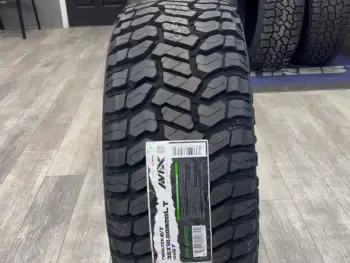
- Trailtek R/T vs. Nitto Ridge Grappler
The Nitto Ridge Grappler has a much longer-established reputation in the rugged-terrain category.
The key difference for me is not simply tread appearance. It’s the amount of accumulated owner experience surrounding the tire.
The Trailtek R/T attempts to provide similar versatility between pavement and trails, but its history is considerably shorter.
If you’re trying to minimize uncertainty, the established option gives you more historical information to evaluate.
- Trailtek R/T vs. Toyo Open Country A/T III
The Toyo Open Country A/T III is aimed more directly at all-terrain users.
Its design emphasizes everyday drivability while still supporting off-road use.
If most of your driving happens on pavement with occasional dirt and gravel, an all-terrain tire can make more sense than moving toward a rugged-terrain design.
The Trailtek R/T becomes more interesting when aggressive appearance and stronger off-road-oriented tread are higher priorities.
- Trailtek R/T vs. Falken Wildpeak
Falken’s Wildpeak family has become widely recognized among truck and SUV owners.
One reason it frequently enters these conversations is versatility.
Depending on the specific Wildpeak model, you can choose a tire oriented toward highway driving, all-terrain use, or more aggressive conditions.
The Trailtek R/T has a narrower identity: it wants to occupy the rugged-terrain middle ground.
Again, I would pay attention to the amount of long-term owner evidence available before making a purchase.
- Trailtek R/T vs. Cooper Discoverer
Cooper offers several truck tire options designed for different combinations of road and off-road driving.
The important thing here is that “off-road tire” doesn’t automatically mean every model behaves the same.
Some emphasize highway comfort.
Others focus more heavily on traction.
The Trailtek R/T is attempting to combine those characteristics, but its relatively short history makes it harder for me to assess how consistently it delivers that balance over time.
- Trailtek R/T vs. BFGoodrich All-Terrain Tires
BFGoodrich has decades of recognition in the truck and off-road tire market.
That history doesn’t automatically make every model perfect, but it gives buyers a large amount of accumulated information to study.
When I’m spending money on tires, that historical information matters.
The Trailtek R/T can look attractive on specifications and pricing, but the comparison changes when I consider how much long-term data exists for each product family.
Frequently Asked Questions (FAQ)
Avix is the tire brand behind the Trailtek R/T, and current industry listings identify Wheel Pros LLC as the company behind the Avix brand. The Trailtek R/T was introduced as a rugged-terrain product designed for truck and SUV applications.
There isn’t one universally best UTV tire for every driver. Your choice should depend on how much pavement you drive, the type of trail surfaces you encounter, expected load, weather, and desired ride comfort. For a road-and-trail setup, look for a tire specifically designed to balance highway stability with off-road traction rather than choosing solely by tread appearance.
Trailmaster tires cover different applications and models, so I wouldn’t judge the entire brand from one tire. Look at the exact model, construction, tread design, load rating, warranty, independent testing, and long-term owner feedback. Those details tell you much more than the brand name alone.
There isn’t a single objectively best rugged-terrain tire for every truck. Different tires emphasize different combinations of highway comfort, trail traction, tread life, wet-weather handling, sidewall protection, and price. I would compare those characteristics against your own driving conditions rather than choosing based solely on the word “best.”
Final Verdict
The Avix Trailtek R/T certainly has an appealing concept, and its specifications give it plenty of potential. However, I would not recommend buying it at this point, particularly if you’re looking for a tire with a deeply established record of long-term performance.
The product is relatively new, and the amount of independent customer feedback remains limited. For my money, I’d rather choose a rugged-terrain or all-terrain tire with a longer history and substantially more real-world data.
The Trailtek R/T may eventually establish itself, but I would wait for that track record before making it my first choice.
Recent Posts
Himalaya Complete Care Toothpaste Reviews: Is It Worth Buying?
I’ve always wanted a toothpaste that could handle everyday cleaning without making my mouth feel overly sensitive or stripped after brushing.After using Himalaya Complete Care Toothpaste, I...
Anova Precision Vacuum Sealer Pro Review: Is It Worth Buying?
I wanted to like the Anova Precision Vacuum Sealer Pro because its design, strong suction, double sealing, wet-food setting, built-in bag storage, and cutter make it look like a serious kitchen...