
I wrote this article after spending time comparing Milgard Styleline and Tuscany windows for my own home projects and for friends who kept asking which one actually made sense.
My goal is to give you a clear, practical side-by-side so you can decide based on how the frames look, how they perform, what they cost, and how the warranties stack up in real daily use.
| Feature | Styleline (V250) | Tuscany (V400) |
| Frame profile | Slim, narrow sightlines | Thicker, more substantial traditional look |
| Glass area | Maximized for more light and view | Slightly less due to wider frame |
| Aesthetic | Modern, minimalist | Classic, wood-like architectural feel |
| Typical glass options | Dual-pane with Low-E | Dual or triple-pane with advanced Low-E |
| Energy performance | Good, meets ENERGY STAR with upgrades | Stronger baseline and more upgrade options |
| Hardware | Positive Action Lock | SmartTouch lock system |
| Warranty | Lifetime limited (frame focus, no standard glass breakage) | Full lifetime including glass breakage for original owner |
| Price position | Budget-friendly entry point | Mid-to-premium vinyl |
| Best fit | Cost-conscious modern homes, rentals | Traditional homes wanting more presence and coverage |
Key Differences Between Styleline And Tuscany
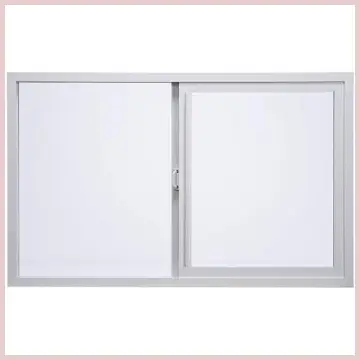
- Frame thickness and visual weight: Styleline keeps the frame thin so the glass dominates the view. Tuscany uses a deeper and wider profile that reads more like older wood windows.
I notice the difference the moment I stand outside a house because Styleline almost disappears into the wall while Tuscany announces itself with a stronger shadow line.
- Sightlines and natural light: The narrower Styleline frame lets more daylight flood a room.
Tuscany trades a bit of that glass area for a more traditional proportion that many people prefer on craftsman or older homes.
- Energy performance baseline: Both can meet ENERGY STAR requirements yet the thicker Tuscany frame and available triple-pane packages generally deliver better U-factors and more control over heat gain.
Styleline stays competitive with good dual-pane Low-E packages but sits a step behind when you push for the highest insulation numbers.
- Warranty coverage: Tuscany includes accidental glass breakage in its full lifetime package for the original homeowner.
Styleline’s lifetime limited coverage focuses more on the frame and components and typically leaves glass breakage out unless you add it.
- Price and value positioning: Styleline sits lower on the cost scale and works well when you need to replace many openings without stretching the budget.
Tuscany costs more but brings extra customization stronger locks and that fuller warranty.
Also Read: Is Andersen Acclaim Windows Worth It?
Key Features Of Styleline
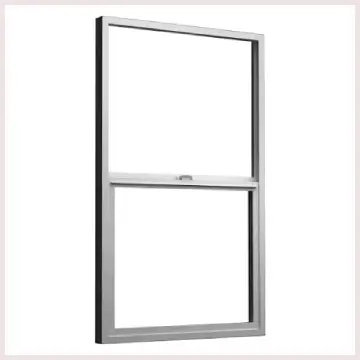
- Slim vinyl frame designed for maximum glass: The narrow profile is the first thing most people notice.
It creates a clean modern look and pulls extra natural light into living rooms and kitchens.
- Positive Action Lock: The lock engages with a single firm close.
You hear and feel it click which removes the guesswork of older cam locks.
- Dual-pane Low-E glass packages: Standard configurations already perform well.
You can step up coatings and gas fills to hit different climate-zone targets.
- Multiple operating styles: Single-hung horizontal slider casement awning picture and radius options cover most residential needs.
The frames stay consistent across styles so the house looks unified.
- Low-maintenance vinyl: No painting no rotting and the material holds color well under sun exposure.
I appreciate how little attention these windows need year after year.
- Replacement-friendly installation options: The Z-bar and block-frame choices make retrofit work cleaner in many older openings.
Pros Of Styleline
- Lower upfront cost: When you are replacing a whole house or working with a fixed budget the savings add up quickly without dropping to builder-grade quality.
- More glass and brighter rooms: The slim frame literally shows more of the outdoors. In rooms that already feel dark this difference is noticeable every day.
- Clean modern appearance: The minimal profile suits contemporary architecture and simpler exterior designs. It does not fight with clean lines or large expanses of siding.
- Straightforward operation: Positive Action Lock and smooth rollers make daily use easy. Cleaning the glass is also simpler because less frame gets in the way.
- Solid energy performance for the price: With the right Low-E package these windows still cut heating and cooling costs meaningfully compared with old single-pane or aluminum units.
Cons Of Styleline
- Less visual weight on traditional homes: On a craftsman or colonial the slim frame can look a bit under-scaled. Some people feel the windows disappear rather than contribute to curb appeal.
- Warranty stops short of glass breakage: Accidental damage becomes an out-of-pocket expense more often. That matters if you have kids pets or live near a busy street.
- Fewer high-end insulation upgrades: Triple-pane options are limited or unavailable in many markets so extreme-climate performance sits behind the thicker series.
- Hardware feels more basic: The lock works well but lacks the premium single-motion refinement of the SmartTouch system.
Key Features Of Tuscany
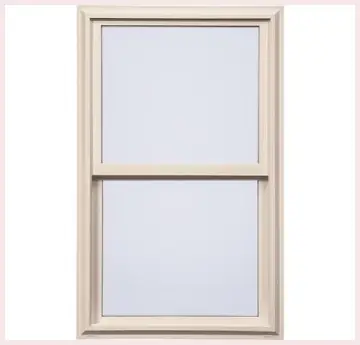
- Substantial traditional frame profile: The thicker extrusion gives a more architectural presence.
It looks intentional on homes that already have strong exterior detailing.
- SmartTouch lock system: One motion locks or unlocks and many versions give a clear visual indicator.
In cold weather or when wearing gloves this feels more practical than fiddling with separate latches.
- Dual- and triple-pane glass choices: You can order higher-performance packages that push U-factors lower and manage solar heat gain more aggressively.
Edge spacer technology helps keep the edges warmer and reduces condensation risk.
- Broader color and grid options: Exterior finishes and interior looks expand further than the entry series.
Grids and hardware choices let you match historical or craftsman details more closely.
- Full lifetime warranty with glass breakage: Parts labor and accidental glass coverage for the original owner create real peace of mind.
Second owners usually receive a reduced but still useful transfer period.
- Strong multi-chamber construction: The deeper frame adds structural stiffness and more internal air pockets that slow heat transfer.
Pros Of Tuscany
- Stronger traditional presence: The thicker frame gives windows real substance. On homes with deeper window openings or classic trim the result looks intentional and higher-end.
- Better energy-control options: Triple-pane packages and advanced coatings let you fine-tune performance for cold winters or hot summers. The deeper frame itself adds insulation value.
- Superior warranty package: Glass breakage coverage for the original owner removes a common homeowner worry. Parts and labor for life inside the service area further reduce long-term risk.
- More customization depth: Color grid and hardware choices make it easier to match existing architecture or create a specific aesthetic.
- Improved sound damping: Extra mass in the frame and the option for thicker glass packages help quiet street noise more effectively than the slimmer series.
Cons Of Tuscany
- Higher price point: The extra features and thicker construction raise the installed cost. On a full-house replacement the difference can be noticeable.
- Slightly reduced glass area: The wider frame means a bit less view and daylight compared with Styleline. In small rooms this can feel restrictive if you value openness.
- Heavier visual profile: On ultra-modern or minimalist homes the traditional look can feel bulky. The shadow lines are stronger which is not always the desired effect.
- Availability of certain glass packages can vary by region: Some triple-pane or specialized coatings depend on local manufacturing and shipping constraints.
Also Read: Comparison Of Apex Windows And Renewal By Andersen
Energy Efficiency In Daily Use
I pay attention to how windows feel in different seasons more than the printed numbers alone.
Styleline with a quality dual-pane Low-E package keeps rooms comfortable and reduces drafts relative to older windows.
The slim frame still conducts a little more heat at the edges than a deeper profile so in very cold climates or on north-facing walls you may notice a slight difference.
Tuscany’s thicker multi-chamber frame and available triple-pane options create a more consistent interior surface temperature.
The glass stays closer to room temperature which cuts the cold-spot feeling near the window and lowers the load on heating systems.
Solar-control coatings also help in hot climates by reflecting heat before it enters. Both series can qualify for ENERGY STAR yet Tuscany gives you more headroom if your local utility offers rebates tied to the lowest U-factors.
Installation And Long-Term Ownership
Both lines install as new-construction or replacement units. Styleline’s thinner profile sometimes fits existing openings with less modification which can keep labor costs lower.
Tuscany’s deeper frame may require more careful flashing and sill work but rewards that effort with better structural rigidity especially on larger openings.
Maintenance stays simple on both. Vinyl does not need paint or sealer. Occasional cleaning of the tracks and weatherstripping keeps the seals working.
The difference shows up if glass ever breaks: Tuscany’s warranty usually covers the replacement while Styleline often does not.
Which One Fits Different Home Types?
For a modern ranch or contemporary remodel where you want as much glass as possible and need to control cost Styleline makes practical sense.
The slim frames keep the architecture light and the rooms bright.
For a traditional two-story craftsman or home with strong exterior detailing Tuscany’s thicker profile and richer warranty usually feel like the better match.
The extra cost buys presence performance options and long-term coverage that many owners value.
Rentals and investment properties often lean toward Styleline because the lower first cost and still-solid durability improve cash flow. Owner-occupied homes that plan to stay for many years frequently justify the step up to Tuscany.
Real-World Decision Factors
Budget remains the clearest divider. When the project total is fixed Styleline lets you replace more openings or add better glass packages without stretching. When the budget allows a mid-tier vinyl and you care about the traditional look or glass coverage Tuscany delivers more of what most people notice every day.
Climate matters too. Mild coastal or moderate zones get excellent results from either series. Extreme cold or intense sun pushes the advantage toward Tuscany’s thicker construction and higher-performance glass choices.
Style preference is personal. Stand outside a house with both types installed side by side if you can. The difference in frame width and shadow is obvious and usually settles the aesthetic question quickly.
Also Read: Comparison Of Rosati Windows And Renewal By Andersen
Frequently Asked Questions (FAQ)
Styleline uses a slim narrow profile that maximizes glass. Tuscany uses a thicker more traditional profile that gives greater visual weight and deeper shadow lines.
Tuscany generally offers stronger baseline performance and more upgrade paths including triple-pane options for better U-factors and heat control.
Tuscany provides a full lifetime warranty that includes accidental glass breakage for the original owner. Styleline offers a lifetime limited warranty focused on the frame and components without standard glass breakage coverage.
Styleline sits at the lower price point and is the better fit when cost control is the priority.
Wrapping Up
I set out to compare Milgard Styleline and Tuscany so you could see the real differences in frame design performance warranty and cost without the marketing haze.
Styleline gives you more glass a modern look and a friendlier price. Tuscany gives you a stronger traditional presence better energy options in many cases and fuller warranty protection.
Your home’s style climate and budget will point clearly to one or the other once you weigh those factors.
Choose the series that matches how you actually live in the house and how long you plan to stay. That decision will serve you better than chasing the highest or lowest number on a chart.
Recent Posts
The Andersen 10 Series storm door offers attractive styling, ventilation, and additional protection for your entryway, but its reported customer complaints make me hesitant to recommend...
Andersen Truscene Vs. Regular Screens: Which Delivers Better Views And Airflow
I spent weeks comparing Andersen TruScene screens against regular ones after replacing windows in my own home. The differences changed how I experience every room. My goal here is to give...