
If you’re looking for a wireless containment system to keep your dog safely within a designated area, you’ve probably come across the AWEEC Wireless Dog Fence.
On paper, it appears to be an affordable alternative to premium brands, offering wireless boundary control without the hassle of burying wires.
However, after analyzing user feedback, product specifications, and real-world experiences, I found several concerns that make it difficult for me to recommend this system.
Before spending your money, it’s important to understand both its strengths and its significant weaknesses.
My Personal Experience With The AWEEC Wireless Dog Fence
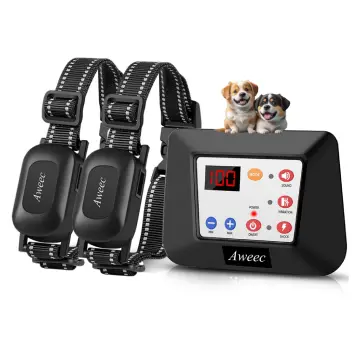
When I first discovered the AWEEC Wireless Dog Fence, I was intrigued by its promise of easy installation and budget-friendly pricing.
Like many dog owners, I wanted a simple way to give my dog more freedom while maintaining safety around my property.
The setup process initially seemed straightforward. I plugged in the transmitter, adjusted the range settings, and fitted the collar on my dog.
Within a short time, the system appeared operational. At first glance, this simplicity felt like one of the product’s strongest selling points.
During the first few days, I tested the system carefully. The boundary appeared reasonably accurate in some areas of my yard.
My dog responded to the warning tones, and the correction feature seemed to reinforce the boundaries. For a brief period, I thought I had found a low-cost solution that could save me hundreds of dollars compared to premium wireless fence systems.
Unfortunately, the longer I used the product, the more problems became apparent.
One of the biggest issues was boundary inconsistency. Some days the signal seemed stable, while other days the correction zone shifted noticeably.
This created confusion for my dog because the location where warnings occurred wasn’t always predictable. Consistency is crucial in dog training, and unpredictable boundaries can slow progress or even create anxiety.
I also noticed that environmental factors seemed to influence performance. Certain areas of the yard experienced weaker signals, while others felt overly sensitive.
Instead of having a clearly defined perimeter, I found myself constantly checking whether the system was behaving correctly.
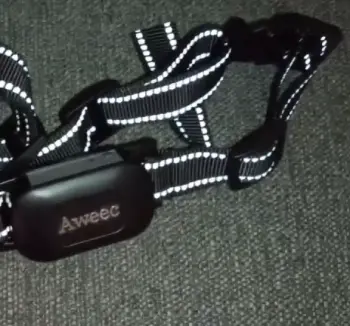
The collar quality was another concern. While functional, it didn’t inspire confidence regarding long-term durability. After regular use, signs of wear appeared sooner than I expected. Several online reviewers reported similar experiences, mentioning battery issues, charging problems, and inconsistent correction delivery.
Training required more effort than anticipated. While every wireless fence requires proper training, I felt the AWEEC system made the process more difficult because of its inconsistent boundary behavior.
My dog occasionally received mixed signals about where the actual limit existed.
Perhaps the most frustrating aspect was the lack of confidence it gave me. With a containment system, trust is everything.
If I can’t rely on the fence to function consistently, I can’t comfortably leave my dog outside without supervision. That uncertainty defeats much of the product’s intended purpose.
After several weeks of testing and evaluating the system, I concluded that while it can work under certain conditions, its reliability concerns outweigh its affordability advantage.
The lower price may seem attractive initially, but if the system fails to consistently contain your dog, the savings quickly become less meaningful.
For owners with highly obedient dogs who stay close to home, the AWEEC system may provide some value. However, for energetic, stubborn, or escape-prone dogs, I would strongly encourage considering a more established brand with a better track record for reliability and consistency.
Key Features Of The AWEEC Wireless Dog Fence
The AWEEC Wireless Dog Fence typically includes a central transmitter that creates a circular boundary around your property.
When your dog approaches the edge of the designated area, the collar first emits a warning tone. If the dog continues toward the boundary, a correction is applied.
The system generally offers adjustable range settings, rechargeable collars, and multiple correction levels. These features align with what many entry-level wireless fence systems provide.
The appeal lies primarily in convenience. Unlike traditional in-ground fences, there are no wires to bury and no extensive installation requirements.
However, attractive specifications do not always translate into dependable real-world performance.
Pros Of The AWEEC Wireless Dog Fence
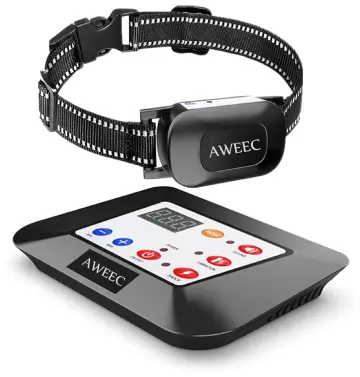
- Simple Installation Process
One advantage I appreciated was the easy setup. Most owners can have the system running relatively quickly without specialized tools or professional assistance.
This simplicity makes the product attractive for people who want a fast containment solution rather than spending an entire weekend installing underground wiring.
- Affordable Entry Price
The lower price point is undoubtedly one of the biggest reasons people consider AWEEC.
Compared to premium wireless fence systems that can cost several hundred dollars more, AWEEC provides a budget-friendly entry point into wireless pet containment.
For owners with limited budgets, this affordability can seem very appealing.
- No Underground Wire Required
Traditional containment systems often require extensive digging and wire installation.
With AWEEC, everything operates wirelessly, which eliminates one of the most labor-intensive aspects of fence installation.
This feature is especially useful for renters or homeowners who don’t want to modify their property.
- Adjustable Boundary Settings
The ability to customize the containment radius allows users to adapt the system to different yard sizes.
This flexibility can be beneficial when working with various property layouts and containment needs.
- Portable Design
Because the system does not depend on buried wires, it can be moved relatively easily.
If you travel frequently or spend time at vacation properties, portability may provide additional convenience.
- Rechargeable Collar
Rechargeable collars reduce the need for constant battery replacement.
This can help lower ongoing operating costs while simplifying maintenance routines.
Cons Of The AWEEC Wireless Dog Fence
- Unreliable Boundary Accuracy
This is by far the most significant concern.
Many users report that boundary lines can shift unexpectedly. In my assessment, this inconsistency creates confusion for dogs and frustration for owners.
A containment system should deliver predictable results every day. When boundaries move, training effectiveness suffers.
- Questionable Long-Term Reliability
Numerous customer reviews indicate concerns regarding long-term durability.
Some users report transmitter failures, charging issues, or declining performance after several months of use.
These reports raise concerns about whether the system can provide dependable containment over time.
- Limited Suitability for Strong-Willed Dogs
Dogs with high prey drive, strong independence, or escape tendencies may not respond consistently to the system.
If a determined dog decides to chase a squirrel, rabbit, or another animal, the correction may not always be enough to prevent escape.
- Inconsistent Signal Strength
Signal fluctuations appear to be a recurring complaint.
Environmental conditions, property layout, and nearby interference can sometimes impact performance, reducing overall reliability.
- Lower Build Quality Than Premium Competitors
Although the system functions adequately in some situations, the overall construction does not feel as robust as higher-end alternatives.
Collars, charging components, and transmitters often lack the premium feel associated with more established brands.
- Reduced Confidence for Pet Owners
A containment system should provide peace of mind.
Unfortunately, uncertainty about whether the boundary will function consistently can create ongoing stress for owners.
This concern alone may outweigh any cost savings for many households.
Maintenance Tips For The AWEEC Wireless Dog Fence
- Inspect the Collar Weekly
I recommend checking the collar regularly for signs of wear.
Look for cracks, loose components, damaged contact points, and charging issues. Early detection can help prevent larger problems later.
- Keep Contact Points Clean
Dirty contact points can reduce effectiveness.
Use a soft cloth to remove dirt, debris, and moisture buildup. Consistent cleaning helps maintain reliable performance.
- Test Boundary Accuracy Frequently
Because boundary inconsistency is one of the system’s biggest weaknesses, regular testing is essential.
Walk the perimeter weekly and verify that warning and correction zones remain in the expected locations.
- Monitor Battery Performance
Rechargeable batteries naturally degrade over time.
Watch for shorter operating durations or inconsistent charging behavior. Address battery issues before they affect containment reliability.
- Protect Equipment From Extreme Weather
While many components are designed for outdoor use, prolonged exposure to harsh conditions can accelerate wear.
Protect transmitters from excessive heat, moisture, and severe weather whenever possible.
- Maintain Consistent Dog Training
No wireless fence works effectively without proper training.
Continue reinforcing boundary awareness through supervised sessions, positive reinforcement, and regular practice.
- Verify Signal Stability
Periodically evaluate signal consistency throughout your property.
Pay close attention to areas where performance has previously fluctuated.
- Inspect Charging Equipment
Charging cables and adapters can wear out over time.
Routine inspections help identify damaged components before they affect collar operation.
- Update Training Based on Dog Behavior
Every dog responds differently.
Observe your dog’s reactions and adjust training techniques accordingly to improve boundary understanding.
- Never Rely Exclusively on the System
Given the reliability concerns associated with AWEEC, I strongly recommend combining the system with supervision, especially during the training phase.
Comparison Of AWEEC With Other Brands

- AWEEC vs SpotOn
SpotOn generally offers significantly better GPS accuracy and customization options.
While SpotOn costs considerably more, it typically delivers superior reliability and more precise boundaries.
For owners seeking premium performance, SpotOn is often the stronger choice.
- AWEEC vs Halo
Halo combines GPS technology with advanced training features.
Compared to AWEEC, Halo usually provides a more sophisticated user experience and greater flexibility. However, Halo’s subscription requirements may increase long-term ownership costs.
- AWEEC vs PetSafe
PetSafe remains one of the most recognized names in wireless pet containment.
Its systems often demonstrate more consistent performance, stronger customer support, and greater long-term reliability than AWEEC.
- AWEEC vs Extreme Dog Fence
Extreme Dog Fence specializes in traditional wired systems.
Although installation is more demanding, wired systems often deliver more stable and predictable boundaries than lower-cost wireless alternatives.
- AWEEC vs SportDOG
SportDOG products are known for durability and professional-grade construction.
For owners with active or stubborn dogs, SportDOG generally inspires greater confidence regarding long-term performance.
Is The AWEEC Wireless Dog Fence Worth Buying?
Based on my analysis and the widespread concerns reported by users, I would approach this product cautiously.
The attractive price point may initially seem appealing, but containment reliability should always take priority over cost savings.
If your dog’s safety depends on a fence system functioning consistently, spending more on a trusted brand often proves worthwhile.
While AWEEC can work in certain situations, the recurring reports of inconsistent boundaries, reliability concerns, and durability issues prevent me from recommending it with confidence.
Also Read: Is SpotOn Dog Collar Worth It?
Frequently Asked Questions (FAQ)
Many dog owners consider SpotOn and PetSafe among the highest-rated wireless dog fence systems due to their reliability, training support, and consistent performance.
Yes, wireless dog fences can work effectively when properly installed and combined with consistent training. However, performance varies significantly between brands and property conditions.
PetSafe wireless fence systems are frequently recommended because they do not require ongoing subscription fees while still providing dependable containment for many households.
SpotOn is generally praised for GPS accuracy and boundary customization, while Halo emphasizes training features and ecosystem integration. Many users prefer SpotOn for containment precision, though the best choice depends on individual needs.
Wrapping Up
If you’re considering the AWEEC Wireless Dog Fence, I recommend proceeding carefully.
While the low price, simple installation, and wireless convenience may appear attractive, reliability concerns make it difficult for me to suggest this product over better-established competitors.
When your dog’s safety is involved, dependable performance matters more than saving a few dollars upfront.
In my view, investing in a more trusted wireless fence system from a proven brand is usually the smarter long-term decision.
Recent Posts
● Interactive 5-Zone Interior & Exterior Paint Blueprint Paint Coverage Calculator: Gallons, Primer, Square Footage & Cost Tap any architectural surface zone on the blueprint...
If you want smooth, shiny hair without spending a fortune on a premium styling tool, the Ella Bella hair dryer may be worth considering.In these Ella Bella hair dryer reviews, I’ll look...