
I’ve spent months rotating between Banza and Barilla Protein+ in my kitchen, tracking how each performed in everyday meals, meal prep, and my own protein goals.
My intent here is simple: give you a clear, side-by-side look at how these two protein-boosted pastas stack up on nutrition, taste, texture, cooking behavior, price, and real-life usability so you can decide which one fits your plate better.
| Feature | Banza (Chickpea) | Barilla Protein+ |
| Main Base | Chickpeas | Wheat + lentil, pea, chickpea |
| Protein (per 2 oz dry) | ~13–14 g | ~10 g |
| Fiber (per 2 oz dry) | ~7–8 g | ~4 g |
| Carbs (per 2 oz dry) | ~32 g | ~38–39 g |
| Calories (per 2 oz dry) | ~190–200 | ~190 |
| Gluten | Free | Contains wheat |
| Typical Box Size | 8 oz | 14.5 oz |
| Texture Profile | Firmer, denser, more bite | Closer to traditional pasta |
| Flavor Note | Mild chickpea / nutty | Mild wheat with subtle legume |
| Price Range (approx.) | Higher per ounce | More budget-friendly |
Key Differences Between The Banza And Barilla Protein
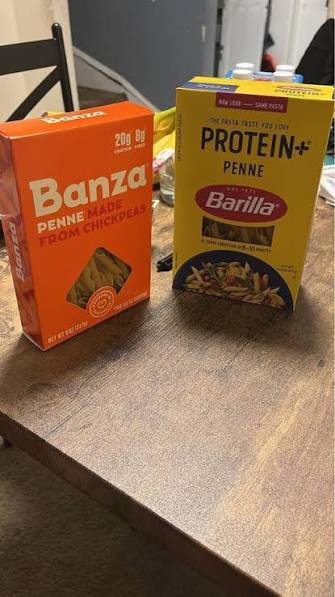
- Ingredient foundation: Banza is built almost entirely around chickpeas with a short supporting list of pea starch, tapioca, and xanthan gum, keeping it free of wheat.
Barilla Protein+ starts with traditional durum wheat and semolina as the main base, then layers in lentil flour, pea protein, chickpea flour, barley flour, and spelt to raise the protein content while still tasting and cooking like everyday pasta.
- Protein density and fiber punch: On a matching 2-ounce dry serving, Banza typically delivers 13–14 grams of protein and 7–8 grams of fiber, giving a clearer nutritional edge for anyone tracking macros or wanting longer-lasting fullness.
Barilla Protein+ lands around 10 grams of protein and about 4 grams of fiber—still better than regular pasta, but noticeably lower than the chickpea version on both counts.
- Gluten status and digestibility: Banza is completely gluten-free, making it a straightforward choice for anyone avoiding wheat.
Barilla Protein+ contains wheat, so it is off-limits for gluten-free diets.
Some people find the pure chickpea pasta easier on their stomach, while others prefer the wheat-based version because the familiar structure feels gentler and more predictable.
- Cooking behavior and sauce interaction: Banza requires closer attention: it foams more, can stick, and softens quickly if left even a minute too long, so many people rinse it after draining.
Barilla Protein+ behaves much closer to classic pasta—reliable timing, less foam, and a surface that holds sauce in the way most people expect from a traditional noodle.
- Price and package size: Barilla’s larger 14.5-ounce boxes usually cost less per serving and stretch further for families or frequent pasta nights.
Banza’s smaller 8-ounce boxes carry a higher per-ounce price, which adds up quickly if pasta appears on the menu several times a week.
Key Features Of Banza
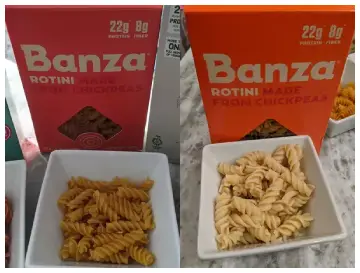
- Chickpea-forward formula: The pasta is made primarily from chickpeas, which naturally supply both protein and fiber.
The short ingredient list stays free of wheat and most common allergens beyond legumes, giving a clean label that many people appreciate when scanning packages.
- Higher protein and fiber numbers: Most labels show roughly 13–14 grams of protein and 7–8 grams of fiber per 2-ounce dry serving.
That combination helps many eaters feel fuller longer than they do with regular pasta or even with milder protein pastas.
- Completely gluten-free: Every box is already gluten-free, so there is no need to search for a special version or worry about cross-contamination claims on the package.
- Dense, firm texture when cooked right When timed carefully, the noodles keep a noticeable bite even after sitting or reheating, which makes them useful for meal-prep salads, next-day leftovers, or dishes that need structure.
- Mild nutty undertone The chickpea flavor is present but usually mild enough that most sauces cover it easily, though people who dislike any legume note may still notice it with lighter preparations.
Pros Of Banza
- Higher protein and fiber per serving: The numbers give a clearer nutritional edge if protein or fiber is a priority. One serving can contribute meaningfully toward daily targets without needing a separate protein source or extra vegetables on the side.
- Gluten-free convenience: No need to hunt for a special “gluten-free” aisle version; every box already qualifies, which simplifies shopping and meal planning for anyone avoiding wheat.
- Stronger satiety for many eaters: The combination of higher protein and higher fiber often keeps hunger quieter for longer, which can help with portion control, post-workout recovery, or days when pasta is the main event.
- Good performance in cold dishes: The firmer texture holds up well in pasta salads or refrigerated leftovers, so the noodles do not turn mushy as quickly as some other alternatives.
- Simple, transparent ingredient list: Fewer components make it easier to scan for personal dietary needs and give many people more confidence about what they are eating.
Cons Of Banza
- Higher cost per ounce: Smaller boxes and premium positioning mean the price climbs if you cook pasta often, especially compared with larger, more affordable wheat-based options.
- More sensitive cooking window: It can go from firm to soft faster than wheat pasta. Stirring frequently and tasting near the end of the suggested time is almost required to avoid a soft or gummy result.
- Distinct chickpea flavor for some palates: People who dislike any legume note may notice it, especially when paired with light sauces or when the pasta is eaten plain.
- Can produce more foam and need rinsing: The starch behavior differs from wheat pasta, so a quick rinse after draining is common advice to remove excess starch and stop the cooking process.
- Smaller package size: An 8-ounce box yields fewer servings than a standard Barilla box, which can feel limiting for larger households or anyone who likes to cook big batches.
Key Features Of Barilla Protein+
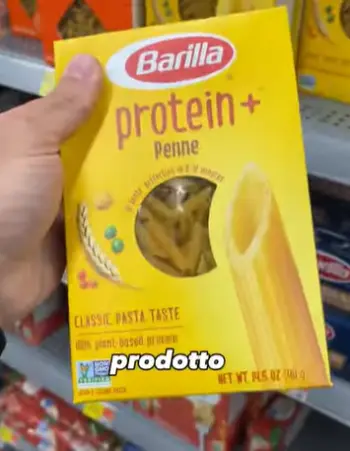
- Wheat-plus-legume blend: Semolina and durum wheat form the backbone while lentil flour, pea protein, and chickpea flour raise the protein content.
The result still looks, cooks, and feels like everyday pasta rather than a specialty alternative.
- Solid protein boost over regular Barilla: Around 10 grams of protein per 2-ounce dry serving is a clear step up from classic pasta without changing the overall eating experience much for most people.
- Familiar texture and mouthfeel: Because wheat remains the main flour, the pasta retains the spring, surface grip, and overall mouthfeel that most people expect from Barilla, making it an easy swap in family meals.
- Larger box size and wider availability: The 14.5-ounce packages appear in most grocery stores and yield more servings, which is practical for households that cook pasta regularly or need to feed several people at once.
- Plant-based protein claim with non-GMO ingredients: The added protein sources are plant-derived, and the brand markets the line as non-GMO, which appeals to shoppers looking for a modest upgrade without fully leaving traditional pasta behind.
Pros Of Barilla Protein+
- Closest experience to regular pasta: Taste, color, and texture stay familiar, so picky eaters or kids rarely object and the pasta slips easily into existing recipes without anyone noticing a major change.
- Better value on a per-serving basis: Larger boxes and lower shelf price make it easier to keep stocked without stretching the grocery budget, especially for frequent pasta nights.
- Predictable cooking results: Timing is reliable and the pasta tolerates a wider range of cook times without falling apart, which reduces stress for busy cooks or less experienced ones.
- Widely available: Most major grocery chains carry multiple shapes, so substitutions are rarely needed and restocking is simple.
- Still a clear improvement over plain pasta: Ten grams of protein and extra fiber beat the classic version while keeping the same cooking routine and overall plate experience.
Cons Of Barilla Protein+
- Lower protein and fiber than pure chickpea options: The boost is real but modest compared with Banza’s numbers on a same-size serving, so it may not feel like enough of an upgrade for people focused on maximizing macros.
- Contains gluten: Anyone avoiding wheat cannot use it, which immediately rules it out for gluten-free households or individuals.
- Less dramatic macro shift: If the goal is maximizing protein or minimizing net carbs, the difference from regular pasta feels smaller and may not justify a switch for strict trackers.
- Sauce absorption can feel higher: Some users notice it drinks up sauce a bit more than classic pasta, so recipes may need a splash of extra liquid or a slightly saucier preparation.
- Subtle legume note still present: While milder than pure chickpea pasta, it is not identical to 100 percent wheat pasta, and sensitive palates may still pick up a faint earthy undertone.
Nutrition Side By Side In Everyday Portions
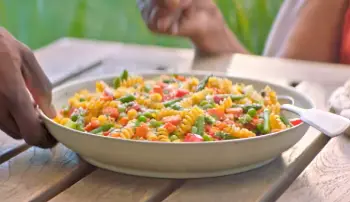
I started logging both pastas against my usual 2-ounce dry portion because that is the amount most people actually cook.
Banza consistently lands around 190–200 calories with 13–14 grams of protein and 7–8 grams of fiber. Net carbs sit lower because of the fiber.
Barilla Protein+ sits at roughly 190 calories, 10 grams of protein, and about 4 grams of fiber. The calorie difference is tiny; the protein and fiber gap is what shows up in daily totals.
If I cook a full 8-ounce Banza box I get roughly four servings and close to 55 grams of protein before any sauce or protein add-ins.
The same weight of Barilla Protein+ gives me a bit less protein but more total pasta because the box is larger.
For someone tracking macros tightly, Banza edges ahead. For someone who just wants “better than regular pasta” without changing the plate much, Barilla Protein+ still wins on convenience and cost.
Taste And Texture From A Real Kitchen
The first time I cooked Banza I expected a strong bean flavor. What I got was a mild nuttiness that mostly disappeared under marinara or pesto.
The texture stayed firm longer than I expected, which I liked for leftover lunches. Overcooking, however, turns it soft quickly, so I now set a timer two minutes earlier than the package suggests and taste as I go.
Barilla Protein+ surprised me by tasting almost exactly like the classic Barilla I grew up with. The legume flours add a faint earthy note, but most people at my table never commented.
The surface still grips sauce the way traditional pasta does. I can walk away from the pot for a minute without worrying that the noodles will collapse.
In side-by-side taste tests with friends, the wheat-based option usually scored higher for “tastes like pasta.” The chickpea version scored higher for “keeps me full” and “works in a gluten-free kitchen.”
Cooking Tips That Actually Matter
For Banza I use a large pot, plenty of water, and salt. I stir often because the pasta can stick. Once it reaches the texture I want I drain and rinse under cool water for a few seconds.
That rinse removes excess starch and stops the cooking. I toss it with a little olive oil if I am storing it for later.
Barilla Protein+ needs almost no special treatment. Salt the water, cook to the package time or a minute less for al dente, drain, and sauce. It tolerates sitting in the colander better than Banza does.
Both pastas benefit from being sauced right before serving if texture is important. Cold pasta salad recipes work better with Banza because the firmer bite holds up in the fridge.
Who Each Pasta Fits Best?
I reach for Banza when I need higher protein density, when I am cooking for someone who avoids gluten, or when I want extra fiber without adding beans or vegetables.
It also works well in recipes where the pasta will be the main protein source.
I reach for Barilla Protein+ when I am feeding a mixed group, when budget matters, or when I simply want the pasta to disappear into a classic dish without anyone noticing a change.
It is the easier transition for households used to traditional pasta.
Athletes or people in a calorie deficit often prefer Banza’s macros. Families with kids or people who cook large batches lean toward Barilla Protein+ for the larger boxes and familiar texture.
Price AND Value Over A Month
I tracked grocery receipts for a month of twice-weekly pasta nights. Banza cost noticeably more per serving.
Barilla Protein+ stayed closer to the price of regular pasta. If the higher protein and fiber numbers from Banza help reduce other protein purchases or snacks, the gap can shrink.
If the only goal is “pasta that is a little better,” Barilla Protein+ delivers more meals per dollar.
Long-Term Use And Meal Prep Observations
After several weeks of alternating the two I noticed Banza leftovers kept their shape better in the refrigerator. Barilla Protein+ softened a bit more overnight but still reheated acceptably.
Both pastas freeze reasonably well once cooked and lightly oiled, though I prefer to freeze sauce separately.
Digestive comfort varied by person. Some of my friends reported less bloating with Banza; others preferred the wheat version. Individual tolerance to legumes and FODMAPs plays a larger role than the brand name itself.
Also Read: Is Clean Simple Eats Clear Protein Worth It?
Frequently Asked Questions (FAQ)
Healthiest depends on your priorities. Banza usually offers higher protein and fiber per serving and is gluten-free, while Barilla Protein+ provides a solid upgrade over regular pasta with a more familiar texture and lower cost.
Yes, relative to traditional pasta. It adds plant protein and some fiber while keeping calories similar. It still contains wheat, so it is not a free pass for gluten-sensitive people, but it is a measurable improvement for most diets.
It can be if you need more protein, more fiber, or a gluten-free option. The higher numbers and simpler ingredient list give it an edge for those specific goals. Taste and texture preferences still matter for long-term use.
Chickpea pasta like Banza is a type of protein pasta. Pure chickpea versions generally deliver higher protein and fiber than wheat-based protein pastas, but the best choice depends on whether you prioritize macros, gluten status, or classic pasta experience.
Final Thoughts
After cooking both pastas side by side for months I no longer treat them as interchangeable. I keep Banza in the pantry for days when I want the bigger protein and fiber bump or when gluten is off the table.
I keep Barilla Protein+ for the nights when I want pasta that feels completely ordinary yet still edges the nutrition upward without drama or extra cost.
You will probably land in a similar split once you try both. Start with the one that matches your biggest constraint—gluten, budget, protein target, or picky eaters—and then experiment with the other.
The difference is real, but neither one has to be an all-or-nothing choice.
Recent Posts
I tried Meltoway Hair Dissolving Cream because I wanted a quick way to deal with unwanted body hair without reaching for a razor every few days. If you are looking for a convenient at-home...
If you’re considering a saffron-based supplement to support mood, appetite control, and everyday wellness, Happy Saffron Plus is worth considering.I like that it takes a familiar botanical...