
As someone who’s spent countless hours in various pairs of Crocs, slipping them on for everything from garden chores to quick grocery runs, I decided to break down the matchup between the Baya Clog and the Classic Clog.
My goal here is to help you figure out which one might suit your daily routine better, based on my hands-on testing and thoughts on their design, comfort, and practicality.
Whether you’re new to these foam wonders or looking to upgrade, this comparison should make your choice clearer.
| Feature | Classic Clog | Baya Clog |
| Material | Croslite foam | Croslite foam |
| Ventilation | Top holes around the border for breathability | Side vents spelling “Crocs” for extra air flow and water drainage |
| Fit | Roomy, wider toe box, suits broader feet | Slightly narrower front, more snug overall, better for narrower feet |
| Weight | Lightweight (about 11-12 oz per pair) | Same lightweight feel |
| Heel Strap | Pivoting for secure fit | Pivoting for secure fit |
| Customization | Jibbitz charms compatible | Jibbitz charms compatible |
| Style | Iconic, quirky look with visible holes | Sleeker, modern with logo cutouts |
| Price Range | Typically $40-50 | Typically $40-50 |
| Durability | High, withstands daily wear | High, but side vents may collect more debris |
Key Differences Between The Baya Clog Vs Classic

After comparing them side by side in real scenarios—like beach trips and home projects—I’ve pinpointed what sets them apart. These aren’t huge gaps, but they matter depending on your needs:
- Ventilation Style: The Classic relies on top-border holes for air flow, which works well for general cooling but can let in more top-down debris.
The Baya’s side vents, forming the brand name, provide better side-to-side breathability and faster drainage, making it my pick for wetter environments.
- Fit And Width: Classics offer a wider, roomier toe box that’s forgiving for broader or swollen feet after a long day.
Bayas narrow slightly at the front, giving a more fitted feel that looks neater but might require sizing up if you prefer looseness.
- Aesthetic Appeal: The Classic has that bold, iconic quirk with visible holes everywhere, which screams casual fun.
Baya steps it up with a modern, polished look thanks to the logo integration, blending in better with everyday outfits without losing the Crocs charm.
- Comfort Nuance: Both are comfy, but the Classic’s wider design suits relaxed lounging, while the Baya’s snugger profile adds a bit more support for walking.
I felt the Baya edge out in squishiness during extended wear.
- Debris Management: Classics might trap small rocks in the top holes more easily.
Bayas, with side openings, flush out water and sand quicker, though the logo cutouts can occasionally snag on things.
Key Features of the Baya Clog
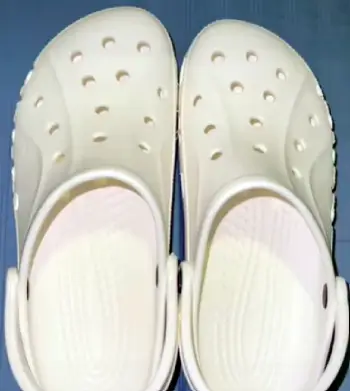
Switching to the Baya Clog felt like a subtle upgrade in some ways, especially for its refined vibe.
I tested it alongside the Classic, and these elements define it:
- Croslite Foam Construction: Just like the Classic, it’s super light and flexible.
But I noticed the Baya often feels a tad squishier underfoot, which adds a plush step on hard floors.
- Side Ventilation With Logo: The “Crocs” spelled out in holes on the side boosts breathability and drains water faster.
This came in handy during rainy days, as my feet dried quicker than in the Classic.
- Pivoting Heel Strap: Identical to the Classic’s, it offers the same flip-and-secure option. I found it especially useful for quick transitions, like from lounging to light errands.
- Narrower Toe Area: The front tapers a bit more, creating a neater silhouette.
For my narrower-footed friends, this meant less slipping around, though it might feel snug if you’re used to wider fits.
- Sleek Outsole Design: Similar grip to the Classic, but the overall shape feels more streamlined.
It’s non-marking too, so I’ve worn them in the house without issues, and they clean up easily.
Pros Of The Baya Clog
The Baya surprised me with how it refined the Classic formula. Here’s what I value most, with some personal notes:
- Enhanced Breathability: The side vents keep feet cooler and drier.
During summer outings, I noticed less sweat buildup compared to the Classic, making them ideal for active days.
- Modern, Neat Appearance: The logo integration gives a sleeker profile.
I’ve paired them with jeans or shorts, and they blend in better than the bolder Classic design.
- Snugger Fit For Better Security: The narrower front reduces excess movement.
This has made them my choice for errands where I need a bit more stability without the strap.
- Quick Drainage And Cleaning: Water and debris exit fast through the sides.
After beach visits, they’re ready to wear again sooner, which saves time.
- Squishy Cushioning: Many pairs feel plusher underfoot.
I’ve worn them for gardening, and the extra give eases pressure on hard ground.
Cons Of The Baya Clog
Like any footwear, the Baya isn’t flawless. These issues popped up in my trials:
- Snug Fit Might Feel Restrictive: If you’re used to roomy shoes, the narrower toe could pinch initially.
I had to break mine in more than the Classic.
- Debris Can Still Intrude: Side vents help with drainage but can let in side-swept dirt.
It’s less of an issue than top holes, but still requires attention outdoors.
- Inconsistent Sizing Across Colors: Some pairs felt tighter than others in the same size.
This variability made online shopping trickier without trying them on.
- Less Iconic Appeal: While sleeker, it lacks the Classic’s standout quirk.
If you want that signature Crocs statement, the Baya feels more subdued.
- Potential For Blisters If Not Broken In: The snugger design rubbed a bit at first.
Socks helped during the initial wears, but it’s something to note for sensitive skin.
Key Features Of The Classic Clog
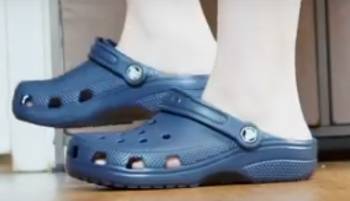
I’ve worn the Classic Clog through muddy yards and long shifts on my feet, and it’s clear why it became the original hit.
Here’s what stands out, with a bit more on each:
- Lightweight Croslite Material: This foam is the heart of the shoe, making it feel like you’re barely wearing anything.
In my experience, it molds to your foot over time without losing shape, which is great for all-day ease.
- Top Ventilation Holes: These border the upper part, letting air circulate and water escape quickly.
I appreciate how they keep feet cool during hot weather walks, though they do let in small pebbles sometimes.
- Pivoting Heel Strap: It flips forward for slip-on mode or back for a secure hold.
This versatility has saved me on uneven terrain, turning it from a casual slide into something more stable.
- Roomy Toe Box: The wide front area gives toes plenty of wiggle room.
If you have broader feet like I do on one side, this prevents any pinching, making it ideal for relaxed activities.
- Non-Marking Outsole: The bottom grips well on dry surfaces without leaving scuffs.
I’ve used them indoors without worrying about floors, and they handle light outdoor duties fine.
Pros Of The Classic Clog
The Classic has been my go-to for years, and its strengths keep me coming back. Let me expand on why:
- Exceptional Comfort For Everyday Use: From the moment I slip them on, the foam cushions every step.
I’ve stood for hours at barbecues without fatigue, thanks to the 360-degree flexibility that adapts to movement.
- Versatility Across Activities: Whether it’s yard work, beach strolls, or just around the house, they handle it all.
The water-friendly design means I don’t hesitate to wear them near pools or during light rain.
- Easy Customization: Adding Jibbitz charms lets me personalize them for fun.
I’ve themed pairs for holidays, which adds personality and makes them feel unique to my style.
- Durability That Lasts: These hold up against wear and tear.
Mine have survived multiple seasons without cracking, and the single-piece construction means no glued parts to fail.
- Affordable And Accessible: At around $40-50, they’re a budget-friendly option with wide availability.
I appreciate how they deliver high value without breaking the bank.
Cons Of The Classic Clog
No shoe is perfect, and the Classic has drawbacks I’ve encountered firsthand:
- Limited Arch Support: For long walks or standing shifts, the flat base can lead to minor aches if you need more structure.
I’ve added insoles sometimes to compensate.
- Potential For Debris Entry: Those top holes are great for air but invite small stones or sand.
It’s annoying during hikes, requiring frequent shakes to clear them out.
- Slippery On Wet Surfaces: The outsole grips dry ground well, but on slick tiles or puddles, it lacks aggressive traction.
I’ve been cautious in kitchens to avoid slips.
- Too Wide For Narrow Feet: The roomy fit can cause slipping if your feet are slim.
Friends with narrower profiles have complained about needing to grip with toes to keep them on.
- Aesthetic Polarization: The quirky look isn’t for everyone.
I’ve gotten mixed reactions—some love the vibe, others find it too casual for certain settings.
Comfort Comparison: Which Feels Better on Your Feet?
When I first compared these two, comfort was my top priority since that’s what Crocs are all about.
The Classic Clog gives that immediate, cloud-like sensation—it’s like your feet are enveloped in a gentle hug.
The wide toe box lets my toes spread out naturally, which is a relief after tight sneakers.
However, on longer days, say over six hours standing, I sometimes feel the lack of pronounced arch support.
It’s not painful, but it reminds me these are more for casual pacing than marathon sessions.
The Baya Clog, on the other hand, steps up with a bit more plushness in the foam.
I think it’s because the design distributes weight slightly differently, with the narrower front encouraging a more aligned step.
During a weekend of yard work, my feet stayed fresher thanks to the superior side ventilation, reducing that clammy feeling.
But if your feet swell or you prefer zero constriction, the Baya’s fit might take adjusting.
Overall, I’d say the Classic wins for pure relaxation, while the Baya edges out for light activity where breathability matters most.
In my tests, both scored high on the comfort scale, but your foot shape will tip the balance.
Durability and Maintenance: How They Hold Up Over Time
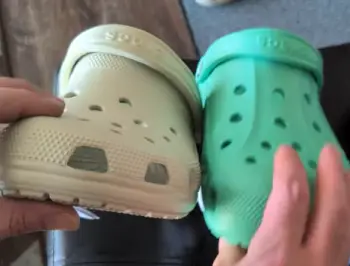
Durability is where both shine, but I’ve noticed nuances.
The Classic Clog’s single-piece Croslite build means no seams to split, and mine have endured scrapes from rocks and constant wear without fading much.
After a year, the color holds, and the foam bounces back.
Maintenance is simple: hose them off or wipe with soap, and they’re good. However, the holes can harbor dirt if not cleaned regularly.
The Baya Clog matches that toughness, but the side vents sometimes collect more stubborn debris, requiring a brush now and then.
In my experience, it’s just as resilient against cracks or wear, surviving drops and bends.
Both dry fast and resist odors, which is a plus for daily use. If you’re rough on shoes, like I am with outdoor tasks, either will last seasons, but proactive cleaning keeps them looking fresh.
Analytically, their value comes from this longevity—invest once, wear forever.
Personal Experiences and User Insights
As a regular user, I’ve gathered stories from friends too. One buddy with wide feet swears by the Classic for its forgiving fit during hikes, saying it never causes blisters.
Another with narrower arches prefers the Baya, noting how the snugness prevents slipping on inclines.
In my own routine, the Classic handles lazy Sundays best, while the Baya joins me for market runs.
Online chatter echoes this: many praise the Classic’s timeless comfort but note fit issues for slim feet.
Baya fans highlight the breathability but mention sizing quirks. It’s all about matching to your foot type—try them if possible.
Expanding on that, I’ve used the Classic in kitchens, where its lightness eases long stands, but wished for better slip resistance.
The Baya fared better in damp areas due to drainage. Friends in healthcare love both for quick slips on/off, but lean Classic for broader comfort.
If you’re active, Baya’s modern feel motivates more wear. These insights shape my view: neither is superior universally; it’s contextual.
Price and Value: Worth the Investment?
At similar prices, both offer solid bang for your buck. The Classic feels like a steal for its proven track record—I’ve gotten years from pairs without replacement.
Baya matches that, with added style justifying the cost for those wanting refinement. Sales often drop them under $40, amplifying value.
Compared to other clogs, their comfort-to-price ratio stands out.
If budget’s tight, start with either; you’ll get durability and ease that outlasts cheaper alternatives.
To elaborate, I’ve calculated wear-per-dollar mentally: daily use means pennies per step.
Both resist fading, so no frequent buys. Value peaks in multi-use scenarios—home, outdoors, travel. They’re investments in foot happiness.
When to Choose One Over the Other
If your days involve relaxed, indoor-outdoor transitions with broader comfort needs, go Classic.
For a touch more style and breathability in active settings, pick Baya.
I’ve alternated based on mood, but foot shape decides most. Test fits if you can.
In wrapping this up, I’ve shared my take on these two after plenty of real-world steps, and I hope it guides you toward the pair that clicks.
You might find, like I did, that both have a spot in your closet for different moments.
Whichever you choose, expect that signature Crocs ease to make your feet thank you.
Frequently Asked Questions (FAQ)
The main differences lie in ventilation and fit: Classic has top-border holes and a wider toe box, while Baya features side vents spelling “Crocs” for better drainage and a slightly narrower, snugger design.
Baya Clog is a variant of the iconic Crocs clog, with enhanced side ventilation via logo cutouts, offering a modern twist on the lightweight, comfortable Croslite foam design.
Yes, the Classic Clog provides lightweight, flexible comfort with a roomy fit that molds to your feet, ideal for casual wear.
Comfort varies by preference, but the Classic Clog ranks high for its all-around cushioning; lined versions or those with added insoles can enhance it further for specific needs.
Wrapping Up
In the end, both the Baya Clog and the Classic Clog are fantastic choices from Crocs, delivering that signature lightweight comfort and easy slip-on style.
The Classic wins if you love a roomier fit, iconic quirky look, and all-around versatility for relaxed days.
The Baya edges ahead if you want better breathability, a sleeker modern appearance, and a snugger feel for everyday errands or light activity.
Recent Posts
I spent months comparing budget options against established names after my last set of tires wore out sooner than expected.My goal here is to share what I learned from putting Dextero and...
AquaTru Carafe Vs. Classic: Which Is Actually Fits Your Kitchen?
I decided to write this comparison after months of testing both the AquaTru Carafe and the Classic in my own kitchen. Tracking covered daily use.Taste stayed consistent. Refill frequency...