
If you’re tired of harsh sunlight, rising indoor temperatures, fading furniture, or neighbors peeking through your windows, BDF window film is worth considering.
After testing it in different rooms and comparing it with other window tint brands, I found that BDF offers a solid balance of affordability, privacy, glare reduction, and heat control.
Whether you want a reflective film for daytime privacy or a blackout option for intense sunlight, you’ll probably find a version that fits your needs without overspending.
My First Experience Using BDF Window Film
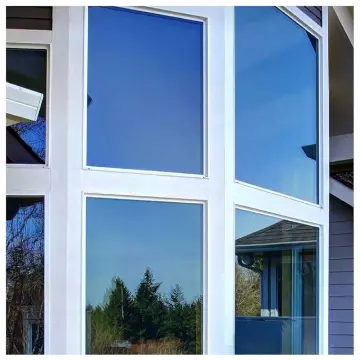
I first bought BDF window film because my living room turned into a sauna every afternoon.
The sunlight hitting the windows directly made the room uncomfortable, especially during summer.
My furniture was also starting to fade, and closing the curtains all day made the room feel dark and lifeless.
I wanted something affordable that could reduce heat without making the house look ugly from the outside.
After searching through dozens of options, I decided to try BDF window film because the reviews consistently mentioned easy installation, strong heat rejection, and good value for money.
I started with the reflective version for my west-facing windows.
The first thing I noticed was the packaging. The film arrived rolled securely, and the material felt thicker than I expected.
That actually made installation easier because it didn’t wrinkle as aggressively as some cheap films I had tried before.
I won’t pretend the installation was perfect on my first attempt though. You definitely need patience, especially when handling large sheets.
Once installed, the difference was immediate. The room felt noticeably cooler within a couple of days, especially during peak sunlight hours.
The glare on my TV almost disappeared, which honestly surprised me. During the daytime, the reflective effect also added a strong privacy layer.
From outside, people couldn’t easily see into the room unless they pressed close to the glass.
What impressed me most was the overall comfort improvement. You don’t realize how much direct sunlight affects your indoor environment until you reduce it. The room became more usable during the afternoon, and my AC didn’t seem to run as aggressively.
I also tested a frosted BDF film in my bathroom. That version focused more on privacy than heat rejection, but it still gave the space a cleaner and more modern appearance. Months later, both films are still holding up well with no bubbling or peeling around the edges.
Of course, BDF window film isn’t perfect. Installation requires attention to detail, and nighttime privacy with reflective films is weaker when interior lights are on.
Still, considering the price and overall performance, I ended up feeling that BDF delivers better value than many budget competitors.
What Is Bdf Window Film?
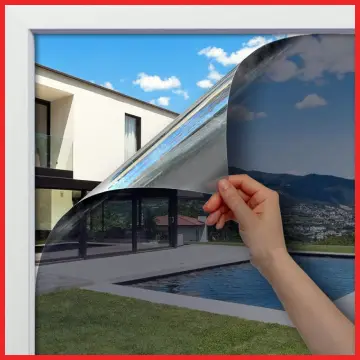
BDF window film is a type of adhesive window tint designed for residential and commercial use.
The brand offers multiple styles including reflective film, blackout film, frosted privacy film, decorative film, and UV-blocking options.
Most people buy BDF film for three main reasons: heat reduction, privacy, and glare control. Depending on the model you choose, the film can also block a significant amount of UV rays that contribute to furniture fading and indoor heat buildup.
What makes BDF stand out is its combination of affordability and versatility. Instead of paying premium prices for professional-grade tinting, you can install BDF film yourself and still achieve a surprisingly polished result.
Why I Think BDF Window Film Has Become So Popular?
One reason BDF window film keeps appearing in discussions online is that it targets everyday homeowners rather than luxury buyers. You don’t need specialized tools or expensive installers to use it.
The brand also offers multiple darkness levels and finishes. Some people want maximum privacy, while others mainly care about reducing sunlight without making rooms feel dark. BDF gives you enough variety to customize the experience.
I also think the price plays a huge role. A lot of premium window films cost dramatically more, especially when professional installation is included. BDF appeals to people who want practical improvement without turning it into a massive home project.
Pros Of BDF Window Film
- Excellent Heat Reduction
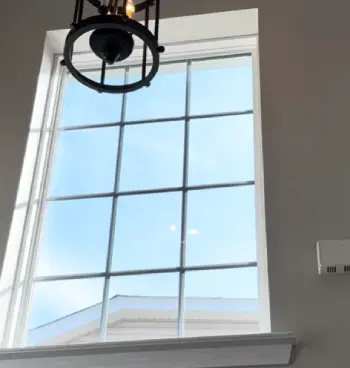
This was the biggest benefit for me. The temperature difference became noticeable almost immediately after installation. Rooms that previously felt overheated became much more comfortable during the daytime.
You especially notice the improvement on windows receiving direct afternoon sunlight. The film reduces solar heat penetration significantly, which can make your air conditioner work less aggressively.
Over time, this may also help reduce energy costs. While I didn’t calculate exact savings, my home definitely felt easier to cool.
- Strong Daytime Privacy
The reflective versions of BDF film provide impressive daytime privacy. During daylight hours, outsiders mainly see reflections instead of your interior space.
This makes a huge difference if you live close to neighbors or near busy streets. I liked being able to enjoy natural sunlight without feeling exposed.
The frosted options are also excellent for bathrooms, office spaces, and entry doors where you want privacy without complete darkness.
- Effective Glare Reduction
If sunlight constantly reflects off your TV or computer screen, you’ll appreciate this feature immediately.
Before installing BDF film, certain rooms in my home became almost unusable during bright afternoons. The glare reduction dramatically improved viewing comfort and reduced eye strain.
It also helped create a calmer atmosphere overall. Bright sunlight can feel harsh indoors, especially during summer.
- Affordable Compared to Premium Brands
This is where BDF really shines. You get a lot of performance for the price.
Some premium window films cost several times more, especially after professional installation fees. BDF provides a more budget-friendly entry point for homeowners who still want noticeable improvement.
I think this affordability is one of the biggest reasons the brand continues gaining popularity.
- Multiple Style Options
Not everyone wants the same appearance or function from window film.
BDF offers mirrored finishes, frosted privacy films, blackout options, and decorative styles. That flexibility allows you to match the product to your specific room and goal.
For example, I used reflective film in the living room and frosted film in the bathroom. Each served a completely different purpose.
- UV Protection
One underrated advantage of window film is protecting furniture, flooring, and decor from sun fading.
After installing BDF film, I noticed less direct UV intensity coming through the windows. Over the long term, this can help preserve indoor materials and reduce discoloration.
If you have hardwood floors, leather furniture, or expensive curtains, UV protection becomes even more valuable.
- Surprisingly Durable
I initially worried that cheaper window film would peel quickly or develop bubbles over time. Thankfully, my experience has been better than expected.
Months later, the film still looks clean and secure. The adhesive has remained stable, and I haven’t noticed major deterioration.
Of course, durability depends partly on proper installation and window conditions, but overall the quality exceeded my expectations.
- Good Option for Renters
Although some adhesive films can be tricky to remove, BDF still offers a more flexible solution than permanent window modifications.
If you’re renting and want temporary privacy or heat control improvements, this can be a practical alternative to replacing windows or installing expensive treatments.
Cons Of BDF Window Film
- Installation Can Frustrate Beginners
Even though the process is manageable, it still requires patience. If you rush the installation, the final result can look messy.
Dust contamination, crooked alignment, trapped bubbles, and uneven trimming are common beginner problems. Large windows especially can become difficult to handle alone.
If you hate detail-oriented projects, you may find installation stressful.
- Nighttime Privacy Isn’t Perfect
This is one of the most misunderstood aspects of reflective window film.
During the daytime, the reflective surface works extremely well. At night, however, interior lighting changes the effect. If your lights are on and it’s dark outside, people may still see inside.
You may still need curtains or blinds at night depending on your privacy needs.
- Some Rooms May Become Slightly Darker
Although I personally liked the softer lighting, darker films can reduce visible light noticeably.
If your room already lacks natural sunlight, choosing a very dark tint might make the space feel dimmer than expected.
That’s why choosing the right VLT level matters. Lower visible light transmission means darker windows.
- Edge Lifting Can Happen
Improper trimming or moisture exposure may cause corners to lift over time.
I avoided this issue by carefully sealing the edges and allowing proper curing time, but some users report peeling problems after poor installation.
This is especially important in humid environments like bathrooms and kitchens.
- Adhesive Removal Can Be Annoying
If you eventually remove the film, adhesive residue may remain on the glass.
Removing older film requires scraping, cleaning solutions, and patience. It’s not impossible, but it can definitely become tedious.
- Not Equal to Professional Ceramic Tint
While BDF performs well for the price, premium ceramic films still outperform it in some areas like optical clarity, longevity, and advanced heat rejection.
If you want absolute top-tier performance and don’t mind spending heavily, professional-grade products still hold an advantage.
Maintenance Tips For BDF Window Film
- Avoid Cleaning Too Soon After Installation
One of the biggest mistakes people make is cleaning the film immediately after applying it.
You should allow the film to fully cure before touching it aggressively. Depending on humidity and temperature, this may take several days or even a few weeks.
I waited about two weeks before doing any serious cleaning, and that helped prevent accidental shifting or peeling.
- Use Gentle Cleaning Products
Harsh chemicals can damage window film over time.
I stick to mild soap-water solutions and microfiber cloths. Ammonia-based cleaners are especially risky because they may weaken the film or affect the tint appearance.
Soft cleaning tools are equally important. Rough scrubbing pads can scratch the surface and ruin the finish.
- Inspect the Edges Regularly
The edges are usually the first area where problems develop.
Every few weeks, I quickly check for lifting corners or trapped moisture. Catching minor issues early helps prevent larger peeling problems later.
If you notice slight lifting, pressing the edge gently while applying heat from a hairdryer may help reseal it temporarily.
- Keep Sharp Objects Away From the Film
This sounds obvious, but scratches happen surprisingly easily near windows.
Pet claws, sharp decorations, furniture movement, or cleaning tools can damage the film surface. Once scratched deeply, the damage becomes difficult to hide.
I became much more careful when moving furniture near treated windows.
- Choose the Right Film Type for Each Room
This matters more than many people realize.
Reflective film works wonderfully in sunny living spaces, but frosted film may be better for bathrooms. Blackout film suits bedrooms better than kitchens.
Trying to use one film style everywhere can create disappointing results.
I learned that matching the film to the room’s purpose improves overall satisfaction dramatically.
- Install During Moderate Weather
Extreme temperatures make installation harder.
Very hot weather can cause the solution to dry too quickly, while cold conditions may affect adhesion. I had the best results during mild temperatures where I could work slowly without rushing.
Comparison Of BDF Windows Flim With Other Brand
- BDF Window Film vs Gila
Gila is probably one of the biggest competitors in the DIY window film market. After trying both, I think Gila feels slightly more beginner-friendly during installation. The adhesive and handling characteristics seem a bit more forgiving.
However, BDF often provides stronger reflective privacy effects and better value per square foot. I also found BDF’s heat rejection performance more noticeable in direct sunlight.
Gila works well for general home use, but BDF feels more performance-focused.
- BDF Window Film vs Rabbitgoo
Rabbitgoo is popular because many of its films use static cling instead of adhesive. That makes removal easier, especially for renters.
The downside is that static cling films sometimes feel less secure long term, especially in humid conditions. BDF’s adhesive design tends to feel more permanent and stable after curing.
In terms of privacy and glare reduction, I personally preferred BDF. Rabbitgoo wins for flexibility and easier repositioning.
- BDF Window Film vs HIDBEA
HIDBEA offers a similar budget-friendly approach, and both brands compete heavily online.
In my experience, BDF film felt slightly thicker and easier to smooth during installation. HIDBEA products sometimes feel thinner, which can increase wrinkling risk for beginners.
Performance differences weren’t dramatic, but BDF gave me a more premium overall impression despite the affordable pricing.
- BDF Window Film vs Professional Ceramic Tint
This comparison is important because expectations matter.
Professional ceramic tint usually delivers superior heat rejection without darkening windows excessively. It also tends to last longer and provide better optical clarity.
However, professional installation costs dramatically more. For many homeowners, BDF offers enough improvement to justify skipping premium pricing.
If you want strong performance on a reasonable budget, BDF makes far more sense financially.
Is BDF Window Film Worth It?
After months of use, I’d say yes for most homeowners.
You’re getting meaningful heat reduction, better privacy, UV protection, and glare control without spending a fortune. The installation process requires patience, but the final payoff can genuinely improve indoor comfort.
I especially recommend BDF if you have rooms suffering from direct sunlight exposure or privacy concerns during daytime hours.
It may not replace ultra-premium professional tinting systems, but for the price, the value is difficult to ignore.
Who Should Buy BDF Window Film?
If you want a budget-friendly way to improve indoor comfort, BDF is a smart option.
It works particularly well for homeowners dealing with hot rooms, excessive glare, fading furniture, or lack of daytime privacy. DIY enthusiasts will probably enjoy the process more than people who dislike hands-on projects.
Renters can also benefit, especially if they choose removable-friendly applications carefully.
Who Might Not Like It?
If you expect perfect professional-level clarity and effortless installation, you might feel disappointed.
People who want complete nighttime privacy from reflective film may also misunderstand its limitations. Additionally, anyone uncomfortable with careful DIY work may prefer hiring professional installers instead.
Also Read: Is Rabbitgoo Window Film Worth It?
Frequently Asked Questions (FAQ)
The best brand depends on your needs, but BDF, Gila, and Rabbitgoo are among the most popular choices for residential DIY window film.
Yes, BDF film performs well for heat reduction, privacy, glare control, and affordability.
BDF window film is produced under the BuyDecorativeFilm brand.
Common disadvantages include tricky installation, reduced nighttime privacy with reflective films, and possible peeling if installed incorrectly.
Final Verdict
BDF window film surprised me in a good way. I expected basic performance because of the affordable price, but the heat reduction, glare control, and daytime privacy turned out better than anticipated.
While installation requires patience and reflective films have nighttime limitations, the overall value remains impressive.
If you want a cost-effective way to make your home more comfortable while protecting your interior from harsh sunlight, BDF window film is absolutely worth considering.
Recent Posts
● Interactive 5-Zone Interior & Exterior Paint Blueprint Paint Coverage Calculator: Gallons, Primer, Square Footage & Cost Tap any architectural surface zone on the blueprint...
If you want smooth, shiny hair without spending a fortune on a premium styling tool, the Ella Bella hair dryer may be worth considering.In these Ella Bella hair dryer reviews, I’ll look...