
When I first started looking for a tankless water heater, I kept seeing Takagi come up in conversations, contractor recommendations, and online forums.
At first glance, the brand looked impressive because of its energy efficiency, compact design, and long-term savings claims.
But after researching real customer experiences and comparing it with competing brands, I realized Takagi tankless water heaters are not the perfect choice for everyone.
If you are considering buying one, you should understand both the strengths and the recurring complaints before spending your money.
This review will help you decide whether Takagi is actually worth it for your home.
My First Experience With Takagi Tankless Water Heaters
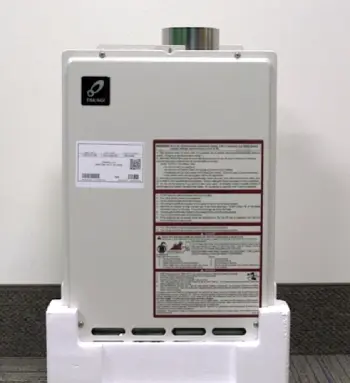
I’ll be honest with you — my experience with Takagi tankless water heaters was mixed.
At first, I was genuinely excited because the units looked modern, compact, and highly efficient compared to traditional storage water heaters.
I loved the idea of endless hot water and lower energy bills. If you live in a household where multiple people shower back-to-back, the concept sounds amazing.
The installation process, however, was not as simple as I expected. One thing I quickly noticed is that Takagi units often require professional installation, especially if you are replacing a conventional tank heater.
You may need gas line upgrades, venting modifications, or additional plumbing adjustments depending on your home setup. That means your “affordable” water heater can suddenly become expensive.
Once installed, the performance initially felt impressive. Hot water arrived quickly, and I noticed the temperature consistency was decent during shorter showers.
For smaller households, the system can work fairly well. I especially appreciated the space-saving design. Unlike bulky traditional tanks, the Takagi unit mounted neatly on the wall and freed up storage space.
But after extended use, several frustrations started to appear.
One issue I noticed was inconsistent temperature during simultaneous water use.
If someone was running the dishwasher while another person was showering, the water temperature occasionally fluctuated.
It wasn’t terrible every single day, but it happened enough to become annoying.
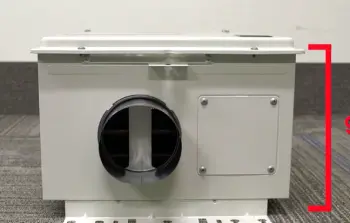
Another thing that bothered me was the maintenance sensitivity. Takagi systems need regular flushing to prevent mineral buildup, especially if you have hard water. Skipping maintenance can reduce efficiency and even damage internal components.
I realized pretty quickly that owning a tankless system is not as “set it and forget it” as many advertisements suggest.
I also found replacement parts harder to source compared to more mainstream brands. Some homeowners online mentioned long waits for repairs, and I personally understand that frustration. When your hot water system fails, you do not want to spend days hunting for compatible parts.
Customer service experiences were another mixed area. Some users reported smooth warranty claims, while others complained about slow support responses. That inconsistency made me question long-term reliability.
After comparing Takagi with brands like Rinnai and Navien, I personally felt those competitors often offered better smart features, wider service networks, and more consistent customer satisfaction.
Takagi is not completely terrible, but it definitely feels like a brand that works best under ideal conditions rather than real-world heavy daily use.
If you are someone who values simple maintenance, broad technician support, and worry-free ownership, you may want to explore alternatives before committing to Takagi.
What Makes Takagi Tankless Water Heaters Popular?
Despite the criticism, Takagi still has a loyal customer base. There are several reasons why homeowners continue considering the brand.
- Compact Design
One thing I genuinely liked was how compact the units are. Traditional tank heaters take up a large amount of floor space, but Takagi systems mount directly on the wall. If you live in a smaller house, apartment, or condo, this can be a major advantage.
- Endless Hot Water
Tankless systems are designed to heat water on demand instead of storing it in a tank. In theory, this means you can enjoy unlimited hot water as long as the unit is properly sized for your household.
For smaller families, Takagi systems often perform well enough to maintain comfortable showers without running out of hot water.
- Energy Efficiency
Takagi markets its products as energy-efficient alternatives to traditional water heaters. Since the unit only heats water when needed, you avoid the standby energy losses associated with storage tanks.
Over time, this can reduce utility bills, especially if your household uses large amounts of hot water daily.
- Long Lifespan Potential
With proper maintenance, Takagi units can last longer than traditional water heaters. Many tankless systems are designed to operate for 15–20 years, although actual longevity depends heavily on water quality and maintenance habits.
Pros Of Takagi Tankless Water Heaters
- Energy Savings Can Be Noticeable
One of the strongest advantages I noticed with Takagi systems is the potential for energy savings.
Because the heater operates only when hot water is needed, you avoid constantly reheating stored water throughout the day.
If you currently use an older tank heater, you may notice lower gas bills after switching. This becomes more beneficial in households where hot water usage is moderate rather than excessive.
For people who are environmentally conscious, the improved efficiency may also feel like a more responsible long-term investment.
- Space-Saving Installation
I cannot deny how much cleaner my utility area looked after switching to a tankless system. The wall-mounted design frees up valuable storage space.
This is especially useful if you live in a smaller home where every inch matters. Traditional water heaters can dominate laundry rooms and basements, while Takagi units stay relatively unobtrusive.
- Fast Water Heating Performance
Under normal usage conditions, Takagi units can provide hot water fairly quickly. Once the system activates, the heating process is efficient and consistent during single-use situations.
For example, one shower running at a time usually delivers reliable performance. If your household is smaller, you may find the experience perfectly acceptable.
- Reduced Risk of Tank Leaks
Traditional water heaters can develop catastrophic tank leaks over time. Since Takagi systems do not store gallons of water inside a tank, the risk of major flooding is reduced.
That alone can give some homeowners peace of mind.
- Longer Operational Life Than Traditional Tanks
When maintained properly, Takagi systems can potentially outlast standard water heaters. Many tank heaters fail around the 8–12 year mark, while tankless systems can theoretically last much longer.
However, I should stress that proper maintenance is absolutely critical here.
- Cleaner Modern Appearance
A lot of homeowners prefer the sleek, modern appearance of tankless systems. Takagi units generally look cleaner and more advanced than bulky conventional tanks.
If aesthetics matter to you, this can be a nice bonus.
- Better for Vacation Homes
If you own a vacation property or cabin, a tankless heater can make sense because it does not continuously heat stored water while the home is empty.
Takagi systems may work reasonably well in these lower-demand situations.
Cons Of Takagi Tankless Water Heaters
- Installation Costs Can Become Expensive
This was one of the biggest disappointments for me.
The unit itself may look reasonably priced initially, but installation expenses can quickly spiral upward. Gas line upgrades, venting requirements, and plumbing modifications can dramatically increase total costs.
In some homes, the installation price can actually exceed the cost of the heater itself.
If you are budgeting carefully, this is something you absolutely need to prepare for.
- Temperature Fluctuations During Heavy Usage
One recurring complaint I noticed — both personally and in customer reviews — involves inconsistent water temperature during simultaneous use.
If multiple fixtures run at the same time, the heater may struggle to maintain stable temperatures. You might experience sudden cold bursts or fluctuating shower temperatures.
For larger families, this issue can become extremely frustrating.
- Maintenance Requirements Are Higher Than Expected
A lot of advertisements make tankless systems sound maintenance-free, but that simply is not true.
Takagi units require regular descaling and flushing, especially in areas with hard water. Mineral buildup can seriously affect efficiency and damage components.
If you neglect maintenance, repair costs can become significant.
This means you either need to learn the maintenance process yourself or pay professionals regularly.
- Repairs and Parts Availability Can Be Frustrating
One thing that concerned me was the inconsistency of replacement part availability.
Compared to larger brands like Rinnai or Navien, Takagi parts may not always be easy to find locally. Some homeowners report waiting days or weeks for repairs.
That becomes a major issue if your water heater fails during winter.
- Customer Support Experiences Vary Widely
Some users praise Takagi support, while others describe extremely frustrating experiences.
The inconsistency itself is concerning. When you invest in a major home appliance, you want confidence that support will be reliable if problems appear later.
Unfortunately, Takagi does not always inspire that confidence.
- Sensitive to Water Quality
Hard water is a serious challenge for tankless systems in general, but Takagi units seem particularly sensitive to mineral buildup.
If you live in an area with poor water quality, you may need additional filtration systems or frequent descaling procedures.
That adds even more ongoing costs.
- Not Ideal for Large Households
If your home has multiple bathrooms and high simultaneous hot water demand, Takagi may struggle unless you buy a larger premium model.
Even then, some competing brands appear to handle high-demand situations more effectively.
- Noise Levels Can Surprise You
Some users report that Takagi units produce noticeable operational noise during heating cycles.
While not unbearably loud, the sound can become annoying if the unit is installed near living spaces.
Maintenance Tips For Takagi Tankless Water Heaters
- Flush the System Regularly
If you own a Takagi unit, flushing the system is one of the most important things you can do.
Mineral buildup gradually accumulates inside the heat exchanger, especially in hard water areas. Over time, this buildup reduces efficiency and can eventually damage internal components.
I recommend flushing the system at least once a year. In areas with extremely hard water, you may need to do it every six months.
Using a vinegar solution during flushing can help dissolve mineral deposits effectively.
- Install a Water Softener if Necessary
If your home has hard water, adding a water softener can dramatically improve the lifespan of your Takagi heater.
Hard water is one of the biggest reasons tankless systems fail prematurely. A softener helps reduce scaling and lowers maintenance frequency.
While it adds upfront cost, it may save you significant repair expenses later.
- Clean the Inlet Filter Frequently
Takagi systems contain inlet filters that help protect internal components from debris.
These filters can become clogged over time, reducing water flow and performance. I suggest checking and cleaning them regularly.
Fortunately, this is usually a simple maintenance task you can do yourself.
- Schedule Professional Inspections
Even if your system seems fine, periodic professional inspections are worth considering.
A technician can identify small issues before they turn into expensive repairs. They can also verify that venting, gas pressure, and system performance remain safe and efficient.
- Monitor Error Codes Immediately
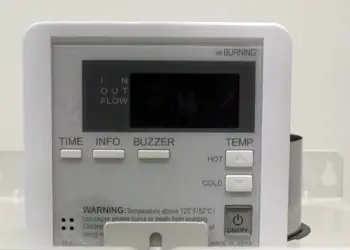
Takagi units display diagnostic error codes when problems occur.
Do not ignore these warnings. Addressing issues early may prevent larger system failures later.
Keeping the user manual nearby helps you quickly interpret error messages.
- Keep Venting Areas Clear
Proper airflow is critical for safe operation.
You should regularly inspect venting areas to ensure nothing is blocking airflow. Dust, debris, or outdoor obstructions can negatively affect performance.
- Avoid Overworking the System
One mistake many homeowners make is purchasing an undersized unit.
If your Takagi heater constantly struggles to meet demand, the extra workload may shorten its lifespan.
Always choose a model that properly matches your household’s hot water needs.
- Use Quality Installation Professionals
Honestly, proper installation makes a massive difference with tankless systems.
Poor installation can lead to endless performance issues, inefficient operation, and warranty complications.
If you decide to buy a Takagi unit, hiring an experienced installer is extremely important.
Comparison Of Takagi With Other Tankless Water Heater Brands
- Takagi vs Rinnai
From my perspective, Rinnai generally feels more refined and dependable overall.
Rinnai offers broader service support, better smart features, and more consistent customer satisfaction. The brand also seems better equipped for large households with heavy hot water demands.
Takagi may sometimes cost slightly less upfront, but Rinnai often delivers a smoother ownership experience.
- Takagi vs Navien
Navien is one of the strongest competitors in the tankless market.
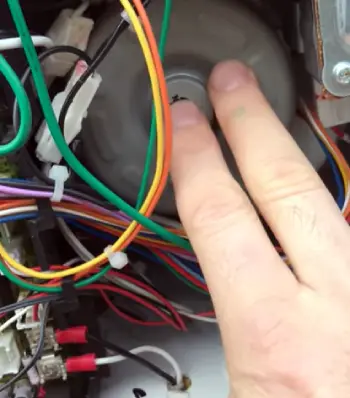
Compared to Takagi, Navien units often provide superior energy efficiency and advanced recirculation technology. Many homeowners also prefer Navien’s quieter operation.
However, Navien systems can be more complex and expensive to repair.
Even so, I personally feel Navien often delivers better long-term value.
- Takagi vs Rheem
Rheem tends to offer more budget-friendly options and wider retail availability.
Finding Rheem parts and technicians is usually easier than finding Takagi support. For average homeowners seeking convenience, Rheem may feel more accessible.
That said, some Rheem models also receive mixed reliability reviews.
- Takagi vs Bosch
Bosch tankless water heaters often emphasize quiet operation and energy efficiency.
Compared to Takagi, Bosch systems sometimes provide a more premium feel, although prices can also be higher.
Takagi may appeal more to budget-conscious buyers, but Bosch frequently wins in refinement.
- Takagi vs A. O. Smith
This comparison causes confusion because some people believe the brands are directly connected.
While there are manufacturing relationships in certain markets, Takagi and A. O. Smith are not identical companies.
A. O. Smith often has stronger retail presence and broader customer support in North America.
Who Should Avoid Buying Takagi Tankless Water Heaters?
Based on my experience and research, I would be cautious about recommending Takagi to certain homeowners.
If you have a large family with multiple simultaneous hot water demands, you may experience frustrating performance limitations.
If you live in an area with hard water and dislike ongoing maintenance, Takagi ownership could become stressful.
You may also want to avoid Takagi if reliable customer support and easily available replacement parts are priorities for you.
People looking for a simple, maintenance-light appliance may ultimately feel disappointed.
Who Might Still Like Takagi?
To be fair, Takagi is not a disaster for everyone.
If you have a smaller household with moderate hot water usage, the system may work reasonably well.
Homeowners who prioritize energy savings, compact design, and wall-mounted convenience may still appreciate the brand.
If you stay proactive with maintenance and use professional installation, you may avoid many common problems.
Still, I personally think there are stronger alternatives available in today’s tankless market.
Frequently Asked Questions (FAQ)
Takagi is considered a decent mid-range tankless water heater brand, but customer experiences vary significantly. Some homeowners appreciate the efficiency and compact design, while others complain about maintenance demands, inconsistent temperatures, and customer support issues. I personally think the brand works best for smaller households rather than large families with heavy hot water usage.
Many professionals and homeowners consider brands like Rinnai, Navien, and Bosch among the most reliable tankless water heater manufacturers. Reliability often depends on proper installation, water quality, and regular maintenance.
No, Takagi and A. O. Smith are not the same company. However, there have been manufacturing partnerships and business relationships involving certain water heater products. This sometimes creates confusion among buyers.
Takagi itself is not being discontinued. The brand still manufactures and sells tankless water heaters in several markets. However, some specific models may occasionally be phased out or replaced with newer versions.
Final Verdict
After spending time researching and experiencing Takagi tankless water heaters firsthand, I can understand why the brand attracts attention.
The compact design, energy efficiency, and endless hot water concept are genuinely appealing.
But once you move beyond the marketing, the ownership experience becomes less impressive.
Maintenance demands, inconsistent temperature performance, repair concerns, and mixed customer support make it difficult for me to strongly recommend Takagi over competing brands.
If you are determined to buy a tankless water heater, I believe you should carefully compare Takagi with alternatives like Rinnai, Navien, or Bosch before making your final decision.
You may end up paying slightly more upfront for those brands, but the long-term experience could be significantly smoother and less frustrating for you.
Recent Posts
● Interactive 5-Zone Interior & Exterior Paint Blueprint Paint Coverage Calculator: Gallons, Primer, Square Footage & Cost Tap any architectural surface zone on the blueprint...
If you want smooth, shiny hair without spending a fortune on a premium styling tool, the Ella Bella hair dryer may be worth considering.In these Ella Bella hair dryer reviews, I’ll look...