
If you’re struggling with sleep and considering a supplement, you’ve probably come across Beam Dream Powder.
I understand the appeal—it promises calm nights, deeper rest, and a cozy nighttime ritual. But before you spend your money, you deserve a real, experience-based perspective.
After trying it myself and researching what others are saying, I’ll walk you through whether it’s actually worth buying—and more importantly, whether you should.
My Personal Experience With Beam Dream Powder
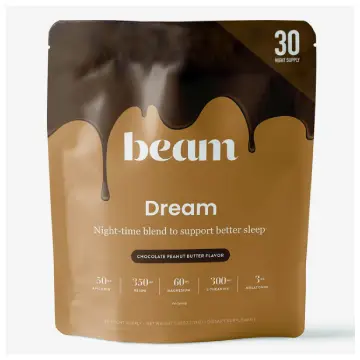
I’ll be honest with you—I went into this with high expectations.
The branding is soothing, the idea of a warm nighttime drink feels comforting, and the ingredient list looks impressive at first glance.
I wanted something that would help me wind down after long, mentally exhausting days.
The first night I tried Beam Dream Powder, I followed the instructions exactly—mixed it with warm water, stirred it well, and drank it about 30 minutes before bed.
The taste? Surprisingly pleasant. It had that slightly sweet, cocoa-like flavor that made it feel more like a treat than a supplement.
But here’s where things get real.
That first night, I didn’t notice any dramatic change. I still tossed and turned a bit, and while I eventually fell asleep, it didn’t feel significantly different from my usual nights.
I told myself maybe it needed time to build up in my system.
So I kept going.
Over the next week, I used it consistently. Some nights felt slightly better—I noticed a mild sense of relaxation, like my body was being nudged toward rest.
But other nights? No difference at all. It was inconsistent, and that’s where my skepticism started to grow.
I also paid attention to how I felt in the mornings. Sometimes I woke up refreshed, but other times I felt groggy, almost like my sleep quality hadn’t actually improved—just changed.
What stood out most to me was this: Beam Dream Powder didn’t deliver reliable results. And when you’re dealing with sleep—something so crucial—you don’t want “maybe it works tonight” as your outcome.
I also looked into reviews from other users, and I wasn’t alone. Many people reported similar experiences: pleasant taste, calming ritual, but inconsistent sleep benefits. Some even mentioned no effect at all despite weeks of use.
At that point, I started questioning whether the product itself was the solution—or if the calming bedtime routine was doing most of the work.
What Is Beam Dream Powder, Really?
Beam Dream Powder is marketed as a sleep-support supplement designed to help you relax and fall asleep naturally.
It typically includes ingredients like magnesium, melatonin, L-theanine, reishi mushroom, and nano hemp (CBD).
On paper, this sounds like a powerful blend. Each ingredient has some association with relaxation or sleep support.
But the effectiveness of a product isn’t just about what’s included—it’s about how well those ingredients work together and how consistently they deliver results.
And from my experience, that’s where things get shaky.
Pros Of Beam Dream Powder
- Creates a Soothing Bedtime Ritual
One of the biggest advantages of Beam Dream Powder is how it encourages a ritualistic bedtime routine.
Drinking a warm beverage before sleep can signal your brain that it’s time to relax, and Beam makes this process enjoyable.
I noticed that even on nights when the powder didn’t make me fall asleep faster, the act of preparing and sipping it gave me a moment to pause and unwind.
This ritual alone can reduce nighttime stress. If your evenings are hectic, this gentle pause could help calm your mind.
It’s a psychological effect that complements sleep—but it’s worth noting: you could achieve a similar result with a simple cup of chamomile tea or warm milk. The powder just makes the ritual a bit more indulgent.
- Pleasant Taste Encourages Consistency
Beam Dream Powder is designed to taste like a mild hot cocoa or latte, and it actually succeeds.
One of the most frustrating aspects of supplements is unpleasant taste, which often leads to skipping doses. Beam avoids this issue—its flavor is smooth, slightly sweet, and comforting.
- Includes Popular, Science-Backed Ingredients
The formula includes ingredients that are known for relaxation and sleep support:
- Magnesium: Helps muscles relax and reduces tension in the nervous system.
- Melatonin: Supports the body’s natural sleep-wake cycle.
- L-theanine: Promotes calmness without causing sedation.
- Reishi mushroom: Linked to stress reduction and immune support.
- Apigenin: Found in chamomile, may contribute to relaxation.
Individually, these ingredients have scientific evidence supporting their sleep-enhancing properties.
While the combination doesn’t guarantee effectiveness, knowing the product uses recognized sleep-friendly compounds is reassuring for someone cautious about ingredients.
- Provides Mild Relaxation
In my experience, Beam Dream Powder offers a subtle calming effect. About 20–40 minutes after drinking it, I noticed a sense of relaxation, reduced racing thoughts, and a readiness for sleep.
This is valuable for people who struggle with light stress or mild difficulty falling asleep.
While it doesn’t force you to sleep, it nudges your body in the right direction. For me, it was the equivalent of a gentle reminder for my mind and body to unwind.
- Clean and Transparent Label
Beam caters to people who are ingredient-conscious: it is vegan, non-GMO, gluten-free, and dairy-free, with no added sugar. For those who prioritize clean-label products, this is reassuring. You’re not putting unknown fillers or artificial additives into your system, which makes it safer for long-term use compared to some other sleep powders.
Cons Of Beam Dream Powder

- Highly Inconsistent Results
This is the main downside. Some nights, Beam helped me relax and fall asleep slightly faster. Other nights, it felt completely ineffective.
Sleep is unpredictable enough without relying on a supplement that might not work when you need it most.
From personal experience and other users’ feedback, this inconsistency is common. Sleep products need to deliver reliable results, and Beam doesn’t always do that.
If you’re struggling with serious insomnia or irregular sleep patterns, it may not meet your expectations.
- Expensive Relative to Effectiveness
At its retail price, Beam Dream Powder is expensive, especially when its effects are inconsistent.
Comparatively, a basic magnesium supplement or melatonin pill often costs less and can produce similar results. The premium price of Beam is partly justified by taste and branding—but if the end result isn’t consistent, it doesn’t feel like a good value for money.
- Morning Grogginess Can Occur
Despite claims that it won’t leave you groggy, some users (including myself occasionally) reported feeling sluggish in the morning.
This may be due to melatonin or the way your body metabolizes the ingredients.
If you need to wake up early or have a high-energy morning routine, this grogginess can be problematic.
It’s not guaranteed to happen every time, but it’s a risk factor to consider.
- Not a Strong Solution for Serious Sleep Problems
Beam Dream Powder is best described as a mild relaxation aid, not a sleep solution. For people with chronic insomnia, severe anxiety, or ongoing sleep disruptions, it likely won’t be enough.
Expecting it to “cure” sleep problems can lead to disappointment. It’s more effective as a supplementary tool for people who already have a somewhat healthy sleep routine.
- Preparation Requires Effort
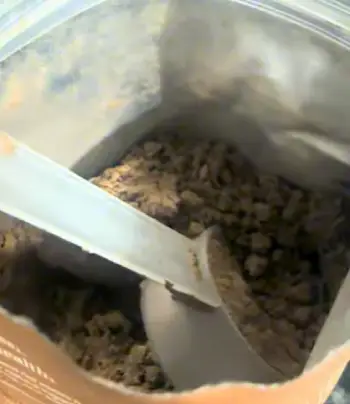
Unlike capsules or tablets, Beam must be mixed with hot water or milk and stirred well. It doesn’t always dissolve perfectly, and it can be a bit messy if you’re in a rush or extremely tired.
For some, this extra preparation step may feel inconvenient, especially if you’re seeking a quick, grab-and-go sleep aid.
Tips For Beam Dream Powder
- Stick to a Consistent Sleep Schedule
If you decide to try Beam Dream Powder, don’t rely on it alone. Your sleep schedule plays a massive role in how well you rest. Try going to bed and waking up at the same time every day.
The powder might support relaxation, but it won’t fix an irregular routine.
- Pair It With a Screen-Free Wind-Down Period
One thing that made a bigger difference for me than the powder itself was reducing screen time before bed. Blue light from phones and laptops can interfere with your natural sleep cycle.
If you combine Beam with a no-screen rule for 30–60 minutes before bed, you might notice better results.
- Use It as a Supplement, Not a Solution
Think of Beam Dream Powder as an add-on, not a fix. It can complement healthy habits, but it shouldn’t be your primary strategy for better sleep.
If you’re expecting it to solve everything on its own, you’ll likely be disappointed.
- Monitor How Your Body Responds
Pay attention to how you feel after taking it—both at night and in the morning. If you notice grogginess or no improvement after a couple of weeks, it may not be the right fit for you.
Your body’s response is the most important indicator.
- Avoid Overuse
Even though it’s marketed as natural, it still contains active ingredients like melatonin. Using it every night long-term might not be ideal for everyone.
Give your body breaks and see how you sleep without it.
Comparison Beam Dream Powder With Other Brands

- Beam Dream Powder vs Traditional Melatonin Supplements
When I compared Beam Dream Powder to basic melatonin tablets, I noticed something interesting.
The tablets often produced more noticeable results—faster sleep onset and fewer restless nights.
Beam, on the other hand, felt gentler but also less effective. If you’re looking for something strong and predictable, traditional melatonin might actually outperform it.
- Beam Dream Powder vs Magnesium-Based Sleep Aids
Magnesium supplements alone can sometimes provide similar relaxation benefits at a lower cost.
When I tried standalone magnesium, I experienced a comparable calming effect without the added expense.
This made me question whether Beam’s complex formula is truly necessary.
- Beam Dream Powder vs Herbal Sleep Teas
Herbal teas like chamomile or valerian root offer a similar bedtime ritual without the high price.
While they may not be as “marketed,” they often provide a consistent calming effect.
In some ways, Beam feels like a premium version of something you can achieve more simply.
- Beam Dream Powder vs CBD Oils
Since Beam includes nano hemp, I also compared it to standalone CBD oils. Interestingly, CBD oils provided a more noticeable sense of calm for me.
Beam’s effect felt diluted in comparison, possibly due to lower potency or formulation differences.
Also Read: Comparison Of Live It Up Greens And Ag1
Frequently Asked Question(FAQ)
It can work—but not reliably.
You might feel slightly more relaxed, and on some nights, it may help you fall asleep a bit easier. But the results aren’t consistent enough to depend on.
If you’re expecting a noticeable transformation in your sleep quality, you’ll likely be underwhelmed.
The ingredients themselves are generally considered safe when used appropriately. Magnesium, L-theanine, and melatonin are widely used in sleep supplements.
However, “healthy” doesn’t automatically mean “effective.” Just because something contains beneficial ingredients doesn’t guarantee it will work well for you.
Moderation and awareness are key.
From my experience, the most effective approach isn’t a single product—it’s a combination of habits.
A consistent sleep schedule, reduced screen time, a calm bedtime routine, and stress management often outperform supplements alone.
If you do choose a supplement, simpler and more targeted options sometimes work better than complex blends.
You can, but it doesn’t mean you should.
Using it occasionally as part of a routine might be fine, but relying on it every night could reduce your body’s natural ability to regulate sleep.
It’s better to use it sparingly and focus on building sustainable sleep habits.
Wrapping Up
After using Beam Dream Powder and analyzing real user experiences, I can’t confidently recommend it.
While it offers a pleasant routine and mild relaxation, the inconsistent results and high cost make it hard to justify.
If you’re curious, you can try it—but go in with realistic expectations.
There are simpler, more reliable, and more affordable ways to improve your sleep.
Recent Posts
● Interactive 5-Zone Interior & Exterior Paint Blueprint Paint Coverage Calculator: Gallons, Primer, Square Footage & Cost Tap any architectural surface zone on the blueprint...
If you want smooth, shiny hair without spending a fortune on a premium styling tool, the Ella Bella hair dryer may be worth considering.In these Ella Bella hair dryer reviews, I’ll look...