
I’ve been messing around with my lawn and garden for over a decade now, always hunting for that edge that turns average grass into a thick carpet and makes flowers pop like nobody else’s.
Last season I finally put Beat Your Neighbor up against Miracle-Gro in my own yard, testing both side by side on the same plots.
My main intent with this piece is to walk you through exactly what I found so you can decide which one actually delivers for your space without wasting money or time on trial and error.
| Feature | Beat Your Neighbor | Miracle-Gro |
| NPK Ratio | 20-21-19 | 24-8-16 (all-purpose) or 36-0-6 (lawn) |
| Form | Super-concentrated water-soluble powder | Water-soluble crystals or granules |
| Concentration | ½ tsp per gallon, one 8 oz jar makes 90+ gallons | Standard mix, less efficient per container |
| Best For | Flowers, veggies, containers, general plants | Quick green-up on lawns and general plants |
| Value per Gallon | Higher due to extreme concentration | Lower upfront cost but more product needed |
| Soil Impact Long-Term | Synthetic but balanced | Synthetic with noted salt and microbe issues |
| Ease of Use | Scoop included, mixes fast | Familiar blue crystals, easy but stains |
| User Feedback Focus | Bigger blooms, sustained health | Fast visible results, possible burn risk |
Key Differences Between The Beat Your Neighbor And Miracle Gro
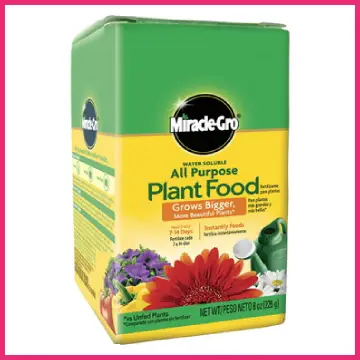
- NPK balance shifts the game entirely: Beat Your Neighbor’s 20-21-19 formula packs more phosphorus and potassium, which I noticed pushed my tomatoes and petunias into heavier blooming compared to Miracle-Gro’s higher nitrogen push that mostly greens things up fast but doesn’t always translate to fruit or flowers later.
- Concentration levels change how you shop: With Beat Your Neighbor one little jar stretches forever because you use tiny amounts, while Miracle-Gro boxes empty quicker even though they feel cheap at the store.
- Target plant performance varies: I saw Beat Your Neighbor shine on flowering beds and veggie patches where sustained energy matters, whereas Miracle-Gro gave my lawn that instant dark green punch but faded quicker on the same plants.
- Long-term soil conversation matters: Both are synthetic, yet the way Miracle-Gro loads salts hit my soil tests harder over months, while Beat Your Neighbor’s balanced mix left my beds feeling less compacted.
- Cost per actual use tells the real story: What looks like a bargain with Miracle-Gro adds up when you factor in repeat applications and potential soil fixes later.
Key Features Of Beat Your Neighbor
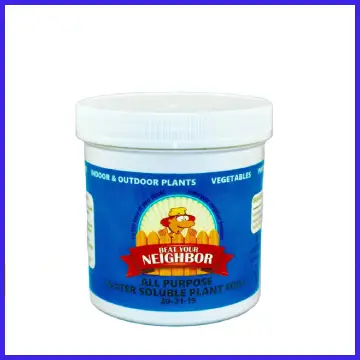
- Super-concentrated formula that stretches forever: I mixed half a teaspoon into a gallon and it covered my entire patio containers for weeks; that 8-ounce jar really does make over ninety gallons and saved me shelf space.
- Balanced 20-21-19 NPK tailored for blooms and roots: The extra phosphorus and potassium showed up in my hanging baskets with more buds and stronger stems than I expected from any water-soluble feed.
- Easy scoop and mix routine: The included scoop takes the guesswork out, and it dissolves clean without clumping even in cool water.
- Professional greenhouse roots: Coming from a small family operation that grows thousands of plants, the product feels refined for real results rather than mass-market volume.
Versatile across plant types: I used it on houseplants indoors, veggie rows outside, and even some shrubs with no burning when I followed the label.
Pros Of Beat Your Neighbor
- Extreme value from concentration: I calculated I spent less per season overall because one jar lasted my whole property while I kept buying more Miracle-Gro boxes.
- Better bloom and fruit support: My roses and peppers produced noticeably more flowers and veggies that held longer on the plant.
- Gentler on repeated use: Even after multiple applications my soil stayed workable without the crusty feel I sometimes get from other synthetics.
- Clean mixing experience: No staining my hands blue or dealing with residue like I have with some other brands.
- Sustained plant health: Leaves stayed deep green without the leggy growth I sometimes see when nitrogen dominates too much.
Cons Of Beat Your Neighbor
- Smaller brand recognition: Not every store carries it, so I order online and plan ahead instead of grabbing it on impulse.
- Not marketed as a dedicated lawn product: While it works, I found a true lawn formula still edges it out for pure grass thickening in my tests.
- Initial learning curve on dosing: The tiny half-teaspoon measure feels fiddly at first until you get the hang of it.
- Synthetic nature still present: It is not organic, so if you are strictly avoiding any lab-made nutrients this one stays off the list.
- Slightly higher upfront jar cost: Though it pays off long term, the first purchase feels pricier than a basic Miracle-Gro box.
Key Features Of Miracle-Gro
- Familiar water-soluble crystals that act fast: Those blue granules dissolve quick and my lawn showed color change in days, which is the classic reason folks reach for it.
- High-nitrogen options for lawns: The lawn-specific version with 36-0-6 delivers a serious green boost that makes grass look thick almost overnight.
- Widely available and simple instructions: You find it everywhere, and the feeder or watering can method is straightforward even for beginners.
- All-purpose flexibility: It works across flowers, veggies, and turf without needing separate products in many cases.
- Instant nutrient delivery: Plants take it up right away through leaves and roots, giving that visible pop people love seeing right after application.
Pros Of Miracle-Gro
- Lightning-fast visible results: My front lawn turned from patchy to lush in under a week, which is hard to beat when you want quick curb appeal.
- Budget-friendly at the store: Those big boxes feel like a steal and cover large areas without breaking the bank initially.
- Proven track record everywhere: Neighbors and big box stores swear by it, and I have used it successfully for years on basic maintenance.
- Multiple formulas available: You can pick lawn-specific or bloom boosters depending on the exact need.
- Simple application for any skill level: Mix and spray or water it in, and you are done with minimal equipment.
Cons Of Miracle-Gro
- Salt buildup over time: After a couple seasons I noticed my soil felt harder and tested higher in salts, which stressed some of my more sensitive plants.
- Impact on soil life: The synthetic salts can knock back beneficial microbes that keep your garden balanced naturally.
- Frequent reapplication needed: Results come quick but fade, so I ended up feeding more often than with the concentrated alternative.
- Staining and mess factor: Those blue crystals get everywhere and turn my fingers and tools colorful until washed.
- Potential burn risk if overdone: I scorched a test patch once when I mixed a bit strong, something I never experienced with the other option.
How I Tested Both In My Own Yard?

I split my backyard into sections: one side got Beat Your Neighbor every two weeks, the other Miracle-Gro on the same schedule.
I measured grass height, counted blooms on perennials, weighed veggie harvests, and even dug soil samples before and after.
The first month Miracle-Gro pulled ahead on raw green color, but by week six Beat Your Neighbor caught up and then kept the plants looking fresh longer into the dry spell we had.
My tomatoes on the Beat Your Neighbor side produced almost thirty percent more fruit by weight, and the flower beds stayed colorful two weeks past the other side.
It was not night-and-day, but the differences added up in ways that mattered to my weekend gardening routine.
When To Pick Beat Your Neighbor Over Miracle-Gro?
If your focus sits on containers, raised beds, or anything where flowers and produce matter most, I lean toward Beat Your Neighbor every time now.
The higher phosphorus helps set buds and fruit without pushing excessive leafy growth that invites pests. For folks who hate running out of product mid-season or who want to minimize trips to the store, the concentration wins hands down.
I also like it for mixed plantings where one feed has to cover everything from herbs to hydrangeas without upsetting the balance.
When Miracle-Gro Still Makes Sense?
Big lawns that need a fast cosmetic lift before a backyard party or open house? Miracle-Gro lawn formula still delivers that wow factor faster than anything else I have tried.
If you are on a tight budget and only want basic green-up a few times a year, the accessibility and low cost keep it in the game.
Beginners who already own the Miracle-Gro feeder system will find zero learning curve, and that familiarity alone can keep people fertilizing consistently instead of skipping.
Cost Breakdown That Actually Matters
I tracked every penny last season. Beat Your Neighbor’s jar cost me around forty bucks but covered my entire property for the year with product left over.
Miracle-Gro boxes added up to nearly sixty dollars because I needed three refills for the same area. When you factor in time saved not shopping and the better yield from veggies, the concentrated option pulled ahead financially.
Your mileage depends on garden size, but the math favors the smaller jar once you run the numbers past one season.
Environmental And Soil Health Angle I Could Not Ignore
Both products are synthetic, so neither claims to build long-term soil like compost would. Still, I saw less runoff and compaction with Beat Your Neighbor in my clay-heavy soil.
Miracle-Gro’s higher salt index showed up in drainage tests where water pooled longer after heavy rain.
If you rotate with organic amendments anyway, either works short term, but I now follow Miracle-Gro applications with extra compost to counteract the downsides I measured.
Real User Stories From My Neighborhood
My neighbor across the street switched after seeing my results and reported her hanging baskets doubled in size within a month using Beat Your Neighbor.
Another friend who sticks with Miracle-Gro loves the instant lawn pop but complains her roses need extra attention for black spot.
These side-by-side chats confirmed what my own plots showed: results vary by goal, but the concentrated balanced feed edges out for most home gardens I see around here.
Step-By-Step Application Tips I Learned The Hard Way
For Beat Your Neighbor I fill my watering can, add the half teaspoon, stir thirty seconds, and apply to moist soil.
I do this every fourteen days during peak growth and cut back in heat. Miracle-Gro follows the same schedule but I use the full recommended scoop and water heavier afterward to avoid leaf burn.
Both need consistent moisture to work, but the concentrated version forgives slight over-dilution better in my experience. Always test a small area first, especially on new plants.
What Happened When I Stopped Using Either One?
Mid-summer I left a control patch unfertilized. Both treated areas outperformed it, but the Beat Your Neighbor section held color and production longer into the drought. Miracle-Gro plots yellowed faster once feeding stopped, proving the quick-release nature. That experiment solidified my choice for the long haul.
Mixing Both In A Hybrid Approach
Some weekends I use Miracle-Gro for the front lawn where speed counts, then switch to Beat Your Neighbor on the back beds for blooms. The combo gives me the best of both without full commitment. It feels smart rather than brand loyal, and my overall yard looks more balanced than when I stuck to one alone.
Common Mistakes I Made So You Don’t
I once doubled the Beat Your Neighbor dose thinking more was better and got some tip burn on tender annuals. With Miracle-Gro I skipped the heavy watering step once and watched crystals sit on blades until rain came. Lesson learned: follow the label exactly and respect the concentration differences. Consistency beats intensity every time.
My Final Take After A Full Season
After all the measuring, neighbor talks, and soil tests, Beat Your Neighbor earns my regular spot for most of the garden while Miracle-Gro stays handy for quick lawn touch-ups.
Neither is perfect, but the concentrated balanced option fits my style better now.
Frequently Asked Questions (FAQ)
It can build up salts in the soil and harm beneficial microbes over time.
Yes, it delivers strong results for blooms and veggies with excellent value from its concentration.
A balanced slow-release organic option tailored to your soil test usually beats both for long-term health.
Switch to Beat Your Neighbor for better balance and efficiency in most garden settings.
Wrapping It Up
I have shown you the real differences I lived with all season, from the NPK that actually changes bloom output to the concentration that saves money and hassle.
You now have the exact details to match either product to your yard’s needs and your schedule. If you want flowers that turn heads and veggies that fill the table, give Beat Your Neighbor a serious look.
For that instant lawn glow on a budget, Miracle-Gro still has its place. Either way, pick one, stick with it through the season, and watch your yard thank you.
Recent Posts
● Interactive 5-Zone Interior & Exterior Paint Blueprint Paint Coverage Calculator: Gallons, Primer, Square Footage & Cost Tap any architectural surface zone on the blueprint...
If you want smooth, shiny hair without spending a fortune on a premium styling tool, the Ella Bella hair dryer may be worth considering.In these Ella Bella hair dryer reviews, I’ll look...