
If you’re considering the Bella coffee machine because of its low price or attractive design, I want you to pause for a moment before making that decision.
I’ve used this machine and tested it in a real daily routine, and while it looks promising on paper, the actual experience is more complicated than marketing suggests.
In this review, I’ll share my honest findings, what worked, what didn’t, and whether it truly fits a regular coffee drinker’s expectations.
My First Experience With The Bella Coffee Machine
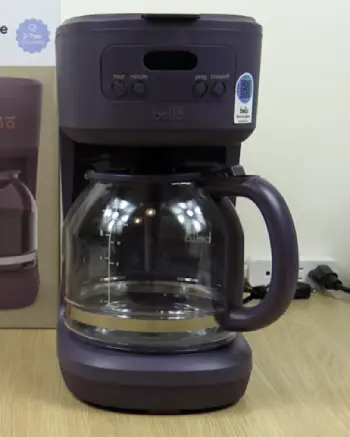
When I first brought the Bella coffee machine into my kitchen, I was honestly excited. It looked compact, modern, and simple enough for everyday use.
I placed it right next to my kettle, imagining quick morning coffees without hassle. The first impression was fine—the machine is lightweight and doesn’t take much space, which is helpful if you have a small kitchen like mine.
But things started to feel different after a few days of consistent use. The brewing process is straightforward, yes, but not very consistent.
Sometimes the coffee came out weaker than expected, even when I used the same amount of grounds. Other times, it brewed slightly stronger, but not in a controlled or repeatable way. That inconsistency is something I noticed early on.
The water reservoir is also quite basic. Filling it is easy, but it lacks clear measurement indicators that actually help you control output precision. As someone who drinks 2–3 cups daily, I found myself guessing more than I should have.
Noise level was another thing I paid attention to. It’s not extremely loud, but it’s definitely not whisper-quiet either.
If you’re making coffee early in the morning while others are still sleeping, you’ll notice it.
Cleaning it is manageable, but not as effortless as some higher-end machines I’ve used. The drip tray needs frequent emptying, and the internal components tend to retain coffee residue if not cleaned regularly.
Over time, I started comparing it mentally to machines I’ve used before, and that’s when the gaps became clearer.
It’s functional, yes—but it feels more like a “starter coffee machine” rather than something built for long-term satisfaction.
What stood out most to me is that the Bella coffee machine works best when expectations are kept low. If you expect café-level consistency or durability, you may end up disappointed.
But if you just need something basic for occasional coffee, it can technically do the job.
Still, I wouldn’t call it a stress-free experience. I found myself adjusting more than enjoying, and that’s usually a sign that a machine isn’t fully meeting daily needs.
Pros Of The Bella Coffee Machine
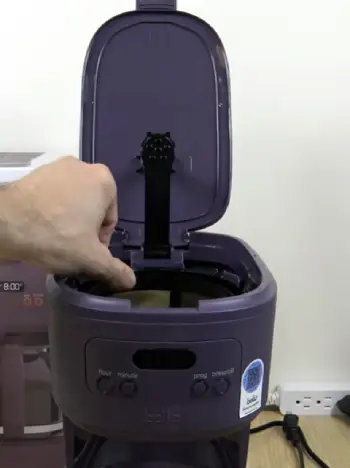
- Compact and Space-Saving Design
One of the strongest advantages I noticed is its size. The Bella coffee machine fits easily into small kitchens, office corners, or dorm rooms.
If you don’t have much counter space, this is one of the few practical positives it offers.
It doesn’t dominate your kitchen setup, and moving it around is simple because it’s lightweight.
- Beginner-Friendly Operation
If you’ve never used a coffee machine before, this one is easy to understand.
There are no complicated settings or confusing digital menus.
You fill the water, add coffee, and start brewing. For someone who just wants basic coffee without learning advanced controls, this simplicity can feel convenient.
- Quick Brewing for Basic Coffee Needs
The machine heats up relatively quickly and starts brewing without long waiting times.
For a rushed morning routine, this can be useful.
You don’t have to stand around waiting too long, which is something I appreciated on busy days.
- Affordable Entry-Level Option
Price is one of the main reasons people consider Bella. Compared to premium machines, it is significantly cheaper.
If budget is your main constraint, it’s understandable why this model gets attention. It allows entry into home brewing without a large financial commitment.
- Lightweight and Portable
Unlike heavier espresso machines, this one is easy to move or store. If you shift locations or rearrange your kitchen often, you won’t struggle with installation or repositioning.
Cons Of The Bella Coffee Machine
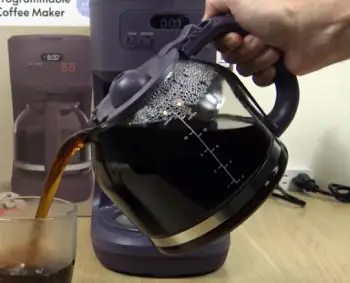
- Inconsistent Brew Quality
This is the biggest drawback I experienced. The flavor and strength of coffee vary too much between brews.
Even with consistent measurements, the output doesn’t feel stable.
- Limited Durability Concerns
After regular use, I noticed signs that the machine may not be built for long-term heavy use. Certain parts feel less robust, which raises concerns if you plan to use it daily for years.
- Basic Build Quality
While the design looks fine at first glance, the materials feel lightweight and somewhat less durable compared to mid-range competitors. It doesn’t have the solid, premium feel you get from more established brands.
- No Advanced Brewing Control
If you enjoy customizing strength, temperature, or extraction style, this machine will feel restrictive. It simply doesn’t offer that level of control.
- Maintenance Can Become Frequent
Because of residue buildup and basic internal design, you may find yourself cleaning it more often than expected. That can become annoying over time.
Maintenance Tips For Bella Coffee Machine
- Clean After Every Few Uses, Not Just Occasionally
One mistake I initially made was delaying cleaning. With this machine, that leads to faster buildup inside the filter and drip system.
I learned that wiping and rinsing after every few uses keeps performance slightly more stable.
- Empty the Drip Tray Regularly
The drip tray fills up faster than you expect. If you leave it unattended, it can create unpleasant smells and affect hygiene. I now make it a habit to check it daily.
- Use Filtered Water When Possible
Using regular tap water can increase mineral buildup inside the system. I switched to filtered water, and while it didn’t fix all issues, it reduced scaling slightly and improved consistency.
- Run a Water-Only Cycle Weekly
Once a week, I run a plain water cycle without coffee grounds. This helps clear internal residue and keeps the machine from clogging too quickly.
- Avoid Overfilling the Coffee Basket
At one point, I tried to make stronger coffee by adding more grounds, but that actually made cleaning harder and didn’t improve taste much. Sticking to recommended amounts works better for both taste and maintenance.
- Descale More Often Than You Think
Depending on your water quality, descaling may be needed more frequently. I noticed performance drop when I ignored this step, so I now treat it as a regular maintenance task rather than an occasional one.
- Store It in a Dry Area
Moisture around the machine can affect internal components. Keeping it dry and covered when not in use helps extend its usability slightly.
Overall, maintenance is not complicated, but it is more frequent than I would prefer for a machine in this category. That’s something worth considering before buying.
Comparison Of Bella Coffee Machine With Other Brands
- Bella vs Premium Espresso Machines
When I compare Bella with higher-end espresso machines, the difference is immediately noticeable in build quality and consistency.
Premium machines deliver stable extraction, richer flavor, and better temperature control. Bella, on the other hand, feels more basic and less refined.
While premium models require more investment, they also offer far more reliability in daily use.
- Bella vs Mid-Range Home Coffee Makers
Mid-range machines strike a better balance. They often include better brewing consistency, improved materials, and longer durability.
Compared to them, Bella feels more like an entry-level appliance.
If you drink coffee regularly, mid-range options tend to feel more satisfying over time.
- Bella vs Budget Drip Coffee Machines
Even in the budget category, some competing machines offer better stability and easier cleaning.
Bella competes closely in price but doesn’t always match performance consistency.
This is where value becomes questionable, especially for daily users.
- Overall Position in the Market
From my experience, Bella sits in the “basic convenience” category rather than “reliable daily performer.” It is functional but not refined, and that distinction matters if coffee is part of your everyday routine.
Also Read: Comparison Of Keurig K-Duo Gen 1 And Gen 2
Frequently Asked Questions (FAQ)
From my experience, Bella is more of an entry-level option rather than a high-quality long-term coffee solution. It works for basic use, but it lacks consistency and durability compared to stronger brands.
Reliability often comes from established brands like Breville, De’Longhi, and Nespresso, which are known for consistent performance, better build quality, and longer-lasting components.
Bella products are generally manufactured through international production facilities, often associated with large consumer appliance supply chains. Exact manufacturing locations can vary depending on model and distribution.
Based on my analysis and user experience patterns, the Bella Pro espresso machine is not the strongest option in its category. While it may attract buyers due to price, performance and durability concerns often reduce its long-term value.
Final Conclusion
After using the Bella coffee machine consistently, my overall impression is mixed but leaning toward cautious feedback.
It performs basic brewing tasks, but it doesn’t deliver the stability, richness, or durability that regular coffee drinkers usually expect.
I found myself adjusting more than enjoying, which is never a good sign for a daily-use appliance.
If you are someone who drinks coffee occasionally and only needs a simple machine, it may function as a temporary solution. However, if you value consistency, long-term reliability, and better taste control, you are likely to be more satisfied with other established alternatives in the market.
For me, this is not a machine I would confidently rely on every day.
Recent Posts
● Interactive 5-Zone Interior & Exterior Paint Blueprint Paint Coverage Calculator: Gallons, Primer, Square Footage & Cost Tap any architectural surface zone on the blueprint...
If you want smooth, shiny hair without spending a fortune on a premium styling tool, the Ella Bella hair dryer may be worth considering.In these Ella Bella hair dryer reviews, I’ll look...