
If you’re considering Better Brain Memory Formula, I’d recommend buying it only if you’re looking for a convenient supplement to complement a healthy diet, regular exercise, quality sleep, and mentally active habits—not as a guaranteed memory booster.
I approached this product with realistic expectations because supplements can vary considerably in ingredients, dosage, and effectiveness.
In this Better Brain Memory Formula review, I’ll explain how I approached the product, what I liked, where I had reservations, how it compares with other memory supplements, and the practical habits I believe matter most.
My Personal Experience With Better Brain Memory Formula
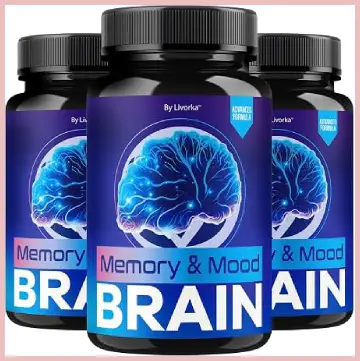
When I first looked at Better Brain Memory Formula, I was interested in one simple question: could a daily memory supplement actually make a noticeable difference?
I didn’t want to judge it based on flashy promises alone. I wanted to think about the product from the perspective of someone who occasionally forgets names, loses track of small tasks, or feels mentally tired after a long day.
That distinction matters because ordinary forgetfulness is not necessarily a sign that something is wrong with your memory.
I started by treating the supplement as exactly what it is: a supplement rather than a replacement for healthy habits.
I kept my expectations moderate and paid attention to how I felt rather than expecting an overnight transformation.
The first thing I noticed was that evaluating a memory supplement isn’t as straightforward as testing something like a kitchen appliance. There isn’t an obvious on/off switch. Memory is affected by sleep, stress, hydration, nutrition, physical activity, age, medications, mood, and many other factors.
That made me more cautious about attributing every good or bad day to the capsules.
I also paid attention to whether the product was convenient enough to fit naturally into my routine.
For me, consistency is important. A supplement can have an impressive ingredient profile, but if I constantly forget to take it, its practical value drops considerably.
Over time, I focused less on whether it created some dramatic “brain boost” and more on whether it seemed useful as one small part of my overall routine.
I also became particularly interested in the ingredient label. With cognitive supplements, I don’t think the product name tells me enough. I want to know exactly what ingredients are included, how much of each ingredient is provided, and whether those quantities have meaningful research behind them.
My overall impression is therefore cautious rather than sensational. I can understand why someone interested in memory support might consider Better Brain Memory Formula, but I wouldn’t describe it as a magic solution for forgetfulness.
For me, the biggest takeaway was that the supplement should sit behind the fundamentals, not replace them.
If I slept poorly, spent the entire day sitting down, ate badly, and remained stressed, I wouldn’t expect a capsule to compensate for everything. On better days, when I was sleeping properly and staying active, it made much more sense to view the supplement as an additional part of my routine.
That mindset shaped the rest of my Better Brain Memory Formula review.
Pros Of Better Brain Memory Formula
- Convenient Daily Cognitive Support
One advantage I see is convenience.
If you already take supplements regularly, adding a memory-focused formula can be easier than trying to construct a complicated routine from multiple individual products.
For me, simplicity matters. The fewer moving parts I have, the easier it is to remain consistent.
Of course, convenience doesn’t prove effectiveness. It simply makes a product easier to incorporate into an established routine.
- Focus on Memory and Cognitive Wellness
The product’s main appeal is its focus.
Rather than purchasing a general multivitamin and hoping it addresses every aspect of wellness, someone specifically interested in cognitive support may appreciate having a product marketed around memory and brain health.
That targeted approach can make sense for consumers who already have their basic nutrition habits under control.
- Easy to Pair With Healthy Habits
I like the idea of using a supplement alongside habits that already have broader health benefits.
For example, I can take a supplement while also walking regularly, getting adequate sleep, eating a balanced diet, staying hydrated, and keeping my brain active.
Those habits aren’t competing with the supplement. They complement the overall goal.
- Potential Value for People Seeking a Dedicated Formula
If your goal is specifically cognitive wellness, a dedicated supplement can feel more relevant than a generic daily vitamin.
However, I would still compare the ingredients, dosages, price per serving, and quality controls before purchasing.
A specialized label isn’t automatically better.
- Can Fit Into a Broader Wellness Routine
This is probably the strongest practical advantage for me.
I don’t view Better Brain Memory Formula as the centerpiece of brain health. I view it as something that could potentially occupy a small supporting role.
That distinction keeps expectations realistic.
Cons Of Better Brain Memory Formula
- Evidence Can Vary by Ingredient
This is the biggest issue I would consider before purchasing.
A supplement may contain ingredients that have been studied individually, but that doesn’t automatically mean the exact finished formula has been proven to improve memory in high-quality clinical trials.
There’s an important difference between evidence for an individual nutrient and evidence for a particular commercial blend.
I would therefore avoid assuming that every claim made around the product has equal scientific support.
- Supplements Are Not Treatments for Cognitive Disorders
This point deserves emphasis.
If someone is experiencing persistent or worsening memory problems, confusion, difficulty managing familiar tasks, or other concerning changes, I wouldn’t rely on a supplement.
That’s a situation where professional medical evaluation is more appropriate.
A memory supplement should not be treated as a substitute for diagnosis or treatment.
- Results May Be Difficult to Notice
This is another drawback.
Memory isn’t something I can easily measure from day to day.
I might remember someone’s name today and forget it tomorrow. That doesn’t necessarily tell me whether a supplement is working.
Because of this, people can easily overestimate or underestimate a product’s effect based on normal fluctuations.
- Cost Can Add Up
Even a reasonably priced supplement becomes expensive when taken continuously.
Before committing to a long-term purchase, I would calculate the actual monthly cost rather than focusing only on the advertised bottle price.
I’d also check serving size and whether the bottle represents 30, 60, or another number of servings.
- Possible Interactions and Individual Differences
“Natural” doesn’t automatically mean risk-free.
Supplements can interact with medications or may not be appropriate for everyone. People who are pregnant, breastfeeding, managing a medical condition, or taking prescription medications should be especially cautious and discuss supplements with a qualified healthcare professional.
That’s not specific to Better Brain Memory Formula. It’s a general consideration with dietary supplements.
Maintenance Tips For Better Brain Memory Formula
- Follow the Label Carefully
My first rule with any supplement is simple: follow the manufacturer’s directions.
Taking more capsules doesn’t necessarily mean getting better results. Increasing the dose on your own can increase the risk of unwanted effects, particularly when multiple supplements overlap.
I would also avoid combining several products containing the same vitamins or active ingredients without checking their total intake.
- Build a Consistent Routine
If I decide to use a supplement, consistency is more useful than randomly taking it.
I would attach it to an existing daily habit, such as breakfast or another meal, if the product directions allow that.
The goal isn’t to create an elaborate ritual. It’s simply to make remembering the supplement easier.
- Prioritize Sleep
This is one area where I wouldn’t compromise.
When I don’t sleep well, I notice that remembering information and concentrating become harder. That’s why I consider adequate sleep one of the most important “maintenance habits” for cognitive performance.
A supplement can’t compensate for chronic sleep deprivation.
- Stay Physically Active
Regular physical activity supports overall health and is strongly connected with brain health.
I don’t think exercise has to mean an intense gym session every day. Walking, cycling, swimming, recreational sports, and other activities can all contribute to an active lifestyle.
For me, consistency matters more than making every workout extreme.
- Eat for Overall Health
I also wouldn’t overlook nutrition.
A balanced diet containing vegetables, fruits, whole grains, legumes, nuts, healthy sources of protein, and appropriate sources of unsaturated fats can support general health.
If you’re deficient in a particular nutrient, correcting that deficiency may matter more than taking a complicated collection of cognitive supplements.
- Keep Your Brain Active
Memory benefits from use.
I like activities that require me to actively process information rather than passively consume it. Reading, learning a new skill, solving puzzles, writing, practicing a language, playing an instrument, and having meaningful conversations can all keep the mind engaged.
You don’t need an expensive brain-training program to challenge yourself.
Comparison Of Better Brain Memory Formula With Other Brands
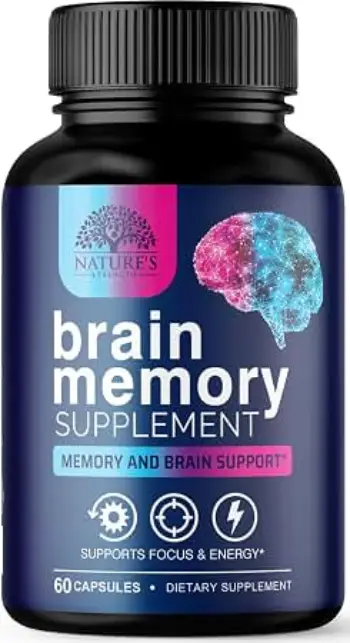
- Better Brain Memory Formula vs. Prevagen
Prevagen is another well-known supplement marketed around memory support.
The main difference I see is that the products approach cognitive support from different formulation philosophies. Rather than assuming one is automatically superior, I’d compare the exact active ingredients, serving sizes, evidence available for those ingredients, cost, and tolerability.
If you’re deciding between the two, I’d focus less on which package makes the stronger promise and more on what the evidence says about the actual ingredients.
- Better Brain Memory Formula vs. Neuriva
Neuriva has also built recognition around memory and brain performance.
When I compare a product like Better Brain with Neuriva, I would examine the Supplement Facts panels side by side. The specific nutrients and compounds matter more to me than the branding.
I’d also consider whether I want a broad cognitive formula or a product centered around particular ingredients.
- Better Brain Memory Formula vs. Focused Multivitamins
A standard multivitamin isn’t necessarily a direct competitor, but it can be an alternative for someone whose primary issue is nutritional adequacy.
If someone has a nutrient deficiency, addressing that deficiency may be more meaningful than taking a specialized memory supplement.
That’s why I wouldn’t automatically recommend a cognitive formula to everyone.
- Better Brain Memory Formula vs. Individual Ingredients
There is also another route: purchasing individual ingredients.
This can provide greater control over dosage, but it can also make the routine considerably more complicated.
For me, the convenience of a combined product has value. However, convenience has to be balanced against knowing exactly what I’m consuming.
Also Read: Is Golden Revive Worth It?
Frequently Asked Questions (FAQ)
Some ingredients may help in specific situations, particularly when correcting a nutritional deficiency, but evidence varies considerably among supplements and formulations.
A product can be legitimately sold as a dietary supplement without that meaning its memory claims are proven. Check the current ingredient label and evidence for its individual ingredients.
Mayo Clinic generally emphasizes healthy lifestyle measures such as regular physical activity, adequate sleep, a healthy diet, mental activity, and managing underlying health conditions rather than relying on a single memory supplement.
There isn’t a universally accepted vitamin that has been established to reduce dementia risk by exactly 40 percent for the general population. Claims like this should be viewed cautiously and checked against high-quality clinical evidence.
Wrapping Up
I would buy Better Brain Memory Formula only if I wanted a convenient addition to a broader brain-health routine and understood that it isn’t a guaranteed treatment or instant memory booster.
My approach would be to check the current formula, compare its ingredients and cost with alternatives, and pair it with good sleep, exercise, nutrition, hydration, and mental activity.
If you’re experiencing significant or worsening memory problems, I’d choose professional medical advice over a supplement.
For everyday cognitive wellness, though, it can be a reasonable product to investigate with realistic expectations.
Recent Posts
I tried Meltoway Hair Dissolving Cream because I wanted a quick way to deal with unwanted body hair without reaching for a razor every few days. If you are looking for a convenient at-home...
If you’re considering a saffron-based supplement to support mood, appetite control, and everyday wellness, Happy Saffron Plus is worth considering.I like that it takes a familiar botanical...